 Events
  Places
  Fish
Fish  Research
  Sign in
  New Catch Log
  New Trip Log
 Where is Lake Superior?
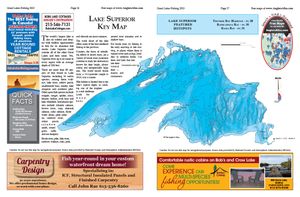
Lake Superior (47.5288, -87.7600), located in Zone 10, Zone 9, Zone 6, Zone 7, Ontario, Michigan, Minnesota, Wisconsin, United States, Canada spans 8200249.2 hectares (approximately 20263636 acres or 82002.5 square kilometers).
Which fish can I catch at Lake Superior?
The most popular species caught here are Chinook Salmon, Smallmouth Bass, and Lake Trout. Please use your best judgement when determining where you can fish, and make sure you follow local rules and regulations.
What does Lake Superior have?
Our members have marked 9 Other Markers, 10 Boat Launches, and 2 Warnings at Lake Superior. You can view these markers on the map.


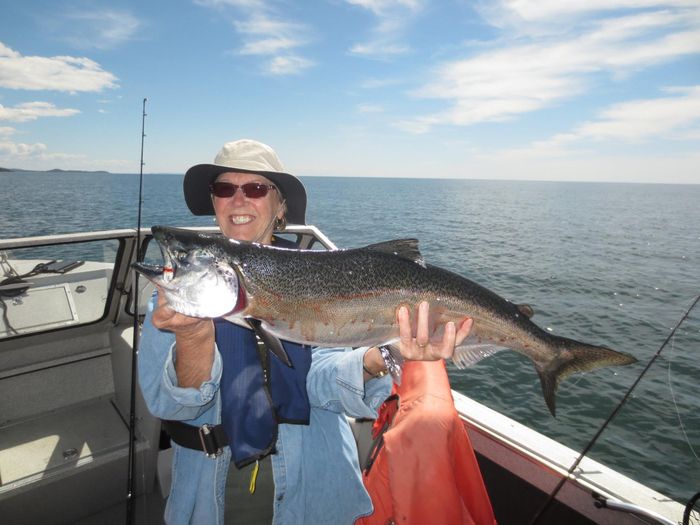
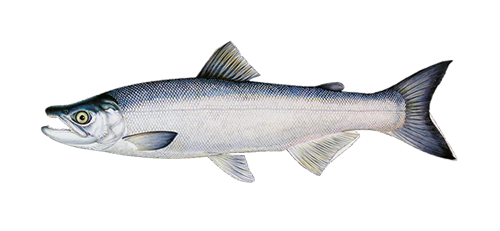
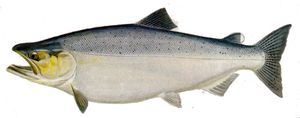 Chinook Salmon
 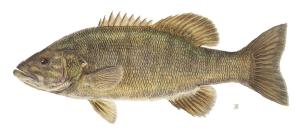 Smallmouth Bass
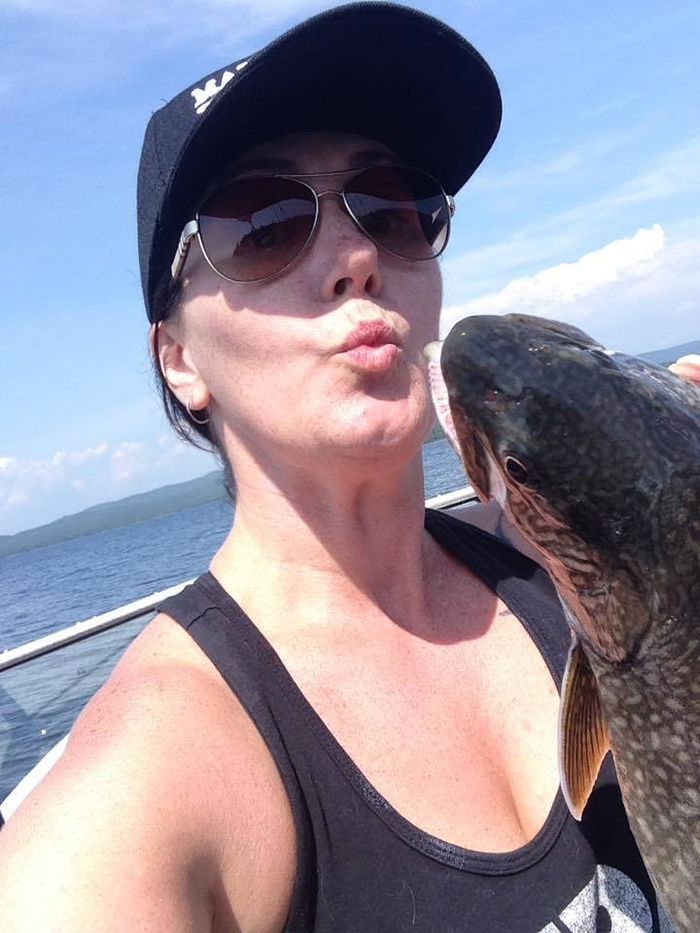
  Lake Trout
  Northern Pike
  Splake
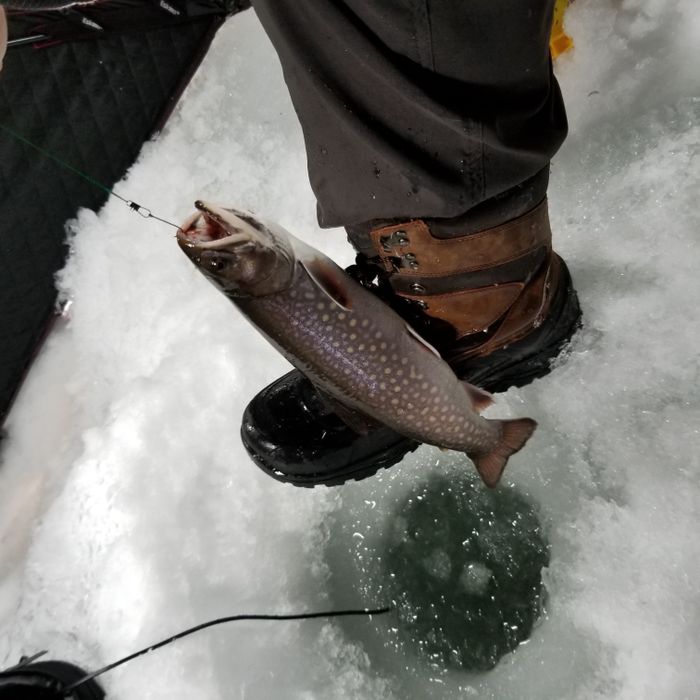
 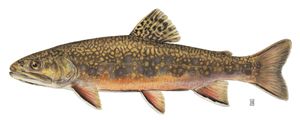 Brook Trout
 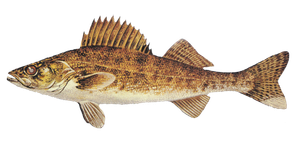 Walleye
 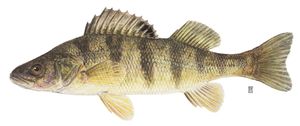 Yellow Perch
 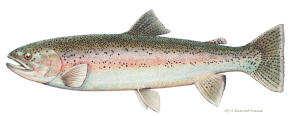 Rainbow Trout
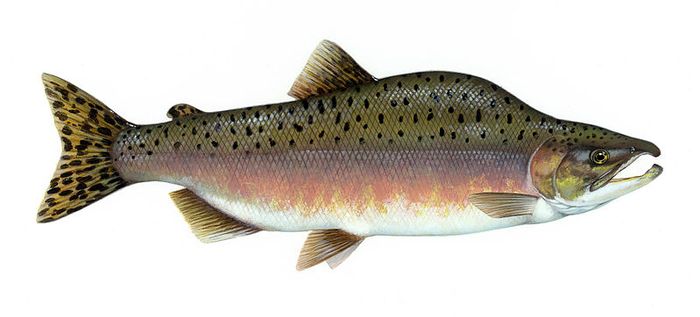
 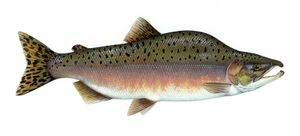 Pink Salmon
 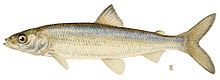 Cisco
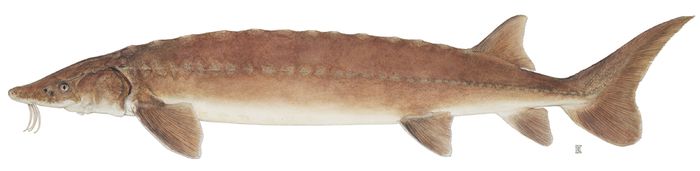
Cisco 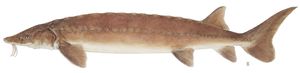 Lake Sturgeon
 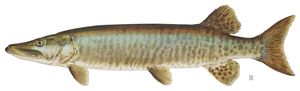 Muskellunge
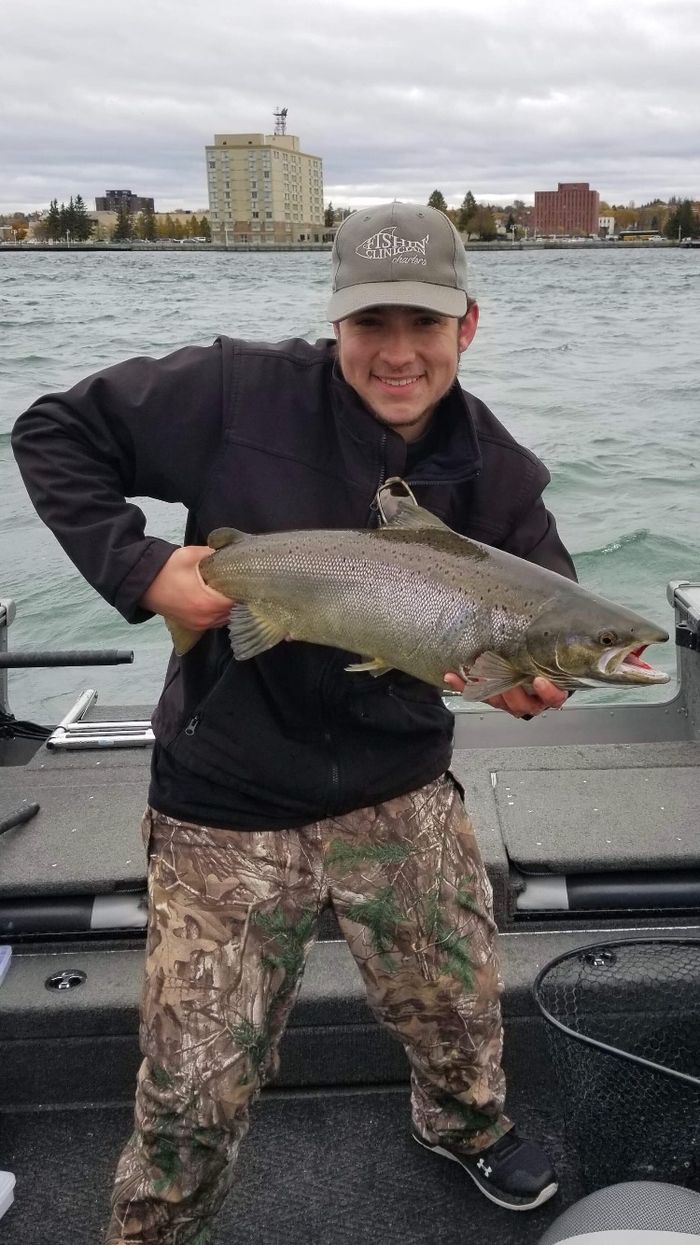
 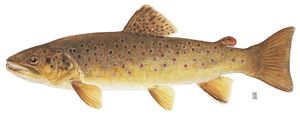 Brown Trout
 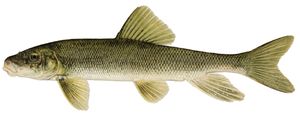 White Sucker
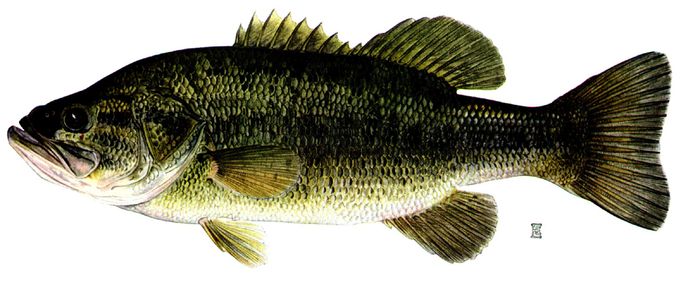
 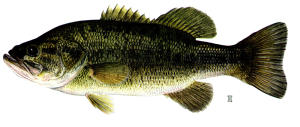 Largemouth Bass
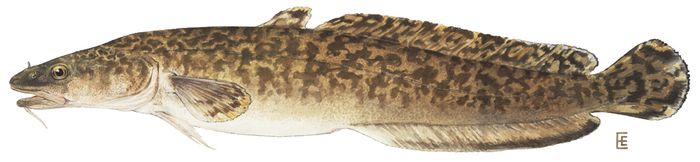
 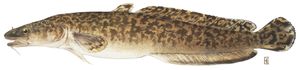 Burbot
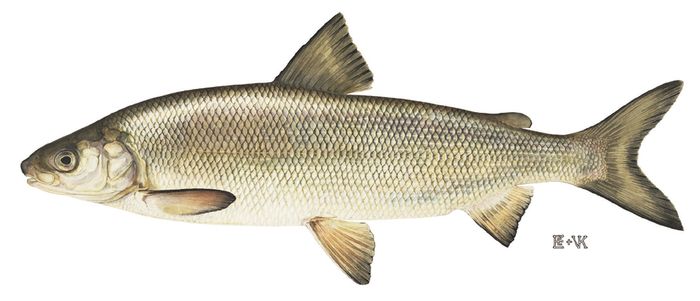
 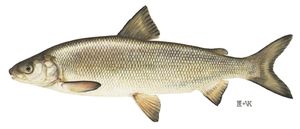 Lake Whitefish
 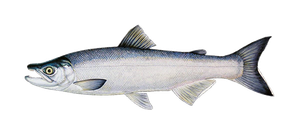 Kokanee
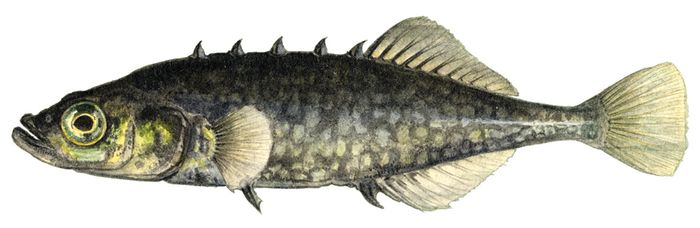
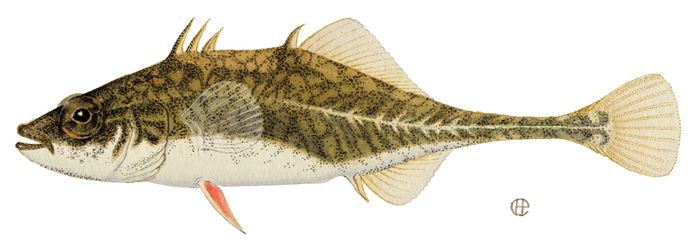
 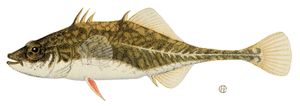 Four Spine Stickleback
  Nine Spine Stickleback
 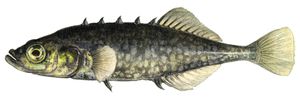 Brook Stickleback
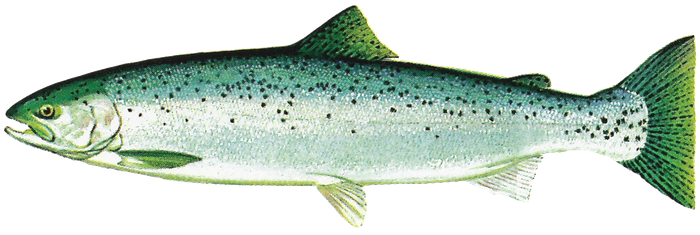
 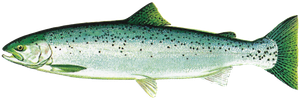 Steelhead
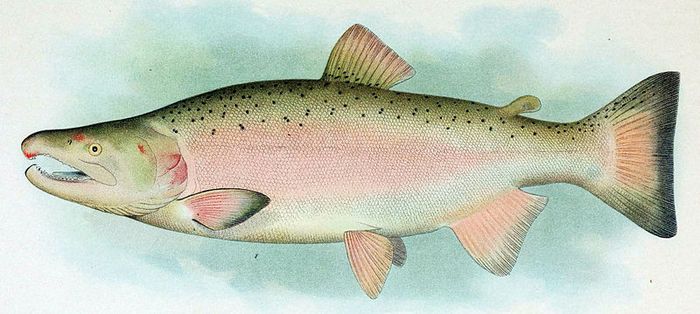
 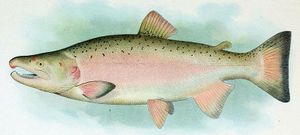 Coho Salmon
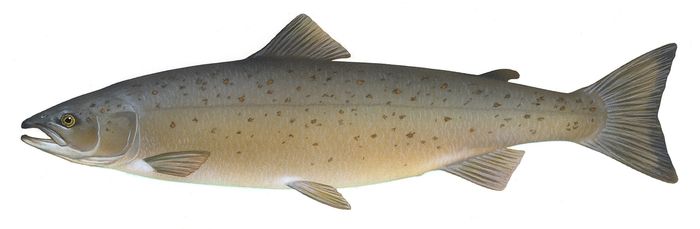
 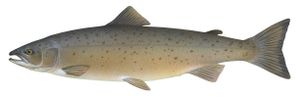 Atlantic Salmon
 About Lake Superior
Canada's largest lake is also its coldest and deepest with endless opportunities to fish for its abundant fish stocks. Lake Superior could contain all of the other Great Lakes and then some. Yes, Superior lives up to its name in every aspect with an average depth of 500 feet.
There are more than 80 species of fish found in Lake Superior, including 34 native species, among them walleye, lake trout, yellow perch, smallmouth bass, musky, lake sturgeon and northern pike. Other sport fish species include crappie, sauger, splake, cisco, bloater, burbot, rock bass and lake whitefish. Introduced species include Atlantic salmon, brown trout, carp, chinook salmon, coho salmon, freshwater drum, pink salmon, rainbow trout, white perch, rainbow smelt, round goby, ruffe and sea lamprey.
Brook trout, pike, lake trout, rainbow, walleye, coho, pink and chinook are most common.
The north shore of the lake offers some of the best steelhead fishing in the province.
Coasters, the focus of rebuilding efforts in recent years, are a variant of brook trout (scientists continue to study the distinction) known for their bright, silvery colour and exceptionally large size. The world record brook trout, a 14.5-pounder caught in 1916, was a coaster.
Pike habitat is limited due to the lake’s typical depth, so catching one of the trophies is a real challenge. Look for weed beds around river estuaries and in shallow bays.
For brook trout, try fishing in the early morning or late evening, in places where there is natural cover such as logs, boulders or undercut banks. Use lures and baits that imitate their natural feed —insects and crustaceans.

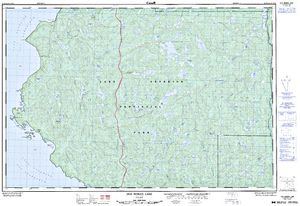
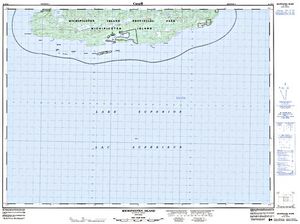
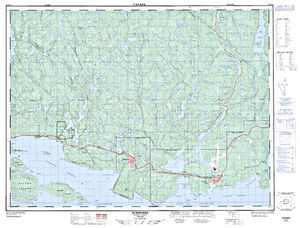
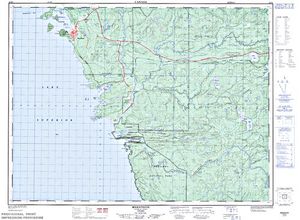
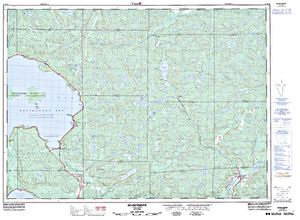
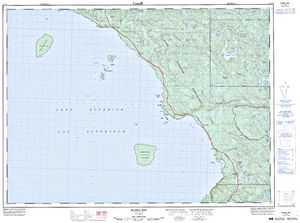
Free Maps (118)
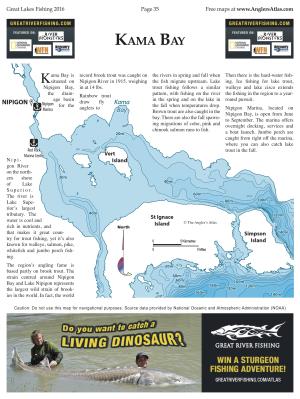
Lodging and Camping
User Feed










Other Marker Added
|width:0|46.4100101,-92.1128607|49.0158045,-92.1128607|49.0158045,-84.3542986|46.4100101,-84.3542986|46.4100101,-92.1128607)

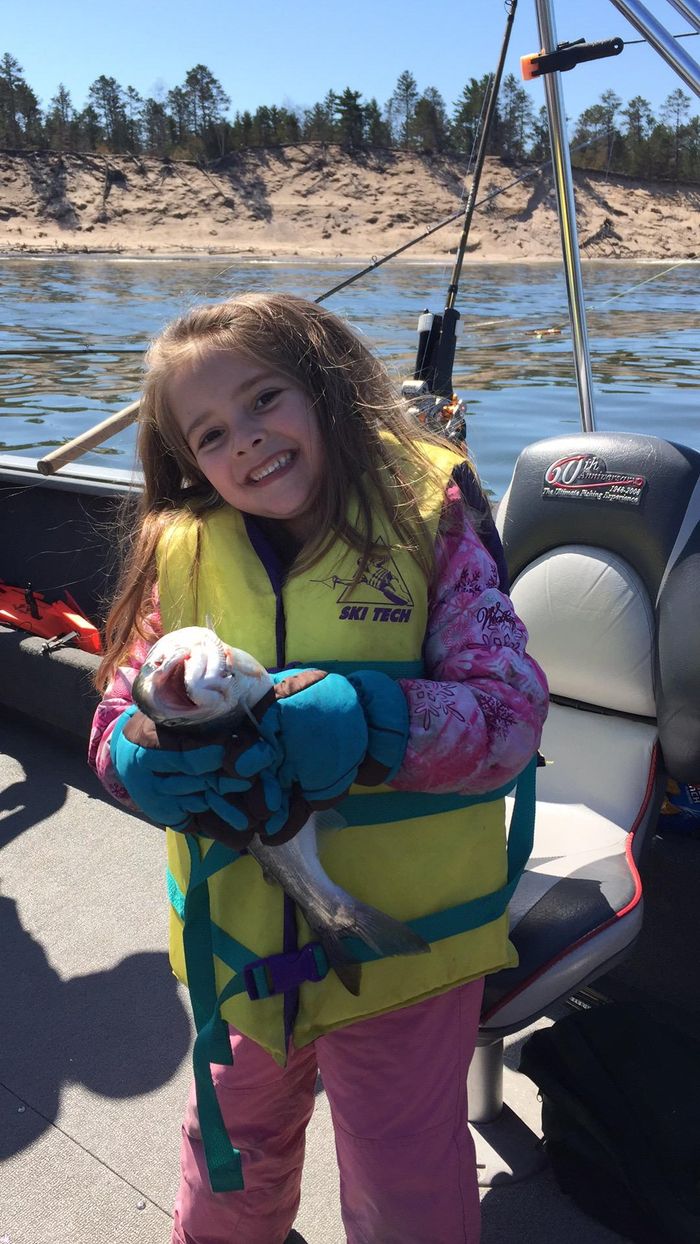

Boat Launch Marker Added
|width:0|46.4100101,-92.1128607|49.0158045,-92.1128607|49.0158045,-84.3542986|46.4100101,-84.3542986|46.4100101,-92.1128607)
Other Marker Added
|width:0|46.4100101,-92.1128607|49.0158045,-92.1128607|49.0158045,-84.3542986|46.4100101,-84.3542986|46.4100101,-92.1128607)