Events
  Places
  Fish
Fish  Research
  Sign in
  New Catch Log
  New Trip Log
 Burbot
Lota lota
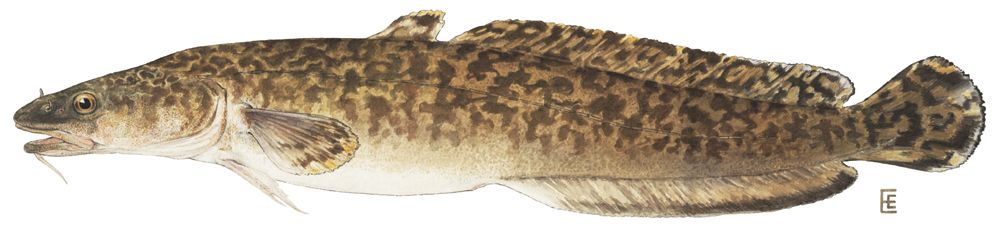
Burbot
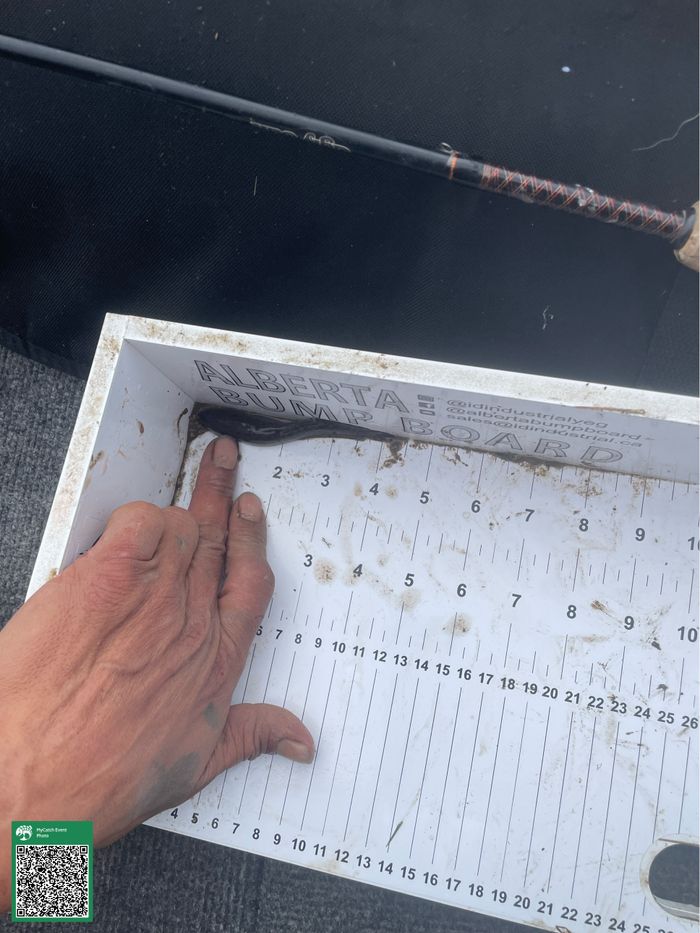
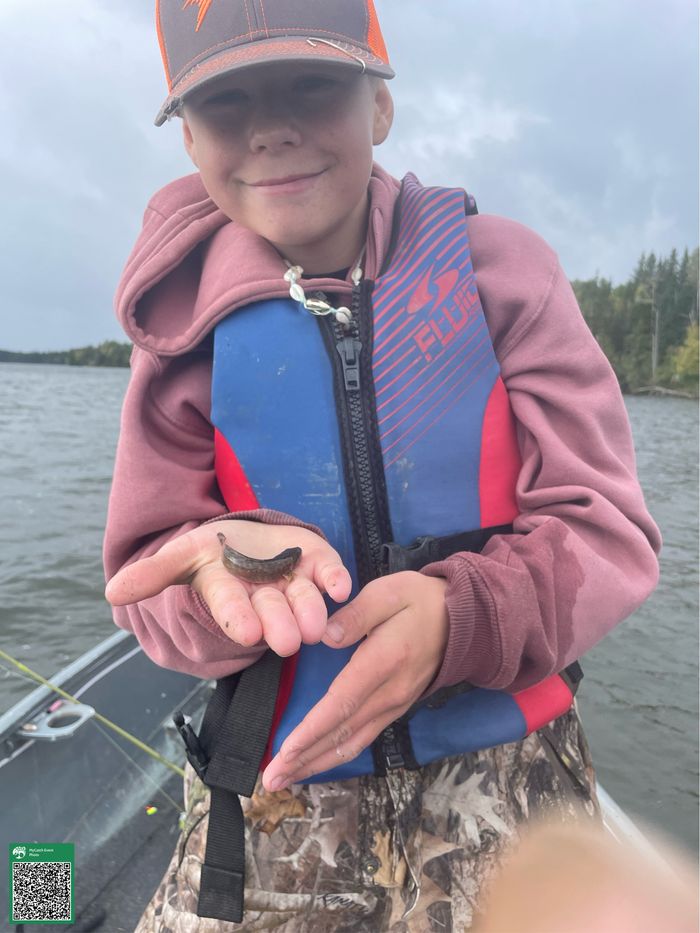
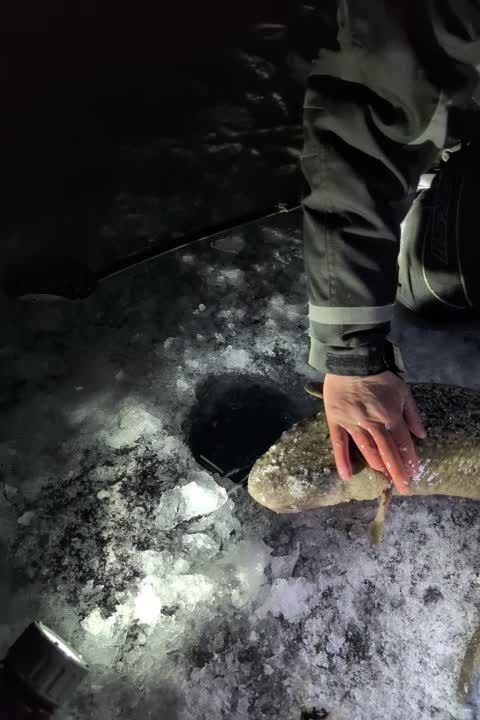
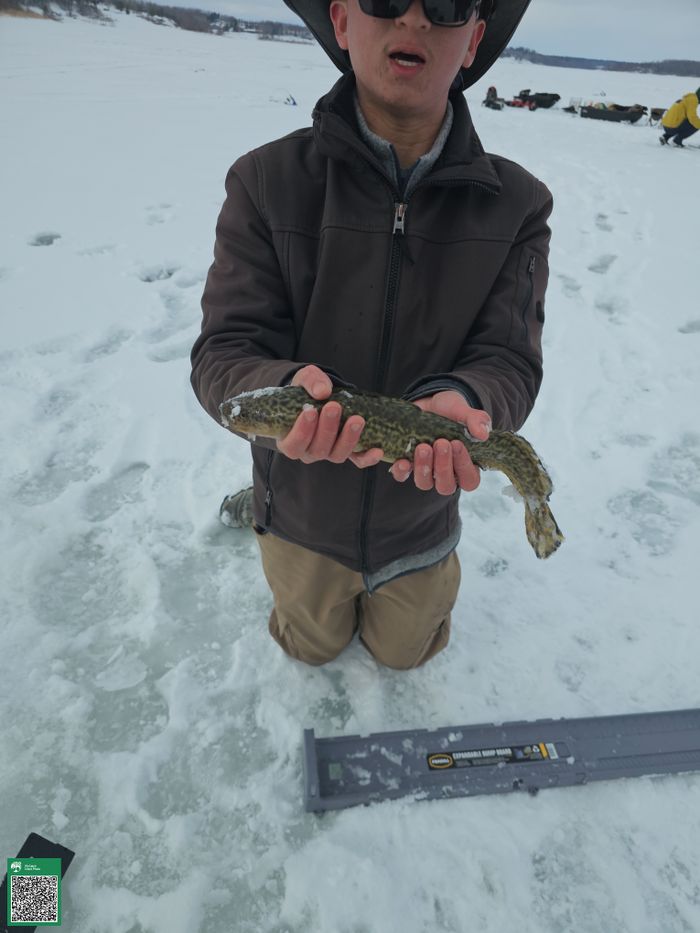
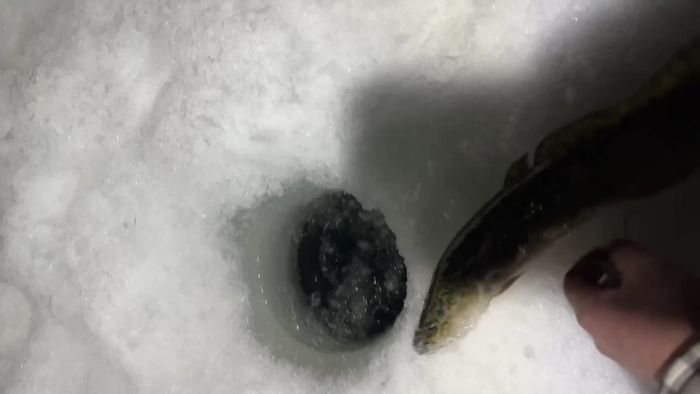
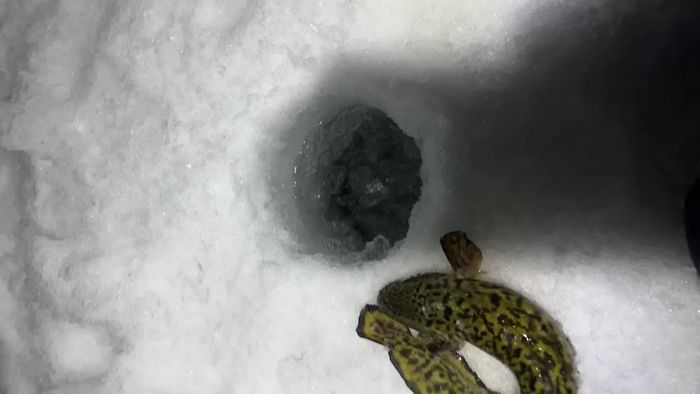
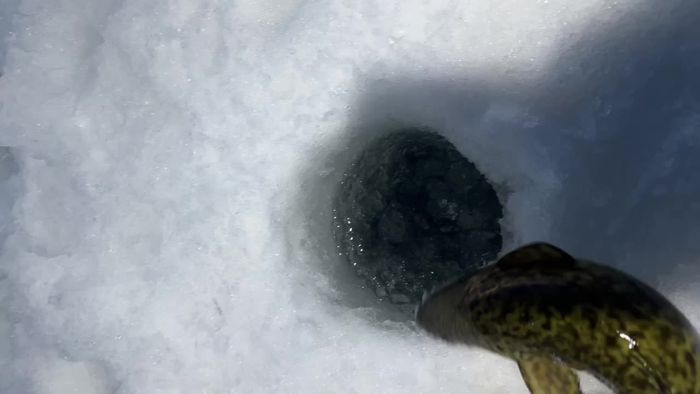
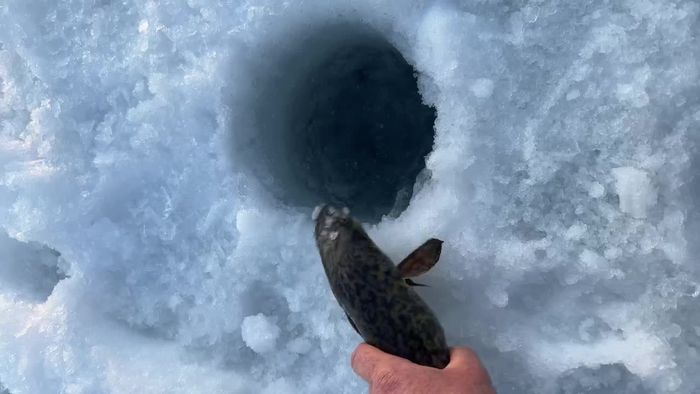
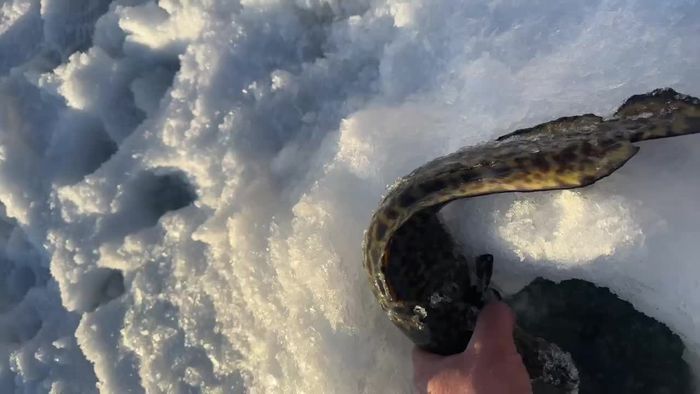
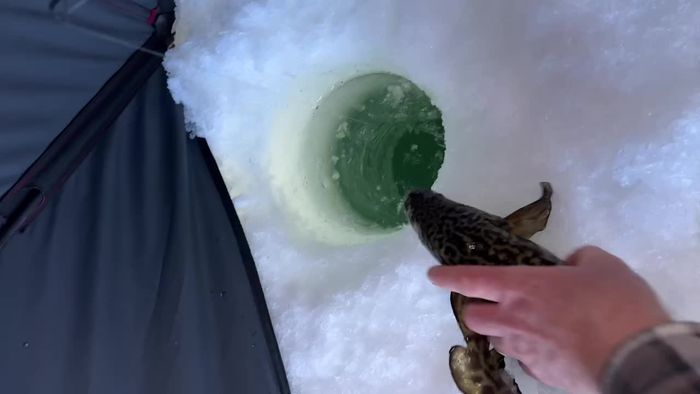
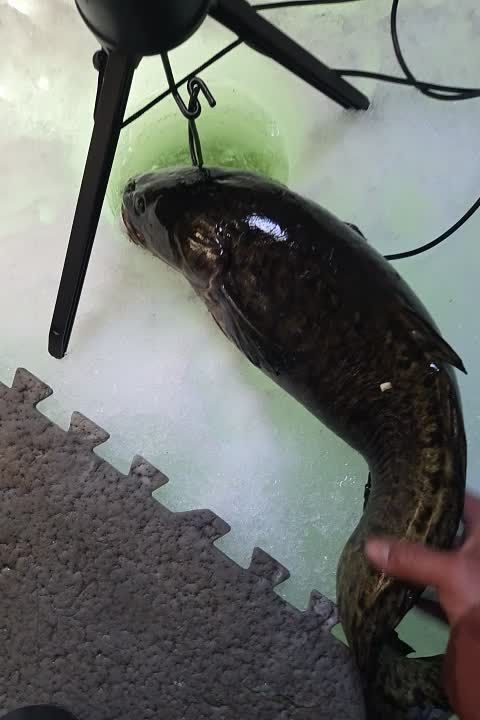
The Burbot is a freshwater fish found throughout North America, though they are not present south of Pennsylvania, Missouri, and Kansas, extending west to Oregon. They can also be found in Europe and Asia. Burbot are a bottom-dwelling species. While young, Burbot feed on insects and invertebrates until reaching adulthood, roughly 5–6 years, when they shift to a diet primarily composed of fish. Their fish consumption includes a wide variety of species, such as lamprey, whitefish, grayling, northern pike, suckers, trout, and many others. After reaching adulthood, Burbot range from 30–120 cm (12–47 in) in length, with an average weight of 1.4–2.3 kg (3–5 lb). They grow rapidly after birth, reaching roughly 11–12 cm (4–5 in) within 8–12 months. In their second year, they grow an additional 10 cm (4 in), after which growth slows significantly. Burbot are identified by mottled skin, which can vary in color from olive, yellow, black, to gold. Their dorsal and anal fins are elongated, extending along most of the body and reaching a rounded tail fin. A single soft barb is present on the lower jaw. Burbot are rather slimy and appear scaleless, but they possess microscopic scales. Source: Alaska Department of Fish and Game (https://www.adfg.alaska.gov/index.cfm?adfg=burbot.main)