Events
  Places
  Fish
Fish  Research
  Sign in
  New Catch Log
  New Trip Log
 Coho Salmon
Oncorhynchus kisutch
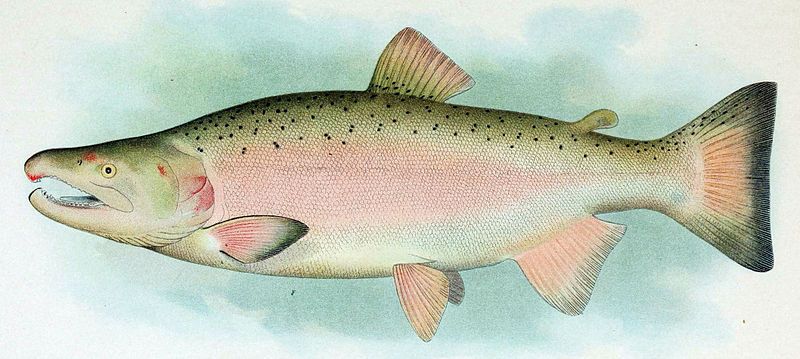
Coho Salmon
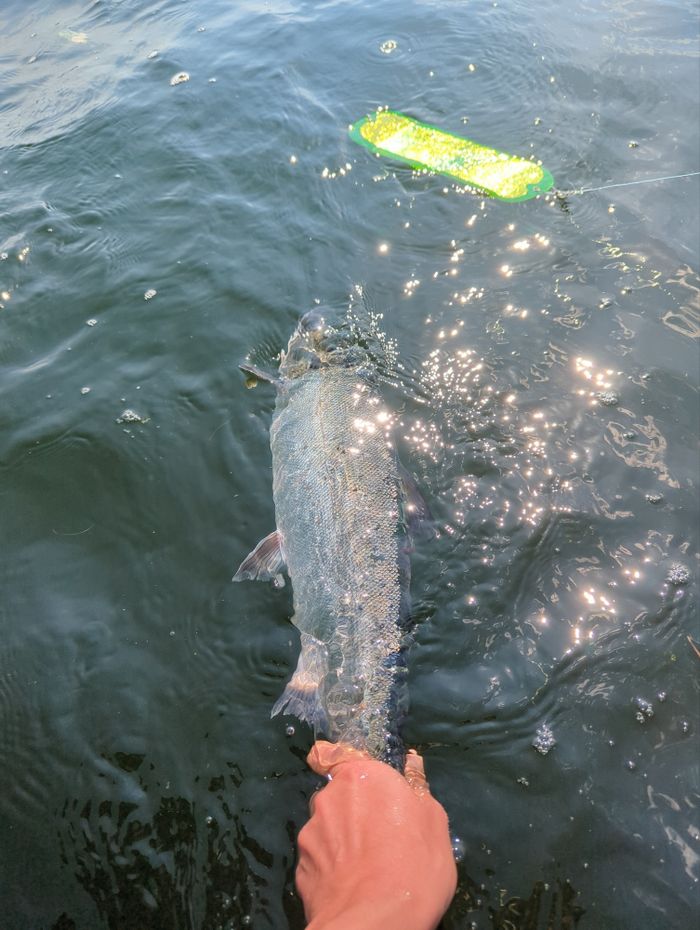
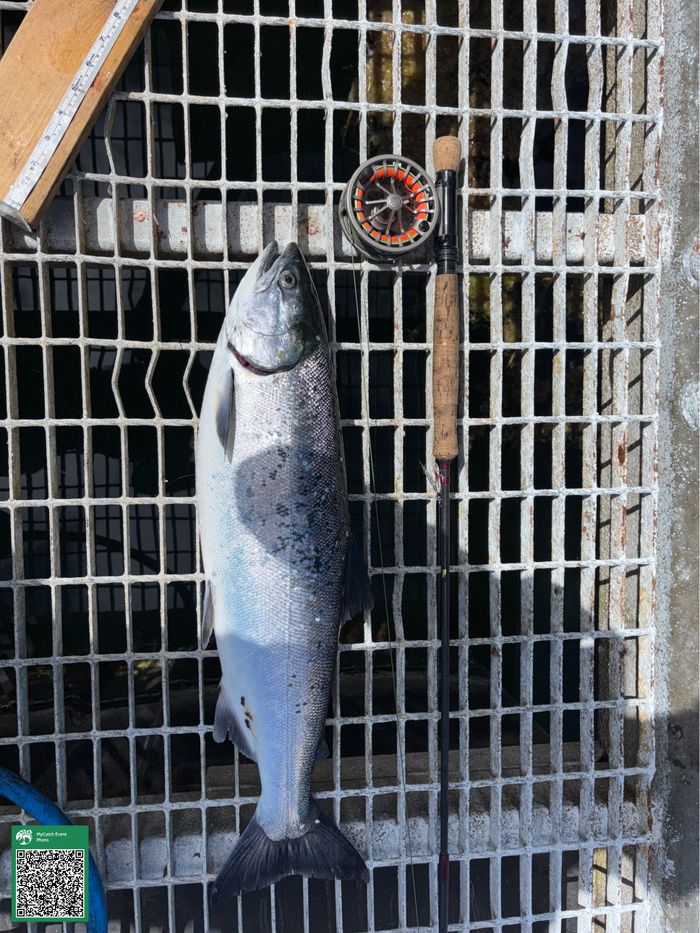
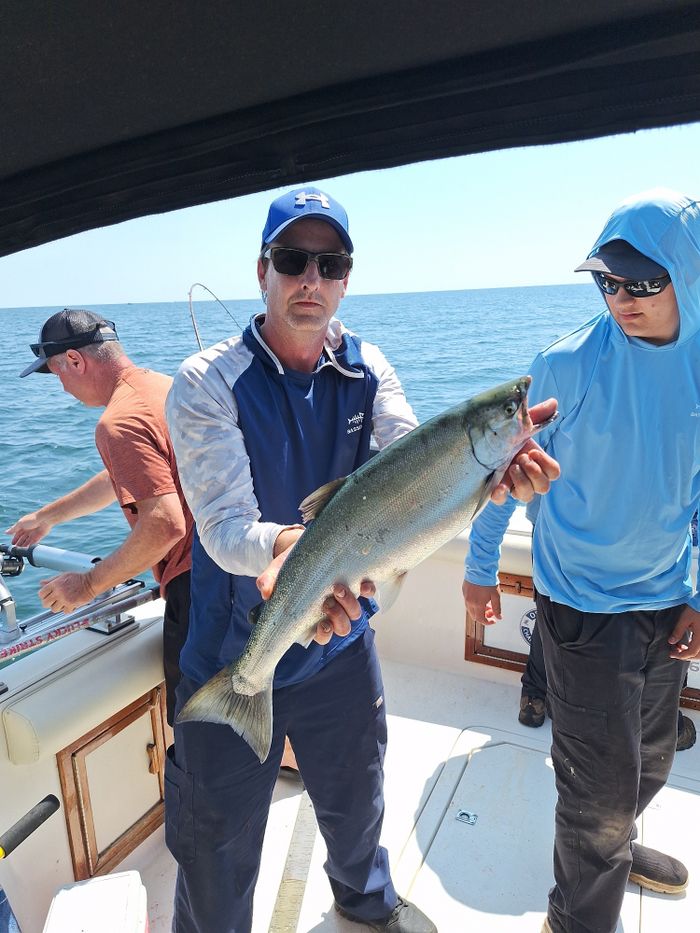
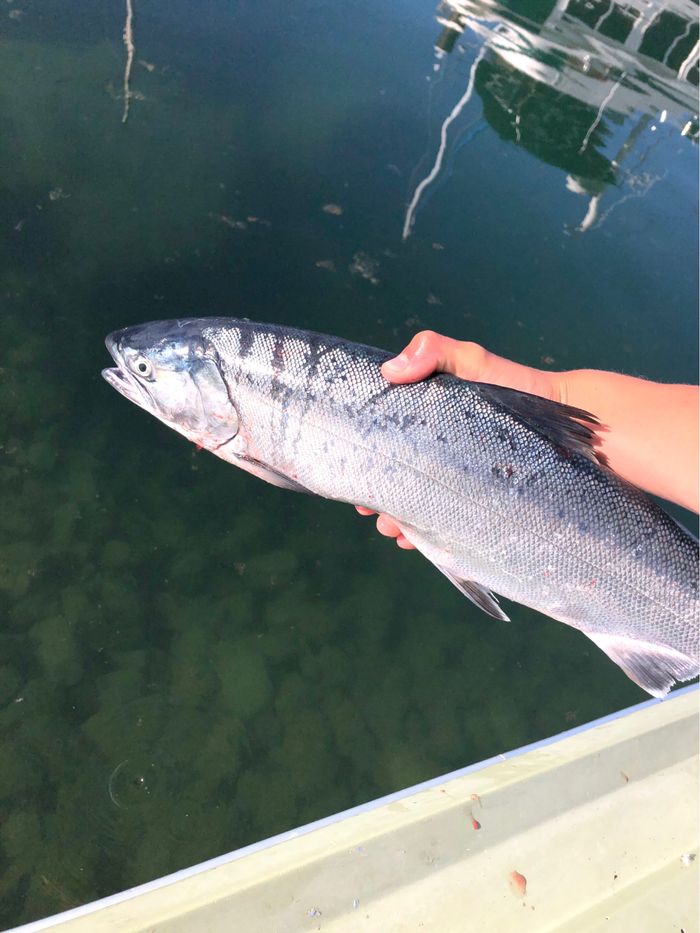
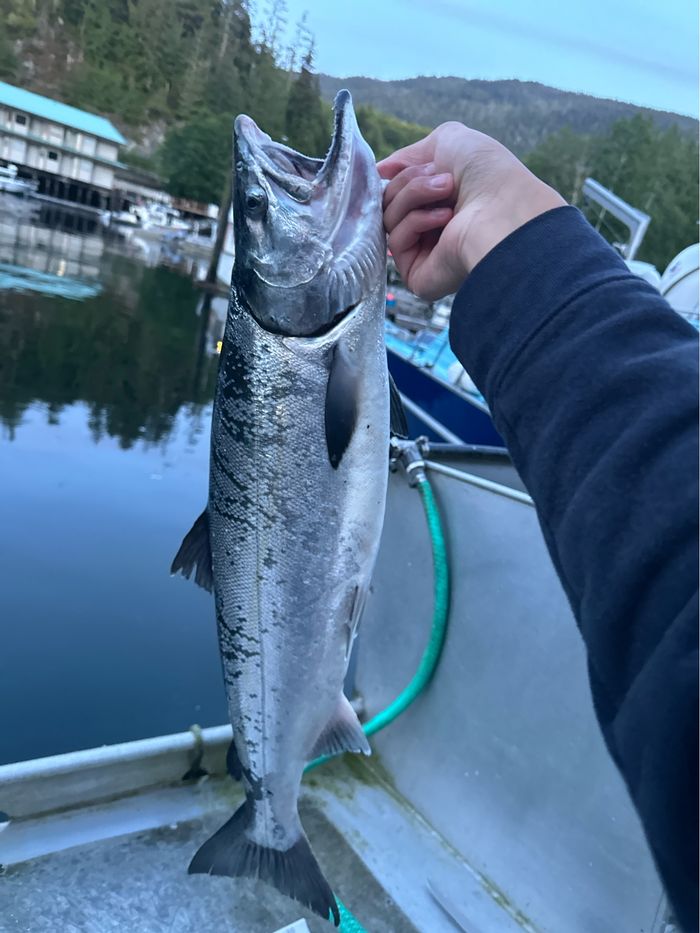
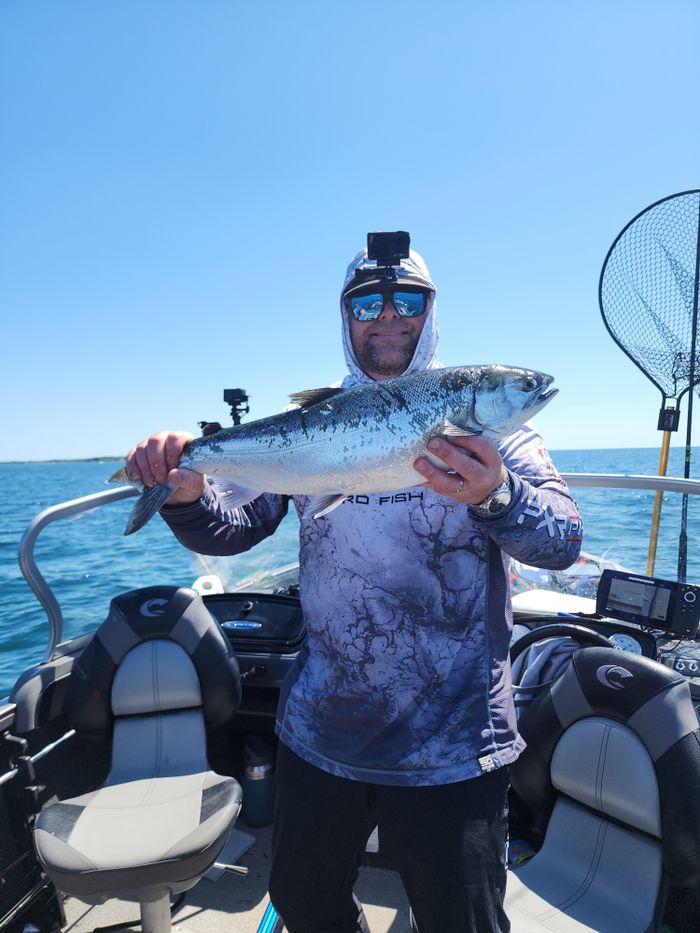
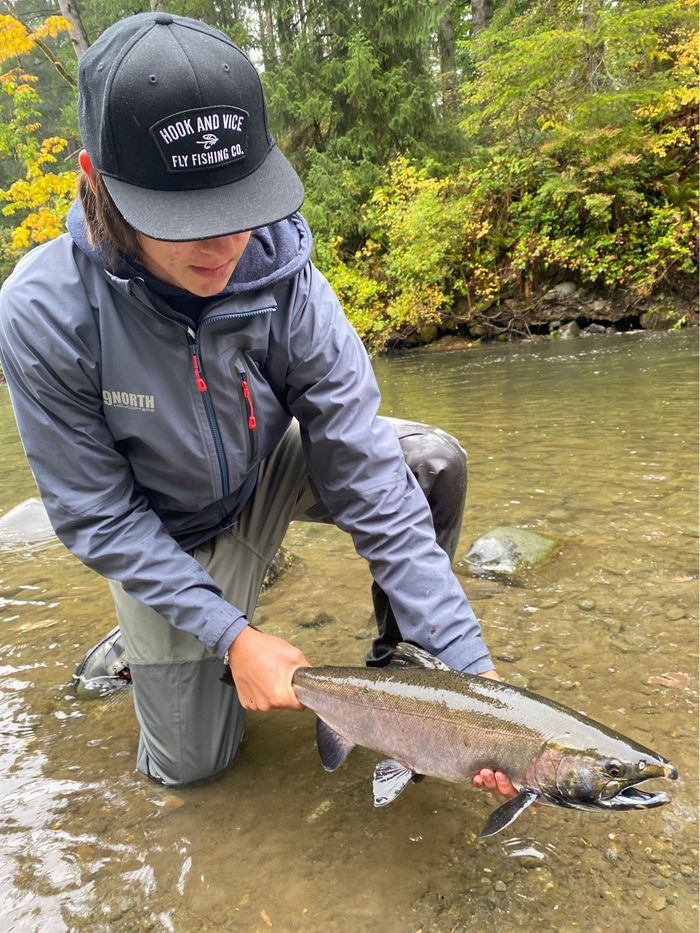
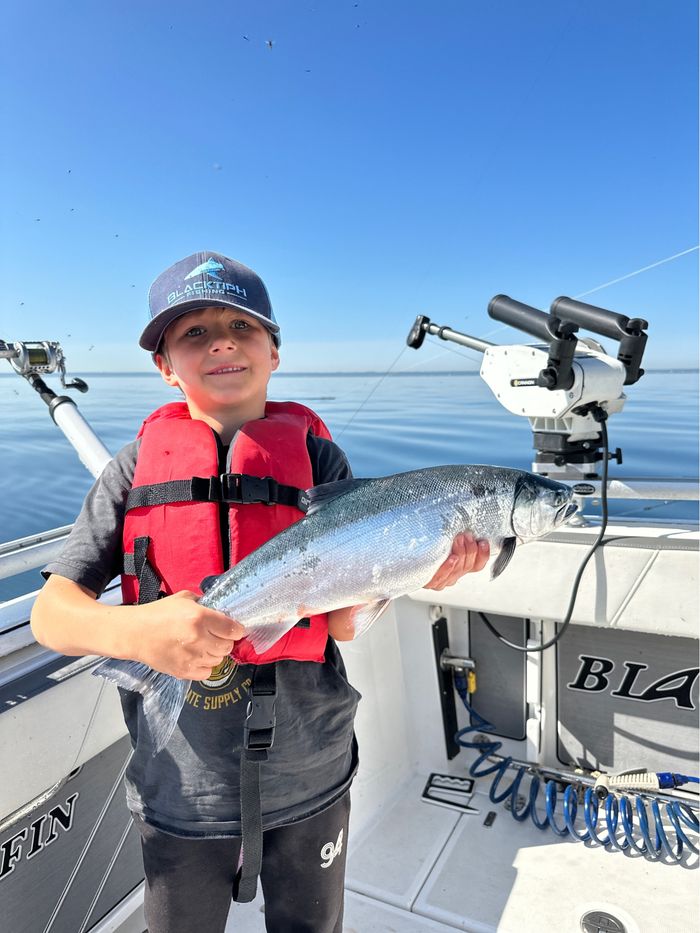
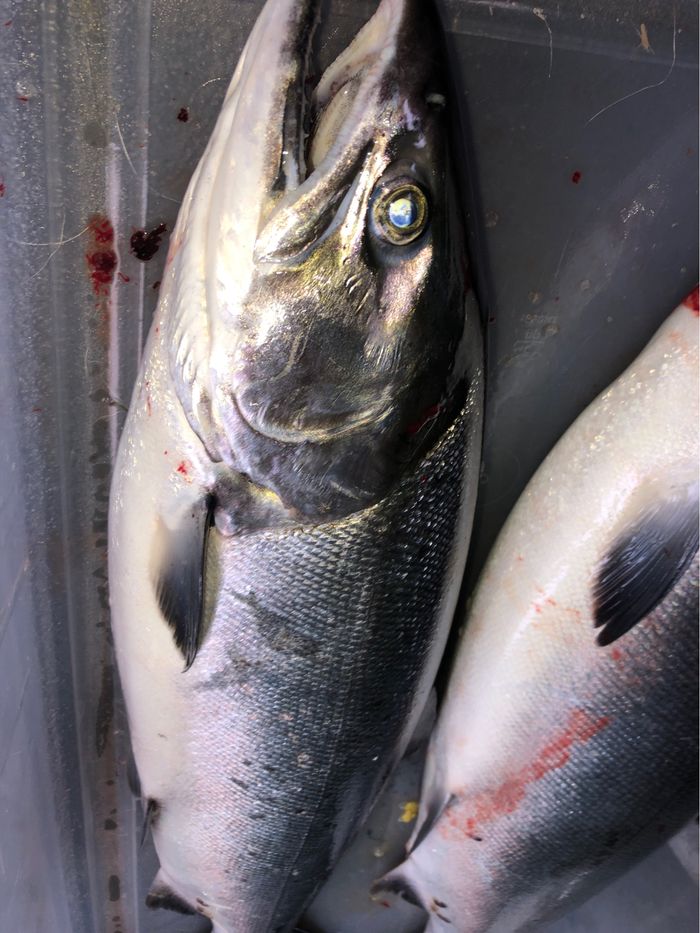
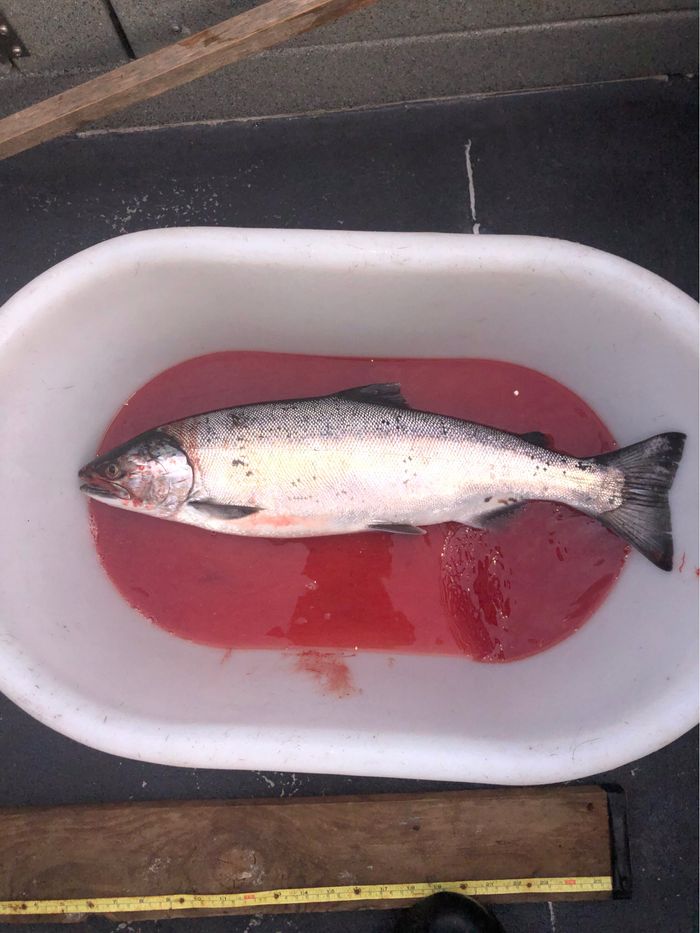
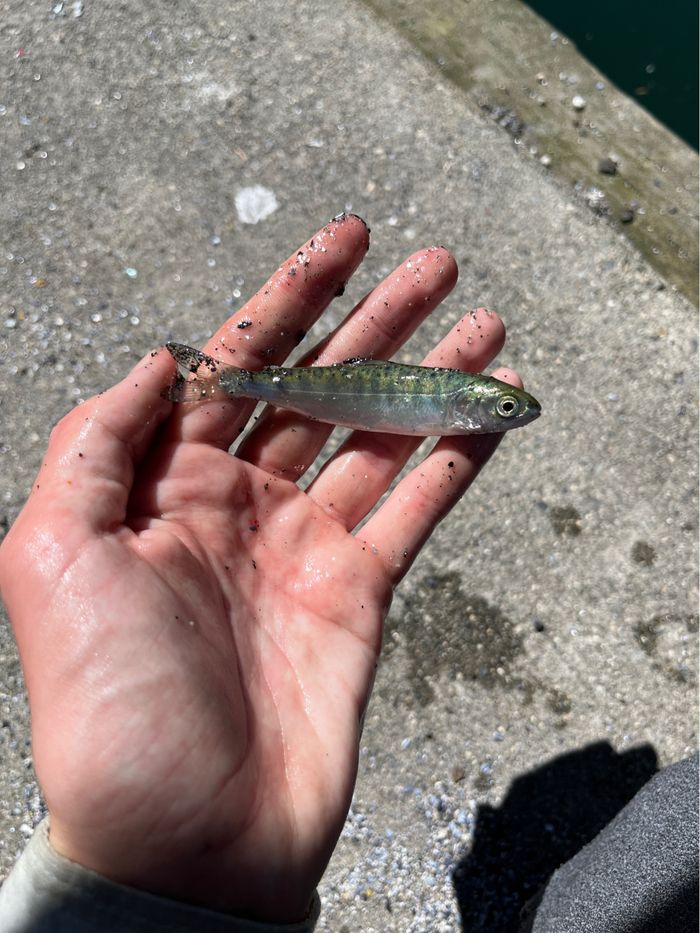
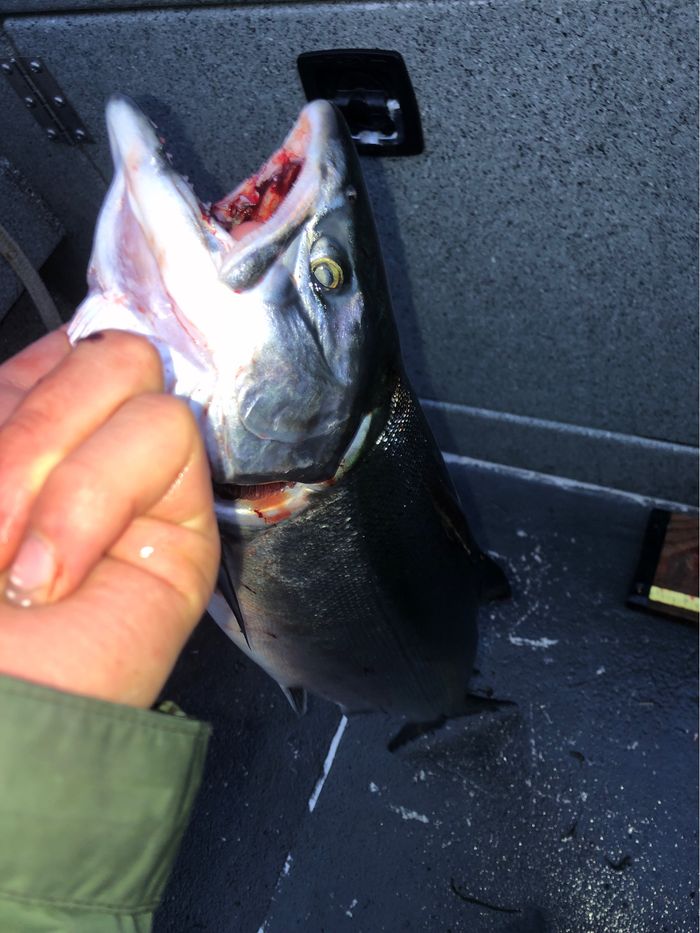
Coho Salmon, also known as Silver Salmon, is a widely distributed species naturally found along both sides of the North Pacific Ocean, from Hokkaidō, Japan, and eastern Russia, around the Bering Sea to mainland Alaska, and south to Monterey Bay, California. They have also been introduced in all the Great Lakes, as well as many other landlocked reservoirs throughout the United States. Coho Salmon are anadromous, meaning that they hatch in inland freshwater streams and rivers, migrate out to the saltwater environment of the ocean to reach maturity, and then return to their natal freshwater rivers to spawn. Burring their freshwater stages, Coho feed on plankton and aquatic invertebrates, and gradually switch to a diet of primarily fish once reaching saltwater. Adult coho salmon reach an average length of 24 to 30in (61-76cm) long, and usually weigh 8 to 12lbs (3.6-5.4kg), though specimens of up to 36lb (16kg) have been recorded. These salmon are silvery in colouration, with a lighter belly and dark metallic blue or greenish backs. While they are in the ocean, they develop small black spots on their back and on the upper lobe of the tail. Compared to Chinook Salmon, Cohos have a lighter coloured gum-line in their lower jaws. Source: NOAA Fisheries (https://www.fisheries.noaa.gov/species/coho-salmon)