Events
  Places
  Fish
Fish  Research
  Sign in
  New Catch Log
  New Trip Log
 Pink Salmon
Oncorhynchus gorbuscha
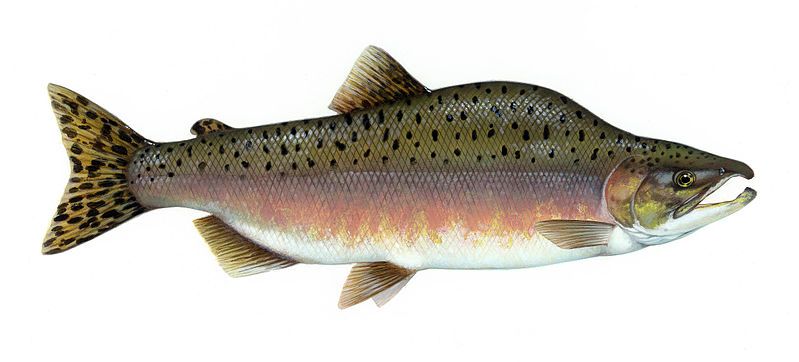
Pink Salmon
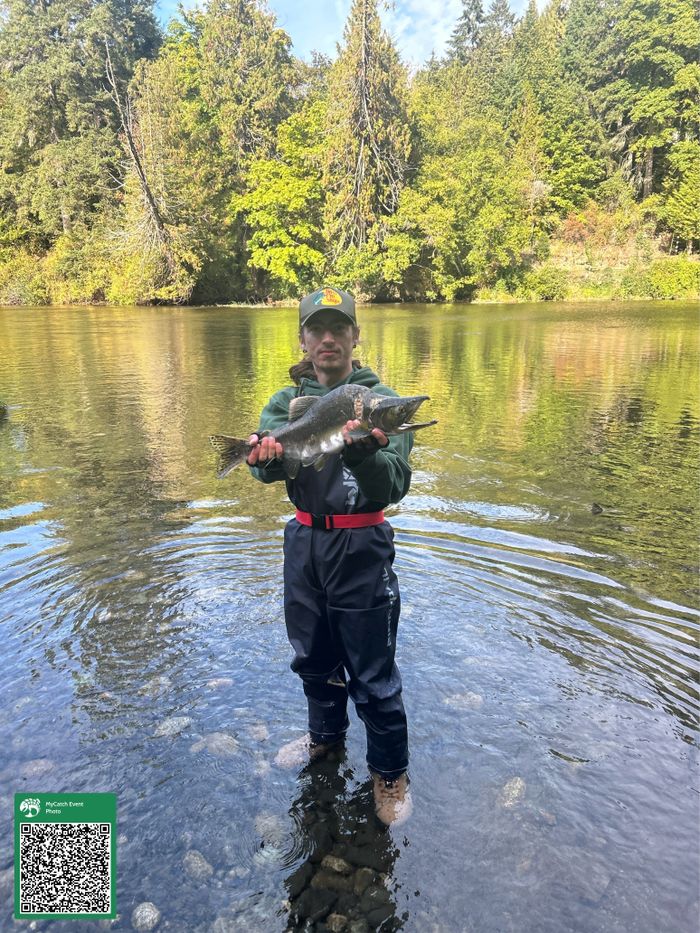
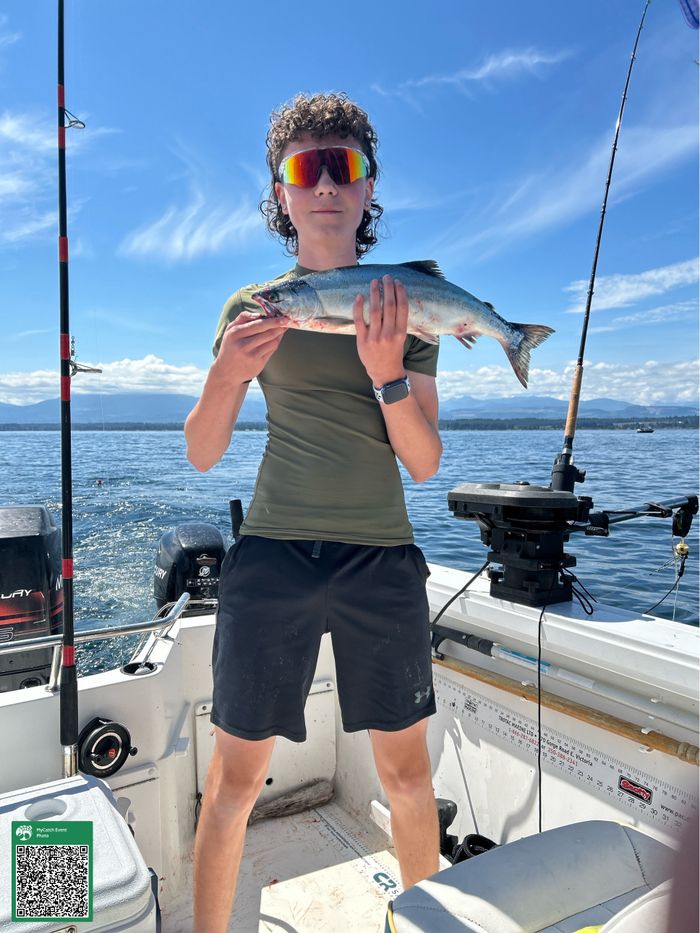
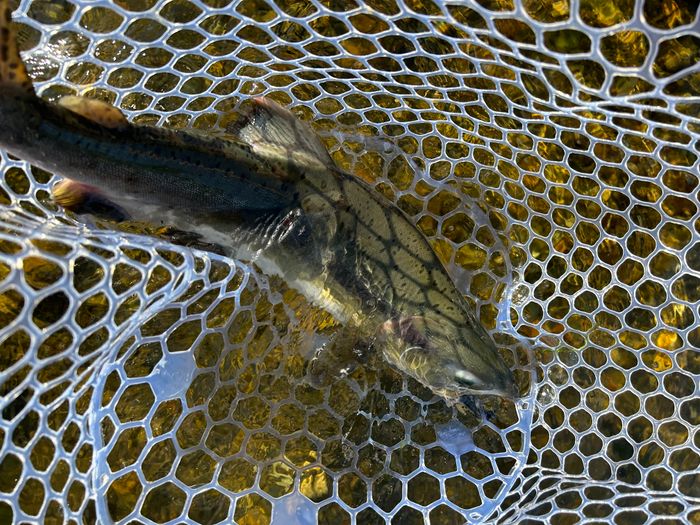
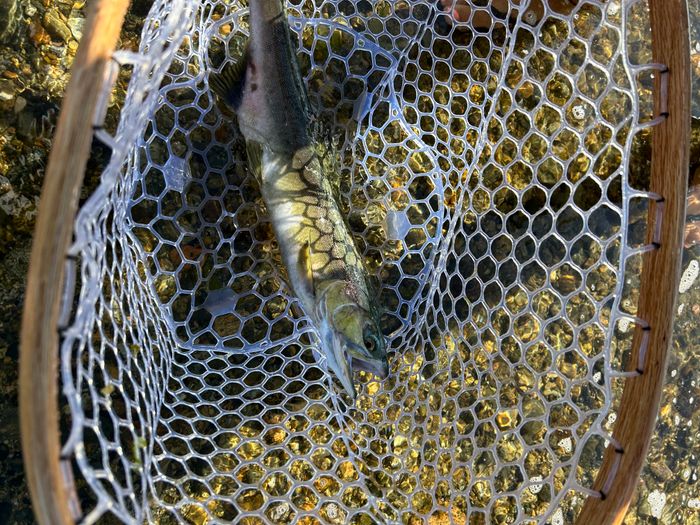
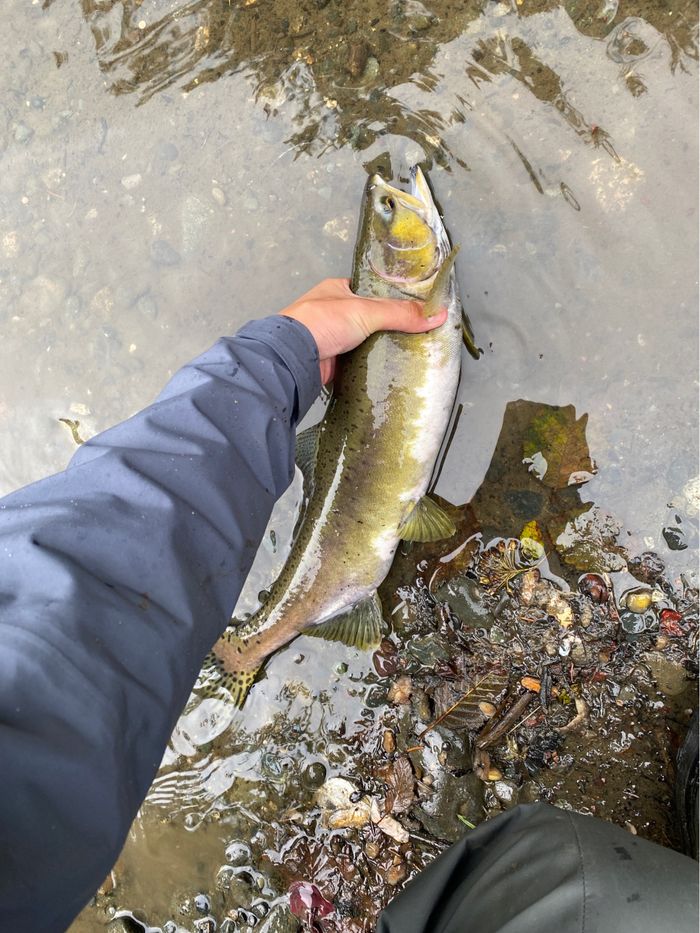
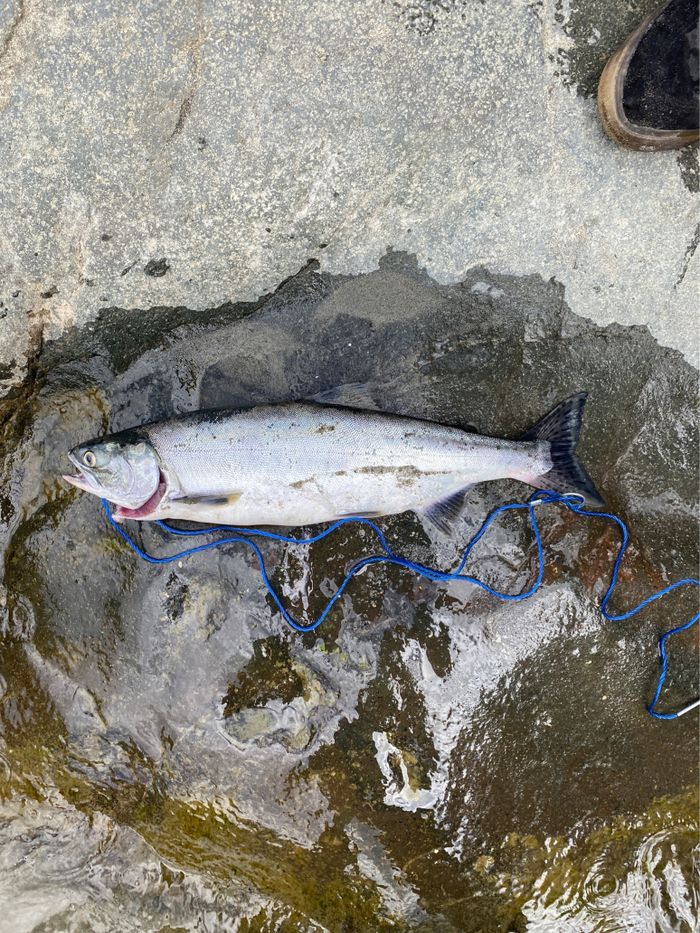
The Pink Salmon roams the cold waters of the Asian and North American Pacific Rim, the Arctic Ocean, and nearby seas. Thriving naturally in the northern Pacific and as far south as Puget Sound, they have been recorded in north-central California. Like other members of its family, the Pink Salmon is anadromous, emerging from their eggs upstream in small rivers and then quickly moving downstream into saltwater. As juveniles, Pink Salmon do not feed until they have schooled in the ocean. Once they begin feeding, their diet consists mainly of plankton, crustaceans, other small fish, and a small portion of aquatic insects. Pink Salmon grow to between 1.4 and 5 kg (3–11 lb) and 46–61 cm (18–24 in) long. Easily recognizable during the breeding season, male Pink Salmon develop a very large hump in front of the dorsal fin and a hooked jaw. Their color shifts to dark green, accompanied by large oval spots across the back and entire tail fin; the spots of pink salmon are much larger than those of coho and Chinook. Females undergo little to no changes during this period, maintaining a silvery color overall, accompanied by the large oval spots. When not breeding, males transform to the same silver color and lose their large hump and hooked jaw. Due to the development and ease of recognition of the hump, pink salmon are often referred to simply as “humpbacks” or “humpys.” Source: Alaska Department of Fish and Game (https://www.adfg.alaska.gov/index.cfm?adfg=pinksalmon.main)