Events
  Places
  Fish
Fish  Research
  Sign in
  New Catch Log
  New Trip Log
 Kokanee
Oncorhynchus nerka
Kokanee
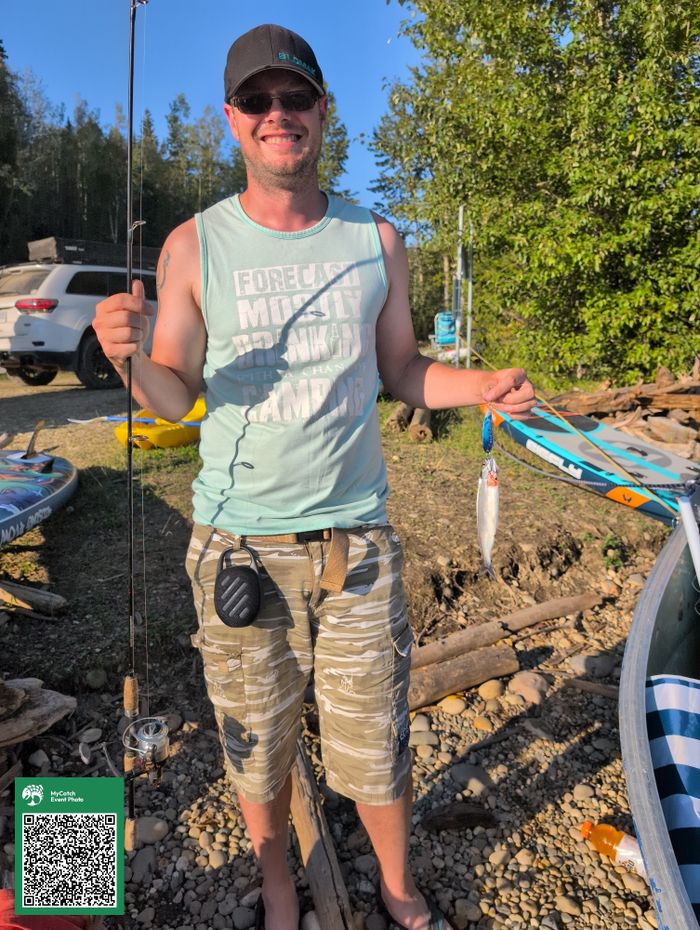
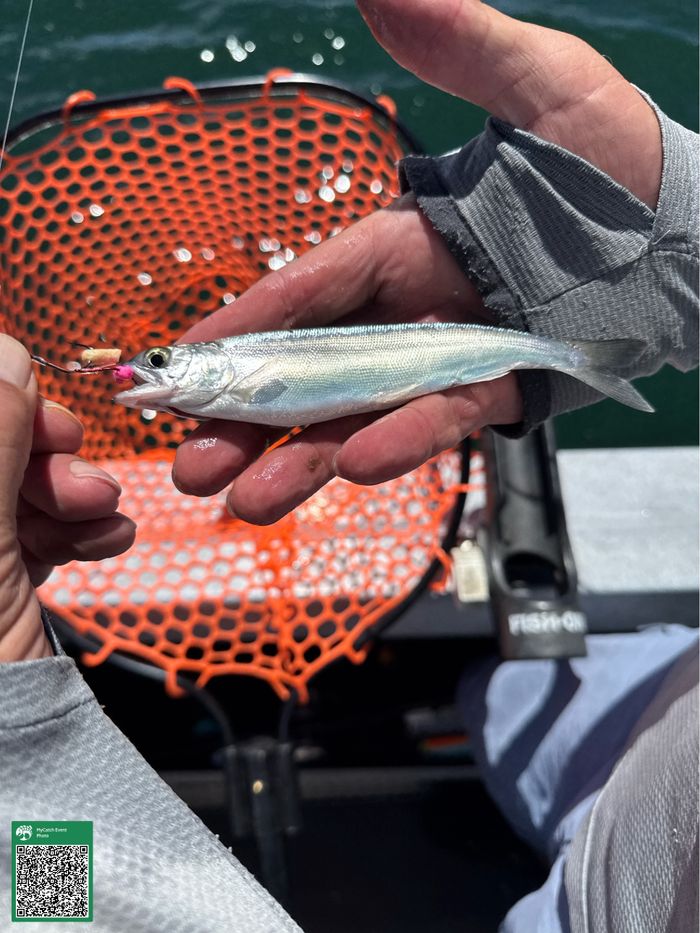
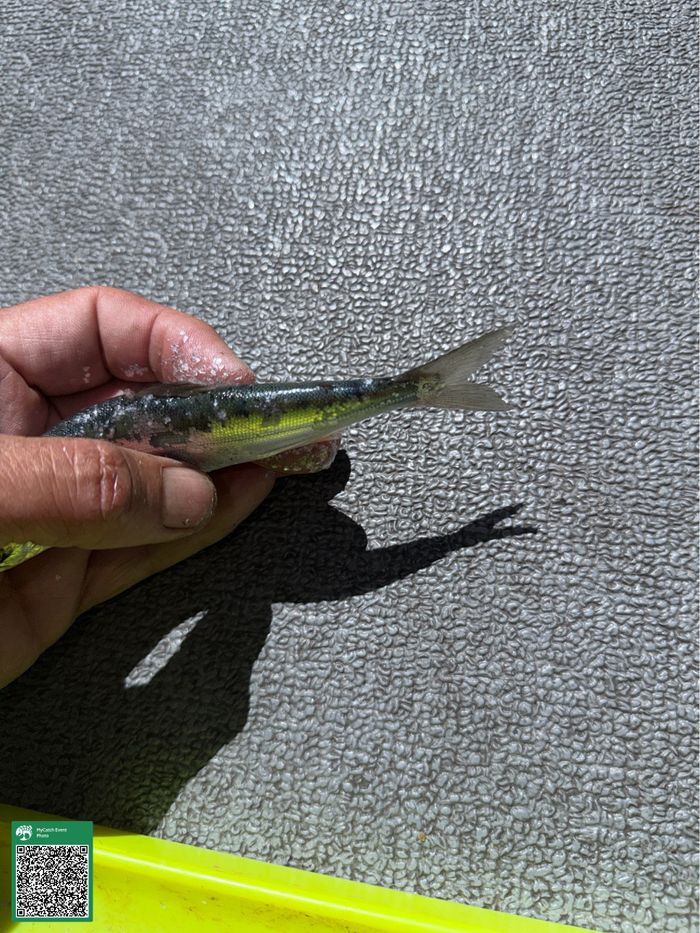
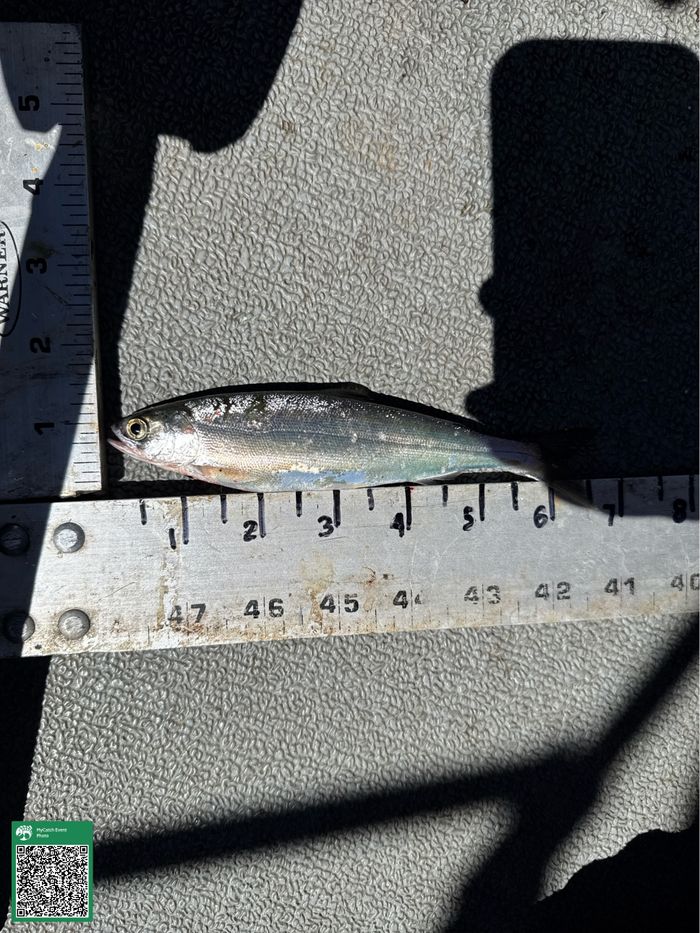
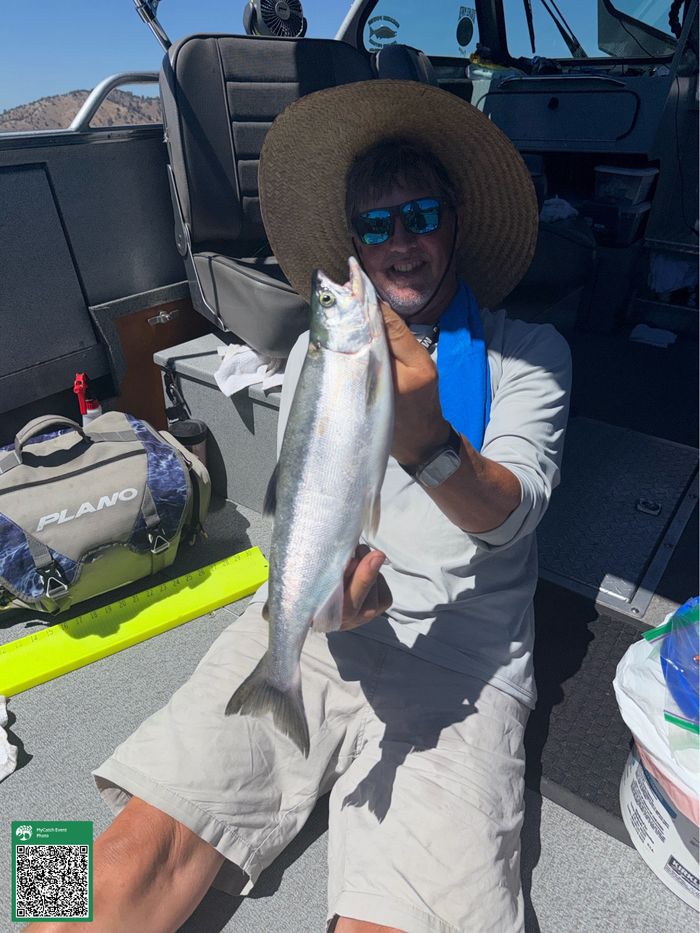
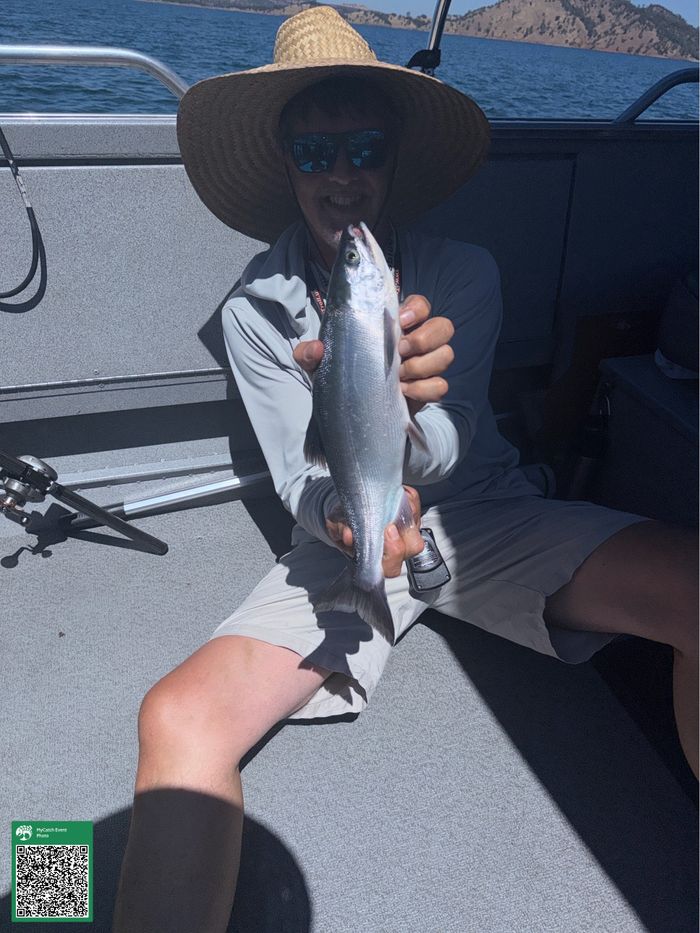
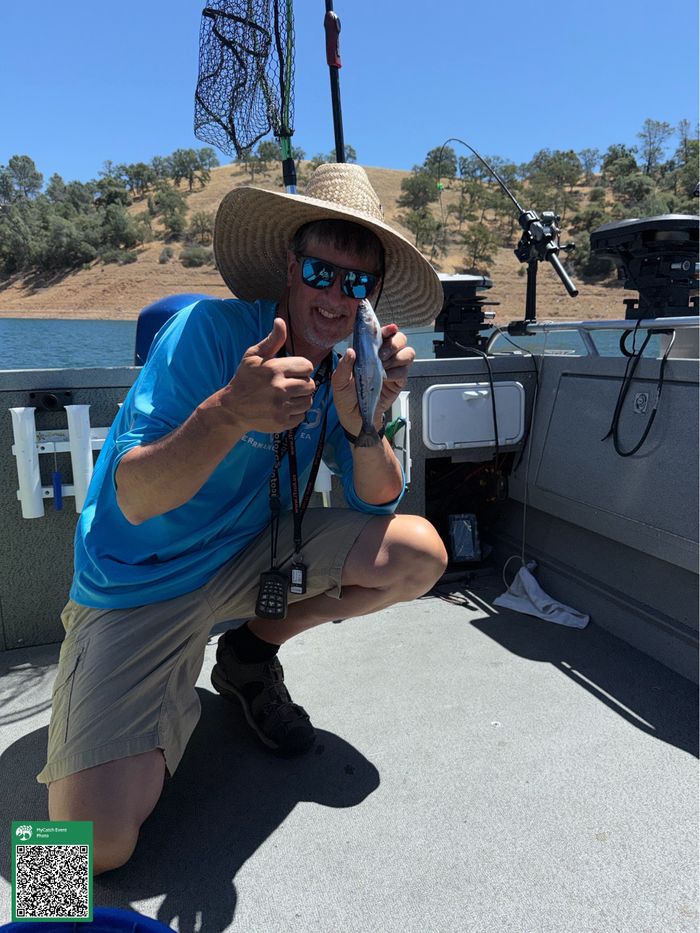
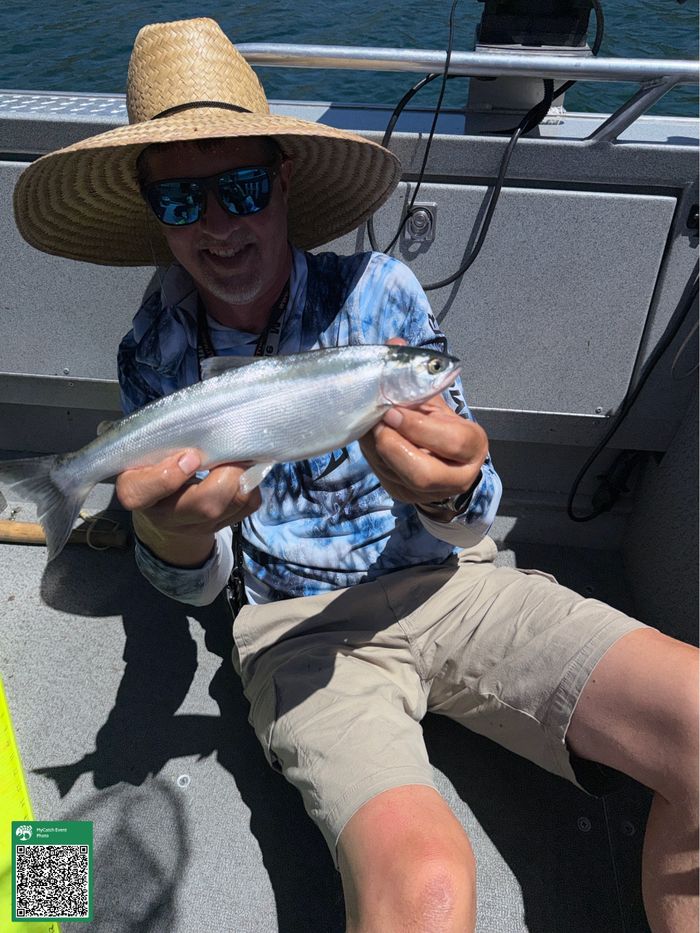
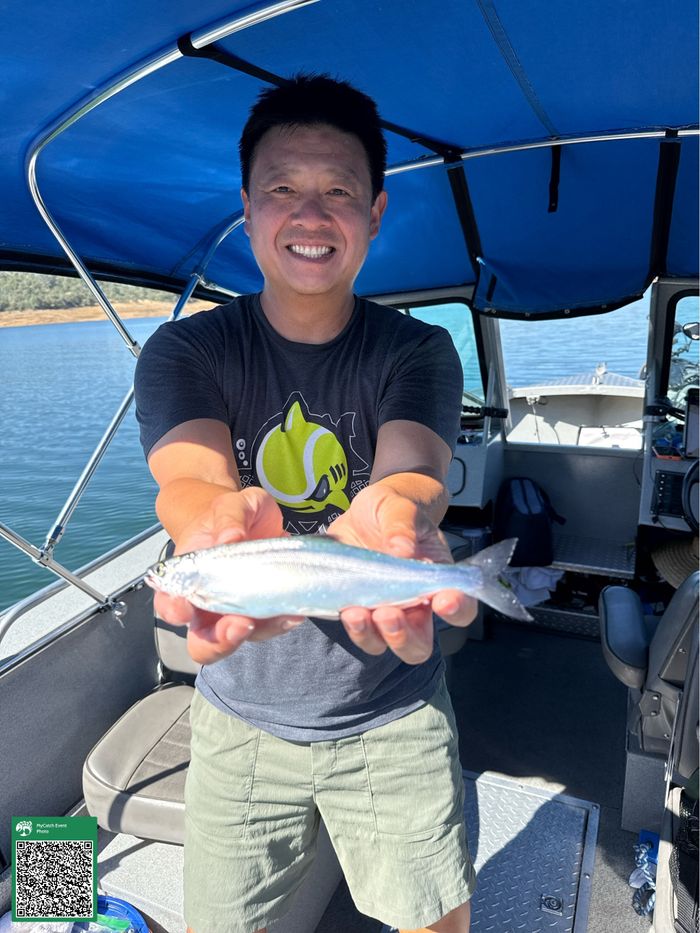
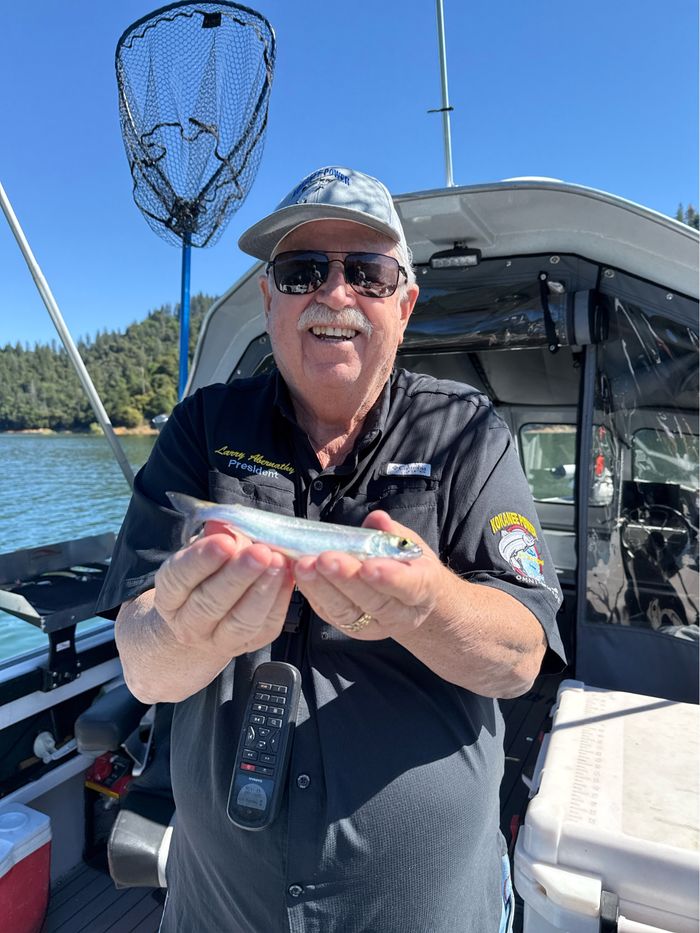
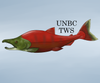
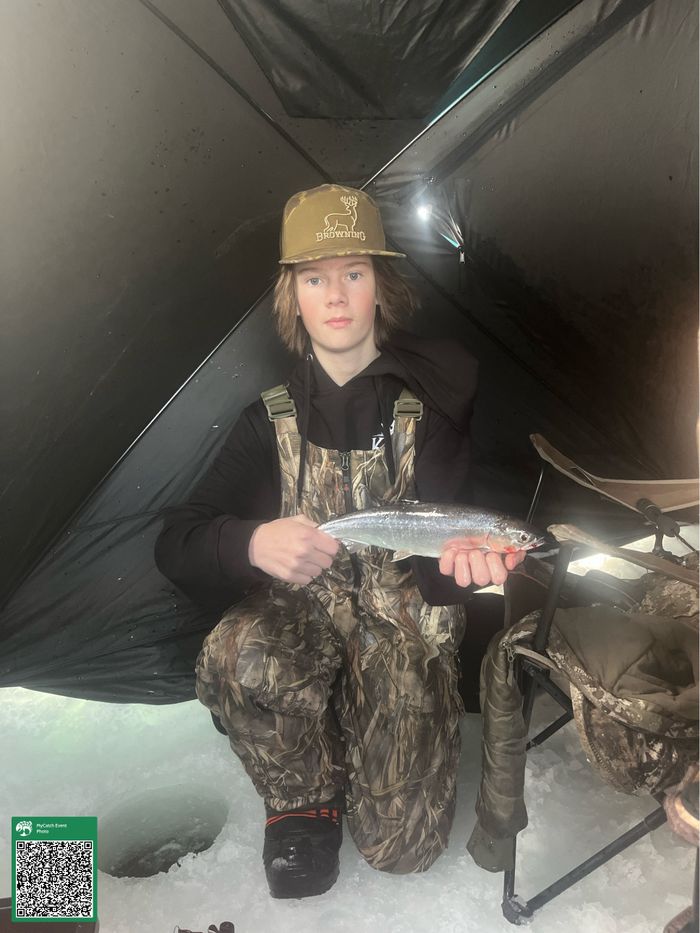
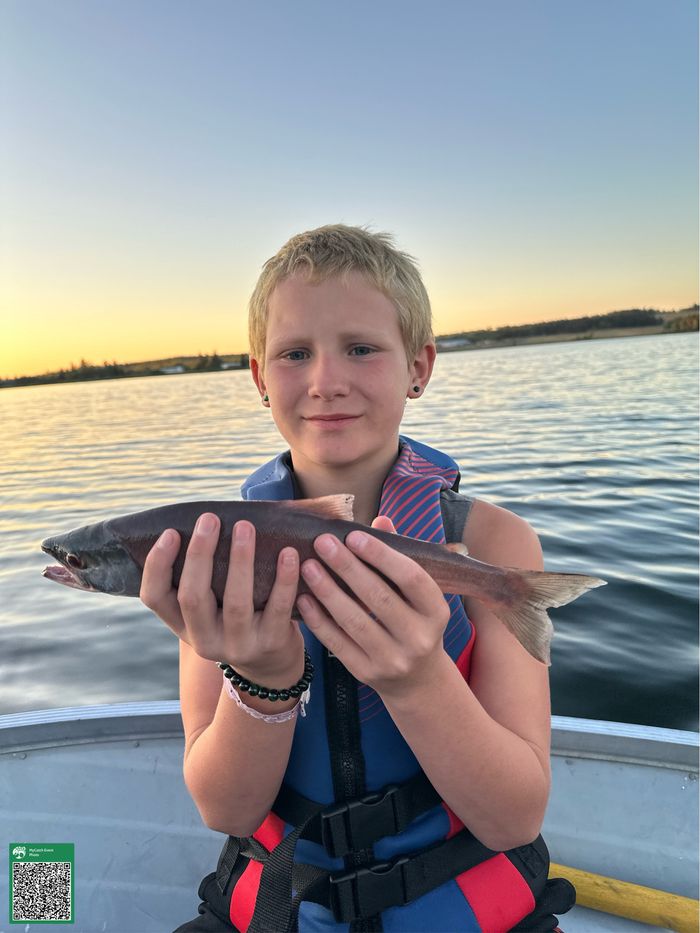
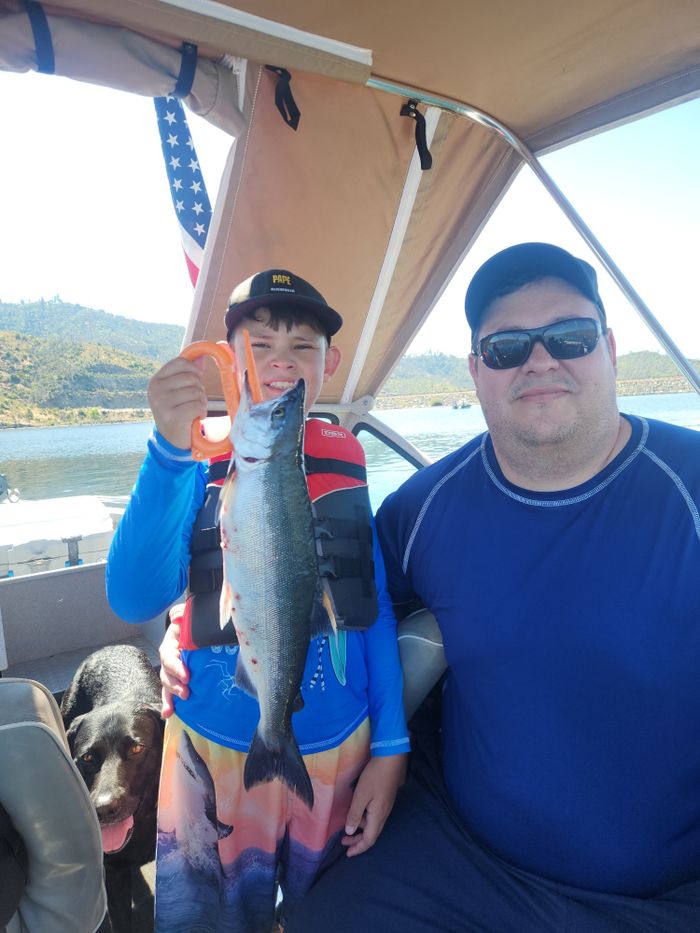
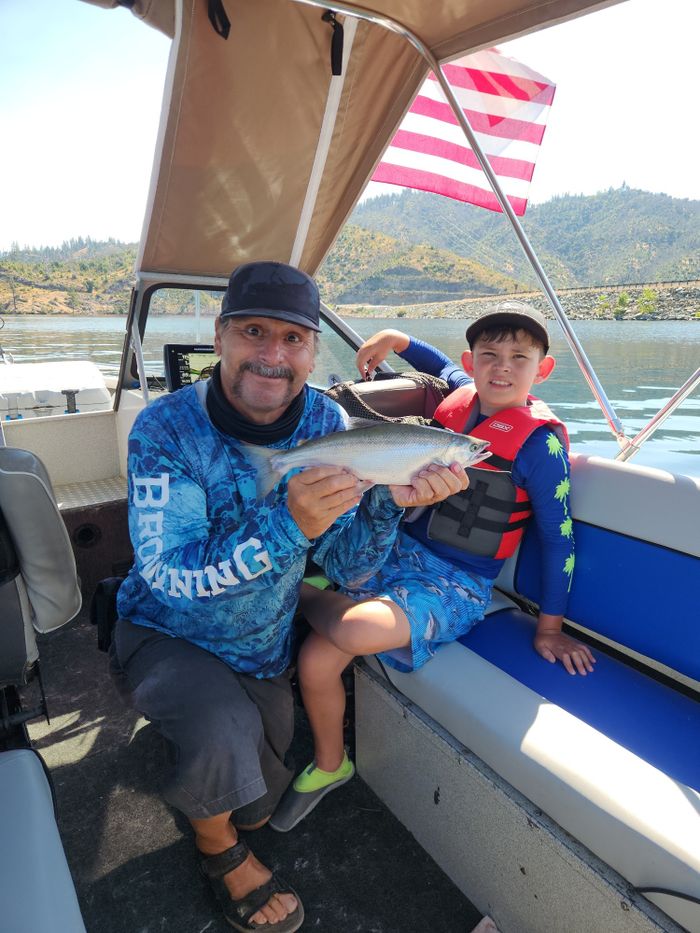
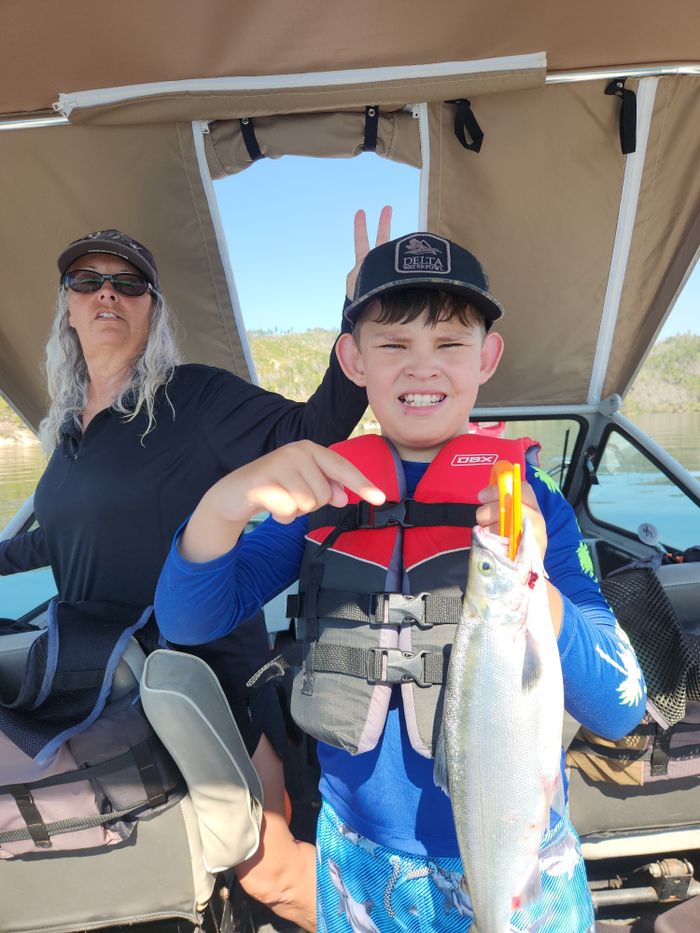
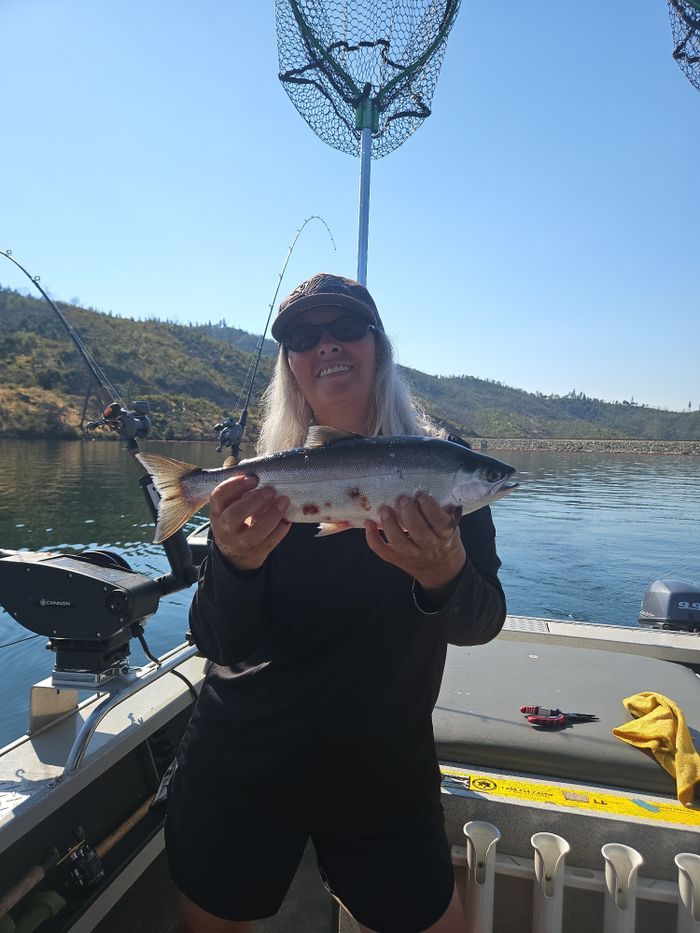
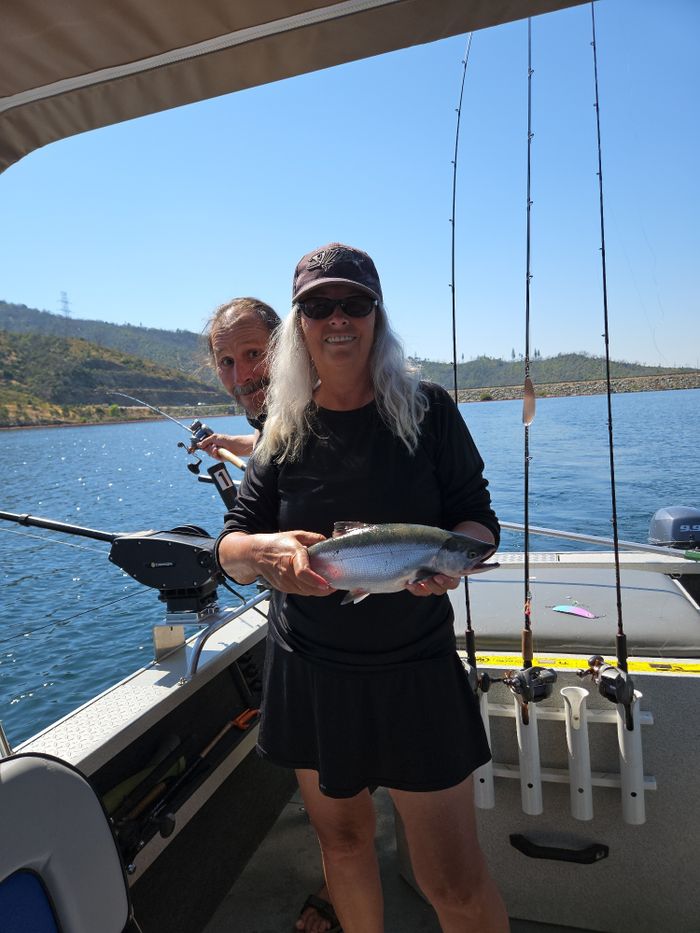
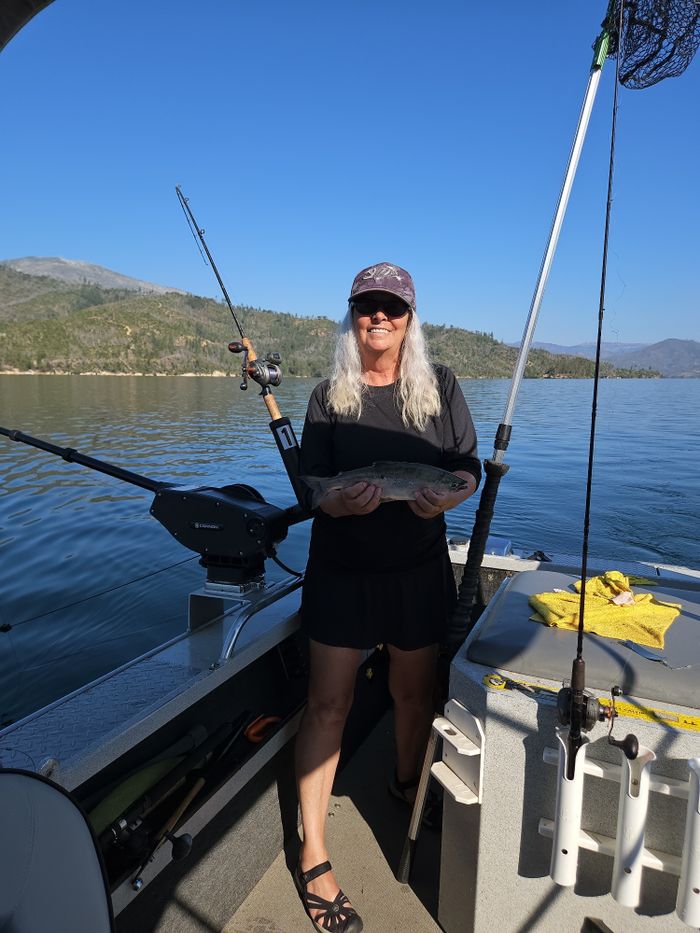
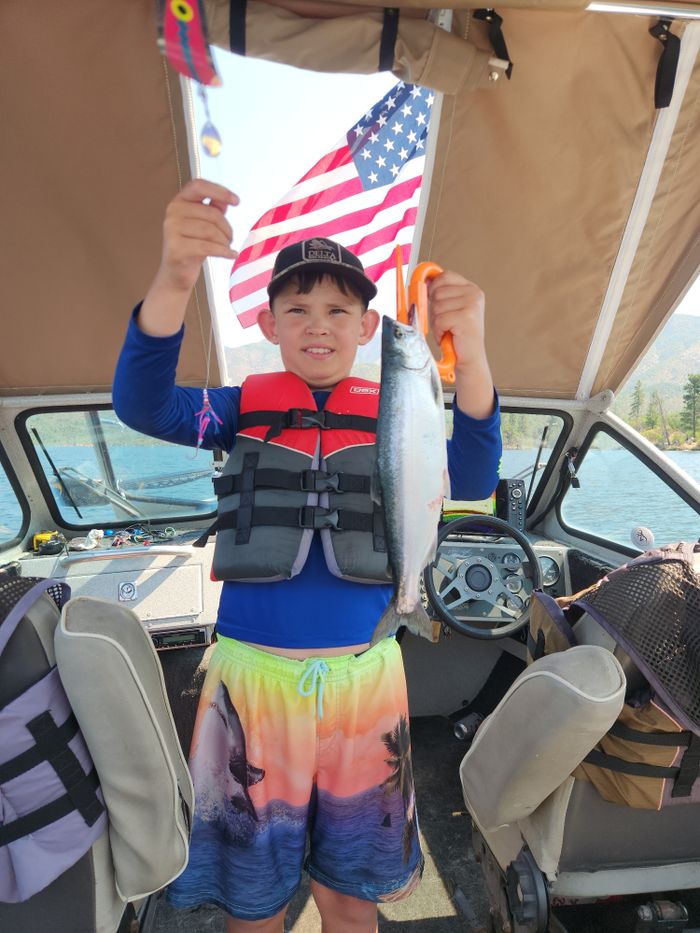
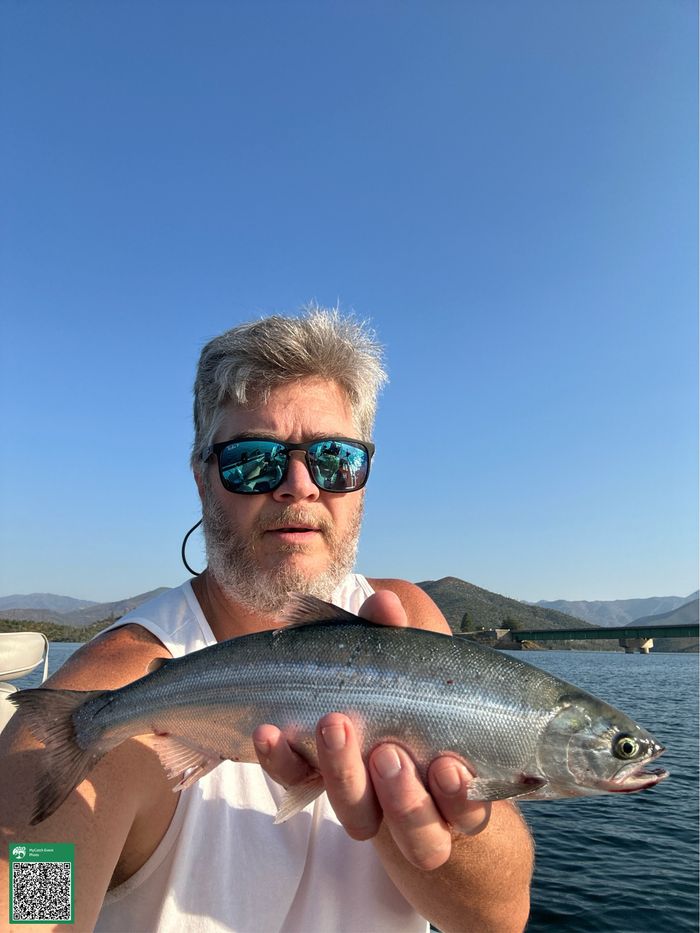
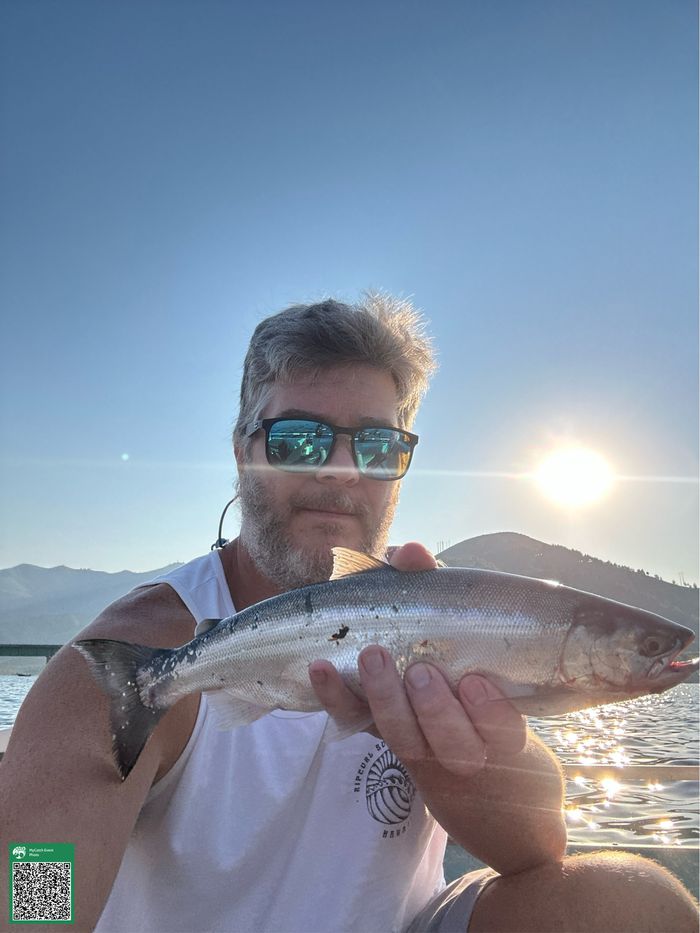
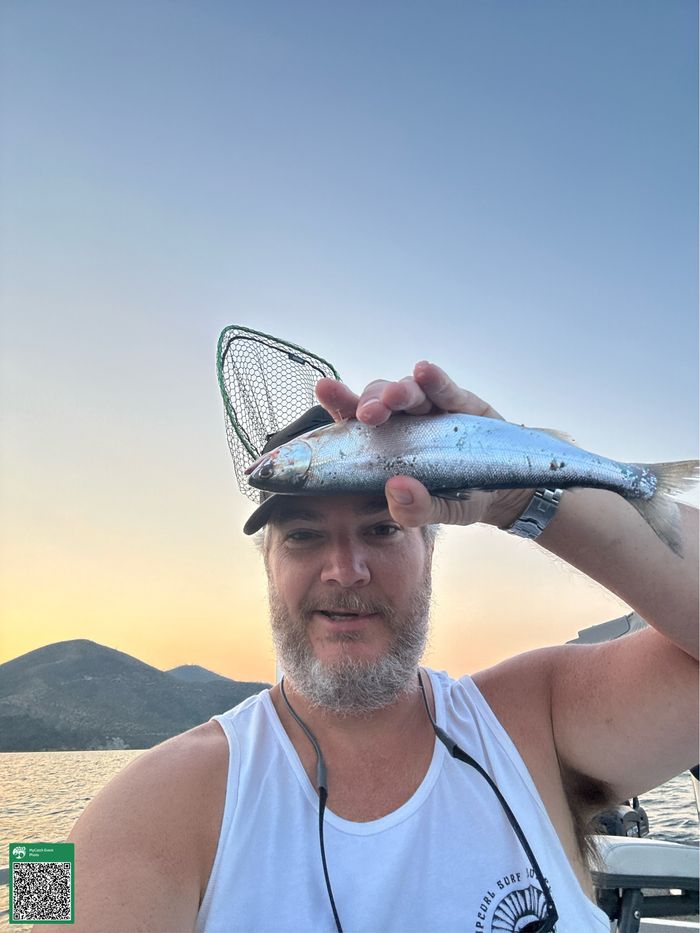
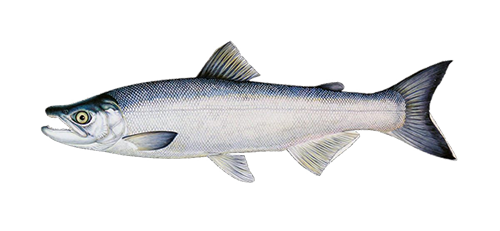
Kokanee are a landlocked form of sockeye salmon found throughout western North America, ranging through parts of Canada and the northern United States. They inhabit cold, clear lakes and reservoirs connected to spawning streams. They mainly eat tiny drifting animals in the water, called zooplankton, which contributes to their bright red coloration during spawning. Kokanee typically reach lengths of 25–38 cm (10–15 inches), though some individuals can grow larger in productive systems. Key identifying features include their slender, torpedo-shaped body, deeply forked tail, and silver body; however, mature adults will develop a bright red body and green head while spawning. Common methods of catching kokanee include trolling with small spoons, spinners, or hoochies, often tipped with bait such as dyed corn, as well as jigging in deeper water. An interesting feature of kokanee is that, unlike anadromous sockeye salmon, they complete their entire life cycle in freshwater. Source: Fish Base (https://www.fishbase.se/summary/Oncorhynchus-nerka.html)