Events
  Places
  Fish
Fish  Research
  Sign in
  New Catch Log
  New Trip Log
 Where is Campbell River?
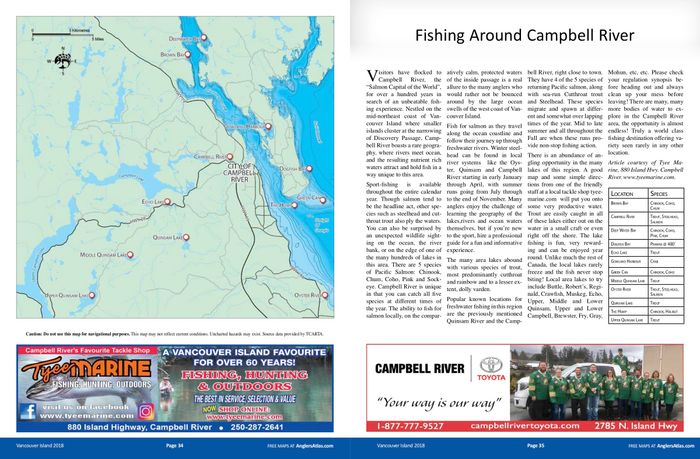
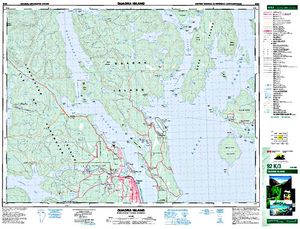
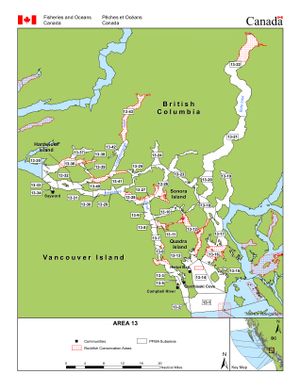
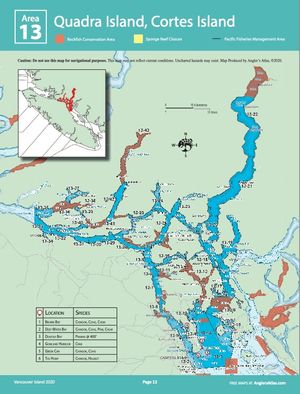
Campbell River (50.0428, -125.2685), located in Vancouver Island Region, Area 13, British Columbia, Canada spans 65.2 hectares (approximately 161 acres or 652114 square meters).
Which fish can I catch at Campbell River?
The most popular species caught here are Pink Salmon, Coho Salmon, and Rainbow Trout. Please use your best judgement when determining where you can fish, and make sure you follow local rules and regulations.
What does Campbell River have?
No one has left markers on Campbell River yet, you can add markers on the map.


Species
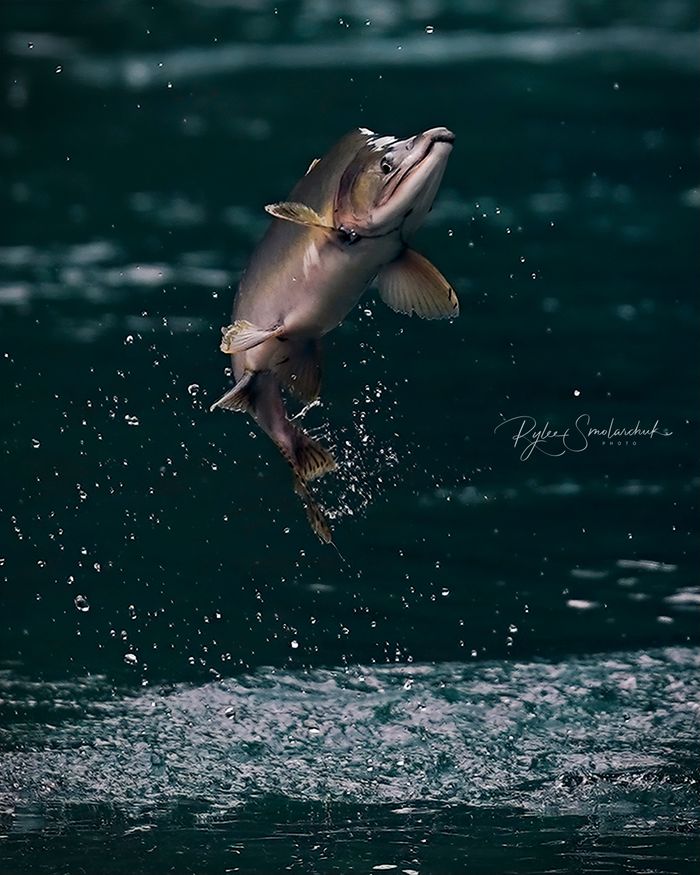
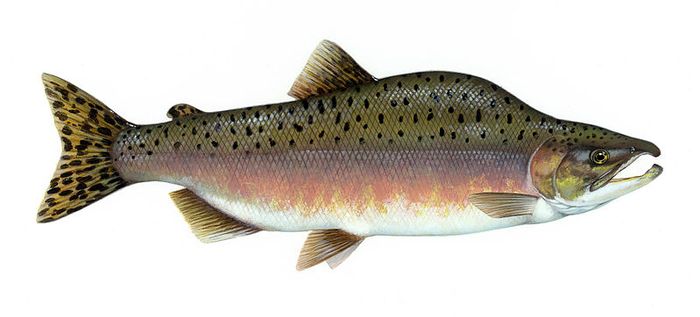
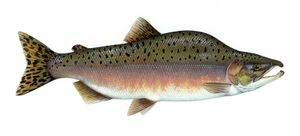 Pink Salmon
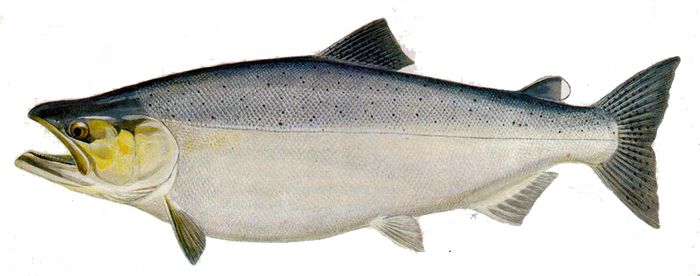
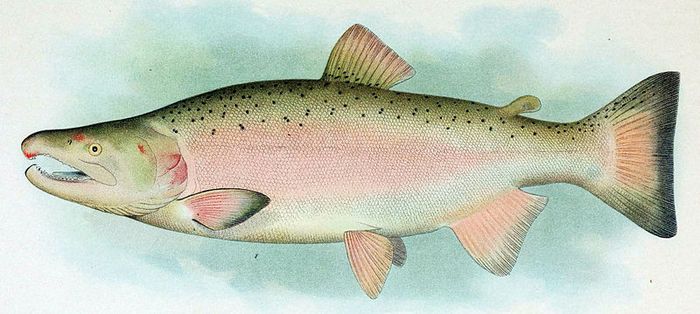
 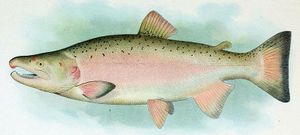 Coho Salmon
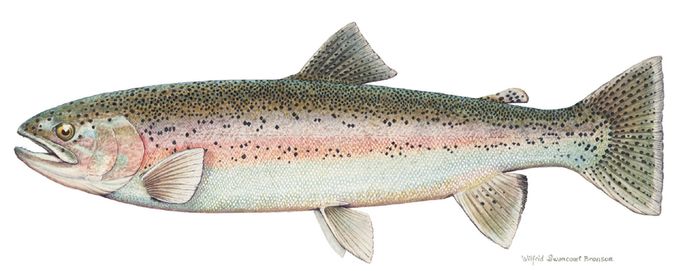
 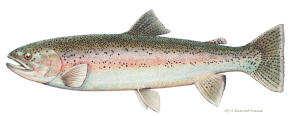 Rainbow Trout
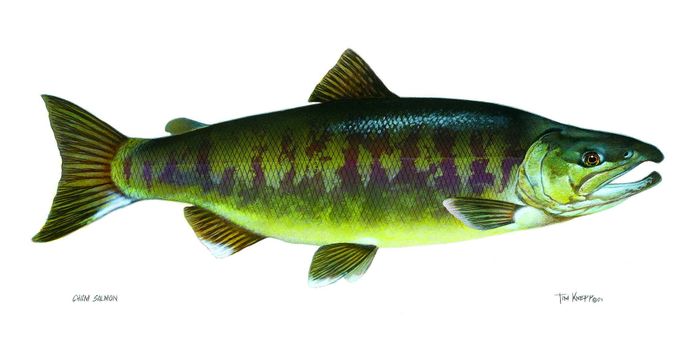
 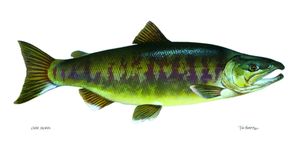 Chum Salmon
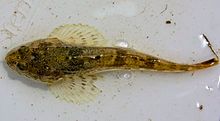
 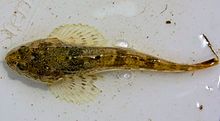 Prickly Sculpin
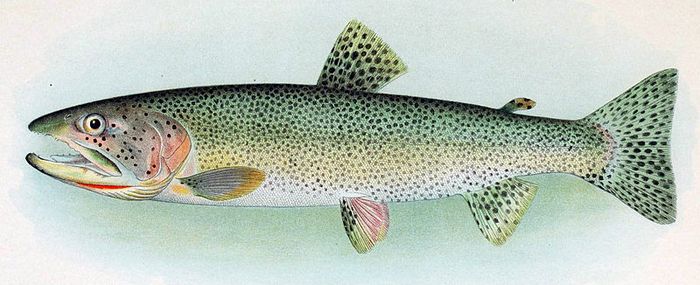
 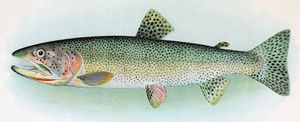 Cutthroat Trout
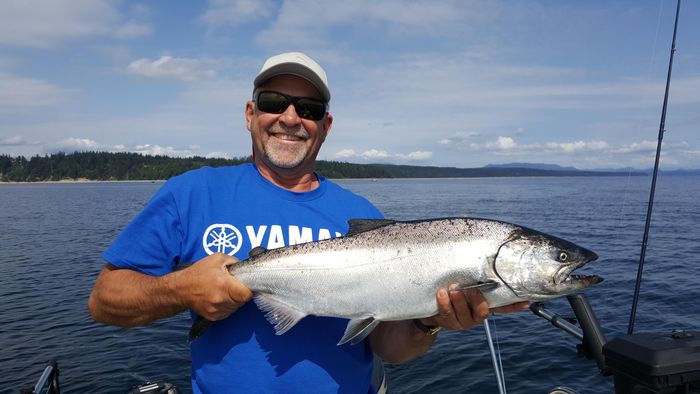
 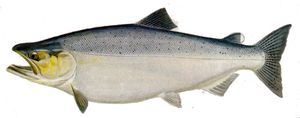 Chinook Salmon
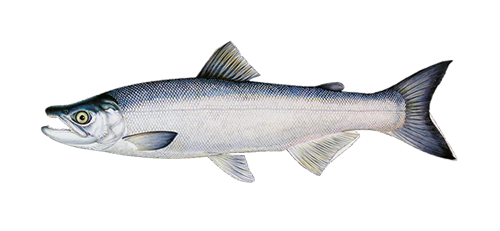
 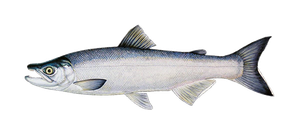 Kokanee
 About Campbell River
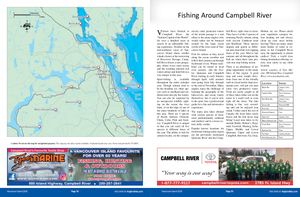
Campbell River is known as the Salmon Capital for the abundance of salmon fishing opportunities. But the area also offers other fishing experiences as well, from catching crab in Menzes Bay to prawning east of Wilby Shoals. Dan Drover, manager at River Sportsman, has revealed several hot spots around Campbell River for us to showcase in this edition of Angler’s Atlas, and then backed it up with great tips for each place.
CRABBING
Two great places to catch crab are Menzes Bay and Gowlland Harbour. “Typically people crab from 30 to 70 feet of water, and at any tide,” says Drover. He suggests traps stay out for at least three hours, with some people leaving them out up to 12 hours. When setting crab traps, typically meat is the best. “Most people will use old salmon heads, salmon guts, things like that, but we do sell pellet and catfood.”
PLUMPER BAY
North of town lies Plumper Bay, a popular spot for sockeye, pink and chum. “The pinks will start coming through around July 15 to September 1,” says Drover, adding that Chum are around September 15 to November 1. “Typically people would fish downriggers with flashers and hoochies there,” says Drover, suggesting “green flashers with small pink squirt hoochies at roughly 36” leader length from flasher to hoochie.” In years with the sockeye run, they will typically be around the month of August.
NEAR THE CITY
The chinook run right past the city in August and can present some amazing fishing right on the town’s doorstep. Drover says to be aware of regulations for this fishery as they have a no flasher zone. To be sure you are fishing within the rules, drop by and talk to someone at River Sportsman and they will clarify the regs and where they apply.
CAPE MUDGE
On the ebb tide, people often fish south to north, running with the tide, beginning at the tip of the point and then pulled along until they are flush with the lighthouse. “Most of the time we want to fish chinooks right off the bottom. The rule of thumb is if you are in 190 feet of water you fish 180 feet deep,” says Drover. “It’s not uncommon for people to do what we call ‘bottomming up’. Drop your cannonball, hit bottom and then bring it up ten feet.”
THE HUMP
The Hump can be productive on either tide, but can be difficult to fish due to the extreme currents. “Fishing deep we recommend 15 pound cannonballs minimum,” says Drover. “The tide can really dog you out there so it’s really important to fish a lot of lead. [That way] you don’t have to worry about downrigger line getting pushed into props or rubbing against your boat.”
GREEN CAN
On the east side of Wilby Shoal, just past the green can, there is a steep drop off, and salmon can hang anywhere from 110 to 200 feet deep. Just beyond the drop off, there is great prawning opportunity. “For prawns, people will hang further off the trough into 330 to 360 feet of water.”
VINER POINT
When the major runs of salmon have come and gone, Viner Point offers more opportunities. “It is a popular spot in the off season [for] feeder chinook,” says Drover.
MORE PLACES
There are many other places around Campbell River to explore. To learn more about these opportunities, drop by River Sportsman and talk to one of the helpful staff on hand.
Lodging and Camping
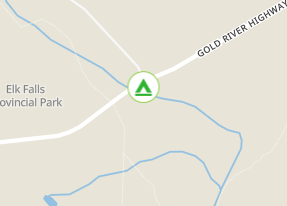
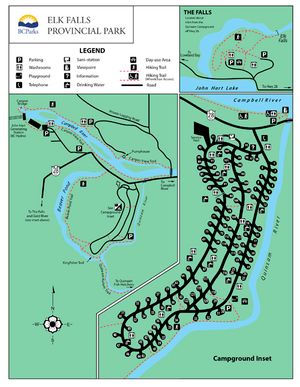
Elk Falls is located on the Campbell and Quinsam Rivers in the heart of a world-renowned fishing area. It is conveniently located minutes from downtown Campbell river. This park is an ideal base camp to enjoy while exploring the region. Elk Falls (Quinsam Campground) is a popular destination campground that provides riverside sites and large well-spaced campsites in a stunning forested setting. Elk Falls has an extensive trail network which features viewing platforms at the 25-metre Elk Falls and the popular suspension bridge. Park Size: 1,087 hectares WINTER RATES APPLY - Elk Falls open with full services from March 29 to Nov 1 after that, open year round, but no services (water, firewood, security); winter fee in effect.
Mar 29 - Nov 1
3 km north of Campbell River on Highway 28 toward Golden River.