Events
  Places
  Fish
Fish  Research
  Sign in
  New Catch Log
  New Trip Log
 Chinook Salmon
Oncorhynchus tshawytscha
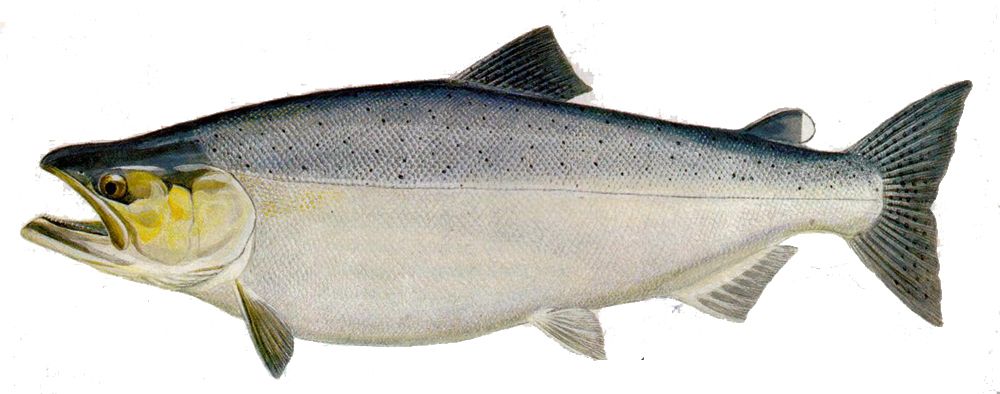
Chinook Salmon
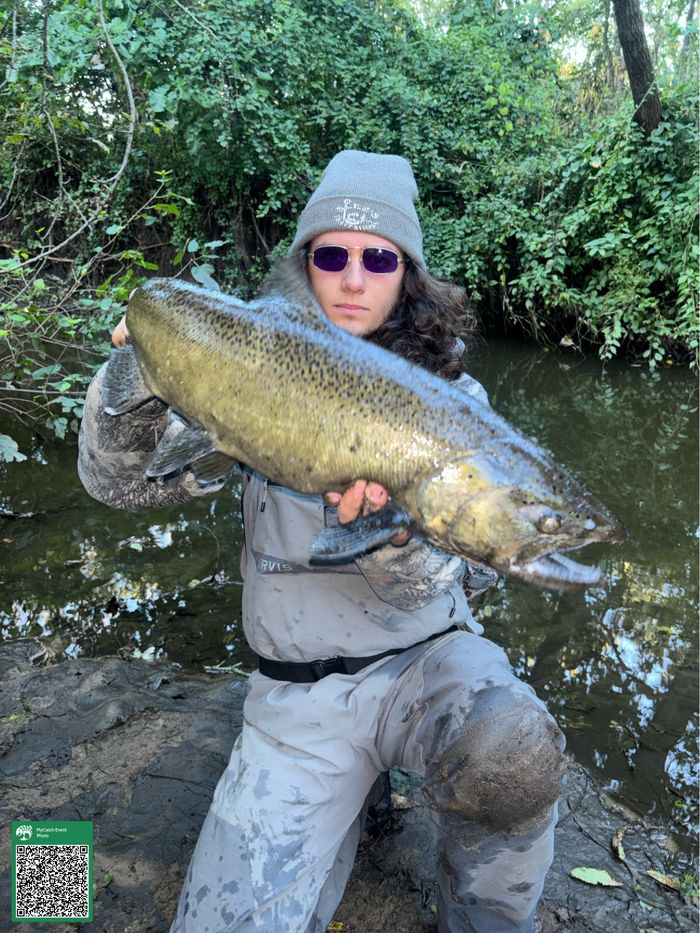
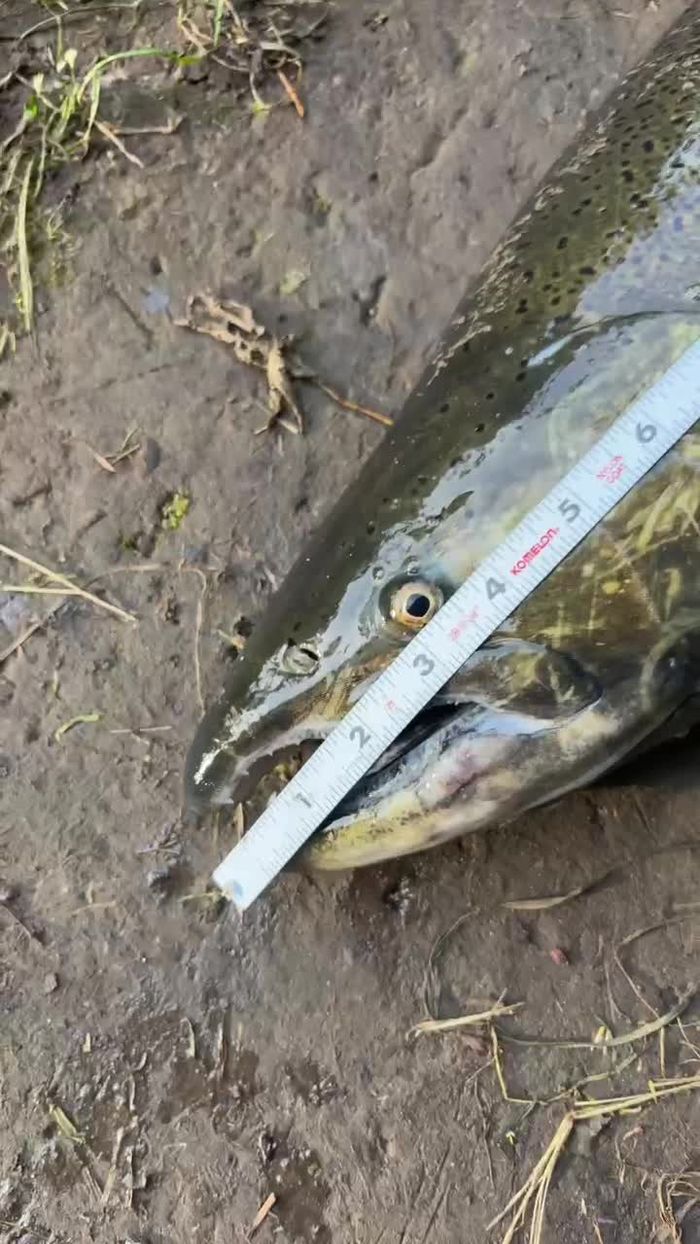
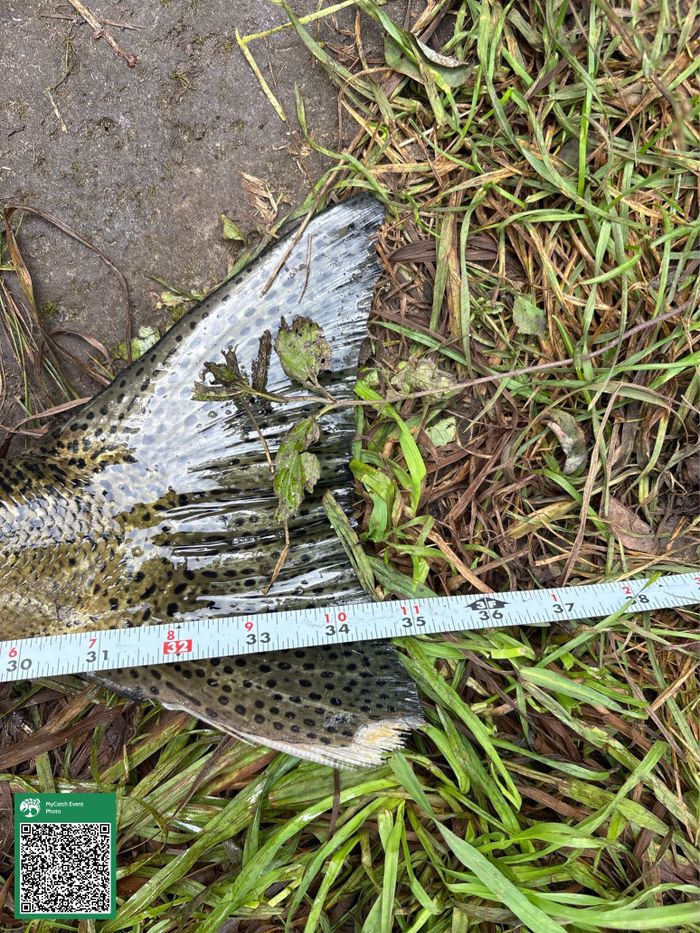
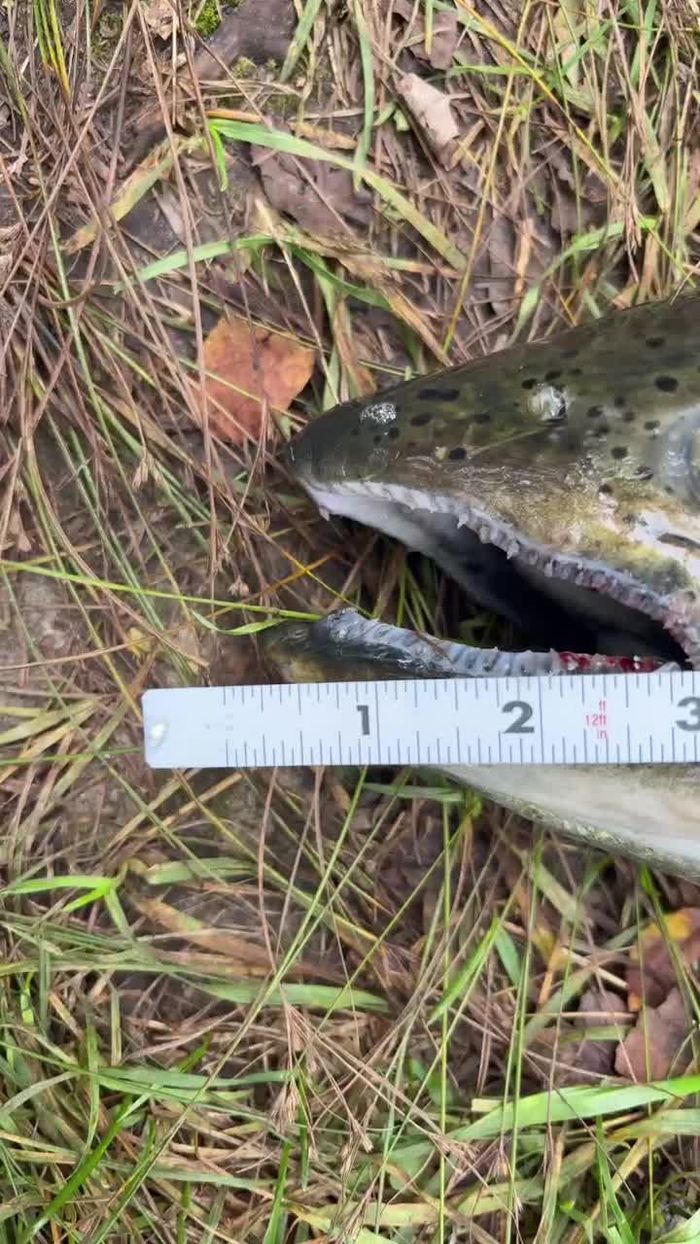
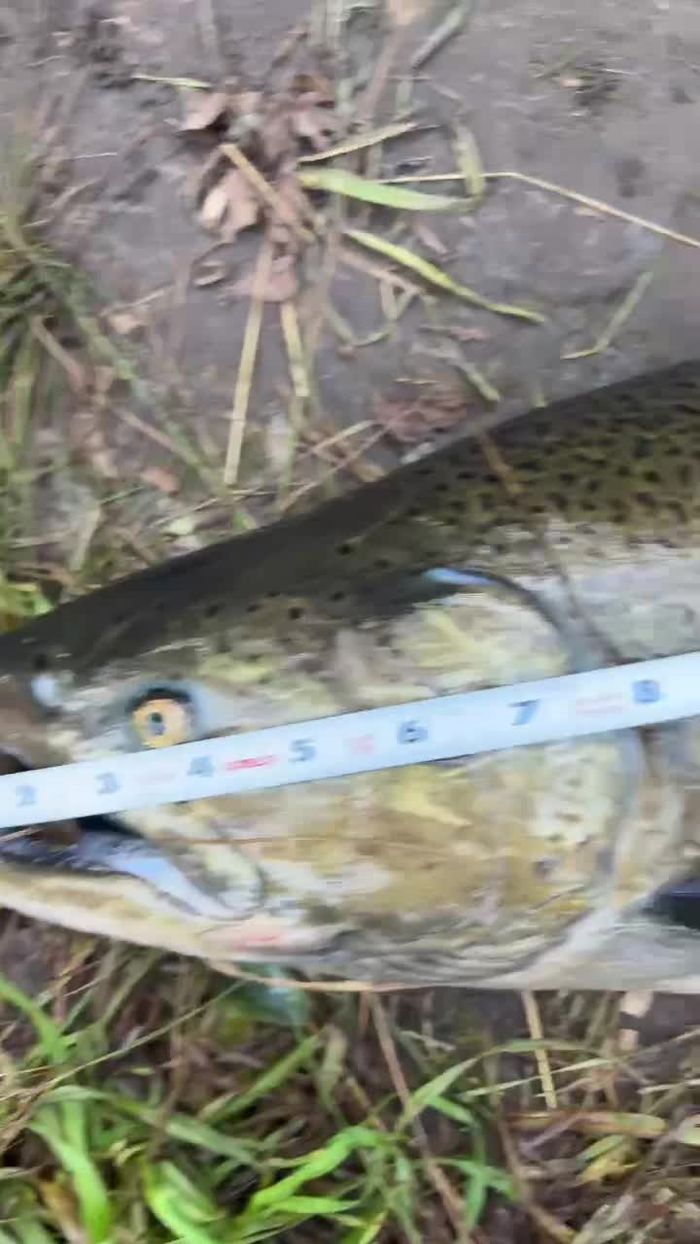
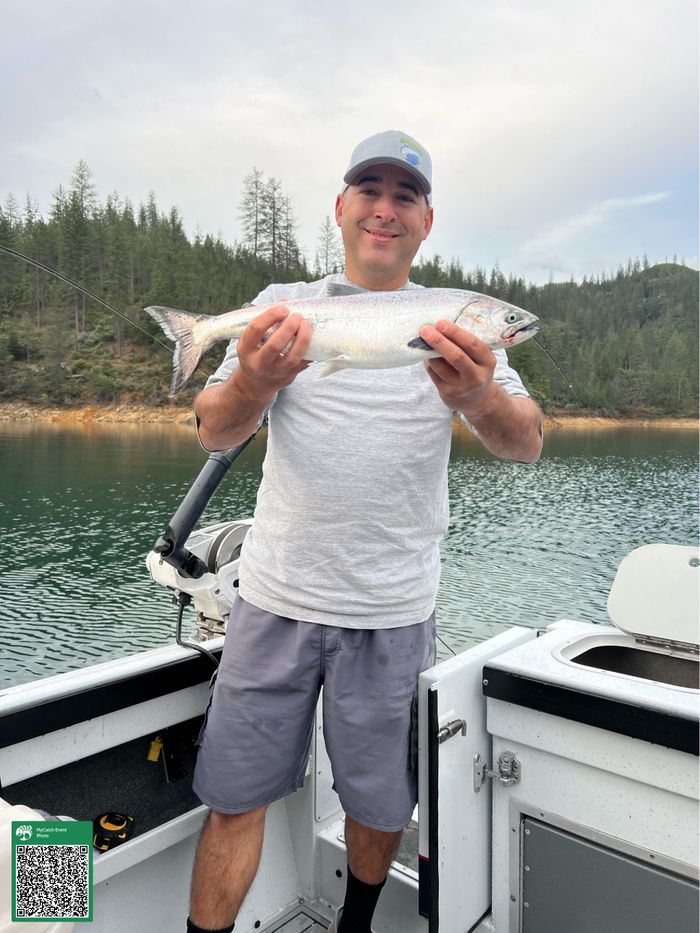
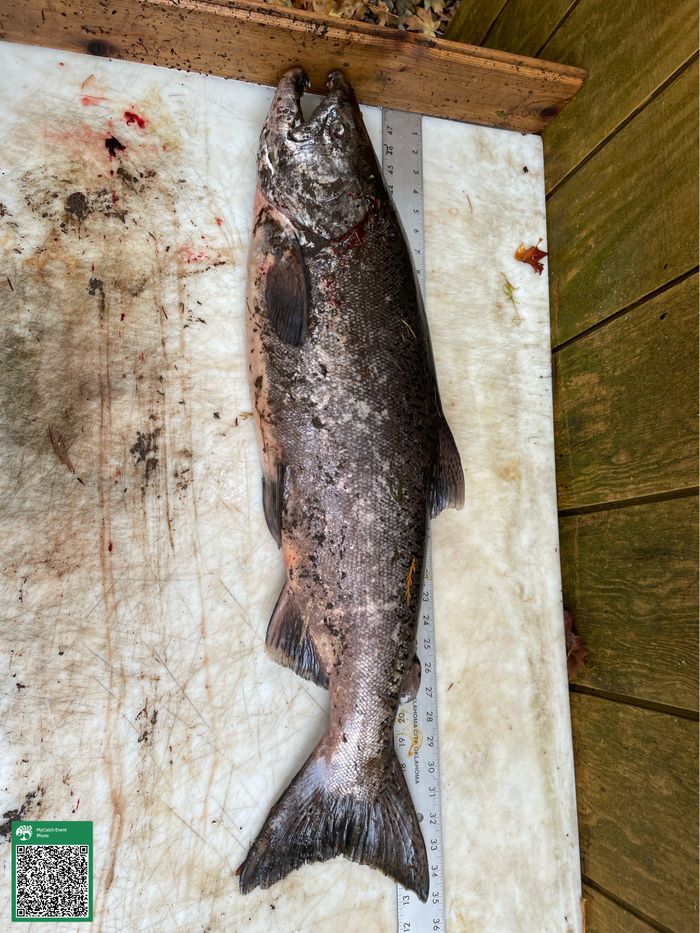
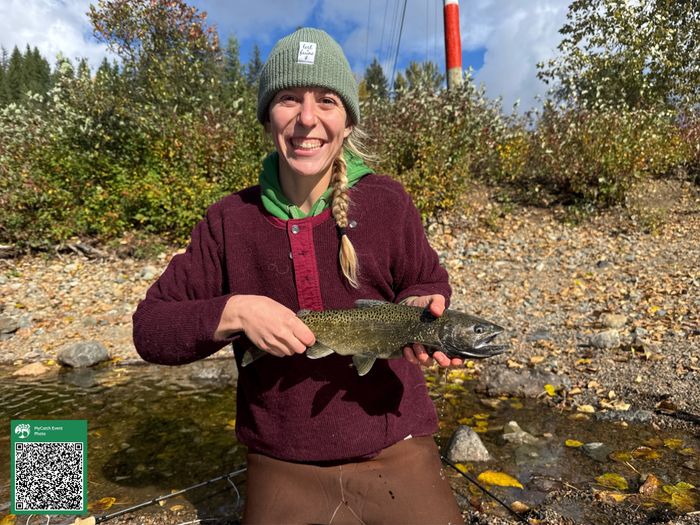
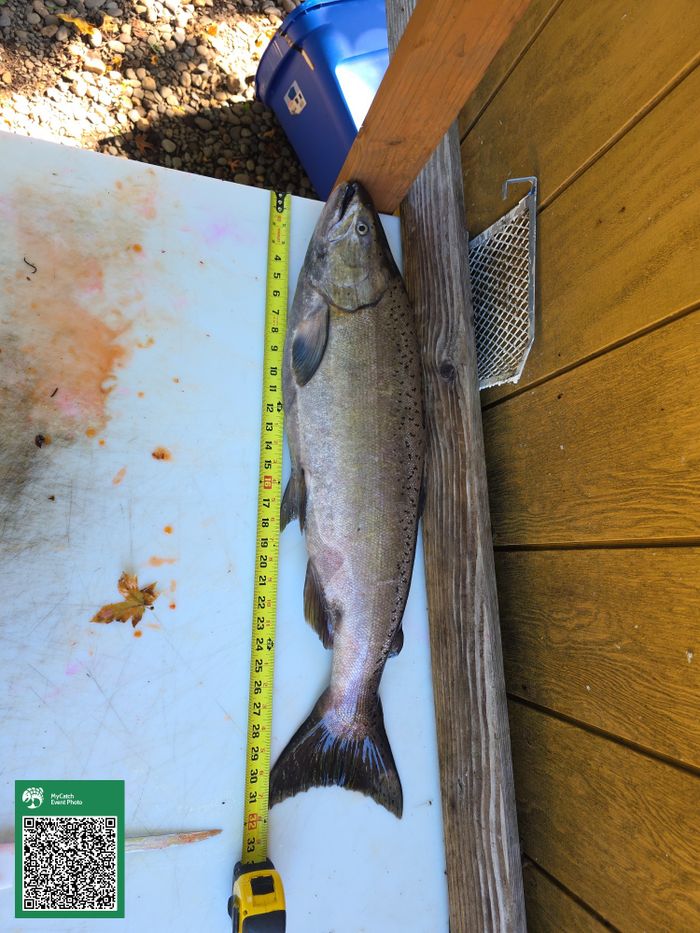
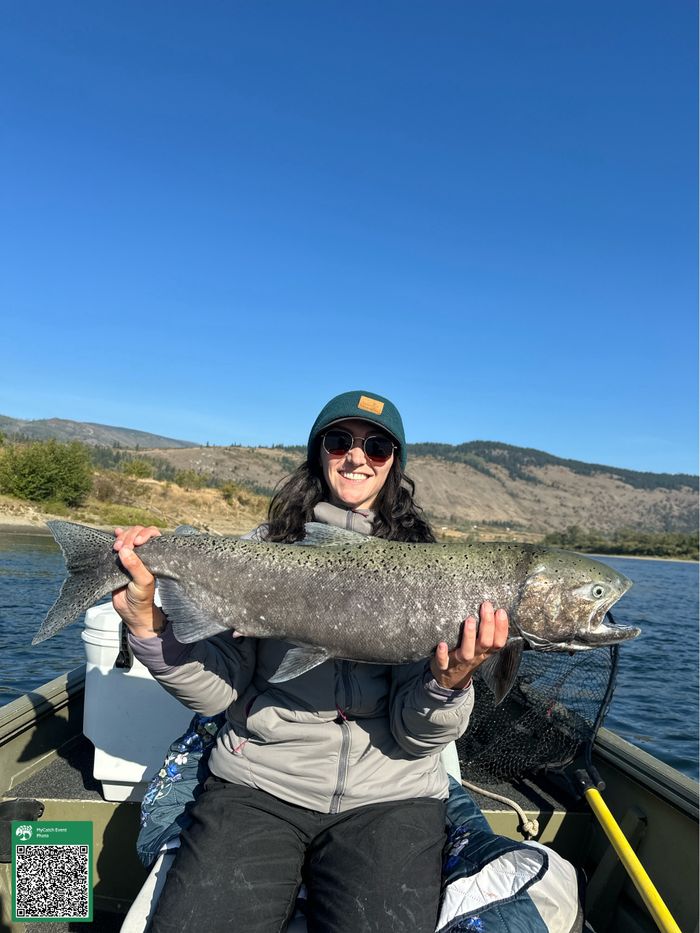
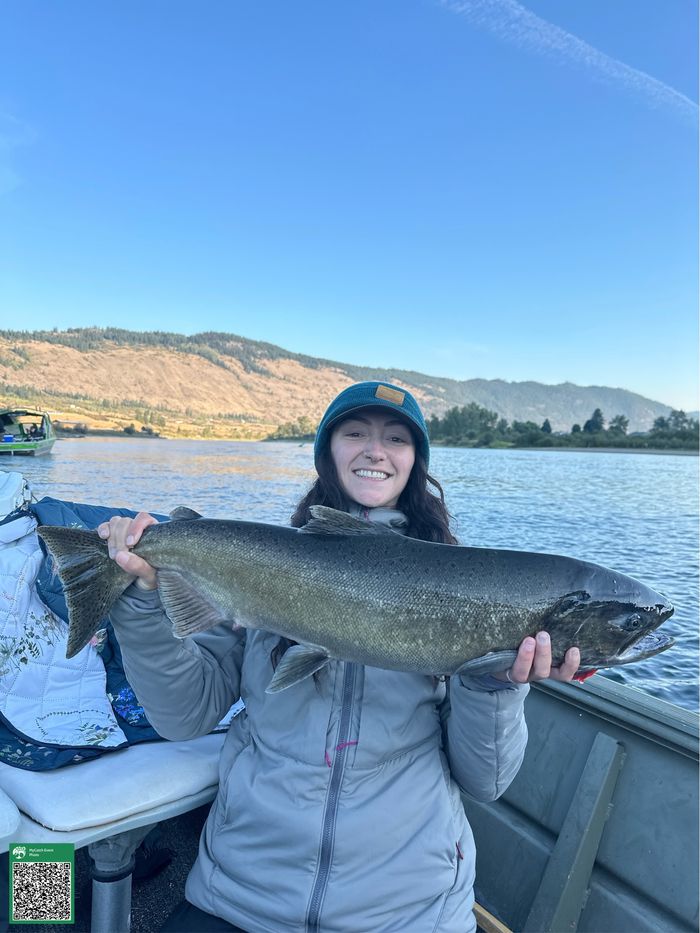
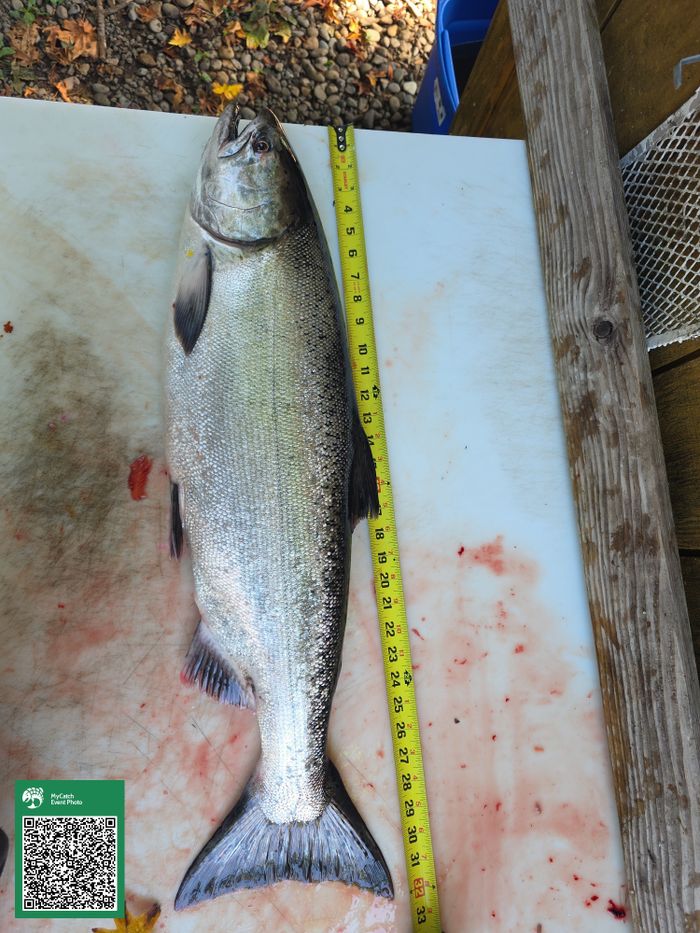
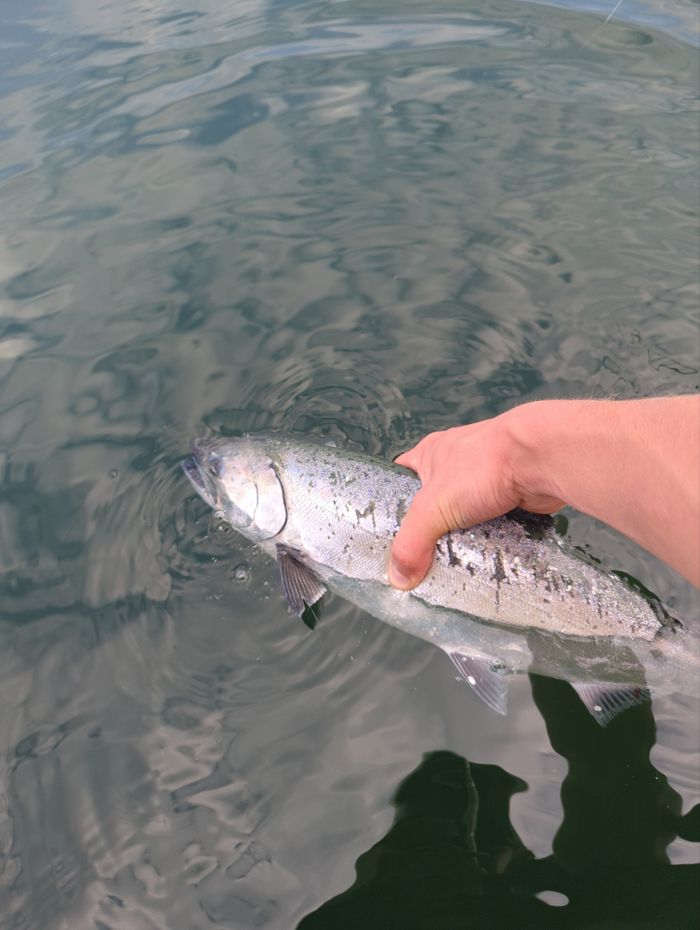
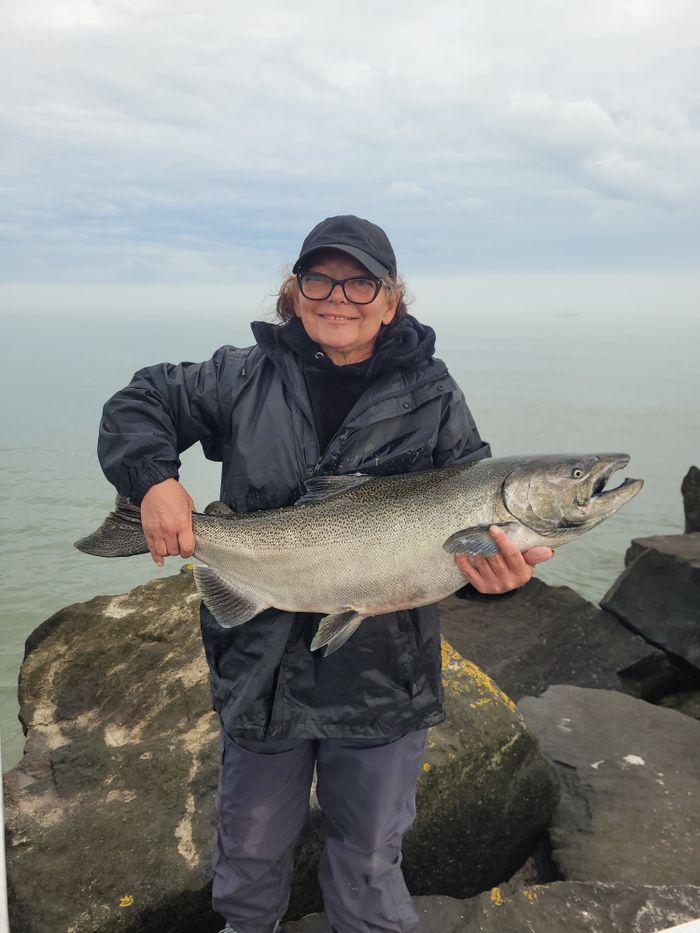
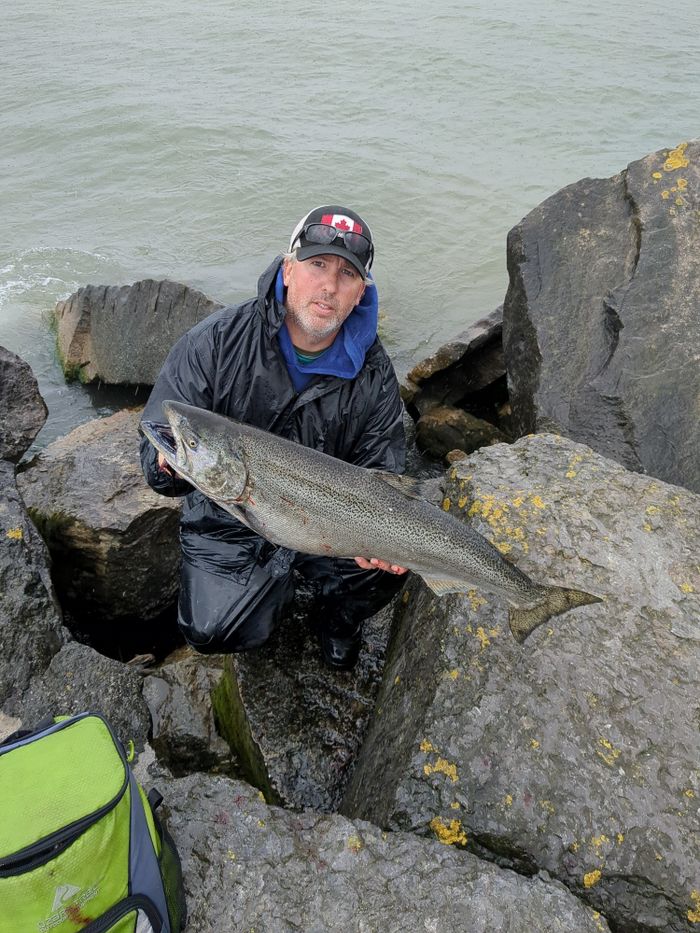
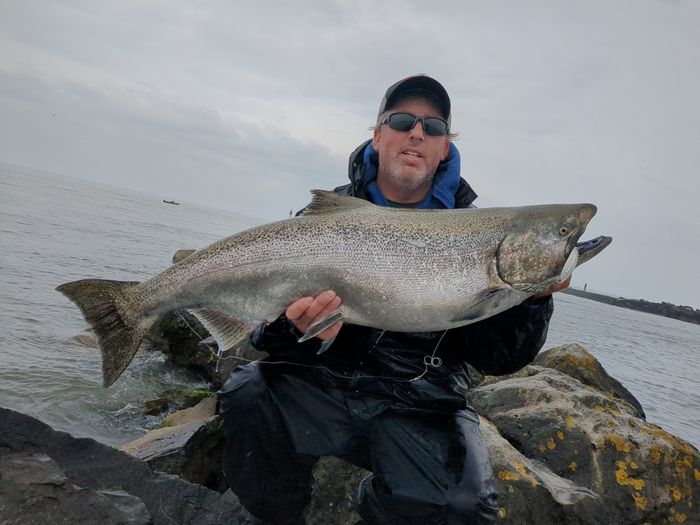
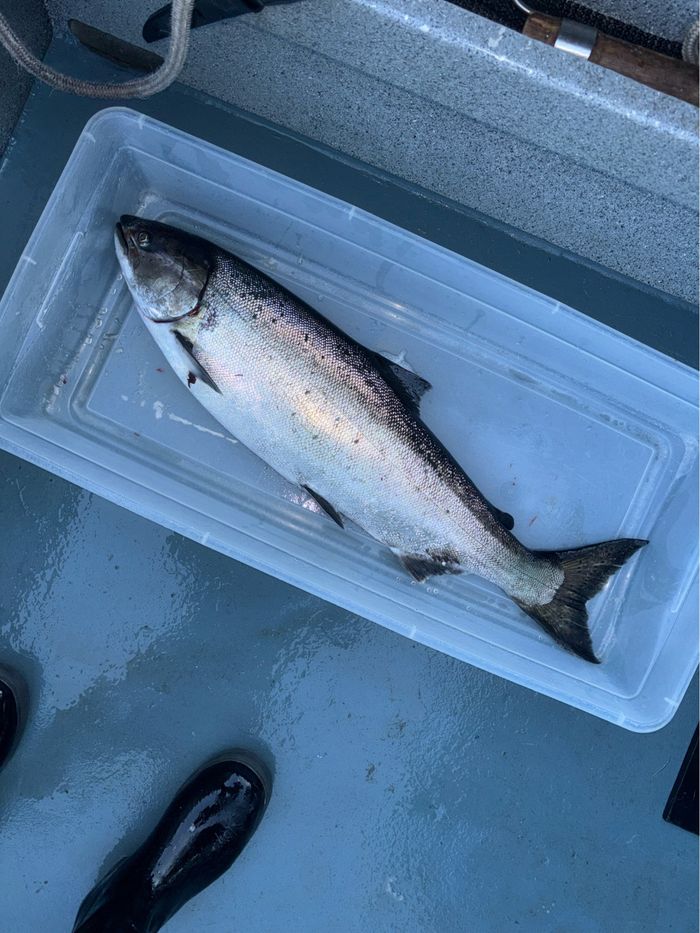
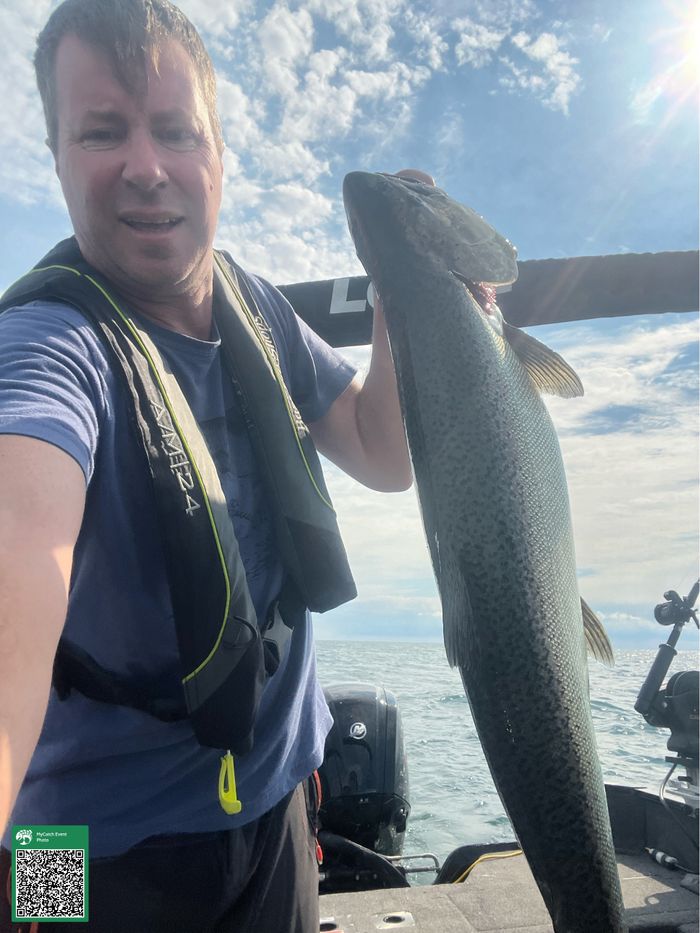
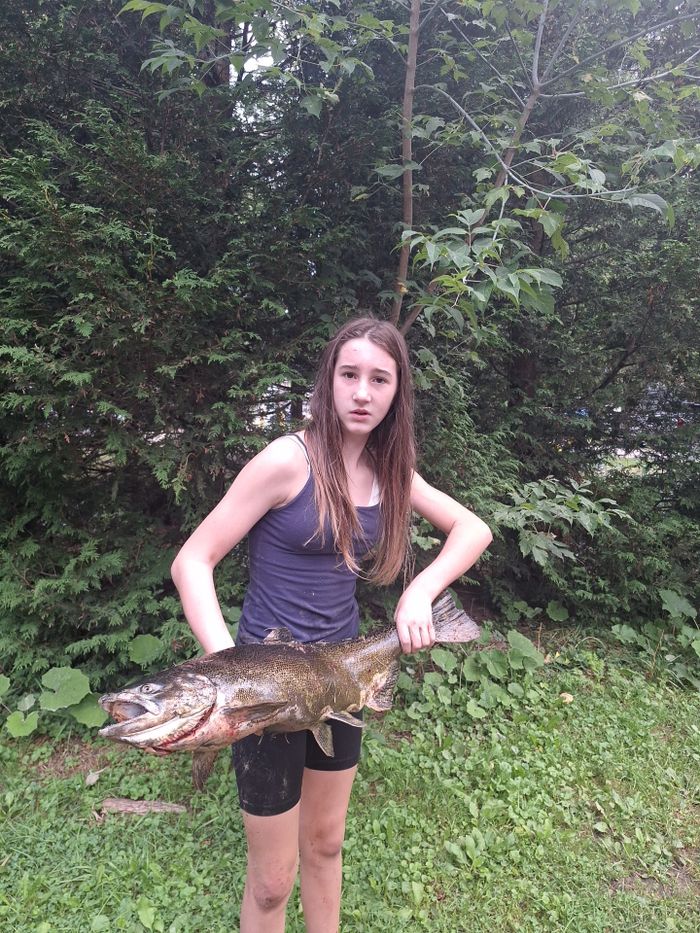
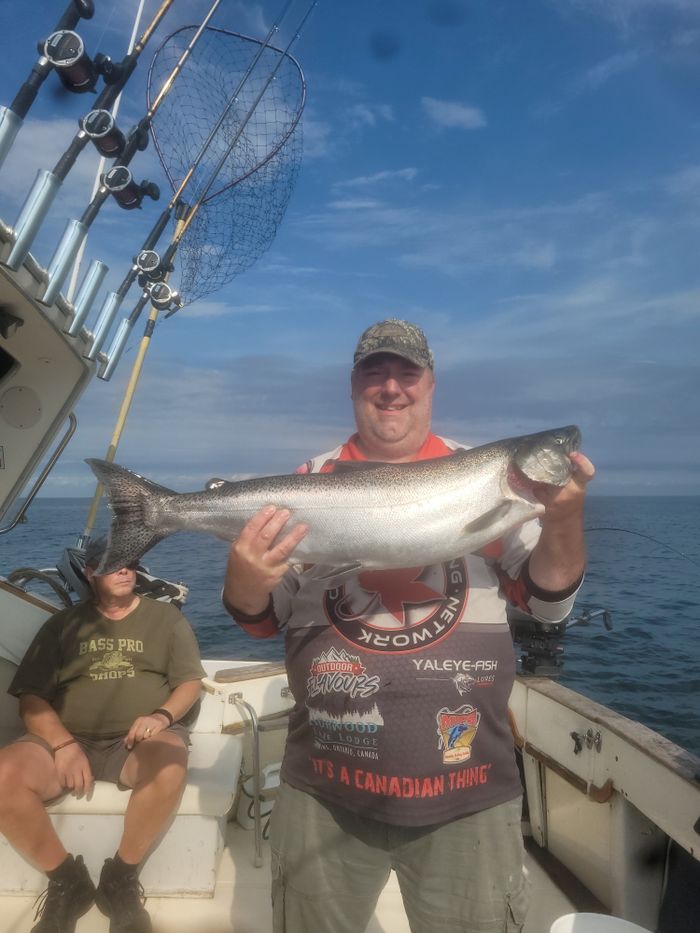
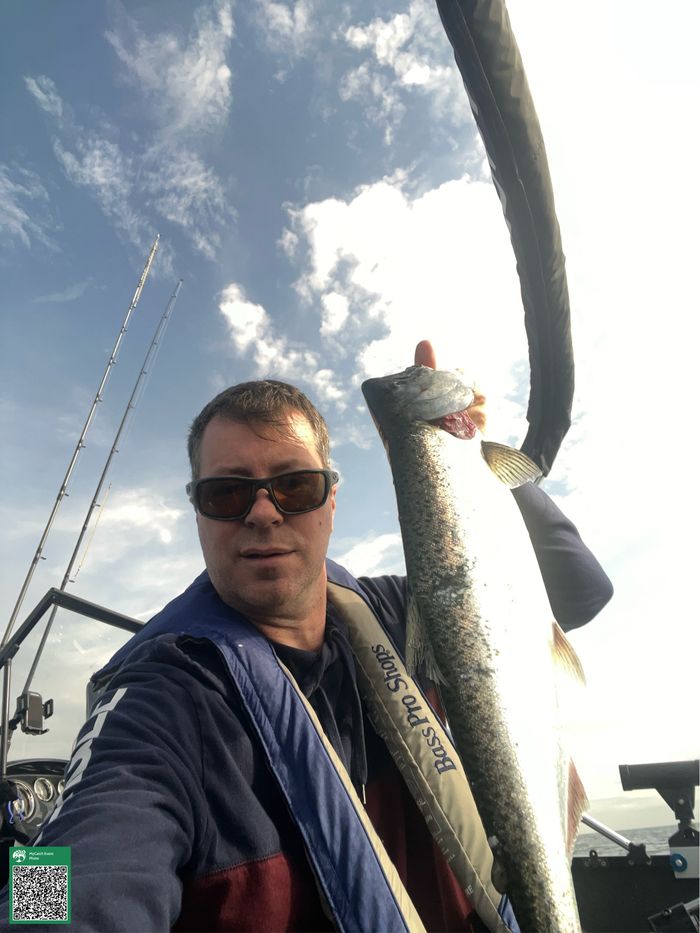
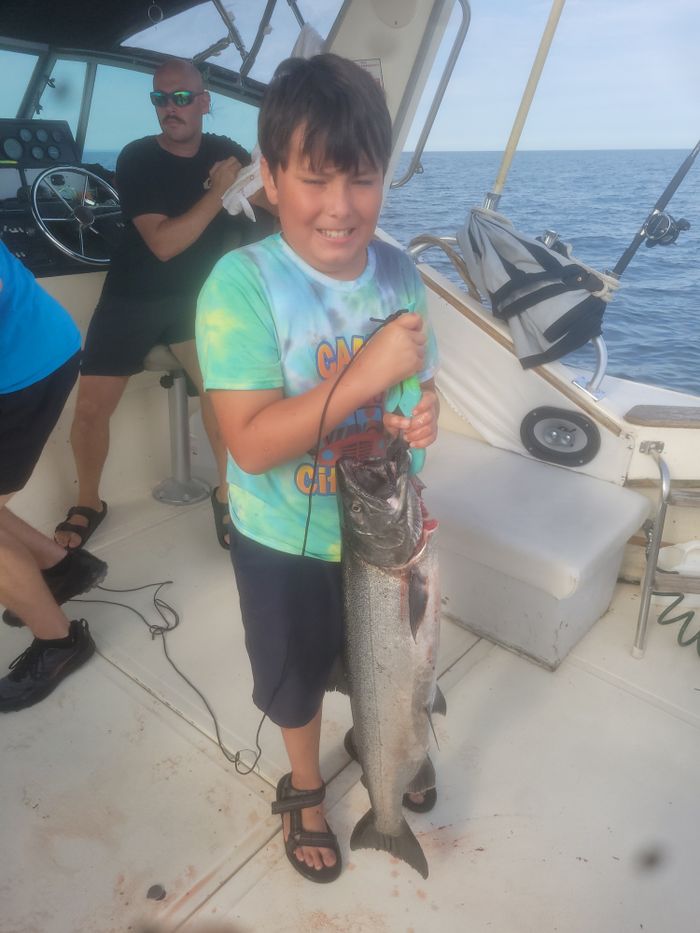
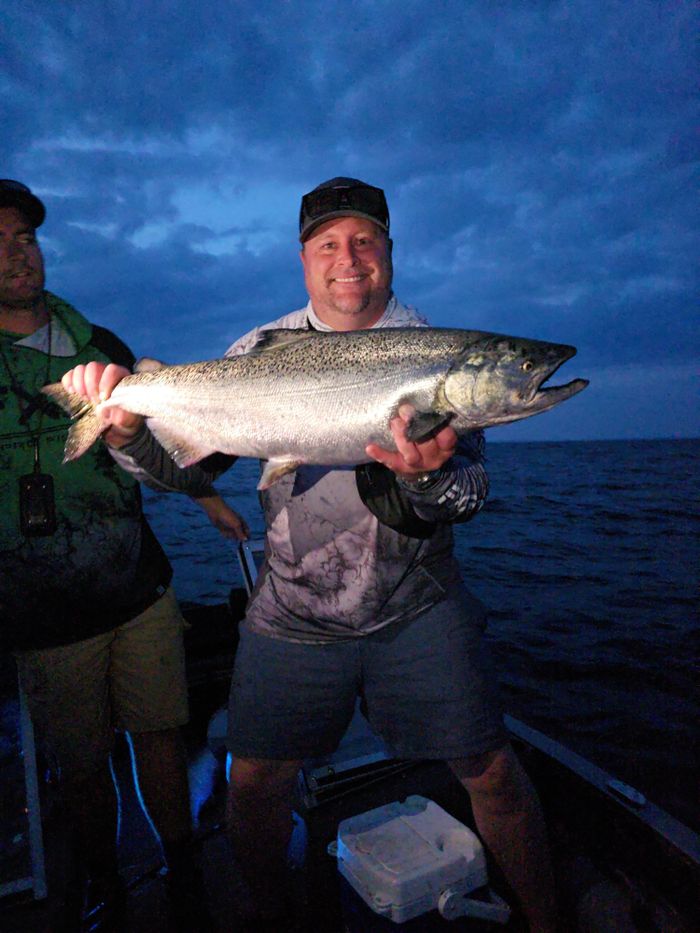
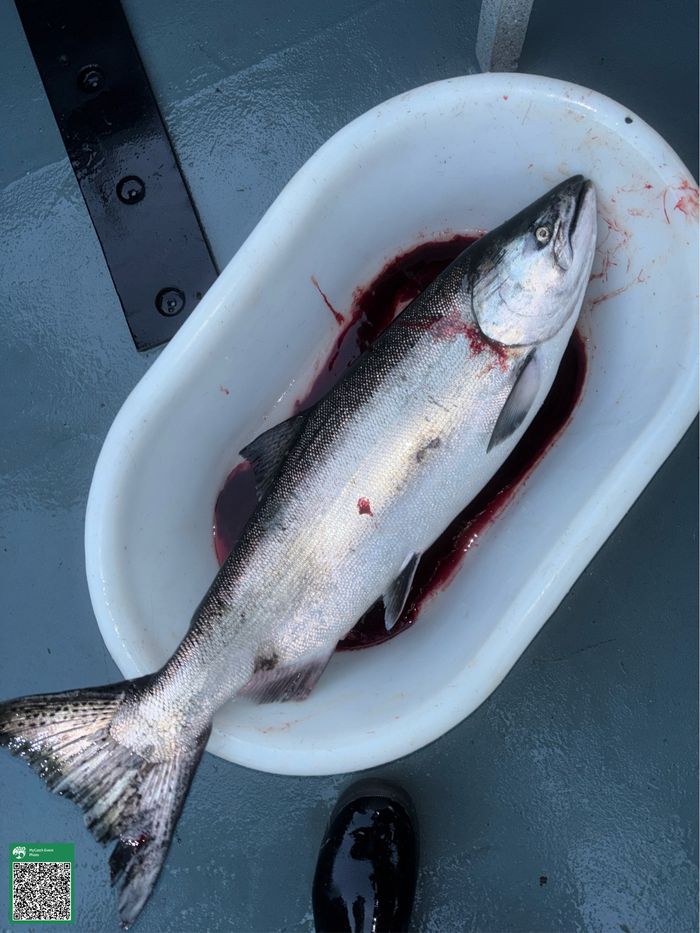
The Chinook Salmon ranges widely along the coasts of Alaska, western Canada, Oregon, Washington, Idaho state, and northern California. It has also been introduced into the Great Lakes and multiple other regions. Outside of North America, they are found in Russian and Japanese waters. The Chinook Salmon is anadromous, meaning they are born in freshwater rivers or streams eventually moving into the open saltwater oceans to reach adulthood. Freshwater streams and rivers they inhabit are normally cobble or gravel bedded with lots of riffles and pools. Chinook Salmon feed on insects, larvae, crustaceans, and amphipods, and adults will also consume other fish. Commonly referred to as “King salmon,” this species is the largest of the salmonids, growing to an average of 3 feet (0.9m) and roughly 30lbs (13kg). Chinook salmon have two morphs, breeding and non-breeding, which are seasonally dependent. One easily recognizable feature is the black gumline, present year-round. Breeding adults are olive brown to purple, gaining a red tint to the belly and tail, while non-breeding adults are silvery with black spots on the upper body and entire tail fin. Source: National Wildlife Federation (https://www.nwf.org/Educational-Resources/Wildlife-Guide/Fish/Chinook-Salmon)