Events
  Places
  Fish
Fish  Research
  Sign in
  New Catch Log
  New Trip Log
 Chum Salmon
Oncorhynchus keta
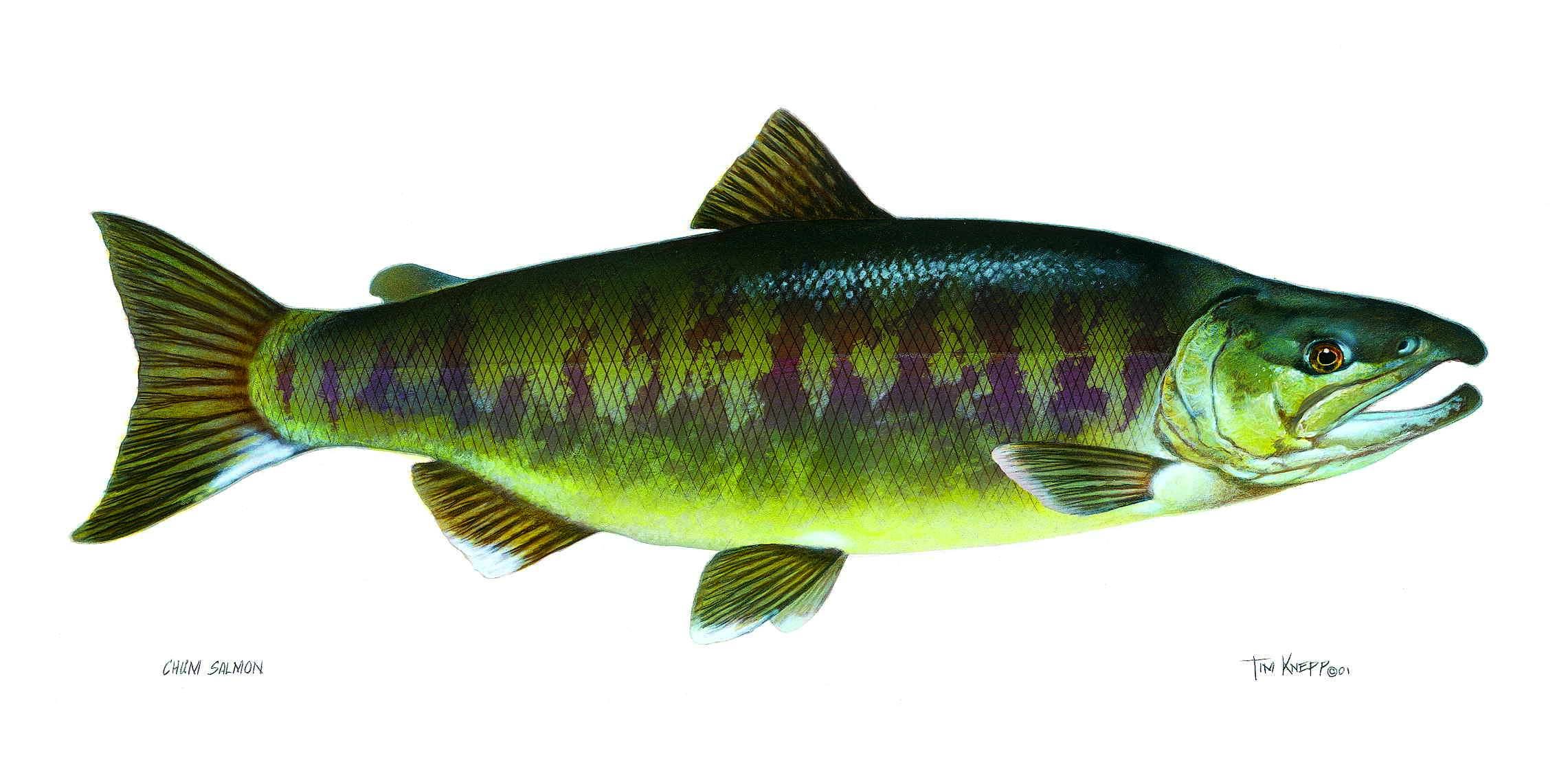
Chum Salmon
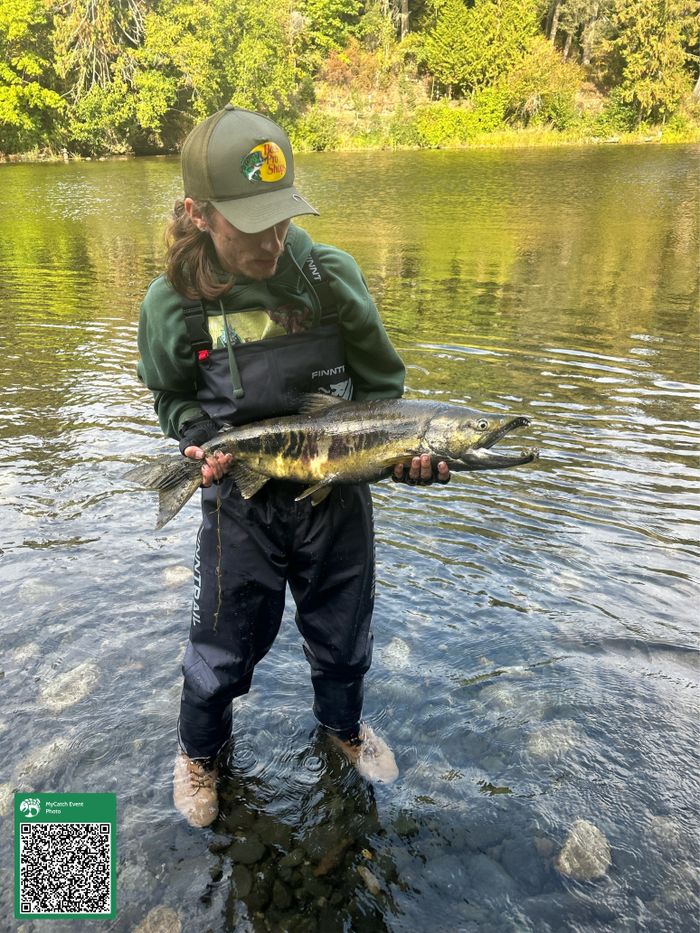
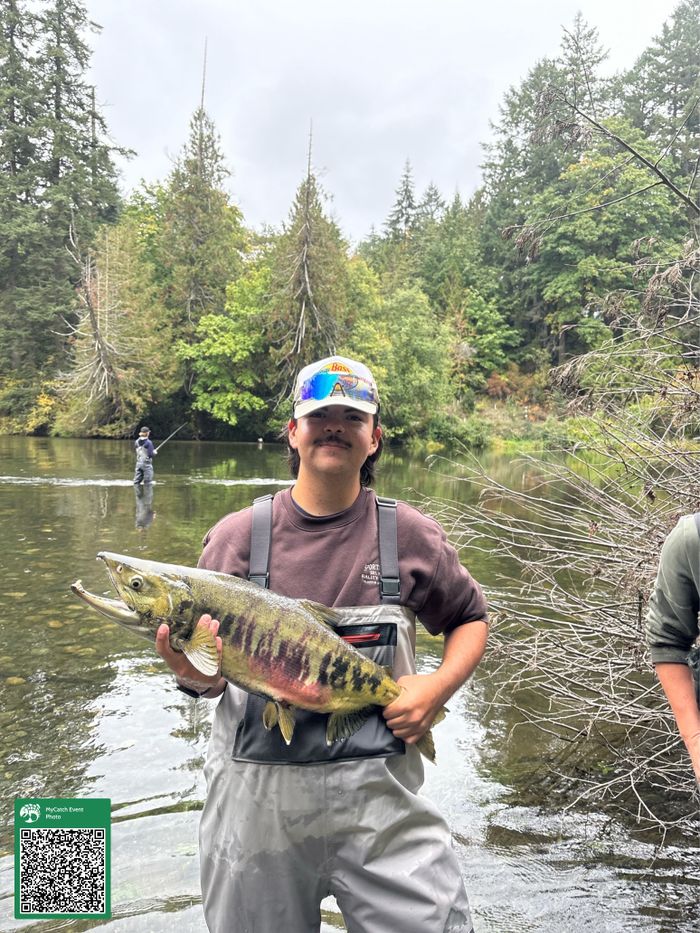
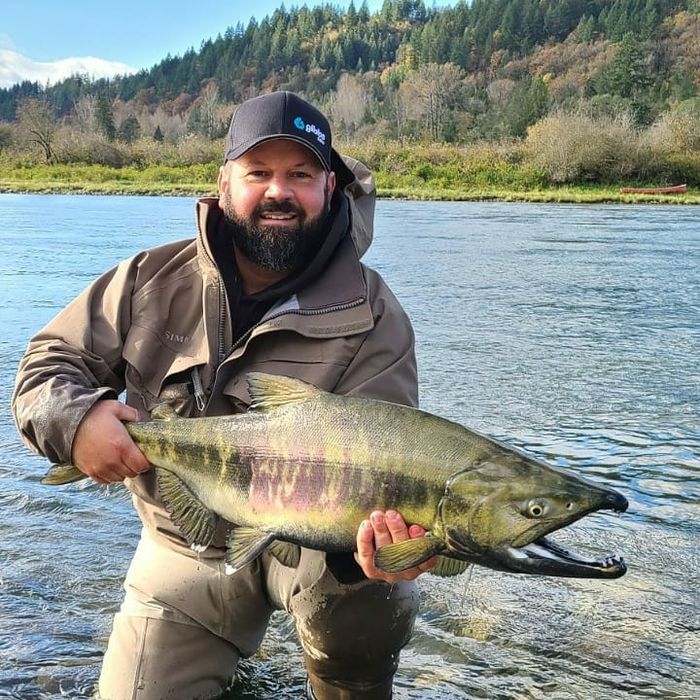
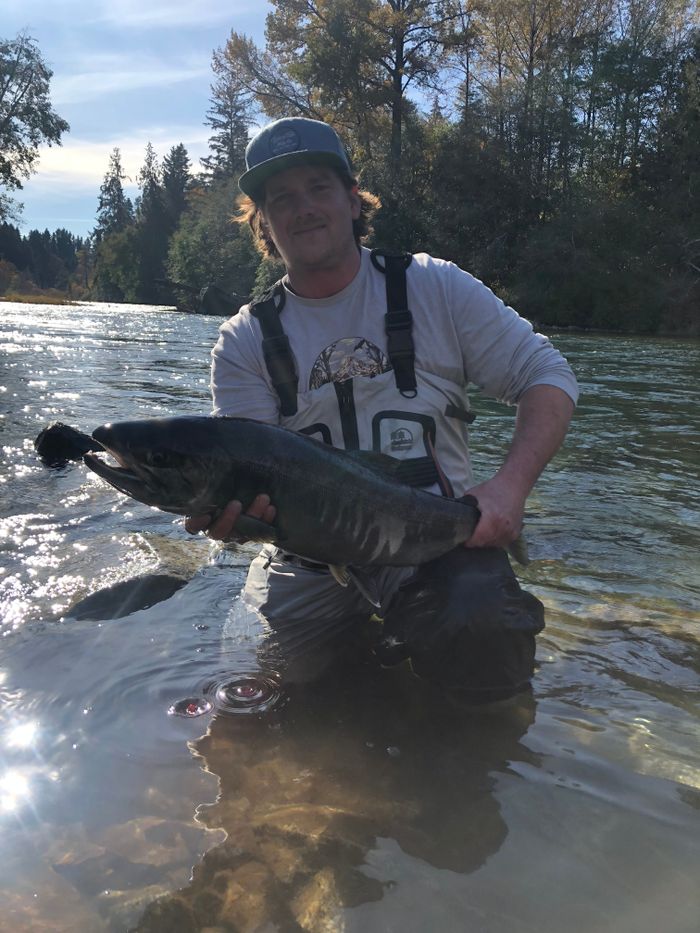
The Chum Salmon is a widely abundant species found primarily along the northern Pacific Coast. They generally range from the Gulf of Alaska and the Bering and Chukchi seas to Northern California, and can also be found in river systems through the Yukon, British Columbia, the Northwest Territories, and Alberta. Chum Salmon are anadromous, meaning they are born in freshwater river systems, migrate to the ocean to feed and grow, and eventually return upstream to reproduce in fresh waters. Juvenile, river-dependent Chum Salmon will feed on insect larvae before moving to nearshore zones, where their diets shift to include crustaceans, terrestrial insects, and young herring. Once in the open ocean, they become opportunistic feeders, consuming a variety of fish species as well as molluscs and copepods. Chum salmon are the second largest Pacific salmon, after the Chinook, averaging 24-28in (61-71cm) in length and 10-13lb (4.5-5.9kg) in weight. Common nicknames include dog salmon, tiger salmon, and sabre-toothed salmon, which refer to their highly recognizable markings during the breeding phase. Breeding adults display blood-red vertical streaks along their sides over an olive background, while ocean-phase Chum Salmon are silvery with little to no markings, sometimes showing fine speckling on the upper back and sides. This salmon also has distinct large, bared teeth. Source: Alaska Department of Fish and Game (https://www.adfg.alaska.gov/index.cfm?adfg=chumsalmon.printerfriendly)