 Events
  Places
  Fish
Fish  Research
  Sign in
  New Catch Log
  New Trip Log
AnglersAtlas
Member since May 1999Recent Activity
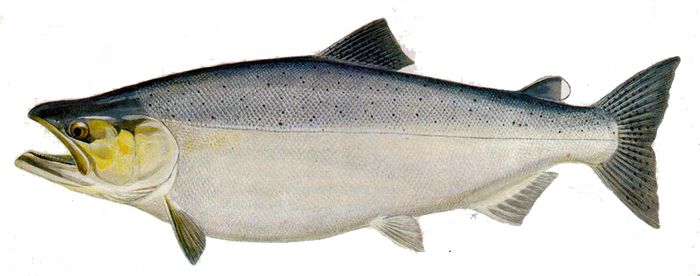
We had a great day out on Lac Ste. Anne last weekend. Here's a blog post about it! http://ow.ly/OF6730iyXir
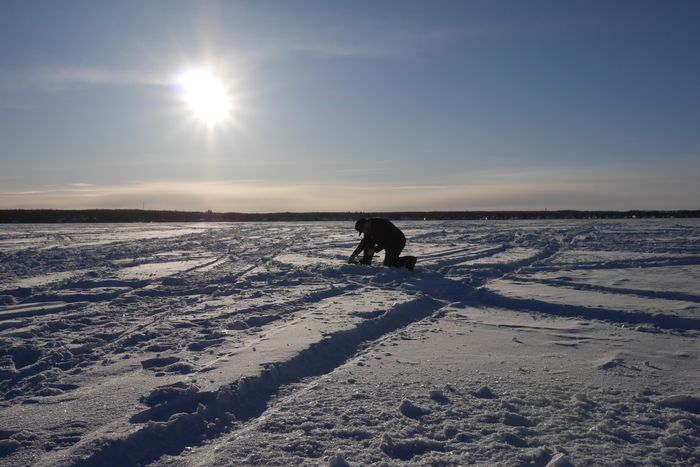
8 years ago
Free Fishing Weekend! This Family Day long weekend is one of Alberta's free fishing weekends. For February 17th, 18th, and 19th, you will not need a license to have a hook under the hardwater. So bring your kids, grandmas, wives, and husbands along; maybe they'll start to understand why you spend so much time out there!
8 years ago
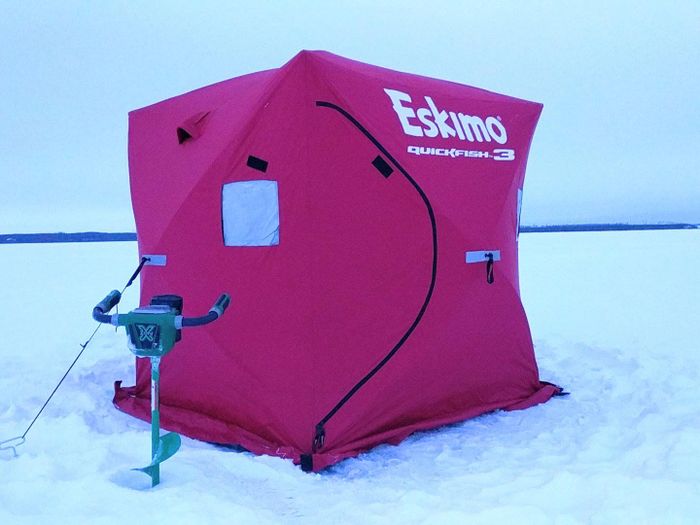
Family Ice Fishing Day out on Wabamun Lake! https://www.anglersatlas.com/blog/familyfishingatwabamun
8 years ago
AnglersAtlas
ALIX LAKE +611
Well, it’s a new year and ice fishing in Alberta is in full swing. There are a lot of lakes close to Edmonton that are very productive in the wintertime. Here are just a few!
https://www.anglersatlas.com/blog/top-5-ice-fishing-spots-in-the-edmonton-area
8 years ago
AnglersAtlas
BIRCH LAKE +50
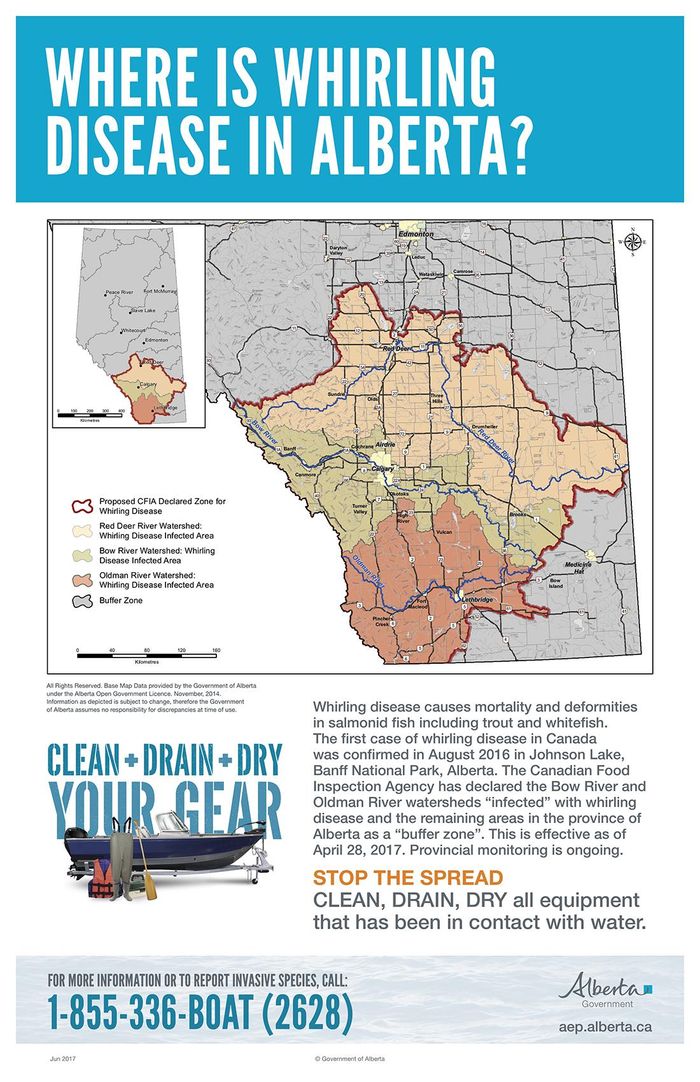
The Canadian Food Inspection Agency (CFIA) declared the Bow, Oldman, and Red Deer River watersheds and their tributaries "infected with whirling disease" in the last 10 months. What you need to know and what you can do to prevent it's spread here: http://ow.ly/xo1H30h9n17
8 years ago
Fishing remained good and constant since the last report. A windy unstable day on Friday made it a tough day, but other then that, it’s all been good.
Chironomids continue to hatch in a variety of sizes. Lots of bomber sized shucks can be seen on the lake surface each day. Any of the ASB(anti-static bag) patterns continue to produce best, but good catches coming on darker patterns as well.
Some good dry action has been happening in the evening, if your in the right areas, where fish are actively feeding on the surface.
Trollers have been seeing success as well. Wedding bands tipped with worms, or Kwikfish have been working as well.
Weather has been beautiful, with nice clear blue skies, warm days, and nice refreshingly cool, star filled nights.
ORIGINAL POST: http://www.tunkwalakeresort.com/fishing/2017-fishing-reports/
9 years ago
ENGLEFIELD BAY WEEKLY FISHING REPORT
Our anglers have tenaciously hitting the inside waters and have been finding a ton of bait stacked up inside resulting in great success on the salmon front.
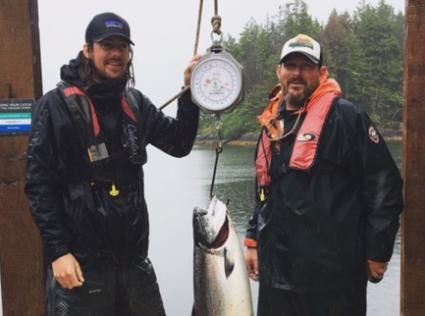
For the most part the Denham Shoals have been a ghost town. The semi-protected waters in Denham Bay have provided comfortable fishing conditions, and to the surprise of no-one, excellent chinook action. Cut Plugs and Holy Rollers trolled slow alongside the reef and right deep into the bay along the wall have been consistently producing high numbers of chinook bites, with the odd coho kicking around as well. The average size being hit has been in the mid to high teens, but those who spend some time weeding through the feisty smaller kings have managed to retain some larger ones in the mid to high twenties. Our biggest fish of the week, and second largest of the season, hailed from No Name which is just a few minutes from the lodge. Rookie guide sensation “Hemlock” noticed bait stacking up along the wall at No Name and decided to drop his gear along the weather protected wall at No Name and sure enough his determined guest, Chris Parshall, set the hook on a hog and eventually landed the trophy that tipped the scales at 43lbs! Nice work boys, what a beauty!
The coho fishing this year has been on and off since early July and this past week proved to be a little bit tougher to find those little silvers. Those who put in the time managed to find success, again on a flasher-hoochie combo trolled a little bit faster and at a shallower depth. As of yesterday things seem to have changed and the coho fishing went back to what it should be at this time of the year. Bone Point seems to consistently hold large numbers of coho and yesterday they were hit hard, most boats were struggling to even get two rods in the water, the action was that hot! Mary Tait brought back an absolute beauty yesterday that weighed in at 15lbs, the 3rd largest coho we have seen thus far, great job Mary!
Bottom fishing has slowed down a bit due to some harsher weather conditions. It’s very common for us to hear “If I don’t go home with some halibut my wife is not going to let me come back”, so those worried about not being able to come back to paradise in 2018 have been determined to get some white meat in the box have been waking up early and heading out to the Shoals in hopes of hitting bottom and bringing up a halibut before the wind forces the boats to head back to the inside waters. Chicken sized halibut are still being found inside near the Rock Pile, Sangster and Hastings, with the odd “over” sized hali being brought up inside as well.
Despite the weather the fishing has still been incredible and we don’t expect our anglers to skip a beat in the latter half of Hogust! Thank you again to those of you who have already joined us this year, and we look forward to seeing who will catch the next big one!
Until next week,
Ryan “RJ” Jacobs
ORIGINAL POST: http://westcoastresorts.com/connect/englefield-bay-weekly-fishing-report-47/
9 years ago

Boat Launch Marker Added
Stern Lake Forestry Site. There is access into the creek for small, car top boats here.
|width:0|54.1303317,-124.9136251|54.1395278,-124.9136251|54.1395278,-124.8802733|54.1303317,-124.8802733|54.1303317,-124.9136251)
9 years ago
Six New Spots to Fish This Autumn
Harrison River – Coho and Chum Salmon
Six kilometres west of Agassiz off Highway 7, the Harrison River runs 13 kilometres between Harrison Lake and the Fraser River. The river’s fall fishery for coho and chum starts around mid-September, peaks around mid-October, and tapers off by about mid-November. While there are a few areas to walk-and-wade, anglers with boats will have the most success because the river, although slow-moving, is quite wide. The best access points for boaters are from Island #22 on the Fraser near Chilliwack, or from Kilby Park near Harrison Mills on the Harrison.
To target coho, short float with cured roe bait. You can also fly-fish with brightly coloured fly patterns; spin-cast using spinners or spoons; or cast leadhead jigs.
For chum, float fish with pink- or purple-coloured leadhead jigs; spin-cast small spinners or spoons; or fly-fish with flies in various shades of pink or purple.
Original Post: https://www.gofishbc.com/Blog/Where-to-Fish/Top-Spots-to-Fish-this-Fall.aspx
9 years ago
Six New Spots to Fish This Autumn
Dragon Lake – Rainbow Trout
With abundant aquatic food sources and an ideal habitat for growing big, well-conditioned rainbows, Dragon Lake provides one of B.C.’s premier fisheries. As you approach the city of Quesnel from the south, the lake – only five kilometres from downtown – lies almost alongside Highway 97, with much of the northern half of the lake lined with houses and an RV park. Despite its near-urban setting, Dragon offers excellent fishing in the late fall months, and anglers can expect to catch fish in excess of 2.25 kilograms (five pounds), with an excellent chance at hooking one over 3.6 kilograms (eight pounds). Just over six kilometres in length, the lake holds many good areas to catch that trophy fish of a lifetime.
Original Post: https://www.gofishbc.com/Blog/Where-to-Fish/Top-Spots-to-Fish-this-Fall.aspx
9 years ago
Six New Spots to Fish This Autumn
Campbell and Scuitto Lakes – Rainbow Trout
Bordered on the south by Douglas fir forest and with rolling grasslands to the north, Campbell and Scuitto lakes lie approximately 30 kilometres southeast of Kamloops. Access to these lakes is via the Scuitto Lake Forest Service Road which, although gravel, is suitable for campers and travel-trailers. The road passes along the north shore of Scuitto Lake, which offers undeveloped camping and car-top boat launching. Another 2.5 kilometres past Scuitto is the Campbell Lake Provincial Recreation Site, which provides designated campsites and a launch for trailered boats. Both lakes literally teem with willing-to-strike 25- to 40-centimetre (10- to 16-inch) rainbow trout. This is the perfect lake to introduce someone to fishing, whether it be trolling lures or fly-fishing for the very first time.
Original Post: https://www.gofishbc.com/Blog/Where-to-Fish/Top-Spots-to-Fish-this-Fall.aspx
9 years ago
Six New Spots to Fish This Autumn
Campbell and Scuitto Lakes – Rainbow Trout
Bordered on the south by Douglas fir forest and with rolling grasslands to the north, Campbell and Scuitto lakes lie approximately 30 kilometres southeast of Kamloops. Access to these lakes is via the Scuitto Lake Forest Service Road which, although gravel, is suitable for campers and travel-trailers. The road passes along the north shore of Scuitto Lake, which offers undeveloped camping and car-top boat launching. Another 2.5 kilometres past Scuitto is the Campbell Lake Provincial Recreation Site, which provides designated campsites and a launch for trailered boats. Both lakes literally teem with willing-to-strike 25- to 40-centimetre (10- to 16-inch) rainbow trout. This is the perfect lake to introduce someone to fishing, whether it be trolling lures or fly-fishing for the very first time.
Original Post: https://www.gofishbc.com/Blog/Where-to-Fish/Top-Spots-to-Fish-this-Fall.aspx
9 years ago
Anadromous cutthroat trout can be found in the Lower Fraser River, among its many sloughs, and in its tributary rivers and small streams. Between March and May, searun cutthroat are highly migratory hunters that will aggressively pursue salmon fry. To find cutthroat, just look for frantic juvenile salmon soon after they emerge from their redds and are pushed into the shallows by schools of marauding cutthroat trout.
Spots where you are likely to find anadromous cutthroat trout in the Fraser Valley include the backwaters of the Fraser River between Chilliwack and Hope, Maria Slough, the Harrison River, Nicomen Slough, and the Stave River. There is not one single most productive spot in this fishery, though, because these fish are constantly moving. As success at any particular spot can quickly change from one day to the next, your best strategy is to visit several potential spots during your outing, and hope to intercept a feeding school.
Most anadromous cutthroat trout are between 30 and 40 centimetres long, with the occasionally trophy over 50 centimetres. A light spinning outfit, or a 4-weight fly-fishing rod setup, is suitable for catching cutthroat. Dew worms and salmon eggs are very effective baits. For some real fun, you should also try using artificial lures and flies that match what cutts are feeding on – small 1/8-ounce silver spoons or minnow fly patterns can easily do the trick when cast into a school of cutthroat trout in a feeding frenzy.
Please note that when fishing in streams and sloughs, your hook must be barbless. The daily quota of cutthroat trout in Region 2 streams is two per day, and they must be adipose fin-clipped hatchery fish.
Original Post: https://www.gofishbc.com/Blog/Where-to-Fish/Five-Springtime-Fishing-Hot-Spots-in-the-Lower-Mai.aspx
9 years ago
Alta is a scenic lake in Whistler. Anglers will find good fishing when the lake is free of ice, around mid-April. Besides its abundant native rainbow trout, Alta Lake is stocked with Taylor 3N cutthroat trout, which can attain lengths up to 60 centimetres. With a bait ban and a total catch-and-release fishery, Alta is perfect for anglers who are hoping to improve their fishing techniques using artificial lures or flies.
The best method to catch these feisty trout is by casting and retrieving a spoon or spinner from any of several fishing docks that project into the lake. Most of your catches will be rainbow trout up to 500 grams, but occasionally a big cutthroat trout can surprise you – be sure to hold onto your rod tightly!
When fishing from a boat, try the weed beds at the northern end of the lake, the creek mouths along the western shoreline, and the floating docks in front of private residences. All these spots have the underwater structure from which large cutthroat trout can ambush your lures. As cutthroat are piscivorous, try fly-fishing with patterns that match their prey – sticklebacks and sculpins. Leech patterns are also good. Cast your fly toward the structure in which cutties often hide, and then slowly strip your line in to goad them into striking. As well, be sure to cover shallow parts of the lake, where these fish often seek their prey.
Original Post: https://www.gofishbc.com/Blog/Where-to-Fish/Five-Springtime-Fishing-Hot-Spots-in-the-Lower-Mai.aspx
9 years ago
In March, the Fraser Valley Trout Hatchery begins its releases of rainbow trout at Lower Mainland lakes in the Freshwater Fisheries Society of BC’s “Fishing in the City” program. With improving weather, the program is very popular with families and new anglers. Green Timbers is conveniently located in the heart of Surrey, and one of the program’s most highly utilized lakes. Despite being known as an urban lake, its actual location is within a quiet, forested park.
The Freshwater Fisheries Society of BC releases thousands of catchable-sized rainbow trout into Green Timbers Lake each spring. Between now and fall, you can expect excellent fishing for rainbow trout with an average weight of 250 grams.
With the exception of the western side, there is good access to shore-fishing along the rest of Green Timbers’ lakefront. Either using bait (on the bottom, or suspended below a fishing bobber) or casting and retrieving small artificial lures, the southern end of the lake is often the most productive for spin-fishers. The eastern side of the lake is better suited for fly-casting, since it offers adequate clearance for backcasts.
Be aware of a couple of rules when fishing Green Timbers Lake. Firstly, the daily limit is two trout; and secondly, wading in this lake is not permitted.
Original Post: https://www.gofishbc.com/Blog/Where-to-Fish/Five-Springtime-Fishing-Hot-Spots-in-the-Lower-Mai.aspx
9 years ago
The Chilliwack River’s winter steelhead fishery starts in December, but some of the best fishing usually occurs in early spring when water temperatures are slightly higher. Warmer water results in more active and stronger fish, often exemplified by fish rolling on the surface.
Steelhead eat salmon fry at times. Since fry are present in the river during April, float-drifting small spoons and spinners that resemble injured fry can goad steelhead into attacking aggressively.
Although April is the tail end of the season, it is also when the success rate for catching steelhead is highest. In the lower section of the river, downstream from the Vedder Crossing, anglers can still find strong, silver-bright steelhead freshly arrived from the sea.
Please remember that in addition to your freshwater fishing licence, you must purchase a steelhead conservation surcharge stamp. As well, you can only keep only one adipose fin-clipped hatchery steelhead per day.
Original Post: https://www.gofishbc.com/Blog/Where-to-Fish/Five-Springtime-Fishing-Hot-Spots-in-the-Lower-Mai.aspx
9 years ago
Kawkawa Lake, just outside the District of Hope, is one of several lakes in Region 2 where anglers can find 25- to 35-centimetre kokanee. Kokanee are landlocked sockeye salmon, much prized for their deep red-coloured flesh and superb flavour. The lake is productive from opening day on March 1st until mid-summer. While fish can be caught occasionally from the floating dock at the boat launch, the lake is best fished from a boat.
Kokanee are soft biters, so the more sensitive your setup is, the more likely you will catch one. Ideal setups are an ultra-light spinning rod or a 3/4-weight fly-fishing rod. A size 6 hook baited with krill, cooked deli shrimp, or single salmon eggs works best for these delicious scrappers. Small artificial lures (like spoons and spinners) can also be effective, especially those with some pink or red.
On a sunny day, kokanee typically feed near the bottom. Anchor your boat in 10 to 15 metres of water (in this situation, a depth sounder can be very helpful). On cloudy days, fish are often active near the surface; you can either fish with bait suspended under a bobber, troll small lures, or fly-fish with chironomids (or even dry flies). Expect non-stop action if a school of fish presents itself nearby!
Original Post: https://www.gofishbc.com/Blog/Where-to-Fish/Five-Springtime-Fishing-Hot-Spots-in-the-Lower-Mai.aspx
9 years ago
Fly Fishing in the East Kootenays
What do you look for when selecting a new fly-fishing destination? Great scenery? Accessibility? Productive water? Sometimes we have to sacrifice one for the other, but there are places where that trifecta truly exists … and they don’t all require a plane ticket or long days of bushwhacking to get there.
Tucked between impressive, jagged mountain peaks, pristine alpine lakes trickle into tea-stained creeks and gin-clear freestone rivers boiling with aggressive, surface-feeding trout. No more than a day’s drive east of the Lower Mainland, the East Kootenays often enchant anglers fortunate enough to experience these exceptional fisheries.
The East Kootenays is home to a variety of species that fly anglers covet, including rainbow trout, bull trout, eastern brook char, kokanee, Rocky Mountain whitefish, and bass. Perhaps most notably, it’s home to the westslope cutthroat trout. Every summer, fly-fishers from around the globe travel to the town of Fernie to drift the renowned Elk River stalking these big topwater “cutties.”
Targeting rising trout with dry flies categorizes the epitome of mindfulness and, like all fisheries, poses some challenges. Many factors can influence a good day of dry fly-fishing: time of year, temperature, weather, location, and insect hatches. As spring turns to summer, and summer to fall, all of these variables are constantly changing. However, with time, experience, and consideration of all the factors, anglers can look into their fly box with almost mathematical precision, and select the correct flies to meet the conditions.
The southeastern corner of B.C. is also a major destination for lake fishing. The Rocky Mountain landscape creates a diversity of stillwater fishing that ranges from long, deep lakes (like Whiteswan and Alces) to small pocket lakes (like Norbury, or Campbell Meyer), each with unique species and strains of fish. These lakes are notoriously productive, offering many fun opportunities for dragging leeches or setting chironomids on trout, or even stripping poppers across warm, shallow ponds for aggressive bass.
The Freshwater Fisheries Society’s stocking program creates great fishing throughout B.C. In the Kootenays alone, the Society stocks approximately 110 lakes with rainbow trout, cutthroat trout, eastern brook char, and kokanee.
Whether you like to spend your afternoons bobbing in a float tube, cruising in a tinny, or straining to watch your tiny Callibaetis imitation as it drifts along a frothy seam in the current, chances are there is a lake or stream that will meet your needs (and it probably has a boat launch, too). And let’s face it; we’re not always out there for the fish. Catching them is a much-welcomed bonus. The allure of fishing often comes from the environment, the scenery, the challenge, and the charm of a life-long journey of infinite learning. Every day on the water with a fly rod in hand is another chance to learn something new, and connect with your surroundings. The East Kootenays is where all of those dynamics work together to create incredible fishing experiences for every angler.
Author: Jen Dunphy
Original Post: https://www.gofishbc.com/Blog/Where-to-Fish/Fly-Fishing-in-the-East-Kootenays.aspx
9 years ago
Fly Fishing in the East Kootenays
What do you look for when selecting a new fly-fishing destination? Great scenery? Accessibility? Productive water? Sometimes we have to sacrifice one for the other, but there are places where that trifecta truly exists … and they don’t all require a plane ticket or long days of bushwhacking to get there.
Tucked between impressive, jagged mountain peaks, pristine alpine lakes trickle into tea-stained creeks and gin-clear freestone rivers boiling with aggressive, surface-feeding trout. No more than a day’s drive east of the Lower Mainland, the East Kootenays often enchant anglers fortunate enough to experience these exceptional fisheries.
The East Kootenays is home to a variety of species that fly anglers covet, including rainbow trout, bull trout, eastern brook char, kokanee, Rocky Mountain whitefish, and bass. Perhaps most notably, it’s home to the westslope cutthroat trout. Every summer, fly-fishers from around the globe travel to the town of Fernie to drift the renowned Elk River stalking these big topwater “cutties.”
Targeting rising trout with dry flies categorizes the epitome of mindfulness and, like all fisheries, poses some challenges. Many factors can influence a good day of dry fly-fishing: time of year, temperature, weather, location, and insect hatches. As spring turns to summer, and summer to fall, all of these variables are constantly changing. However, with time, experience, and consideration of all the factors, anglers can look into their fly box with almost mathematical precision, and select the correct flies to meet the conditions.
The southeastern corner of B.C. is also a major destination for lake fishing. The Rocky Mountain landscape creates a diversity of stillwater fishing that ranges from long, deep lakes (like Whiteswan and Alces) to small pocket lakes (like Norbury, or Campbell Meyer), each with unique species and strains of fish. These lakes are notoriously productive, offering many fun opportunities for dragging leeches or setting chironomids on trout, or even stripping poppers across warm, shallow ponds for aggressive bass.
The Freshwater Fisheries Society’s stocking program creates great fishing throughout B.C. In the Kootenays alone, the Society stocks approximately 110 lakes with rainbow trout, cutthroat trout, eastern brook char, and kokanee.
Whether you like to spend your afternoons bobbing in a float tube, cruising in a tinny, or straining to watch your tiny Callibaetis imitation as it drifts along a frothy seam in the current, chances are there is a lake or stream that will meet your needs (and it probably has a boat launch, too). And let’s face it; we’re not always out there for the fish. Catching them is a much-welcomed bonus. The allure of fishing often comes from the environment, the scenery, the challenge, and the charm of a life-long journey of infinite learning. Every day on the water with a fly rod in hand is another chance to learn something new, and connect with your surroundings. The East Kootenays is where all of those dynamics work together to create incredible fishing experiences for every angler.
Author: Jen Dunphy
Original Post: https://www.gofishbc.com/Blog/Where-to-Fish/Fly-Fishing-in-the-East-Kootenays.aspx
9 years ago
Fly Fishing in the East Kootenays
What do you look for when selecting a new fly-fishing destination? Great scenery? Accessibility? Productive water? Sometimes we have to sacrifice one for the other, but there are places where that trifecta truly exists … and they don’t all require a plane ticket or long days of bushwhacking to get there.
Tucked between impressive, jagged mountain peaks, pristine alpine lakes trickle into tea-stained creeks and gin-clear freestone rivers boiling with aggressive, surface-feeding trout. No more than a day’s drive east of the Lower Mainland, the East Kootenays often enchant anglers fortunate enough to experience these exceptional fisheries.
The East Kootenays is home to a variety of species that fly anglers covet, including rainbow trout, bull trout, eastern brook char, kokanee, Rocky Mountain whitefish, and bass. Perhaps most notably, it’s home to the westslope cutthroat trout. Every summer, fly-fishers from around the globe travel to the town of Fernie to drift the renowned Elk River stalking these big topwater “cutties.”
Targeting rising trout with dry flies categorizes the epitome of mindfulness and, like all fisheries, poses some challenges. Many factors can influence a good day of dry fly-fishing: time of year, temperature, weather, location, and insect hatches. As spring turns to summer, and summer to fall, all of these variables are constantly changing. However, with time, experience, and consideration of all the factors, anglers can look into their fly box with almost mathematical precision, and select the correct flies to meet the conditions.
The southeastern corner of B.C. is also a major destination for lake fishing. The Rocky Mountain landscape creates a diversity of stillwater fishing that ranges from long, deep lakes (like Whiteswan and Alces) to small pocket lakes (like Norbury, or Campbell Meyer), each with unique species and strains of fish. These lakes are notoriously productive, offering many fun opportunities for dragging leeches or setting chironomids on trout, or even stripping poppers across warm, shallow ponds for aggressive bass.
The Freshwater Fisheries Society’s stocking program creates great fishing throughout B.C. In the Kootenays alone, the Society stocks approximately 110 lakes with rainbow trout, cutthroat trout, eastern brook char, and kokanee.
Whether you like to spend your afternoons bobbing in a float tube, cruising in a tinny, or straining to watch your tiny Callibaetis imitation as it drifts along a frothy seam in the current, chances are there is a lake or stream that will meet your needs (and it probably has a boat launch, too). And let’s face it; we’re not always out there for the fish. Catching them is a much-welcomed bonus. The allure of fishing often comes from the environment, the scenery, the challenge, and the charm of a life-long journey of infinite learning. Every day on the water with a fly rod in hand is another chance to learn something new, and connect with your surroundings. The East Kootenays is where all of those dynamics work together to create incredible fishing experiences for every angler.
Author: Jen Dunphy
Original Post: https://www.gofishbc.com/Blog/Where-to-Fish/Fly-Fishing-in-the-East-Kootenays.aspx
9 years ago
Freshwater Fisheries Society of BC named this lake one of the "Top Spots to Take the Kids Fishing"
Ten Mile Lake (Quesnel)
Ten Mile Lake offers easily accessible campsites that you can reserve using the Discover Camping website. For day-trippers, the lake also provides a picnic shelter, 10 kilometres of hiking trails, and a large fishing dock.
Ten Mile Lake is stocked with both rainbow trout and kokanee. Kokanee like deeper, cooler water. If you don’t have a fishfinder, try suspending bait off the bottom for a few minutes. If you don’t feel a bite, try moving your bait up a couple of feet at a time in the water column until you find fish. Luckily, kokanee tend to travel in schools, and once you have dialled in the depth where they are schooling, you are sure to land a few.
See Original Post:https://www.gofishbc.com/Blog/Where-to-Fish/Top-Spots-to-Take-the-Kids-Fishing-this-May-Long-W.aspx
9 years ago