Elk River
British Columbia

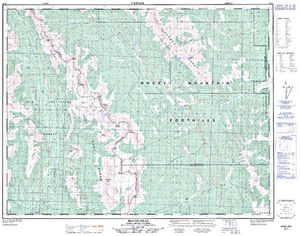
Where is Elk River?

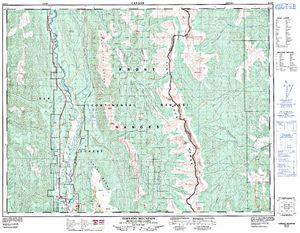
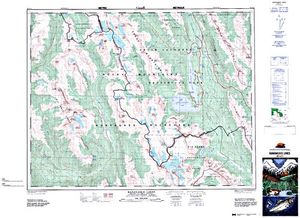
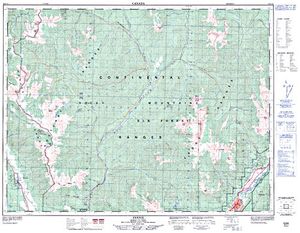
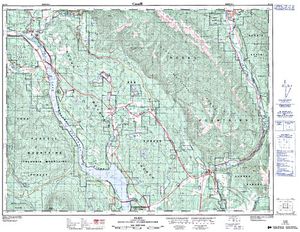
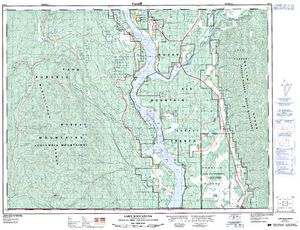
Elk River (49.8576, -114.9769), located in Kootenay Region, British Columbia, Canada stretches 218.28 kilometers (approximately 135.63 miles).

Which fish can I catch at Elk River?

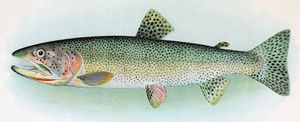
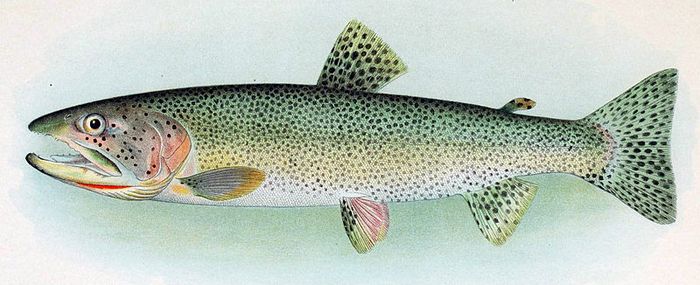
The most popular species caught here are Cutthroat Trout. Please use your best judgement when determining where you can fish, and make sure you follow local rules and regulations.

What does Elk River have?

No one has left markers on Elk River yet, you can add markers on the map.

About Elk River

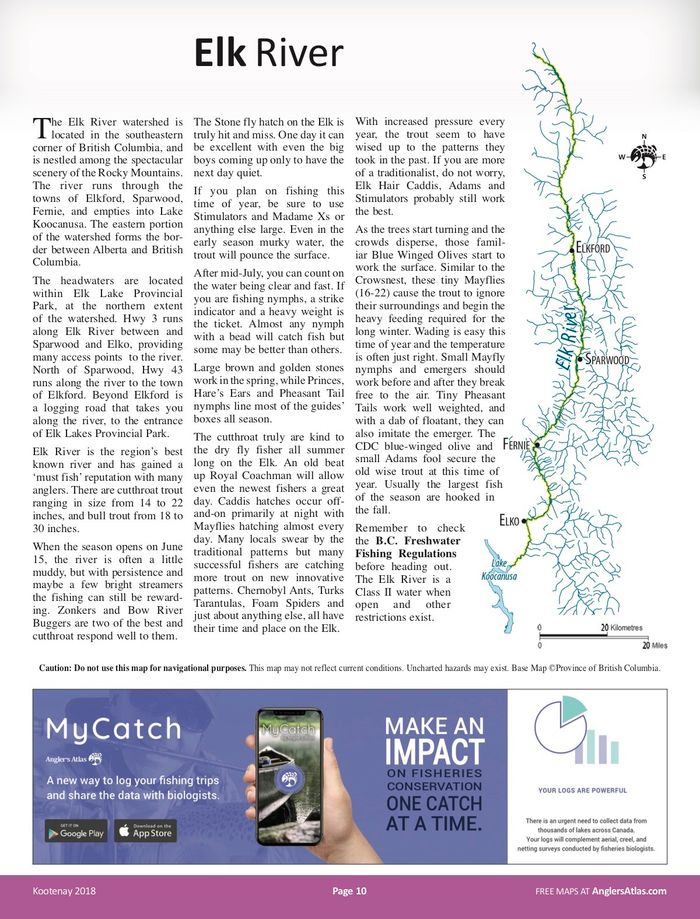
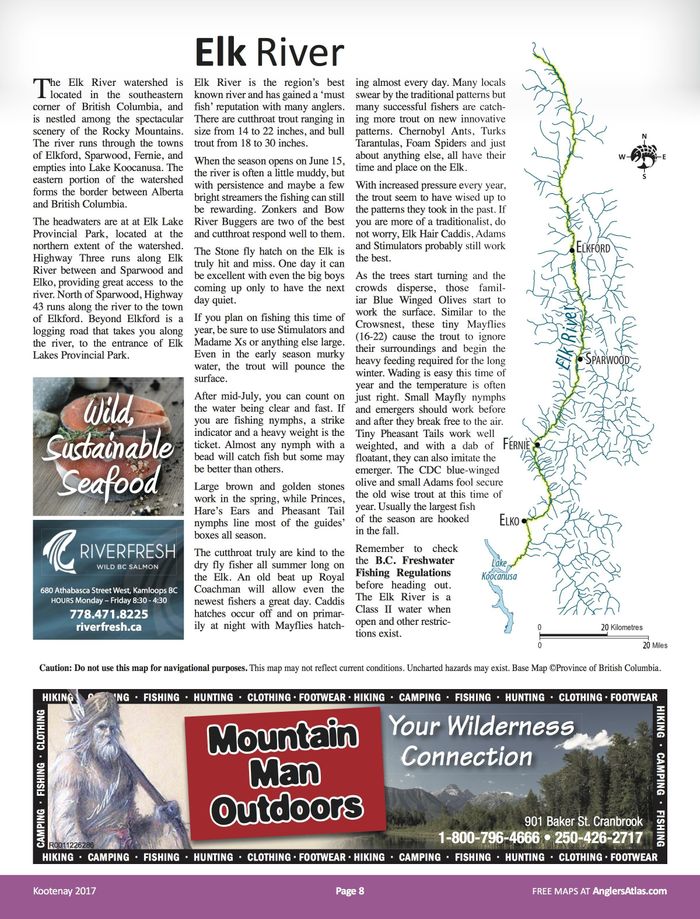
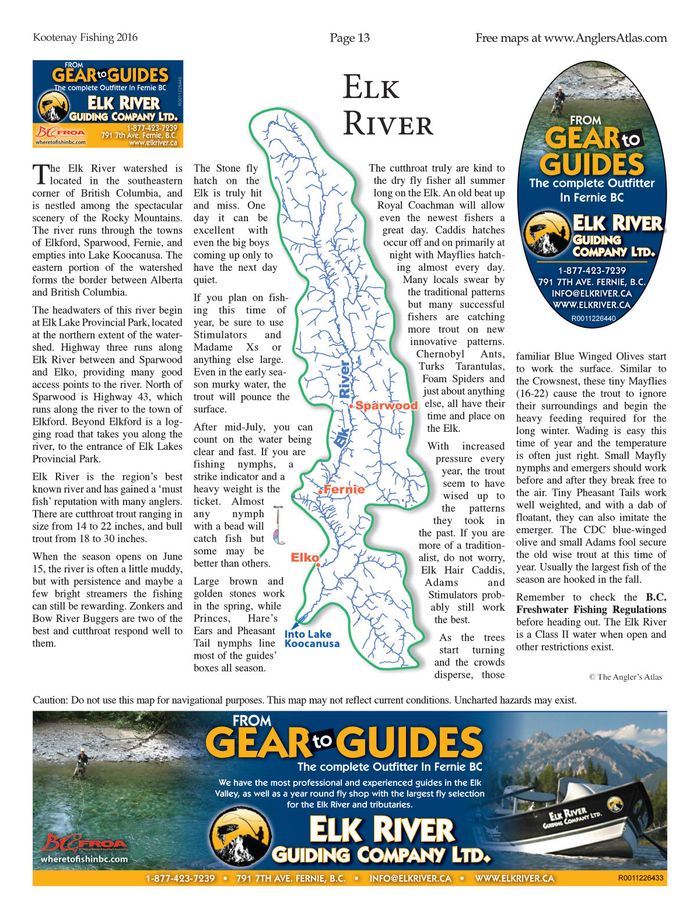
The Elk River watershed is located in the southeastern corner of British Columbia, and is nestled among the spectacular scenery of the Rocky Mountains. The river runs through the towns of Elkford, Sparwood, Fernie, and empties into Lake Koocanusa. The eastern portion of the watershed forms the border between Alberta and British Columbia.

The headwaters of this river begin at Elk Lake Provincial Park, located at the northern extent of the watershed. Highway three runs along Elk River between and Sparwood and Elko, providing many good access points to the river. North of Sparwood is Highway 43, which runs along the river to the town of Elkford. Beyond Elkford is a logging road that takes you along the river, to the entrance of Elk Lakes Provincial Park.

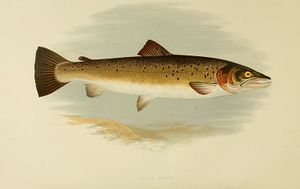
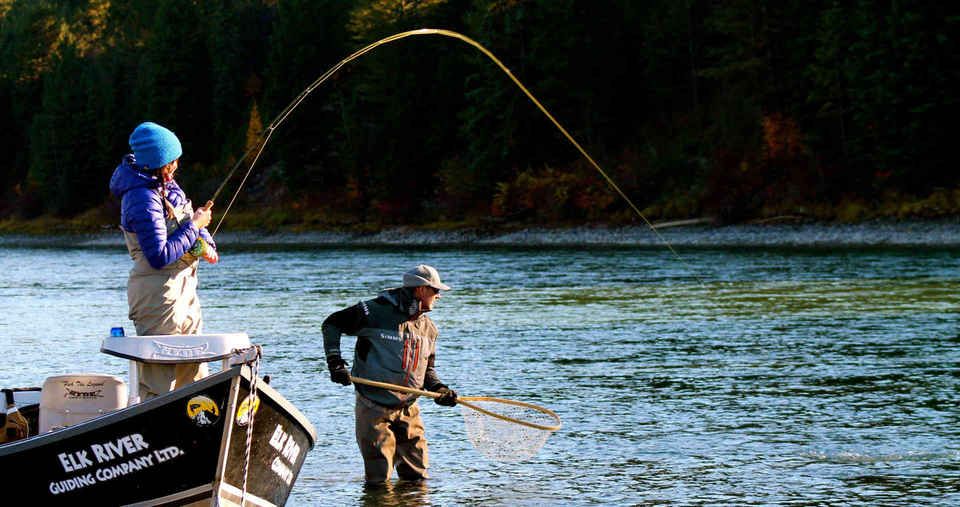
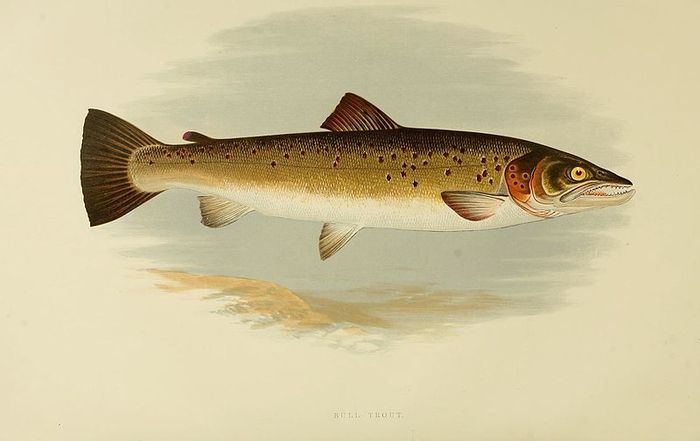
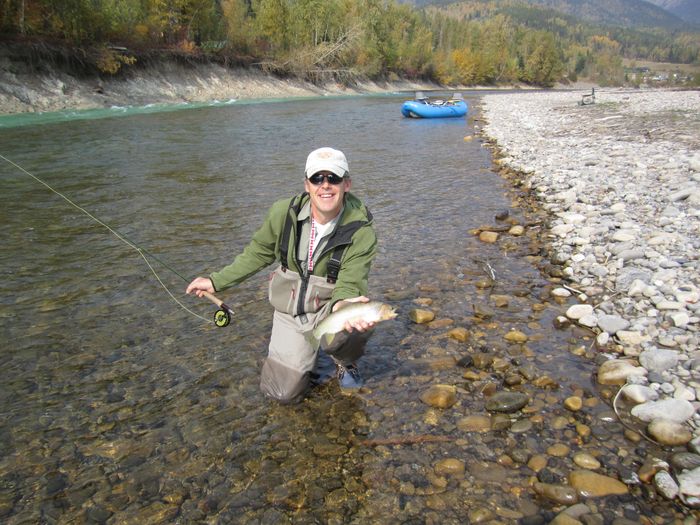
Elk River is the region’s best known river and has gained a ‘must fish’ reputation with many anglers. There are cutthroat trout ranging in size from 14 to 22 inches, and bull trout from 18 to 30 inches. When the season opens on June 15, the river is often a little muddy, but with persistence and maybe a few bright streamers the fishing can still be rewarding. Zonkers and Bow River Buggers are two of the best and cutthroat respond well to them.

The Stone fly hatch on the Elk is truly hit and miss. One day it can be excellent with even the big boys coming up only to have the next day quiet.

If you plan on fishing this time of year, be sure to use Stimulators and Madame Xs or anything else large. Even in the early season murky water, the trout will pounce the surface. After mid-July, you can count on the water being clear and fast. If you are fishing nymphs, a strike indicator and a heavy weight is the ticket. Almost any nymph with a bead will catch fish but some may be better than others.

Large brown and golden stones work in the spring, while Princes, Hare’s Ears and Pheasant Tail nymphs line most of the guides’ boxes all season. The cutthroat truly are kind to the dry fly fisher all summer long on the Elk. An old beat up Royal Coachman will allow even the newest fishers a great day. Caddis hatches occur off and on primarily at night with Mayflies hatching almost every day. Many locals swear by the traditional patterns but many successful fishers are catching more trout on new innovative patterns. Chernobyl Ants, Turks Tarantulas, Foam Spiders and just about anything else, all have their time and place on the Elk.

With increased pressure every year, the trout seem to have wised up to the patterns they took in the past. If you are more of a traditionalist, do not worry, Elk Hair Caddis, Adams and Stimulators probably still work the best.

As the trees start turning and the crowds disperse, those familiar Blue Winged Olives start to work the surface. Similar to the Crowsnest, these tiny Mayflies (16-22) cause the trout to ignore their surroundings and begin the heavy feeding required for the long winter. Wading is easy this time of year and the temperature is often just right. Small Mayfly nymphs and emergers should work before and after they break free to the air. Tiny Pheasant Tails work well weighted, and with a dab of floatant, they can also imitate the emerger. The CDC blue-winged olive and small Adams fool secure the old wise trout at this time of year. Usually the largest fish of the season are hooked in the fall.

Remember to check the B.C. Freshwater Fishing Regulations before heading out. The Elk River is a Class II water when open and other restrictions exist.

Lodging and Camping

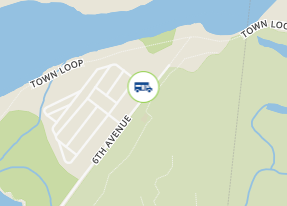
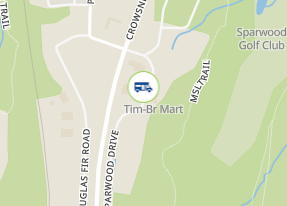
Fernie RV Resort is a year-round destination offering 161 fully serviced RV sites—including 26 pull-throughs—alongside 11 tenting sites, 5 heated yurts, and 10 luxury RV Lodges. Ideally located between the Elk River, Fernie Golf Course, and Maiden Lake, the resort provides easy access to Fernie’s Historic Downtown, shopping, and dining. Guests can step directly onto the Riverside Resort Trail, which connects to Fernie’s extensive trail network for walking and biking, and transforms into a groomed Nordic skiing route in winter. On-site amenities include two family-style washroom facilities with private showers, 30- and 50-amp electrical service, free Wi-Fi, professional laundry, a children’s playground, a pump track, and a convenient sani-dump and water fill-up station. Winter-ready features such as fully winterized RV sites with all-weather plumbing, regular snow clearing, and direct access to groomed multi-use and Nordic trails ensure comfort and adventure in every season. Winter Rates Available.

Open All Year

2001 6th Ave

Mountain Shadows Campground is a tenting and RV/trailer site situated near Highway #3 and nestled in a cozy forested setting just minutes from downtown Sparwood. This is a popular area in the summer months and reservations are strongly recommended. See you in the woods!

May - Oct (weather dependent)

606 Sparwood Drive

Situated near Hwy 3 and nestled in a cozy forested setting just minutes from downtown Sparwood.

User Feed

Type
8 years ago
8 years ago

The Elk River watershed is located in the southeastern corner of British Columbia, and is nestled among the spectacular scenery of the Rocky Mountains. The river runs through the towns of Elkford, Sparwood, Fernie, and empties into Lake Koocanusa. The eastern portion of the watershed forms the border between Alberta and British Columbia. The headwaters are located within Elk Lake Provincial Park, at the northern extent of the watershed. Hwy 3 runs along Elk River between and Sparwood and Elko, providing many access points to the river. North of Sparwood, Hwy 43 runs along the river to the town of Elkford. Beyond Elkford is a logging road that takes you along the river, to the entrance of Elk Lakes Provincial Park. Elk River is the region’s best known river and has gained a ‘must fish’ reputation with many anglers. There are cutthroat trout ranging in size from 14 to 22 inches, and bull trout from 18 to 30 inches. When the season opens on June 15, the river is often a little muddy, but with persistence and maybe a few bright streamers the fishing can still be rewarding. Zonkers and Bow River Buggers are two of the best and cutthroat respond well to them. The Stone fly hatch on the Elk is truly hit and miss. One day it can be excellent with even the big boys coming up only to have the next day quiet. If you plan on fishing this time of year, be sure to use Stimulators and Madame Xs or anything else large. Even in the early season murky water, the trout will pounce the surface. After mid-July, you can count on the water being clear and fast. If you are fishing nymphs, a strike indicator and a heavy weight is the ticket. Almost any nymph with a bead will catch fish but some may be better than others. Large brown and golden stones work in the spring, while Princes, Hare’s Ears and Pheasant Tail nymphs line most of the guides’ boxes all season. The cutthroat truly are kind to the dry fly fisher all summer long on the Elk. An old beat up Royal Coachman will allow even the newest fishers a great day. Caddis hatches occur off-and-on primarily at night with Mayflies hatching almost every day. Many locals swear by the traditional patterns but many successful fishers are catching more trout on new innovative patterns. Chernobyl Ants, Turks Tarantulas, Foam Spiders and just about anything else, all have their time and place on the Elk. With increased pressure every year, the trout seem to have wised up to the patterns they took in the past. If you are more of a traditionalist, do not worry, Elk Hair Caddis, Adams and Stimulators probably still work the best. As the trees start turning and the crowds disperse, those familiar Blue Winged Olives start to work the surface. Similar to the Crowsnest, these tiny Mayflies (16-22) cause the trout to ignore their surroundings and begin the heavy feeding required for the long winter. Wading is easy this time of year and the temperature is often just right. Small Mayfly nymphs and emergers should work before and after they break free to the air. Tiny Pheasant Tails work well weighted, and with a dab of floatant, they can also imitate the emerger. The CDC blue-winged olive and small Adams fool secure the old wise trout at this time of year. Usually the largest fish of the season are hooked in the fall. Remember to check the B.C. Freshwater Fishing Regulations before heading out. The Elk River is a Class II water when open and other restrictions exist.
8 years ago

My favourite time of year on the Elk.

8 years ago

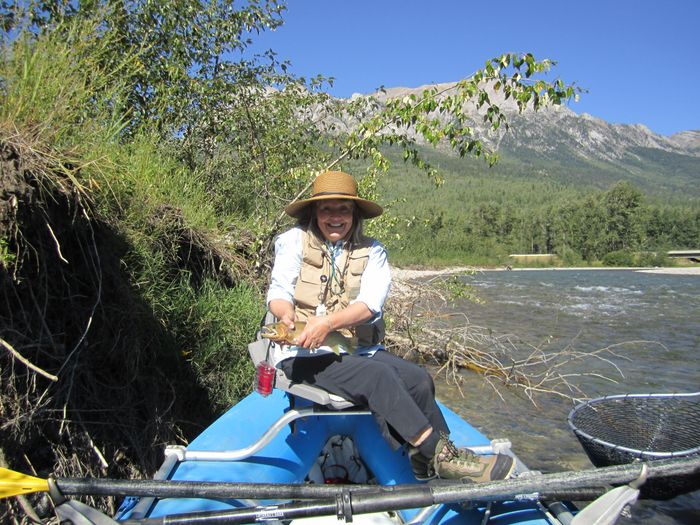
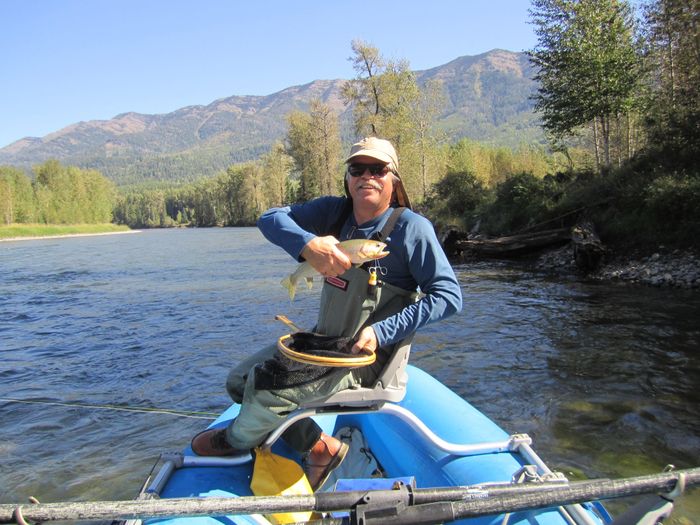
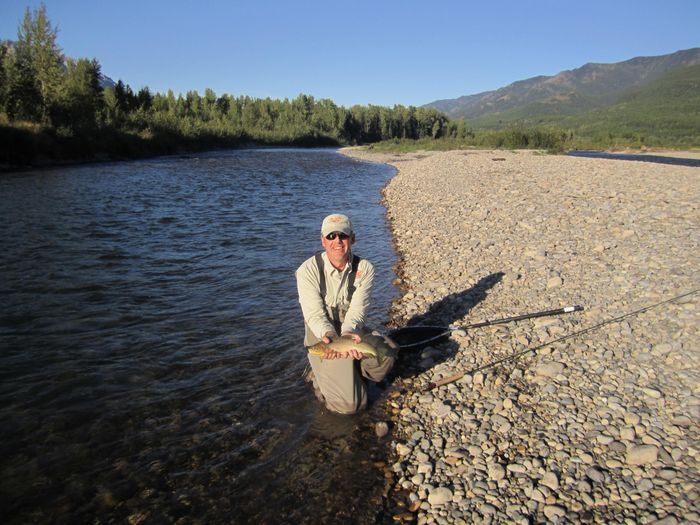
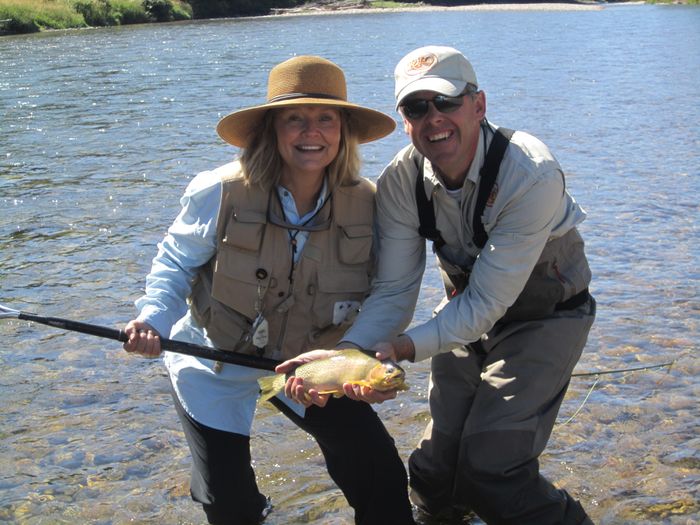
Structure and foam lines pay off again.Pure Westslope Cutthroats thanks to the small dam.

8 years ago

Another great day floating the Elk in September,yellow slabs sipping small sedge flies.

8 years ago

Our guide takes a break to hook a few Cutts on a beauty day floating the Elk River.

8 years ago

Floating the Elk River for pure strain Westslope Cutthroat trout.Nice yellow slabs with a slow motion take that puts your heart racing.

8 years ago
8 years ago

Fly Fishing in the East Kootenays What do you look for when selecting a new fly-fishing destination? Great scenery? Accessibility? Productive water? Sometimes we have to sacrifice one for the other, but there are places where that trifecta truly exists … and they don’t all require a plane ticket or long days of bushwhacking to get there. Tucked between impressive, jagged mountain peaks, pristine alpine lakes trickle into tea-stained creeks and gin-clear freestone rivers boiling with aggressive, surface-feeding trout. No more than a day’s drive east of the Lower Mainland, the East Kootenays often enchant anglers fortunate enough to experience these exceptional fisheries. The East Kootenays is home to a variety of species that fly anglers covet, including rainbow trout, bull trout, eastern brook char, kokanee, Rocky Mountain whitefish, and bass. Perhaps most notably, it’s home to the westslope cutthroat trout. Every summer, fly-fishers from around the globe travel to the town of Fernie to drift the renowned Elk River stalking these big topwater “cutties.” Targeting rising trout with dry flies categorizes the epitome of mindfulness and, like all fisheries, poses some challenges. Many factors can influence a good day of dry fly-fishing: time of year, temperature, weather, location, and insect hatches. As spring turns to summer, and summer to fall, all of these variables are constantly changing. However, with time, experience, and consideration of all the factors, anglers can look into their fly box with almost mathematical precision, and select the correct flies to meet the conditions. The southeastern corner of B.C. is also a major destination for lake fishing. The Rocky Mountain landscape creates a diversity of stillwater fishing that ranges from long, deep lakes (like Whiteswan and Alces) to small pocket lakes (like Norbury, or Campbell Meyer), each with unique species and strains of fish. These lakes are notoriously productive, offering many fun opportunities for dragging leeches or setting chironomids on trout, or even stripping poppers across warm, shallow ponds for aggressive bass. The Freshwater Fisheries Society’s stocking program creates great fishing throughout B.C. In the Kootenays alone, the Society stocks approximately 110 lakes with rainbow trout, cutthroat trout, eastern brook char, and kokanee. Whether you like to spend your afternoons bobbing in a float tube, cruising in a tinny, or straining to watch your tiny Callibaetis imitation as it drifts along a frothy seam in the current, chances are there is a lake or stream that will meet your needs (and it probably has a boat launch, too). And let’s face it; we’re not always out there for the fish. Catching them is a much-welcomed bonus. The allure of fishing often comes from the environment, the scenery, the challenge, and the charm of a life-long journey of infinite learning. Every day on the water with a fly rod in hand is another chance to learn something new, and connect with your surroundings. The East Kootenays is where all of those dynamics work together to create incredible fishing experiences for every angler. Author: Jen Dunphy Original Post: https://www.gofishbc.com/Blog/Where-to-Fish/Fly-Fishing-in-the-East-Kootenays.aspx

8 years ago

"The Elk River watershed is located in the southeastern corner of British Columbia, and is nestled among the spectacular scenery of the Rocky Mountains. The river runs through the towns of Elkford, Sparwood, Fernie, and empties into Lake Koocanusa. The eastern portion of the watershed forms the border between Alberta and British Columbia. The headwaters are at at Elk Lake Provincial Park, located at the northern extent of the watershed. Highway Three runs along Elk River between and Sparwood and Elko, providing great access to the river. North of Sparwood, Highway 43 runs along the river to the town of Elkford. Beyond Elkford is a logging road that takes you along the river, to the entrance of Elk Lakes Provincial Park. Elk River is the region’s best known river and has gained a ‘must fish’ reputation with many anglers. There are cutthroat trout ranging in size from 14 to 22 inches, and bull trout from 18 to 30 inches. When the season opens on June 15, the river is often a little muddy, but with persistence and maybe a few bright streamers the fishing can still be rewarding. Zonkers and Bow River Buggers are two of the best and cutthroat respond well to them. The Stone fly hatch on the Elk is truly hit and miss. One day it can be excellent with even the big boys coming up only to have the next day quiet. If you plan on fishing this time of year, be sure to use Stimulators and Madame Xs or anything else large. Even in the early season murky water, the trout will pounce the surface. After mid-July, you can count on the water being clear and fast. If you are fishing nymphs, a strike indicator and a heavy weight is the ticket. Almost any nymph with a bead will catch fish but some may be better than others. Large brown and golden stones work in the spring, while Princes, Hare’s Ears and Pheasant Tail nymphs line most of the guides’ boxes all season. The cutthroat truly are kind to the dry fly fisher all summer long on the Elk. An old beat up Royal Coachman will allow even the newest fishers a great day. Caddis hatches occur off and on primarily at night with Mayflies hatching almost every day. Many locals swear by the traditional patterns but many successful fishers are catching more trout on new innovative patterns. Chernobyl Ants, Turks Tarantulas, Foam Spiders and just about anything else, all have their time and place on the Elk. With increased pressure every year, the trout seem to have wised up to the patterns they took in the past. If you are more of a traditionalist, do not worry, Elk Hair Caddis, Adams and Stimulators probably still work the best. As the trees start turning and the crowds disperse, those familiar Blue Winged Olives start to work the surface. Similar to the Crowsnest, these tiny Mayflies (16-22) cause the trout to ignore their surroundings and begin the heavy feeding required for the long winter. Wading is easy this time of year and the temperature is often just right. Small Mayfly nymphs and emergers should work before and after they break free to the air. Tiny Pheasant Tails work well weighted, and with a dab of floatant, they can also imitate the emerger. The CDC blue-winged olive and small Adams fool secure the old wise trout at this time of year. Usually the largest fish of the season are hooked in the fall. Remember to check the B.C. Freshwater Fishing Regulations before heading out. The Elk River is a Class II water when open and other restrictions exist. "
9 years ago

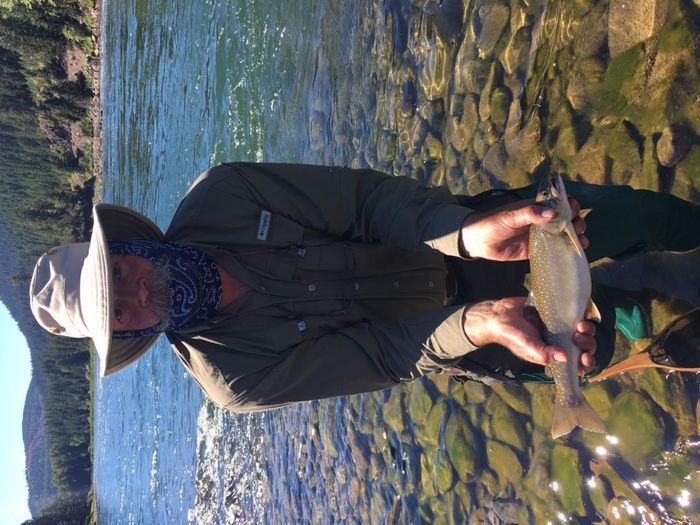
First Bull Trout of the day...

First Bull Trout of the day for my dad!

9 years ago

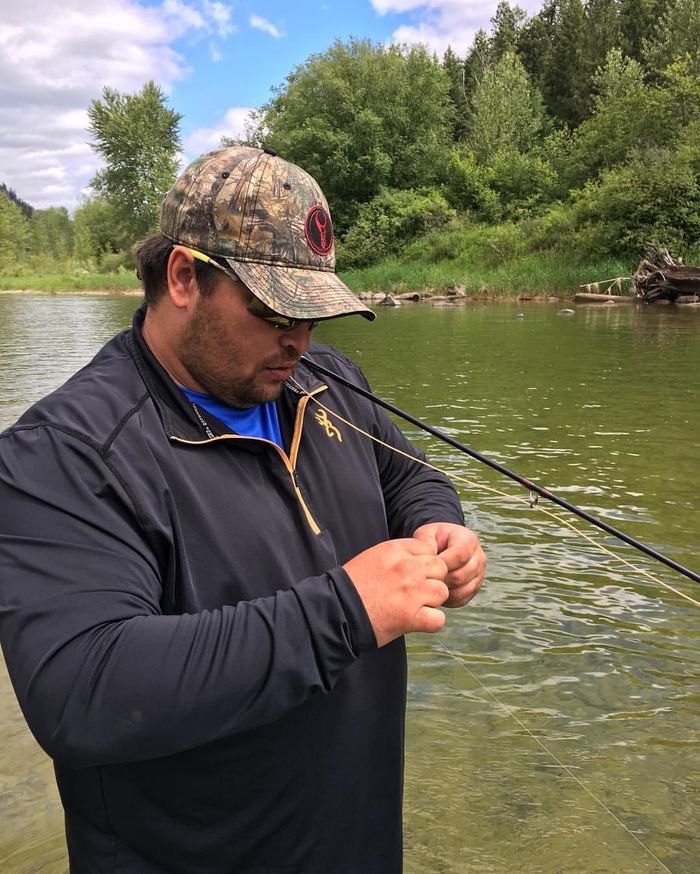
Focused

Concentration! Taking the time to tie on the right fly.

9 years ago

No Waders No Problem

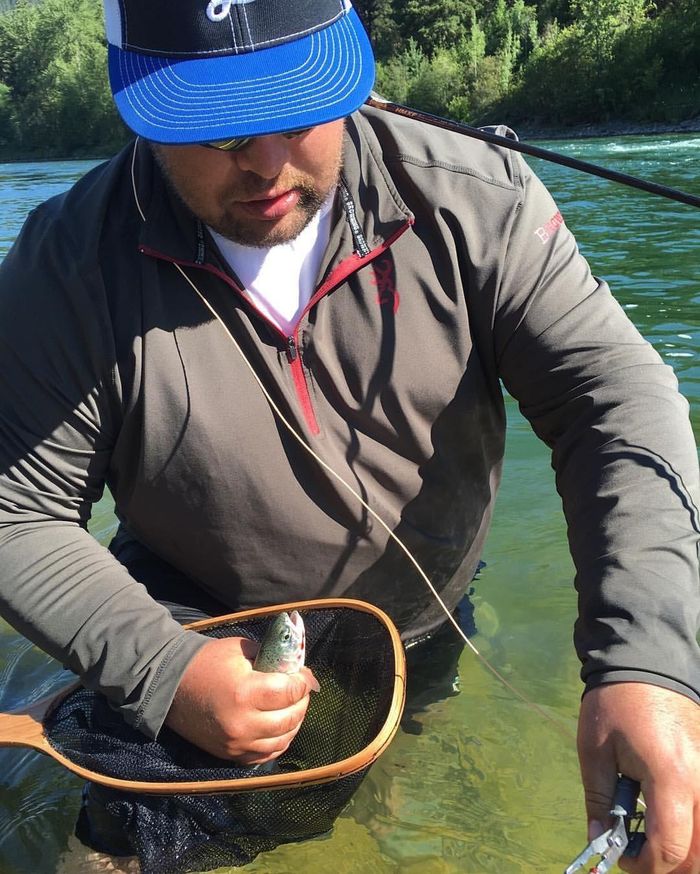
My friend releasing a nice little trout during a beautiful summer day.

9 years ago

Summer Rising

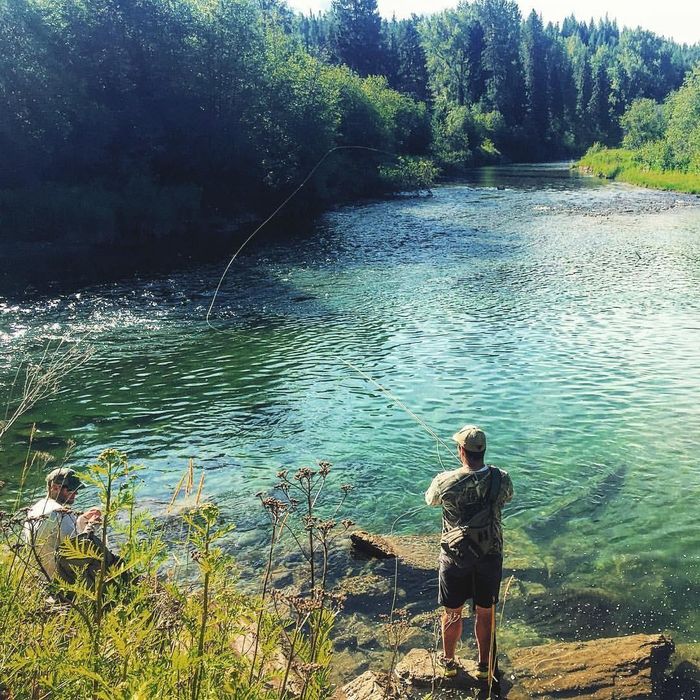
There is nothing like rising cutthroat in the summer with your best friends.

9 years ago

Adventure!

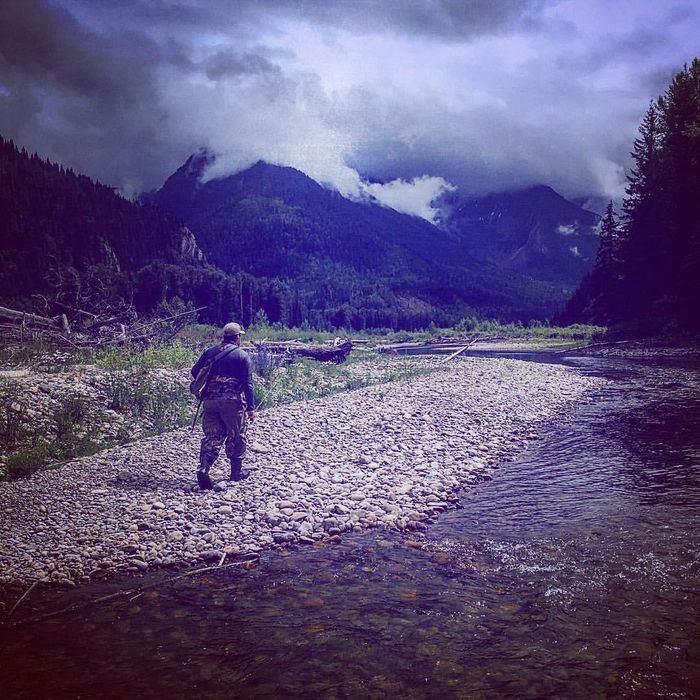
Finding water is the easy part, locating the fish is the challenge. Here is a picture of my brother finding the next run or pool to fish!

9 years ago

Elk River

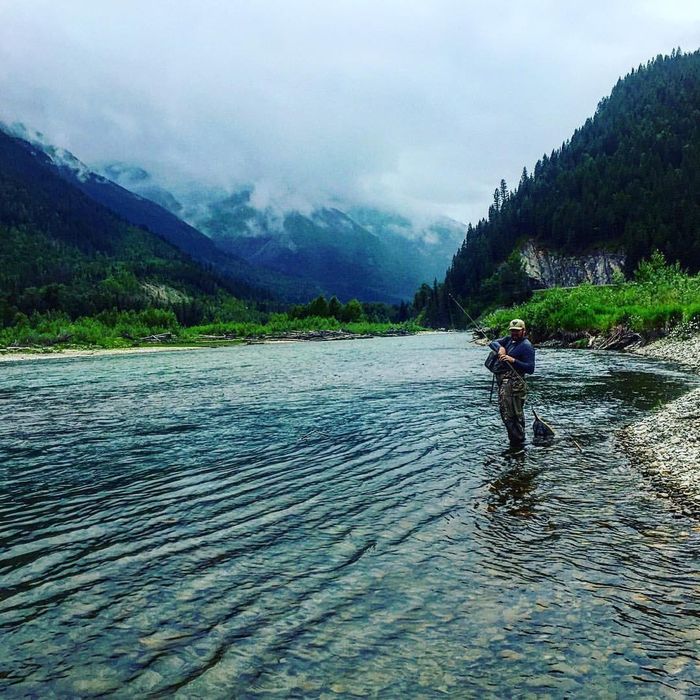
Nothing like pulling over on the side of the road and being able to fish a mountain river like this. Enjoying the scenery is worth the stop alone, catching fish was just a bonus.

9 years ago

Map of The Day: July 5, 2016

The Elk River watershed is located in the southeastern corner of British Columbia, and is nestled among the spectacular scenery of the Rocky Mountains. The river runs through the towns of Elkford, Sparwood, Fernie, and empties into Lake Koocanusa. The eastern portion of the watershed forms the border between Alberta and British Columbia. The headwaters of this river begin at Elk Lake Provincial Park, located at the northern extent of the watershed. Highway three runs along Elk River between and Sparwood and Elko, providing many good access points to the river. North of Sparwood is Highway 43, which runs along the river to the town of Elkford. Beyond Elkford is a logging road that takes you along the river, to the entrance of Elk Lakes Provincial Park. Elk River is the region’s best known river and has gained a ‘must fish’ reputation with many anglers. There are cutthroat trout ranging in size from 14 to 22 inches, and bull trout from 18 to 30 inches. When the season opens on June 15, the river is often a little muddy, but with persistence and maybe a few bright streamers the fishing can still be rewarding. Zonkers and Bow River Buggers are two of the best and cutthroat respond well to them. The Stone fly hatch on the Elk is truly hit and miss. One day it can be excellent with even the big boys coming up only to have the next day quiet. If you plan on fishing this time of year, be sure to use Stimulators and Madame Xs or anything else large. Even in the early season murky water, the trout will pounce the surface. After mid-July, you can count on the water being clear and fast. If you are fishing nymphs, a strike indicator and a heavy weight is the ticket. Almost any nymph with a bead will catch fish but some may be better than others. Large brown and golden stones work in the spring, while Princes, Hare’s Ears and Pheasant Tail nymphs line most of the guides’ boxes all season. The cutthroat truly are kind to the dry fly fisher all summer long on the Elk. An old beat up Royal Coachman will allow even the newest fishers a great day. Caddis hatches occur off and on primarily at night with Mayflies hatching almost every day. Many locals swear by the traditional patterns but many successful fishers are catching more trout on new innovative patterns. Chernobyl Ants, Turks Tarantulas, Foam Spiders and just about anything else, all have their time and place on the Elk. With increased pressure every year, the trout seem to have wised up to the patterns they took in the past. If you are more of a traditionalist, do not worry, Elk Hair Caddis, Adams and Stimulators probably still work the best. As the trees start turning and the crowds disperse, those familiar Blue Winged Olives start to work the surface. Similar to the Crowsnest, these tiny Mayflies (16-22) cause the trout to ignore their surroundings and begin the heavy feeding required for the long winter. Wading is easy this time of year and the temperature is often just right. Small Mayfly nymphs and emergers should work before and after they break free to the air. Tiny Pheasant Tails work well weighted, and with a dab of floatant, they can also imitate the emerger. The CDC blue-winged olive and small Adams fool secure the old wise trout at this time of year. Usually the largest fish of the season are hooked in the fall. Remember to check the B.C. Freshwater Fishing Regulations before heading out. The Elk River is a Class II water when open and other restrictions exist.
10 years ago

New Map and Article!

For all you Kootenay, BC Region anglers, we've posted a new map and article for the Elk River!

10 years ago