Events
  Places
  Fish
Fish  Research
  Sign in
  New Catch Log
  New Trip Log
 Where is Athabasca River?
Athabasca River (55.8577, -113.2875), located in Northern Boreal (Nb4) Zone, Eastern Slopes (Es3) Zone, Banff-Jasper, Northern Boreal (Nb1) Zone, Northern Boreal (Nb2) Zone, Alberta, Canada spans 41197.9 hectares (approximately 101804 acres or 412 square kilometers).
Which fish can I catch at Athabasca River?
The most popular species caught here are Walleye, Bull Trout, and Arctic Grayling. Please use your best judgement when determining where you can fish, and make sure you follow local rules and regulations.
What does Athabasca River have?
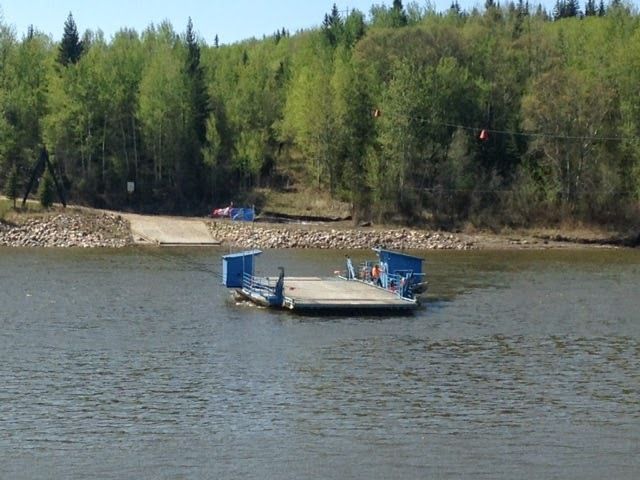
Our members have marked 2 Other Markers and 4 Boat Launches at Athabasca River. You can view these markers on the map.


Species
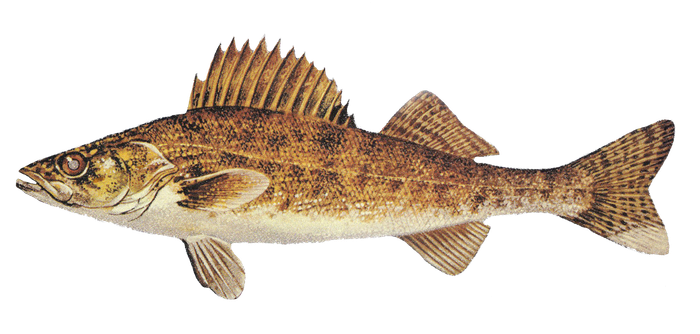
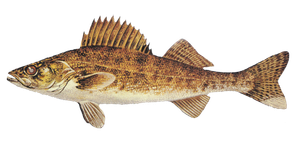 Walleye
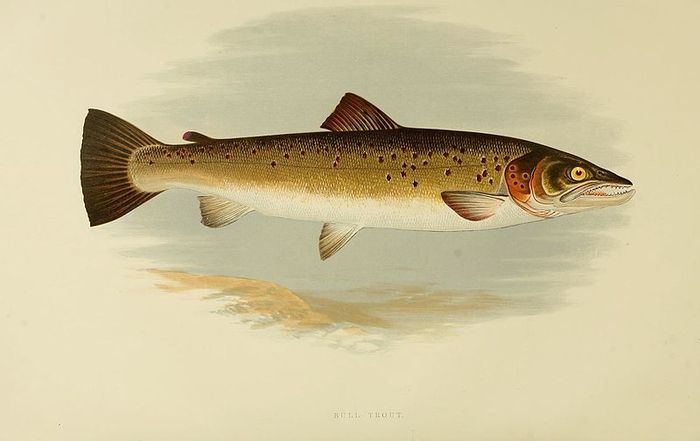
 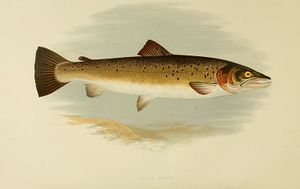 Bull Trout
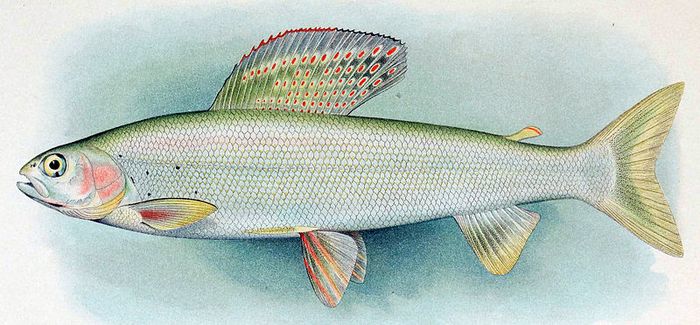
 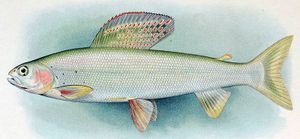 Arctic Grayling
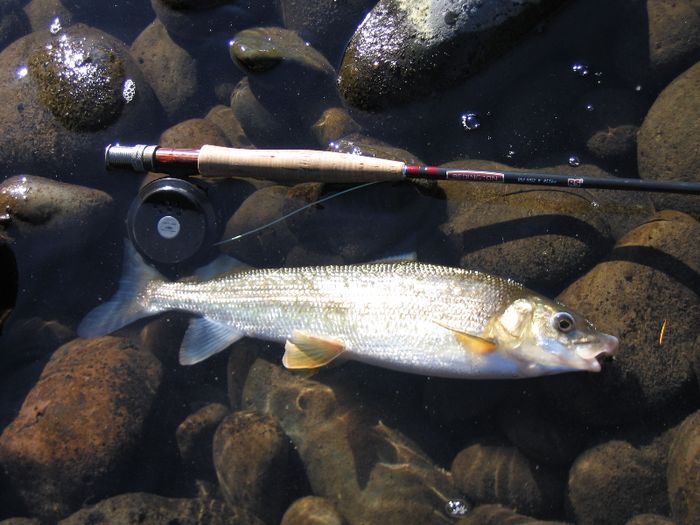
 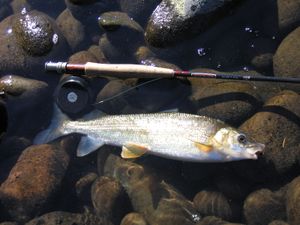 Mountain Whitefish
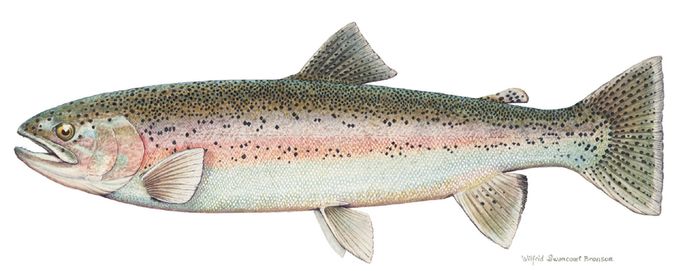
 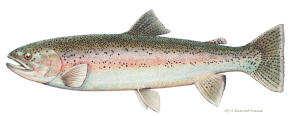 Rainbow Trout
 About Athabasca River
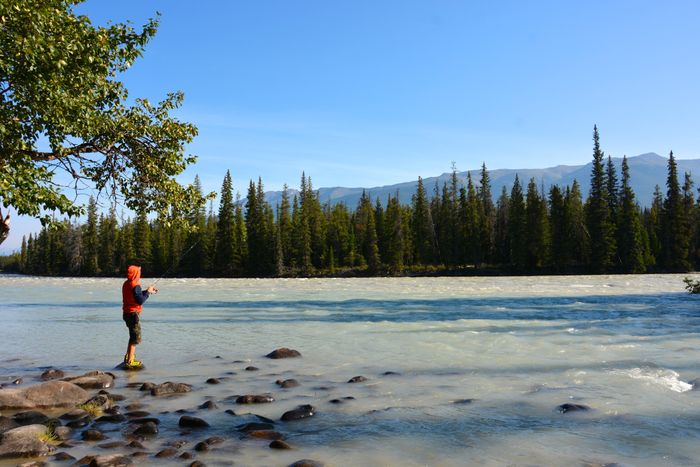
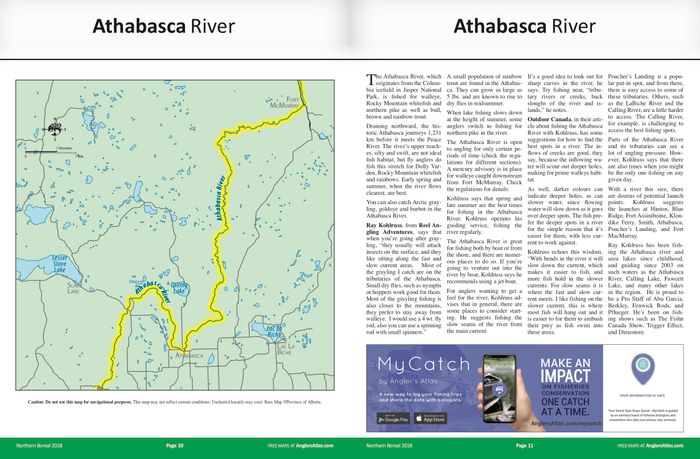
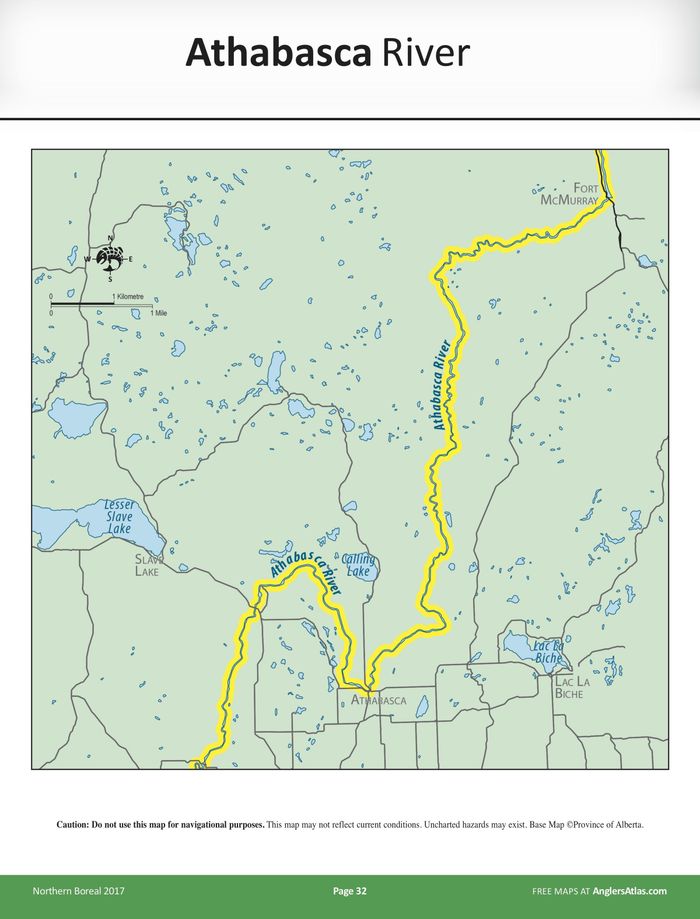
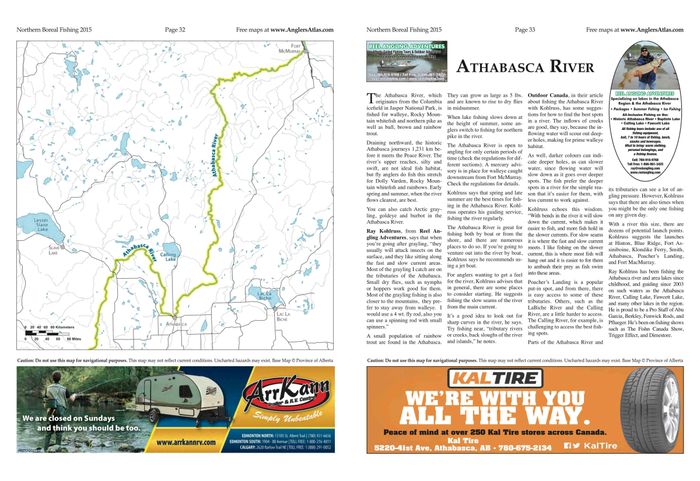
The Athabasca River, which originates from the Columbia ice field in Jasper National Park, is fished for walleye, Rocky Mountain whitefish and northern pike as well as bull, brown and rainbow trout. Draining northward, the historic Athabasca journeys 1,231 km before it meets the Peace River. The river’s upper reaches, silty and swift, are not ideal fish habitat, but fly anglers do fish in this stretch for Dolly Varden, Rocky Mountain whitefish and rainbows. Early spring and summer, when the river flows clearest, are best.
You can also catch Arctic grayling, goldeye and burbot in the Athabasca River. Ray Kohlruss, from Reel Angling Adventures, says that when you’re going after grayling, “they usually will attack insects on the surface, and they like sitting along the fast and slow current areas. Most of the grayling I catch are on the tributaries of the Athabasca. Small dry flies, such as nymphs or hoppers work good for them. Most of the grayling fishing is also closer to the mountains, they prefer to stay away from walleye. I would use a 4 wt. fly rod, also you can use a spinning rod with small spinners.”
A small population of rainbow trout are found in the Athabasca. They can grow as large as 5 lbs.and are known to rise to dry flies in midsummer. When lake fishing slows down at the height of summer, some anglers switch to fishing for northern pike in the river. The Athabasca River is open to angling for only certain periods of time (check the regulations for different sections).
A mercury advisory is in place for walleye caught downstream from Fort McMurray. Check the regulations for details. Kohlruss says that spring and late summer are the best times for fishing in the Athabasca River. Kohlruss operates his guiding service, fishing the river regularly. The Athabasca River is great for fishing both by boat or from the shore, and there are numerous places to do so. If you’re going to venture out into the river by boat, Kohlruss says he recommends using a jet boat.
For anglers wanting to get a feel for the river, Kohlruss advises that in general, there are some places to consider starting. He suggests fishing the slow seams of the river from the main current. It’s a good idea to look out for sharp curves in the river, he says. Try fishing near "tributary rivers or creeks, back sloughs of the river and islands,” he notes.
Outdoor Canada, in their article about fishing the Athabasca River with Kohlruss, has some suggestions for how to find the best spots in a river. The inflows of creeks are good, they say, because the inflowing water will scour out deeper holes, making for prime walleye habitat. As well, darker colours can indicate deeper holes, as can slower water, since flowing water will slow down as it goes over deeper spots. The fish prefer the deeper spots in a river for the simple reason that it’s easier for them, with less current to work against.
Kohlruss echoes this wisdom. “With bends in the river it will slow down the current, which makes it easier to fish, and more fish hold in the slower currents. For slow seams it is where the fast and slow current meets. I like fishing on the slower current, this is where most fish will hang out and it is easier to for them to ambush their prey as fish swim into these areas."
Poacher’s Landing is a popular put-in spot, and from there, there is easy access to some of these tributaries. Others, such as the LaBiche River and the Calling River, are a little harder to access. The Calling River, for example, is challenging to access the best fishing spots. Parts of the Athabasca River and its tributaries can see a lot of angling pressure. However, Kohlruss says that there are also times when you might be the only fishing on any given day. With a river this size, there are dozens of potential launch points. Kohlruss suggests the launches at Hinton, Blue Ridge, Fort Assiniboine, Klondike Ferry, Smith, Athabasca, Poacher’s Landing, and Fort McMurray.
Ray Kohlruss has been fishing the Athabasca river and area lakes since childhood, and guiding since 2003 on such waters as the Athabasca River, Calling Lake, Fawcett Lake, and many other lakes in the region. He is proud to be a Pro Staff of Abu Garcia, Berkley, Fenwick Rods, and Pflueger. He’s been on fishing shows such as The Fishn Canada Show, Trigger Effect, and Dimestore.

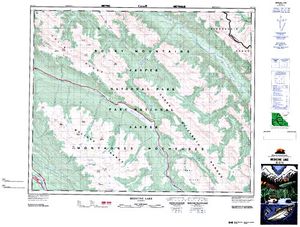
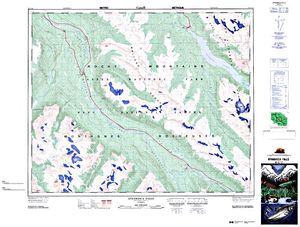
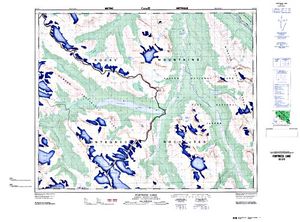
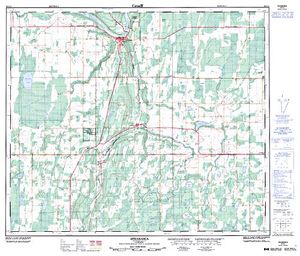
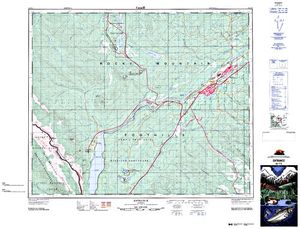
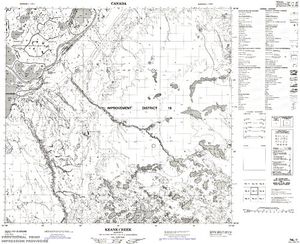
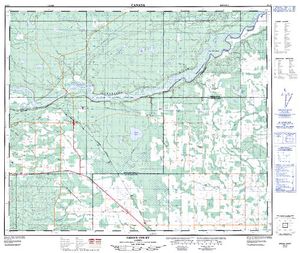
Free Maps (37)
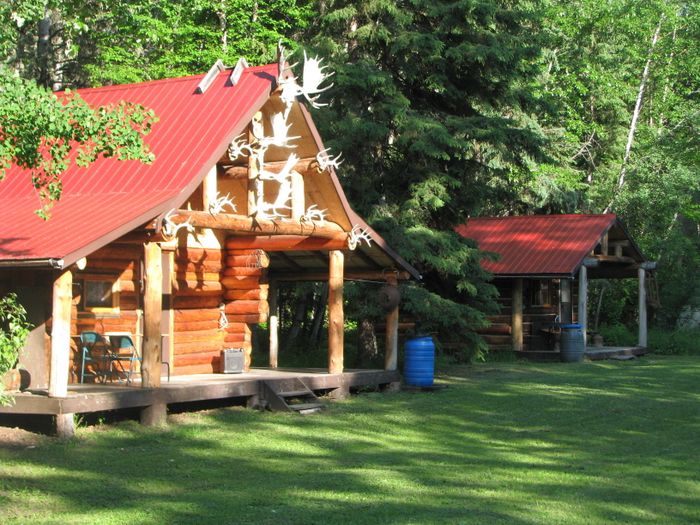
Lodging and Camping
User Feed

Other Marker Added
|width:0|52.493070581,-118.098180832|58.46944067,-118.098180832|58.46944067,-110.841585546|52.493070581,-110.841585546|52.493070581,-118.098180832)


Other Marker Added
|width:0|52.493070581,-118.098180832|58.46944067,-118.098180832|58.46944067,-110.841585546|52.493070581,-110.841585546|52.493070581,-118.098180832)



Boat Launch Marker Added
|width:0|52.493070581,-118.098180832|58.46944067,-118.098180832|58.46944067,-110.841585546|52.493070581,-110.841585546|52.493070581,-118.098180832)
Boat Launch Marker Added
|width:0|52.493070581,-118.098180832|58.46944067,-118.098180832|58.46944067,-110.841585546|52.493070581,-110.841585546|52.493070581,-118.098180832)
Boat Launch Marker Added
|width:0|52.493070581,-118.098180832|58.46944067,-118.098180832|58.46944067,-110.841585546|52.493070581,-110.841585546|52.493070581,-118.098180832)

Boat Launch Marker Added
|width:0|52.493070581,-118.098180832|58.46944067,-118.098180832|58.46944067,-110.841585546|52.493070581,-110.841585546|52.493070581,-118.098180832)