 Events
  Places
  Fish
Fish  Research
  Sign in
  New Catch Log
  New Trip Log
 Bull Trout
Anadromous Bull Trout, Salvelinus confluentus
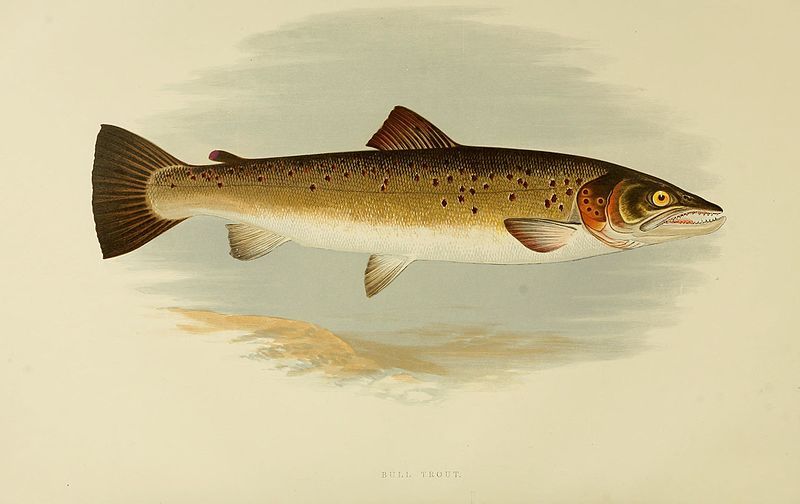
Bull Trout
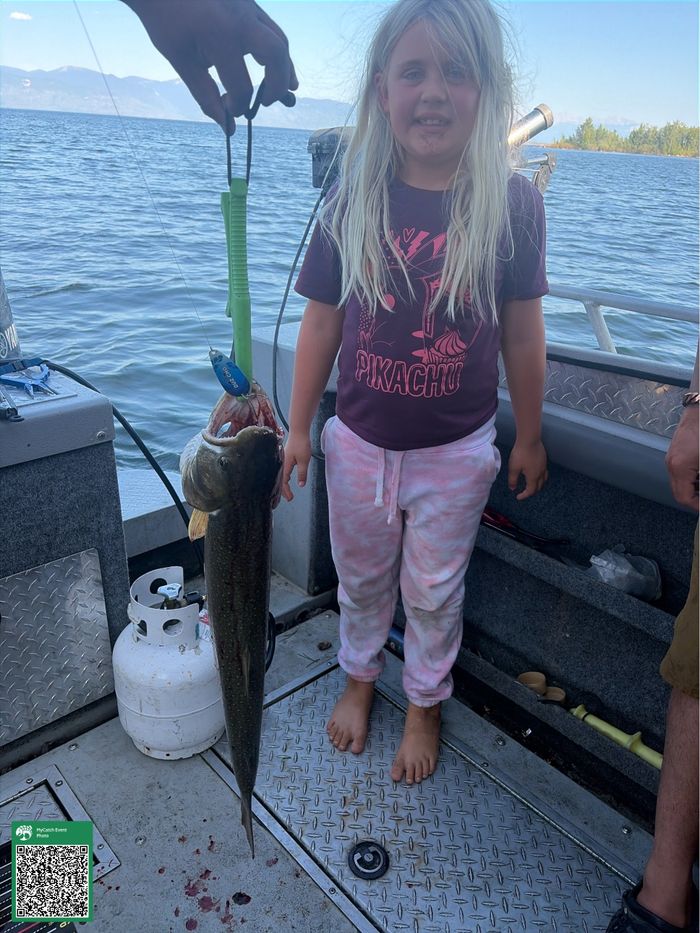
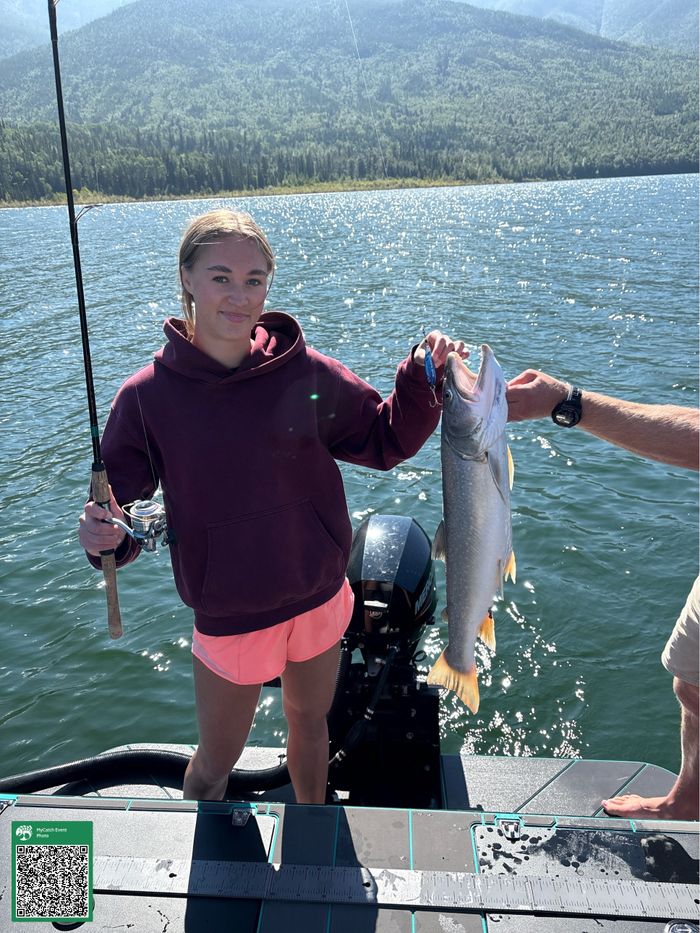
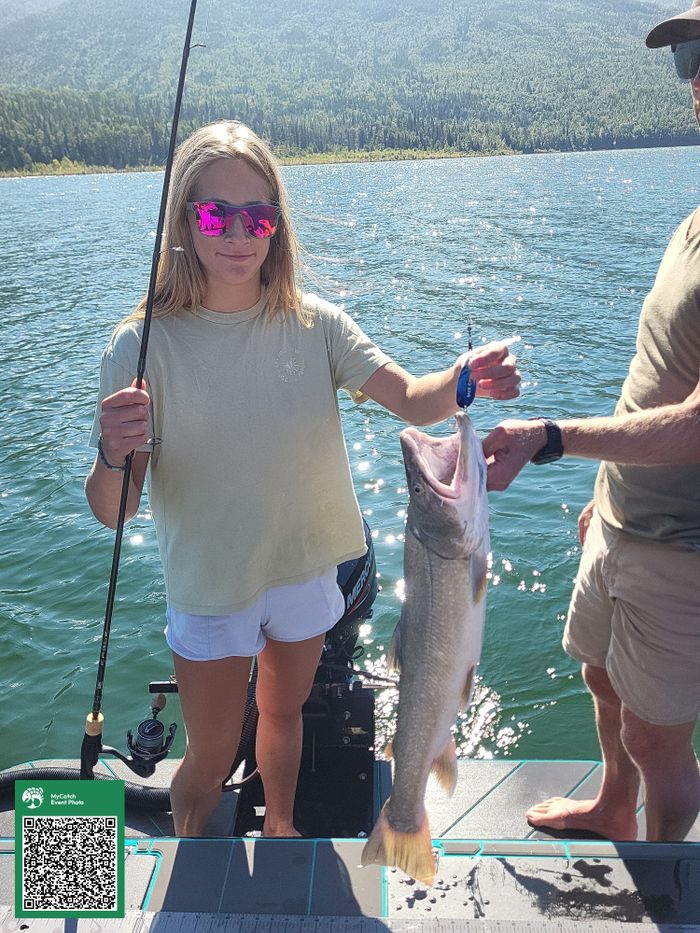
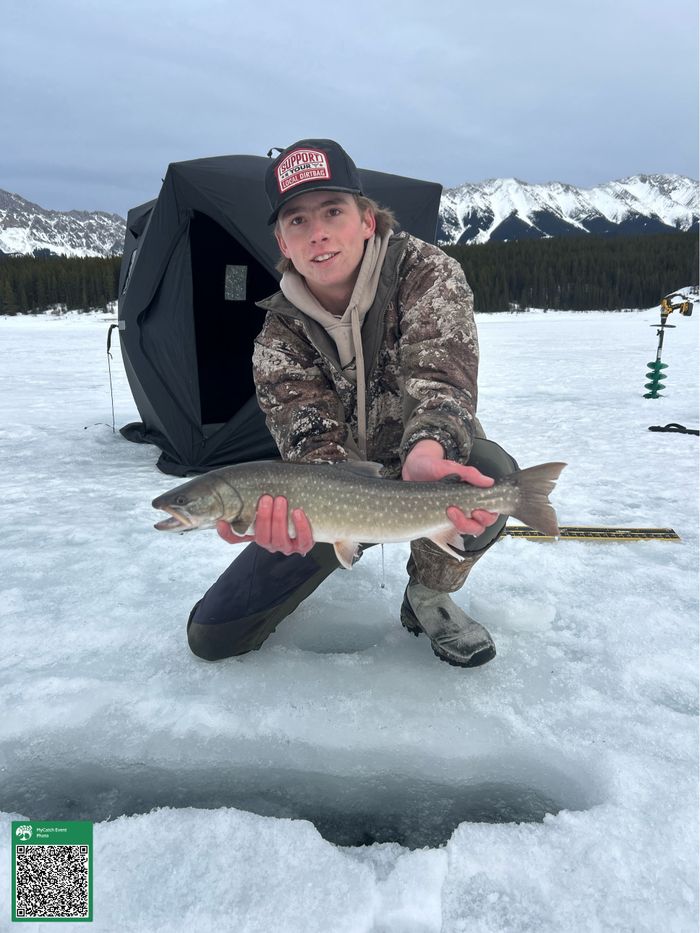
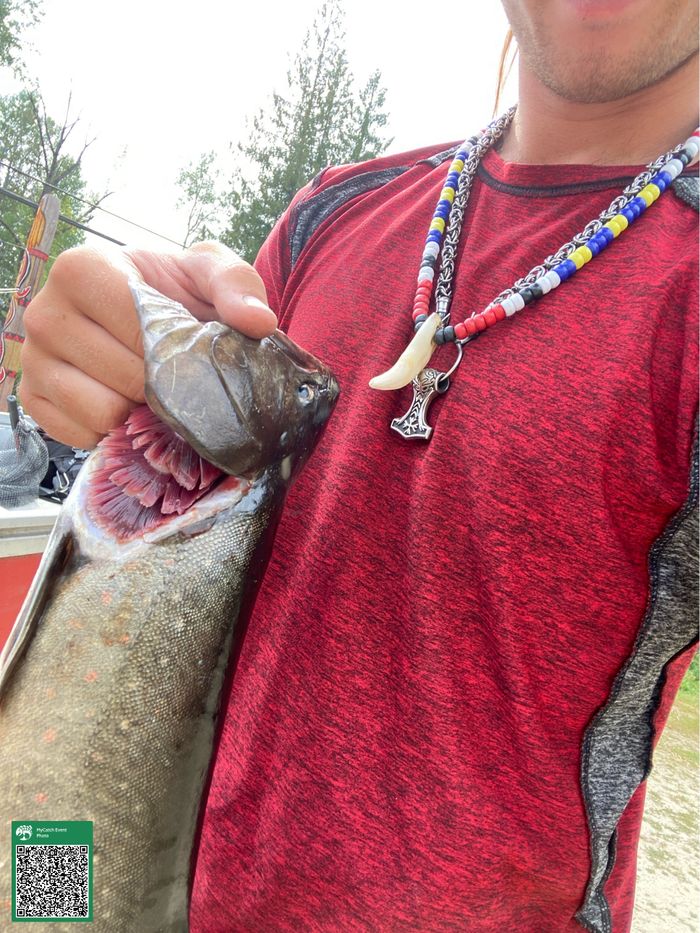
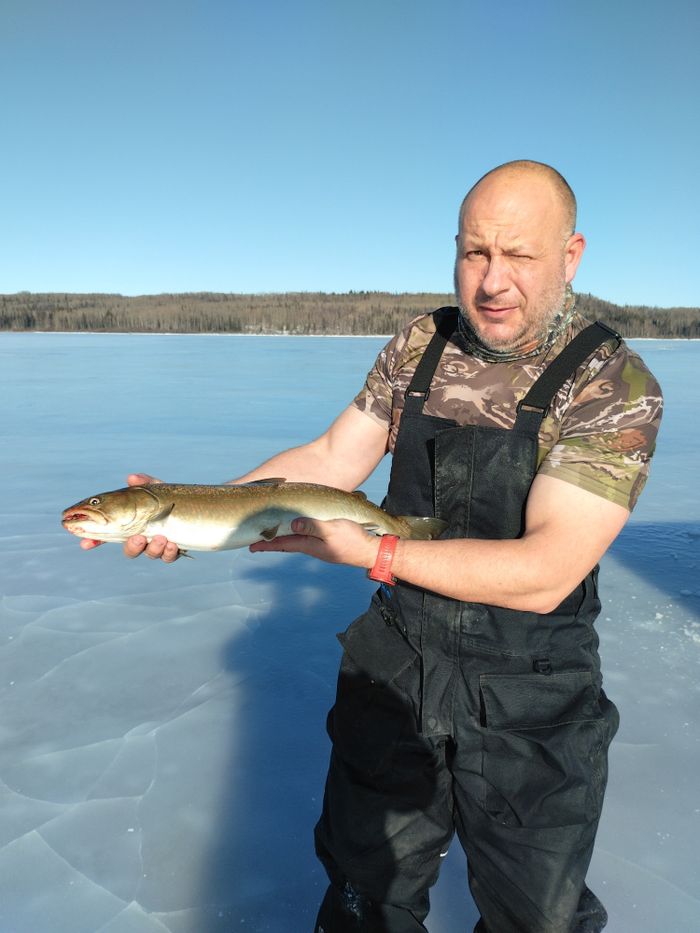
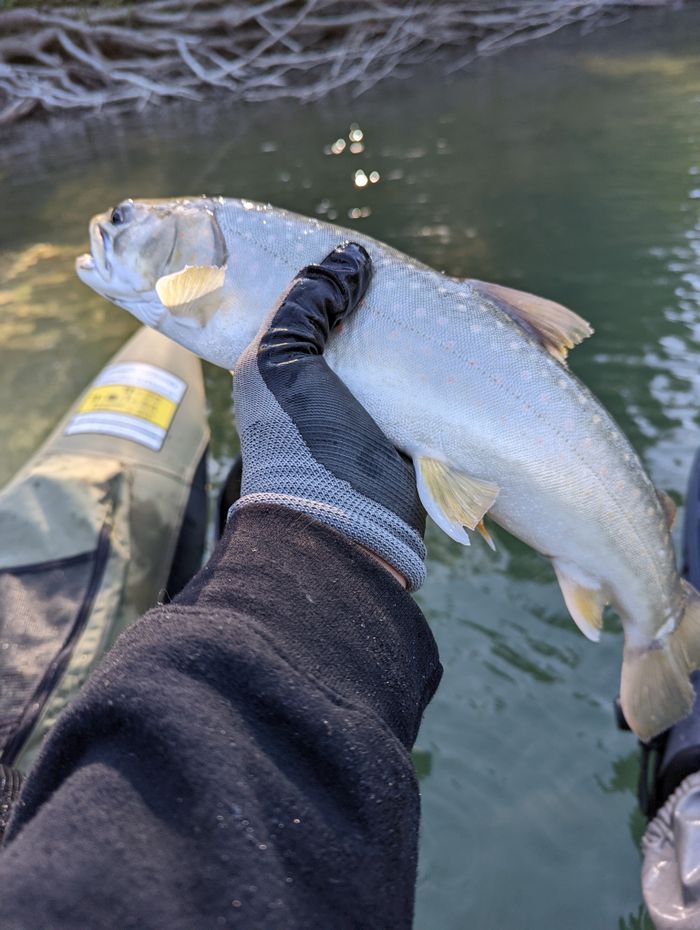
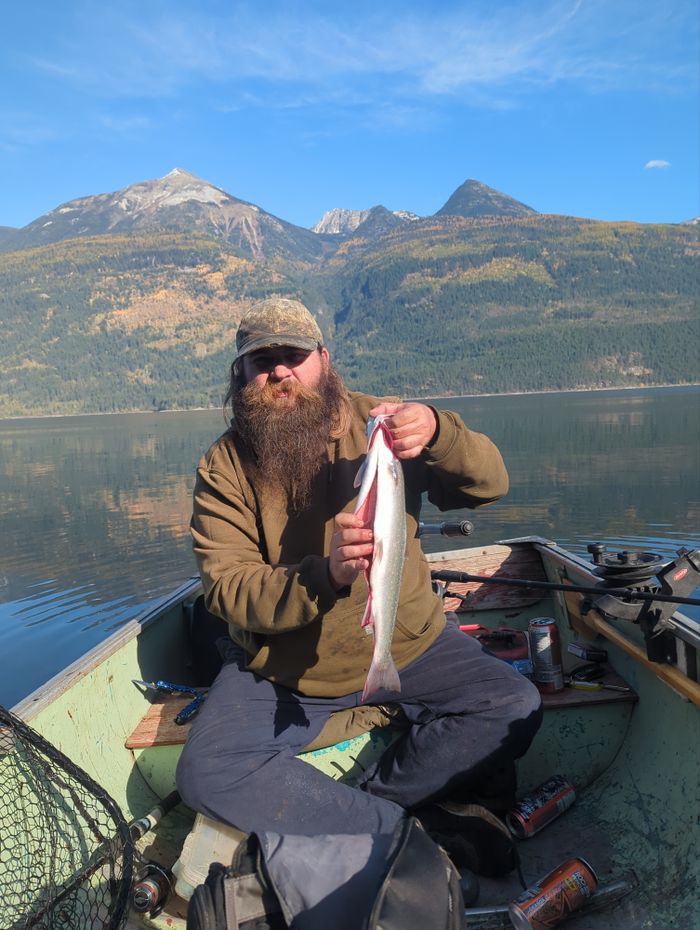
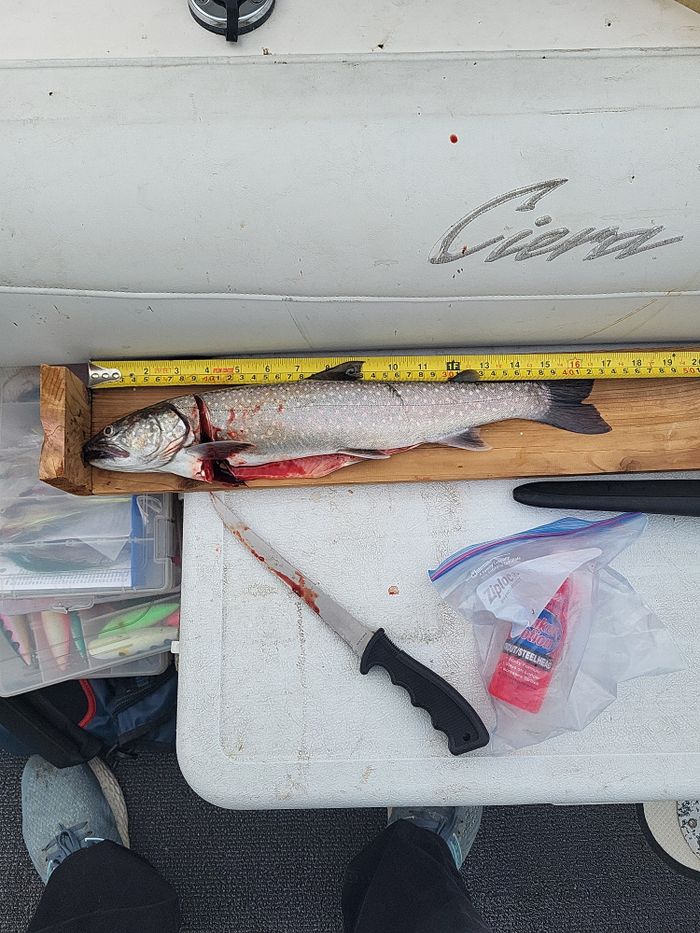
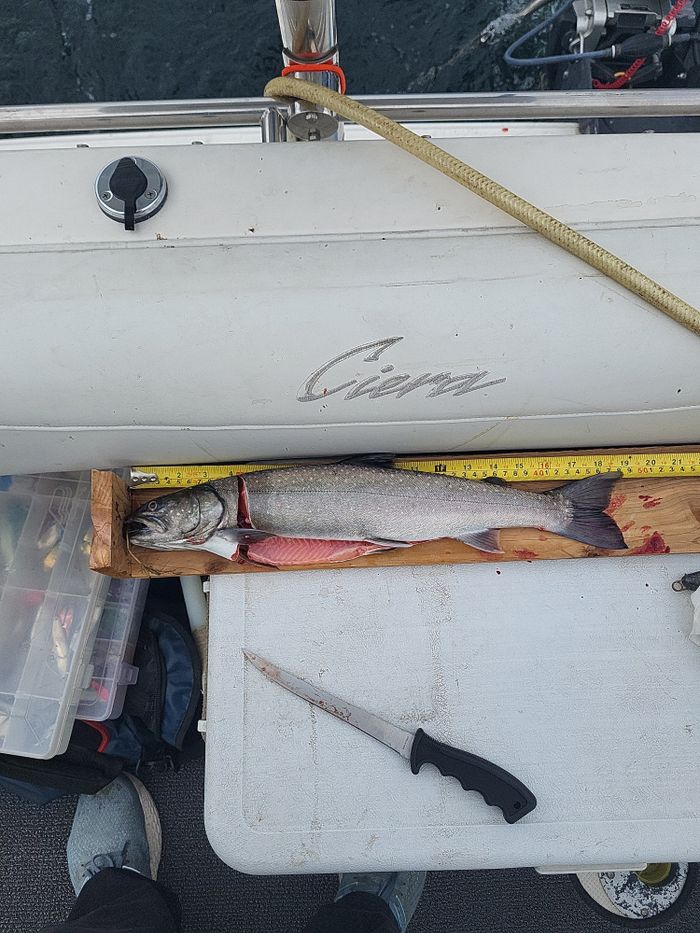
Bull Trout can be found throughout the western region of North America, spanning from the southern coastal areas around southern Vancouver Island down to the Klamath River, and in interior coastal regions of the west coast, ranging south of the Yukon River, east to the South Saskatchewan River, and south to the Snake River. Their range extends west of Washington, south to Medford, Oregon, and east to Montana (Helena) and south to Idaho. Bull Trout are often misidentified as their landlocked cousin, the Dolly Varden (Salvelinus malma). Bull trout can be identified by their long, slender body, large, broad, flat head, and prominent jaw, which is the source of their common name, “bull” trout. Bull Trout also typically have more anal fin rays than Dolly Varden. Bull Trout coloration ranges from olive-green to blue-grey, with silvery sides and pale stomachs, which turn red in males during the spawning season. Round spots along the dorsal and sides can be pink, lilac, yellow-orange, or red. The tail fin is slightly forked, and the pelvic and anal fins may have a leading white edge, similar to brook trout. This species has a voracious appetite, primarily targeting other fish species.Source: Montana Field Guide (https://fieldguide.mt.gov/speciesDetail.aspx?elcode=AFCHA05020)























_BHL6175006.jpg)