Events
  Places
  Fish
Fish  Research
  Sign in
  New Catch Log
  New Trip Log
 Where is CHARLIE LAKE?
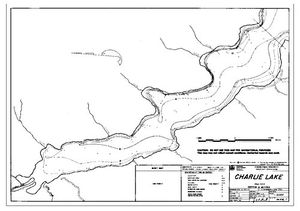
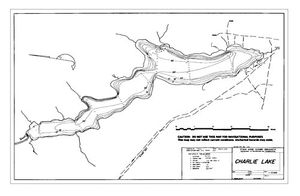
CHARLIE LAKE (56.3316, -120.9929), located in Peace Region, British Columbia, Canada spans 1808.6 hectares (approximately 4469 acres or 18.1 square kilometers).
Which fish can I catch at CHARLIE LAKE?
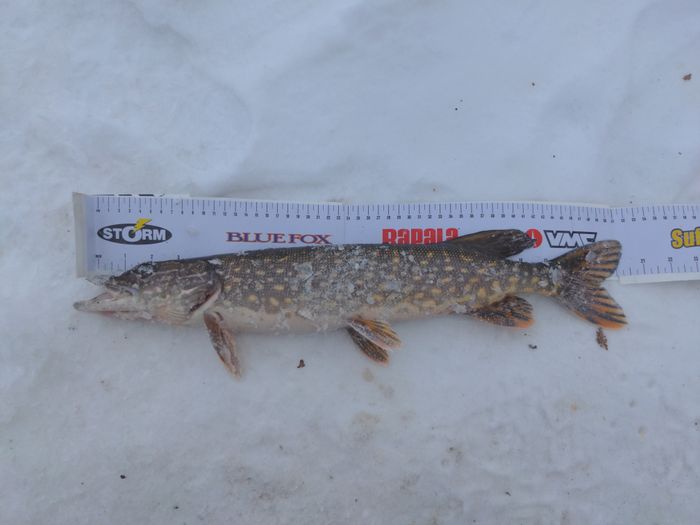
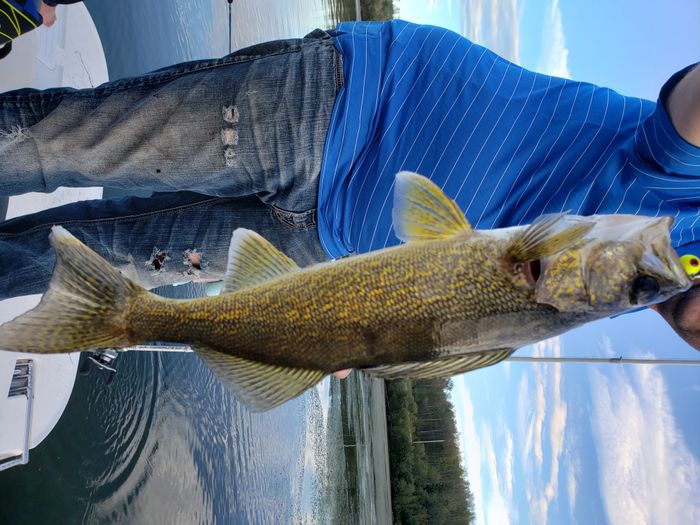
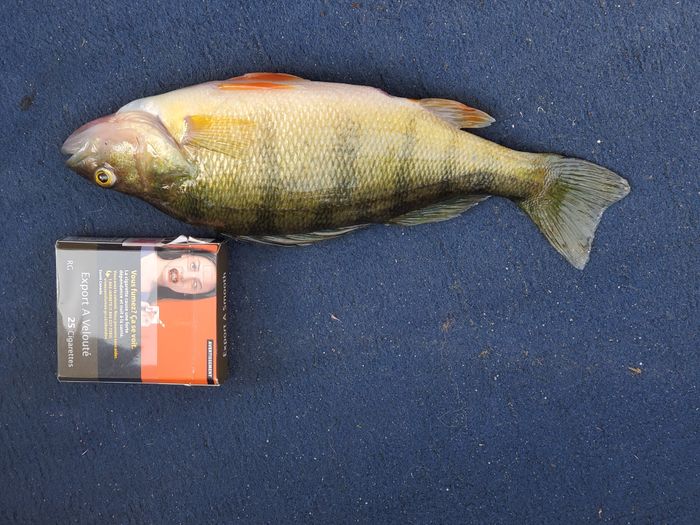
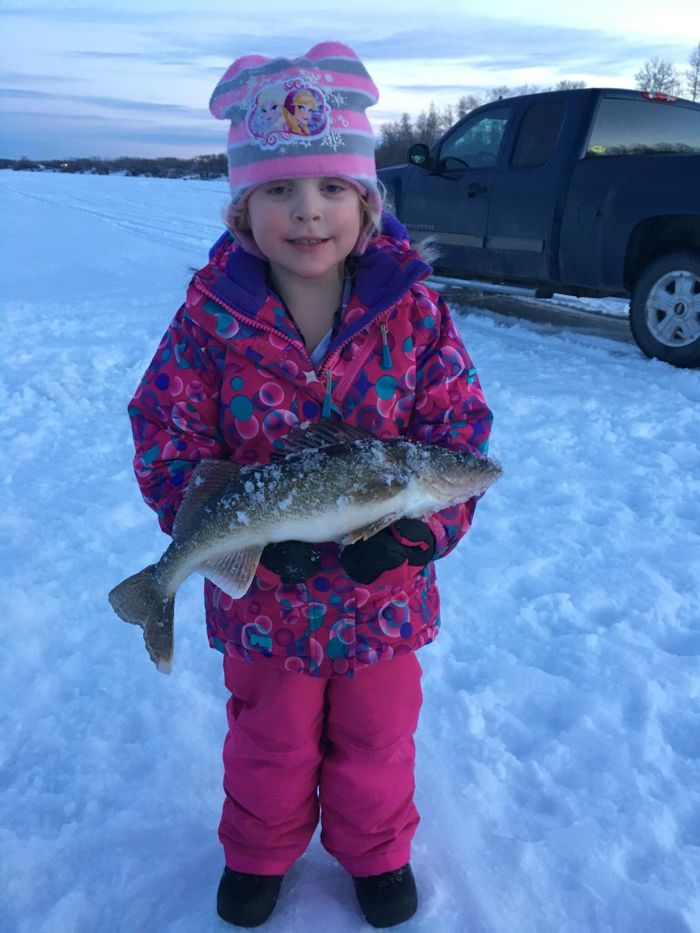
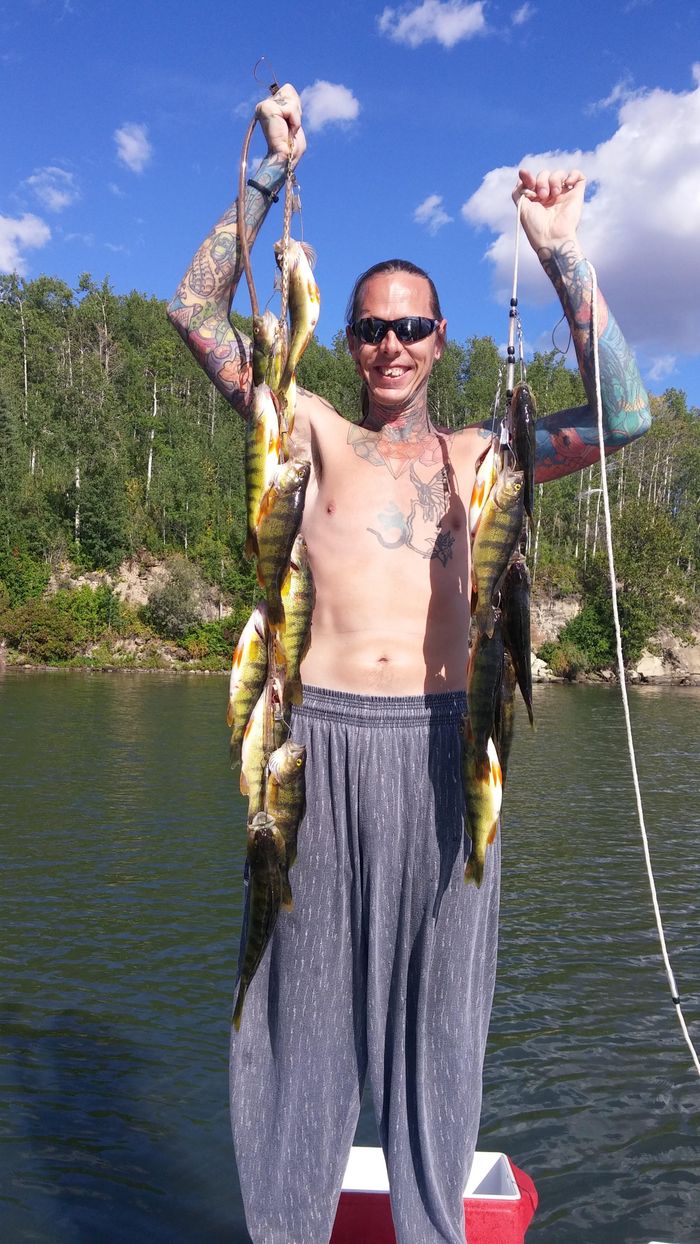
The most popular species caught here are Walleye, Northern Pike, and Yellow Perch. Please use your best judgement when determining where you can fish, and make sure you follow local rules and regulations.
What does CHARLIE LAKE have?
Our members have marked 1 Warning, 5 Other Markers, and 7 Boat Launches at CHARLIE LAKE. You can view these markers on the map.


Species
 Walleye
  Northern Pike
 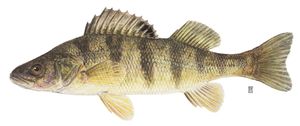 Yellow Perch
 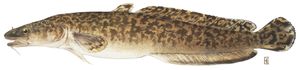 Burbot
 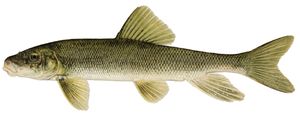 White Sucker
 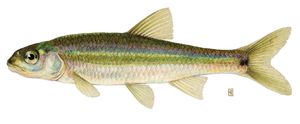 Spottail Shiner
 About CHARLIE LAKE
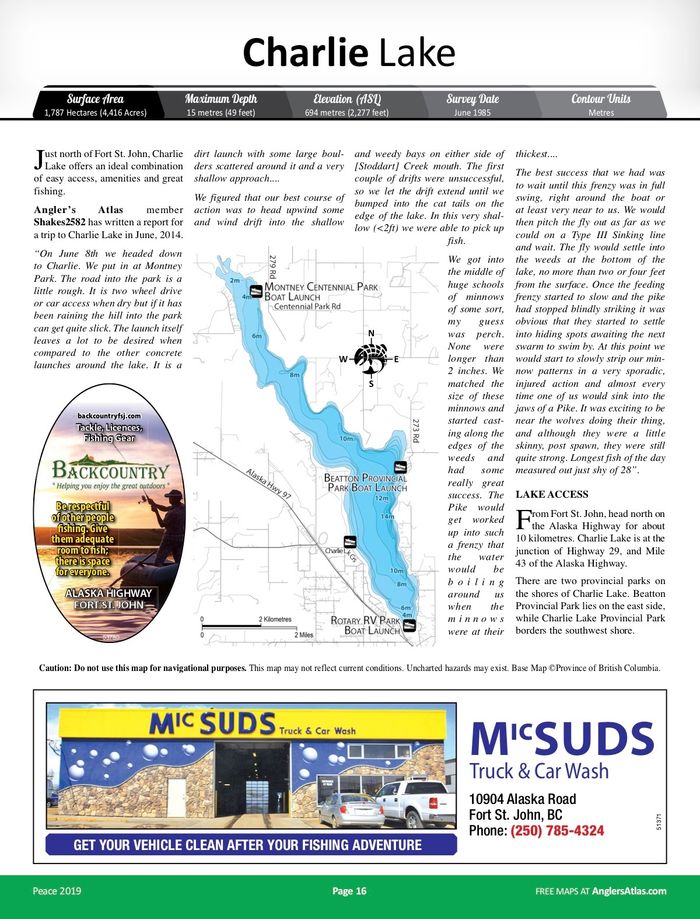
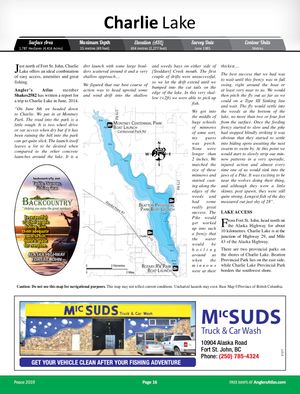
Just north of Fort St. John, Charlie Lake offers an ideal combination of easy access, amenities and great fishing.
Angler’s Atlas member Shakes2582 has written a report for a trip to Charlie Lake in June, 2014.
On June 8th we headed down to Charlie. We put in at Montney Park. The road into the park is a little rough. It is two wheel drive or car access when dry but if it has been raining the hill into the park can get quite slick. The launch itself leaves a lot to be desired when compared to the other concrete launches around the lake. It is a dirt launch with some large boulders scattered around it and a very shallow approach....
We headed immediately to the weedy shallows up North where the Jacks were likely to be, around the area where Stoddart Creek feeds the lake....
We figured that our best course of action was to head upwind some and wind drift into the shallow and weedy bays on either side of the Creek mouth. The first couple of drifts were unsuccessful, so we let the drift extend until we bumped into the cat tails on the edge of the lake. In this very shallow (<2ft) we were able to pick up fish.
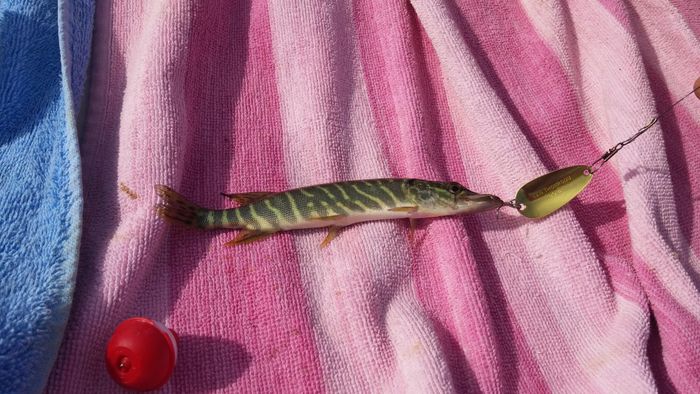
We got into the middle of huge schools of minnows of some sort, my guess was perch. None were longer than 2 inches. We matched the size of these minnows and started casting along the edges of the weeds and had some really great success. The Pike would get worked up into such a frenzy that the water would be boiling around us when the minnows were at their thickest....
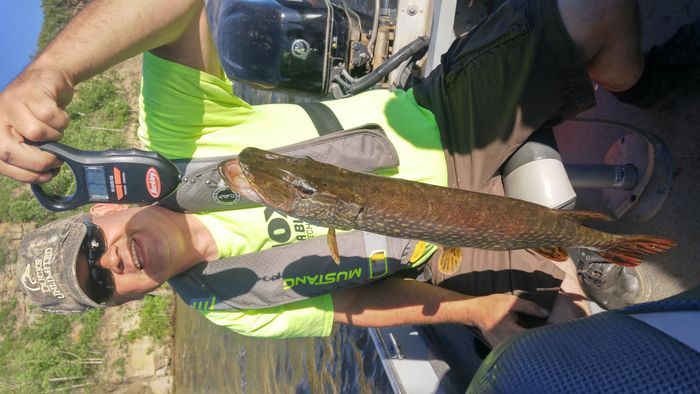
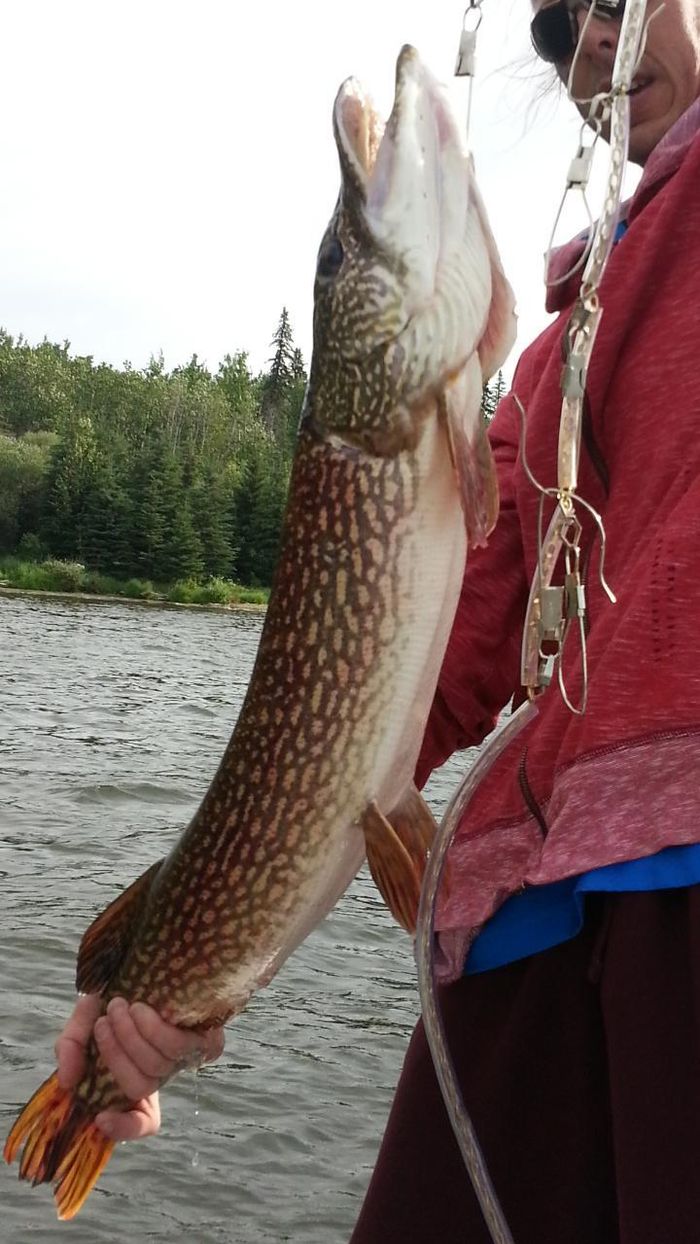
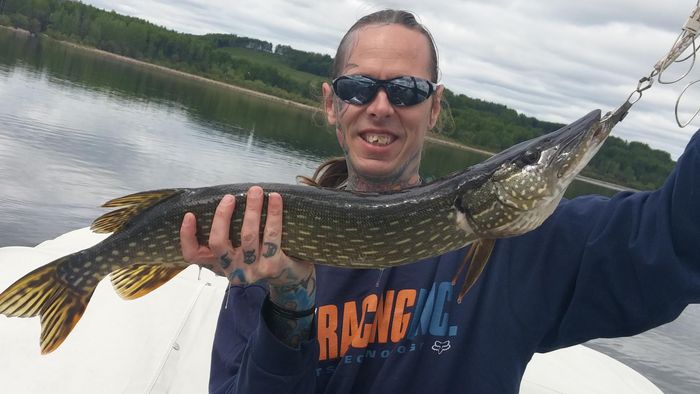
The best success that we had was to wait until this frenzy was in full swing, right around the boat or at least very near to us. We would then pitch the fly out as far as we could on a Type III Sinking line and wait. The fly would settle into the weeds at the bottom of the lake, no more than two or four feet from the surface. Once the feeding frenzy started to slow and the pike had stopped blindly striking it was obvious that they started to settle into hiding spots awaiting the next swarm to swim by. At this point we would start to slowly strip our minnow patterns in a very sporadic, injured action and almost every time one of us would sink into the jaws of a Pike. It was exciting to be near the wolves doing their thing, and although they were a little skinny, post spawn, they were still quite strong. Longest fish of the day measured out just shy of 28”.
For lots more information on Charlie Lake, check out anglersatlas.com/lake/99828.
LAKE ACCESS
From Fort St. John, head north on the Alaska Highway for about 10 kilometres. Charlie Lake is at the junction of Highway 29, and Mile 43 of the Alaska Highway.
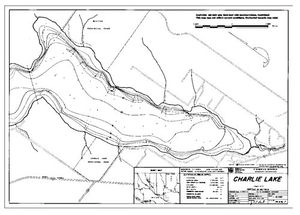
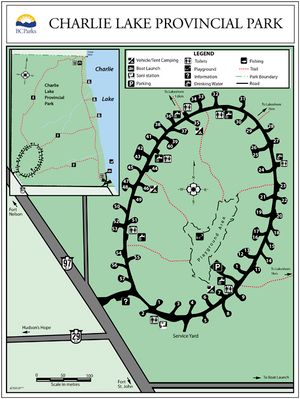
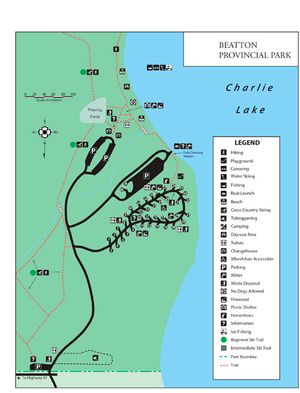
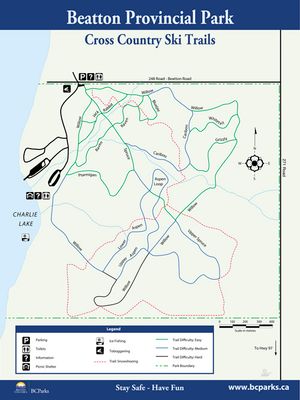
There are two provincial parks on the shores of Charlie Lake. Beatton Provincial Park lies on the east side, while Charlie Lake Provincial Park borders the southwest shore.

Lodging and Camping
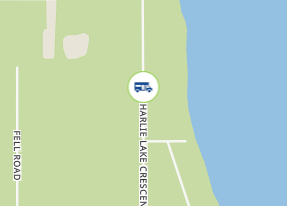
Beautiful park with flowers, shrubs, trees and grass. Minutes away from Charlie Lake. Services include 59 full-service RV sites and 8 tent sites. Firewood, showers. laundry ($), WiFi free. Local friendly staff are here to welcome you. Winter Rates Available.
Open All Year
13111 Charlie Lake Crescent
N 6 km from Ft. St. John on the Alaska Hwy. One min. past the Charlie Lake Store. Staying on the Hwy, 2nd turn past firehall on the right side of the Alaska Hwy. Coming from Hwy 29 or from Ft. Nelson, 2 mi. from Hwy 29 & Alaska Hwy junction, follow signs.
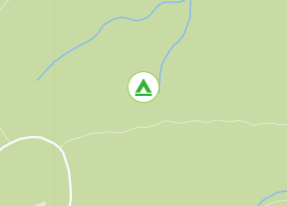
Charlie Lake Provincial Park offers bird watching and wildlife viewing as popular activities for picnickers and overnight campers. The lake offers excellent fishing and canoeing / kayaking opportunities. There is a group day-use/picnic area and a playground. Park Size: 85 hectares
11 km north of Fort St. John at the junction of the Alaskan Highway and Highway 29.
User Feed

Warning Marker Added
|width:0|56.2787658,-121.0602129|56.3927481,-121.0602129|56.3927481,-120.9497494|56.2787658,-120.9497494|56.2787658,-121.0602129)