Events
  Places
  Fish
Fish  Research
  Sign in
  New Catch Log
  New Trip Log
 Lake Trout
Salvelinus namaycush
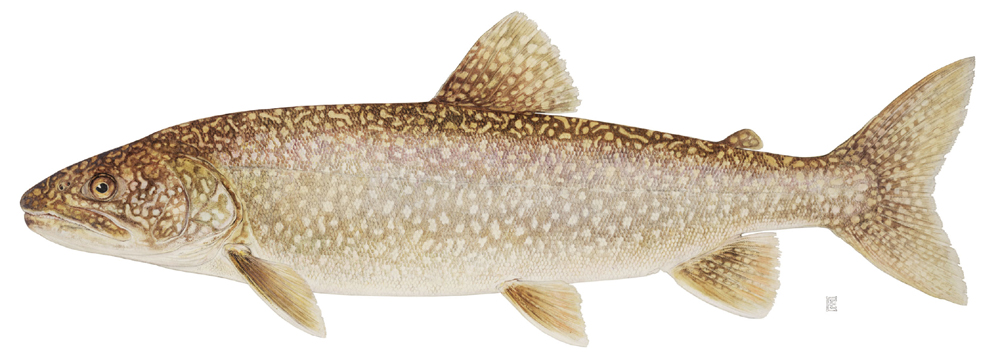
Lake Trout
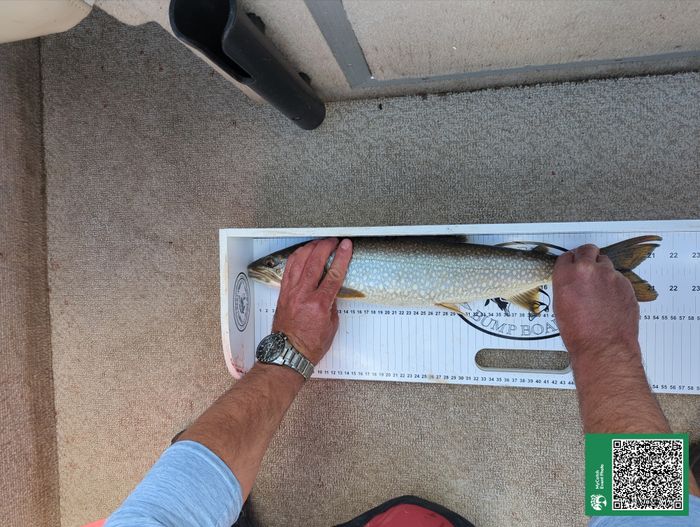
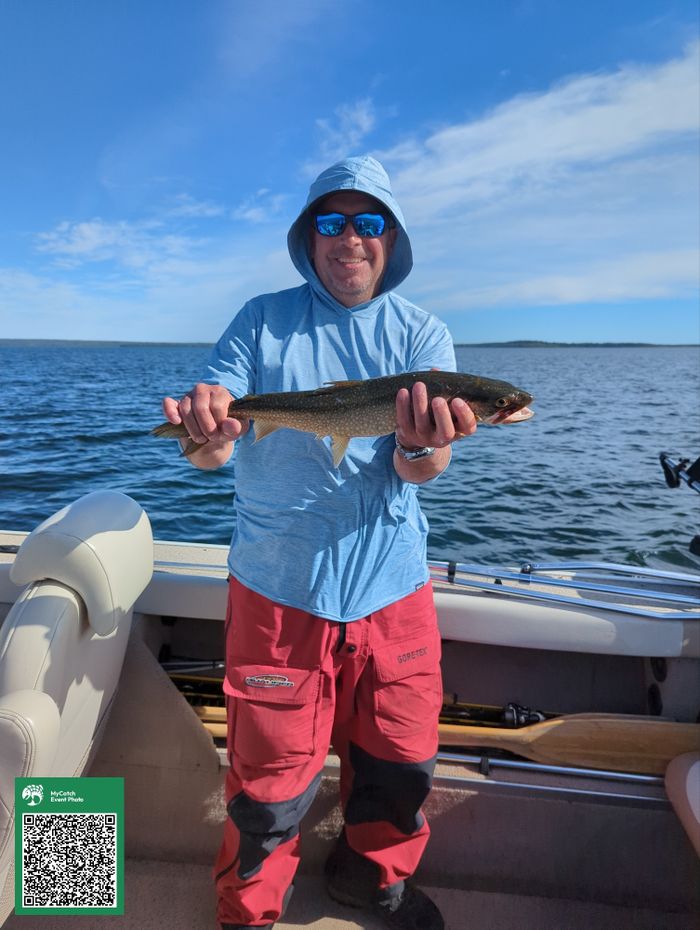
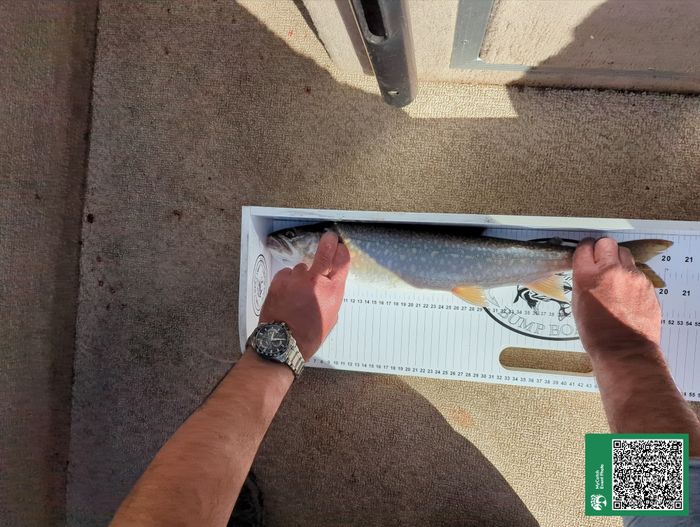
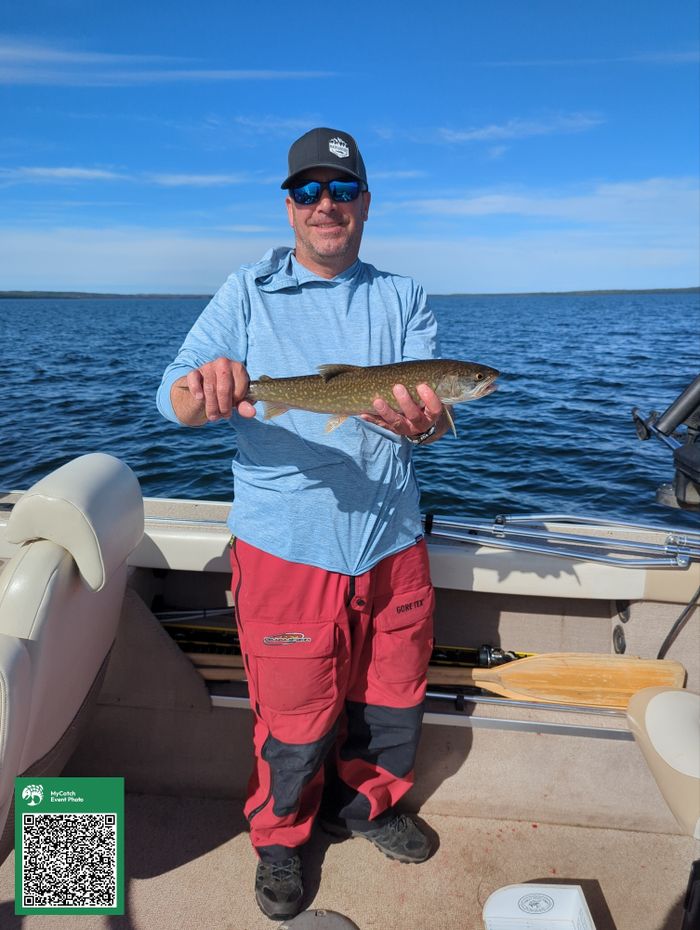
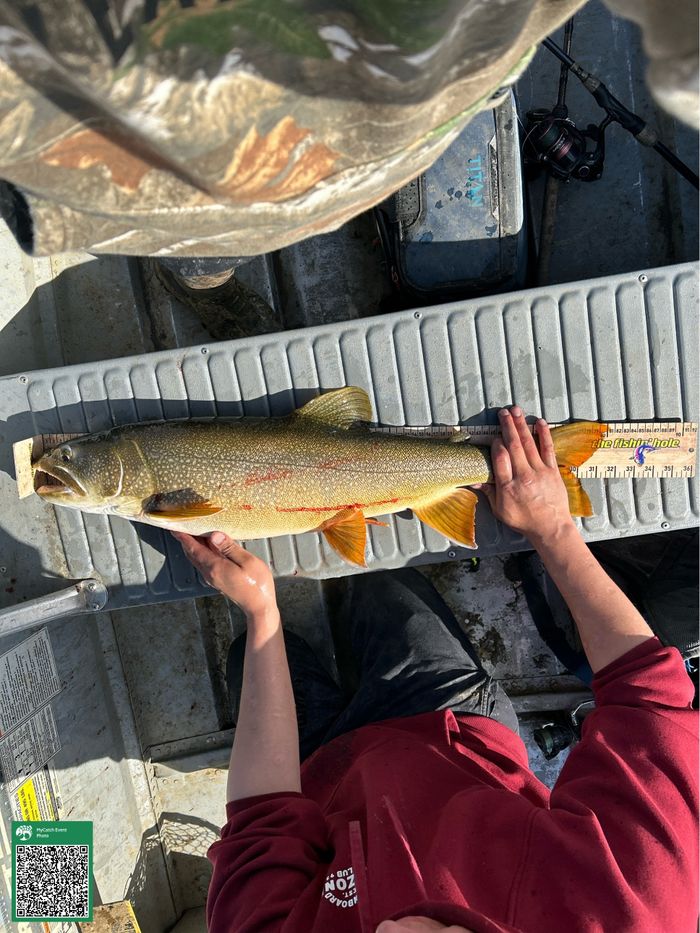
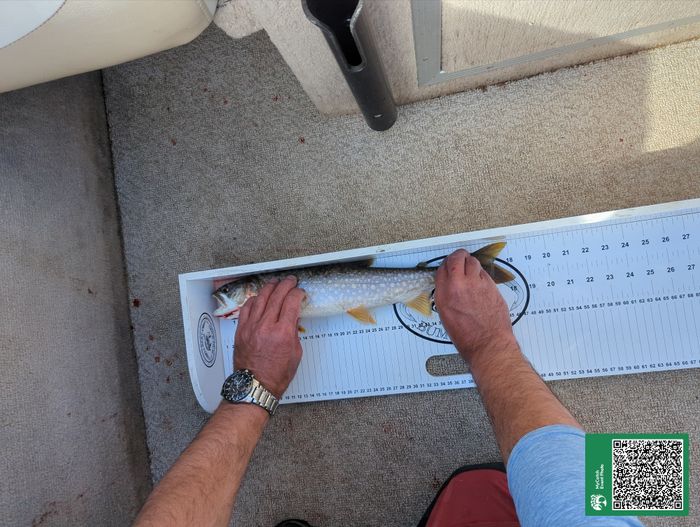
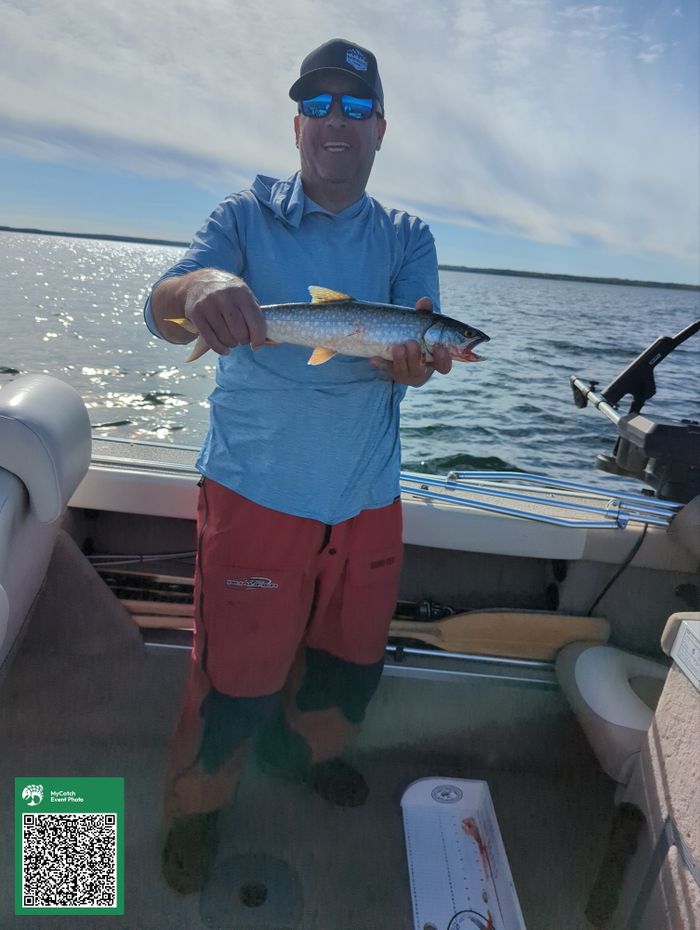
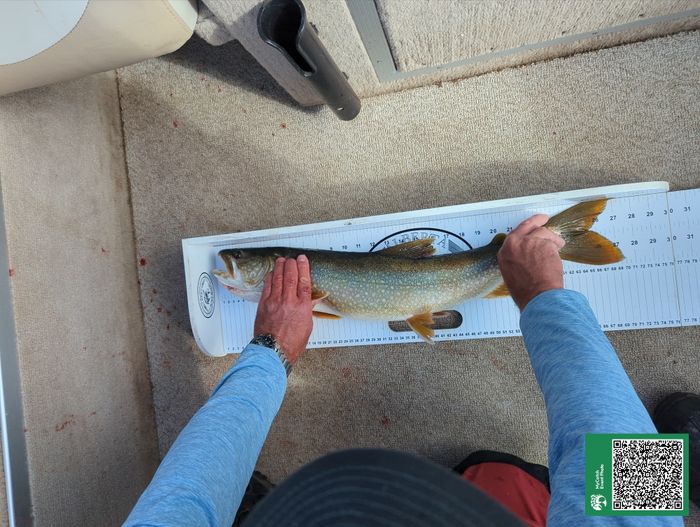
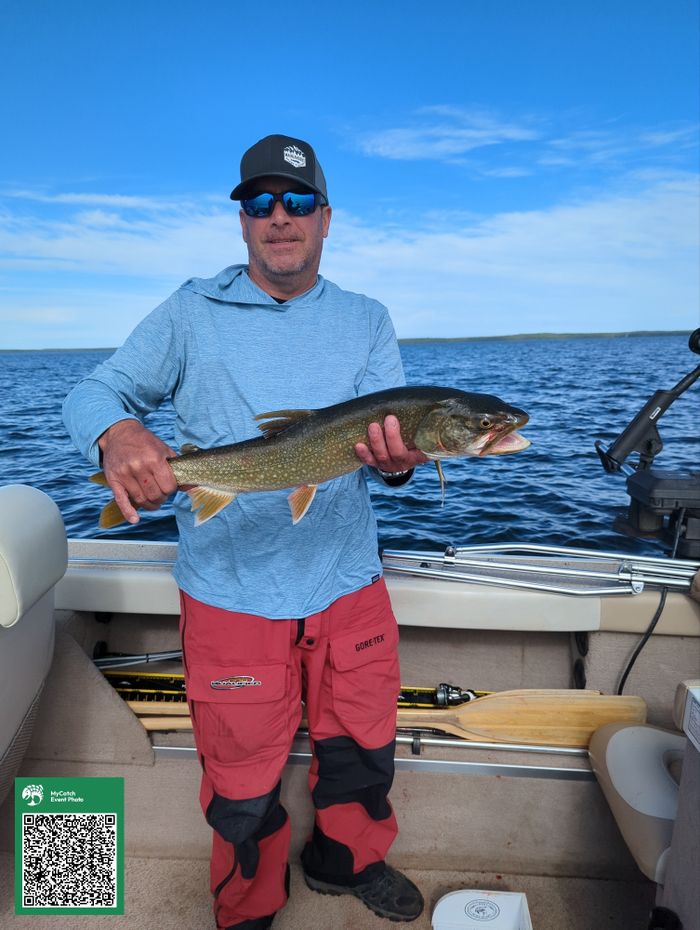
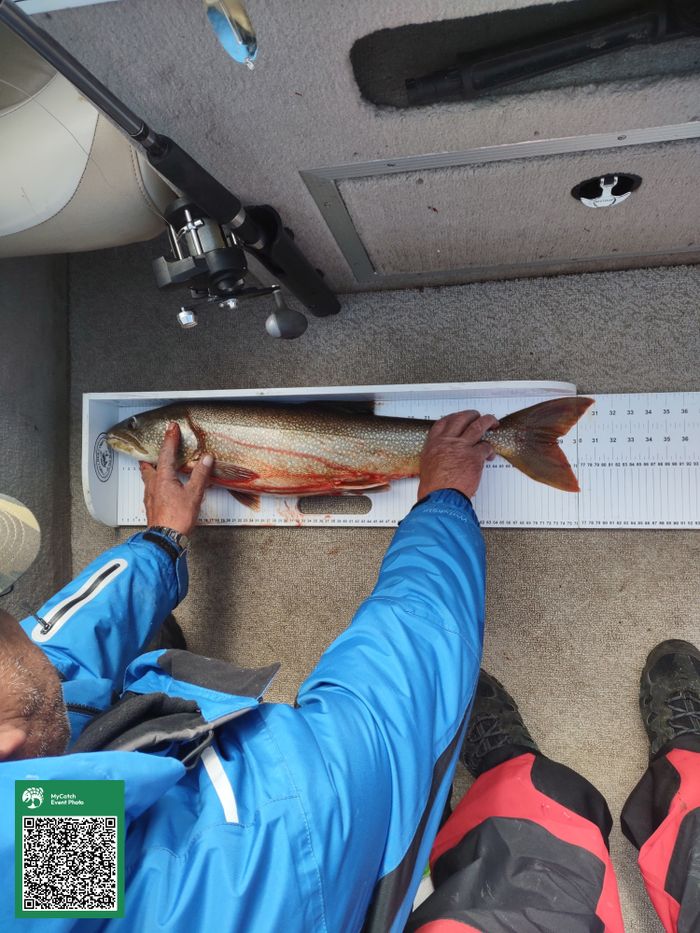
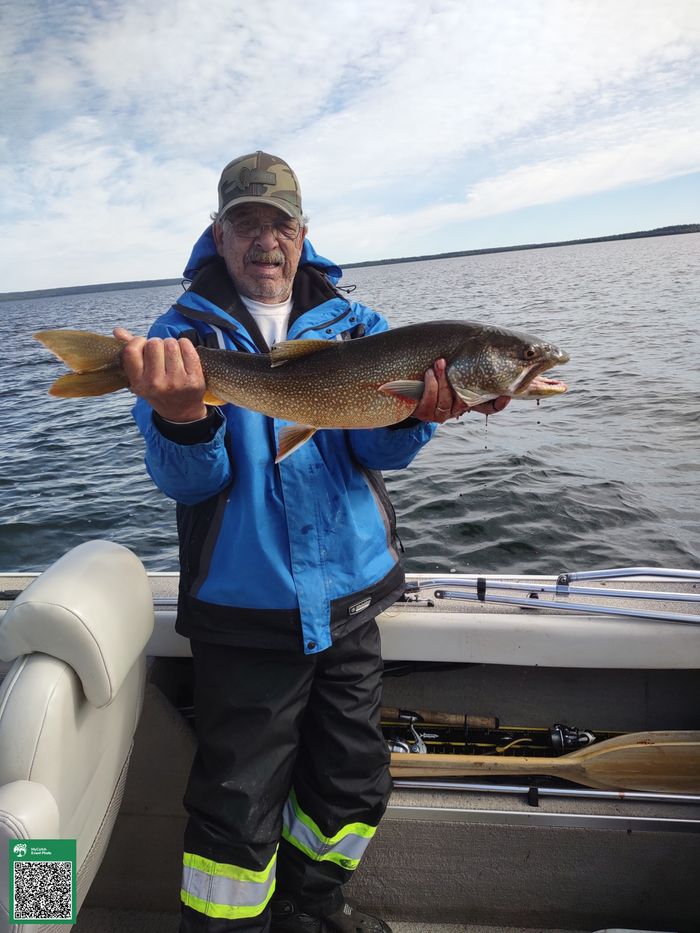
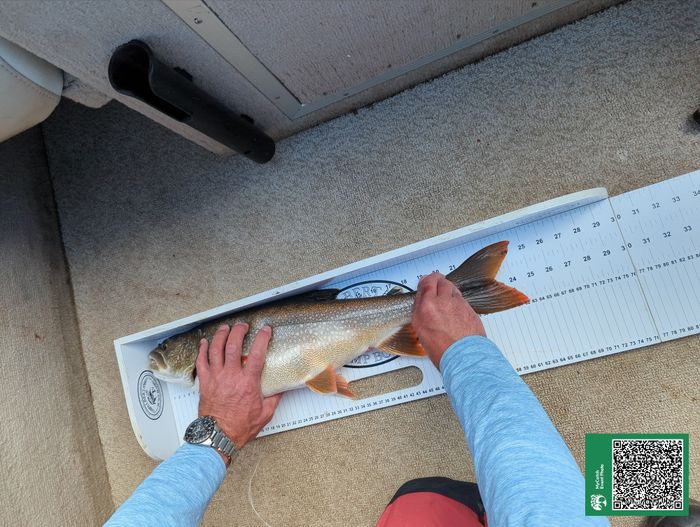
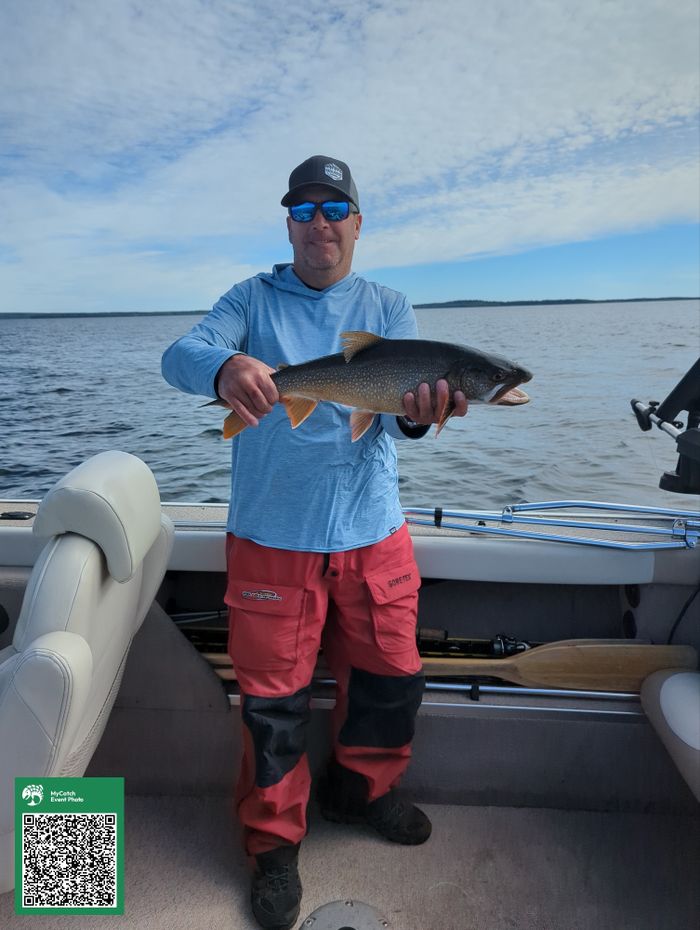
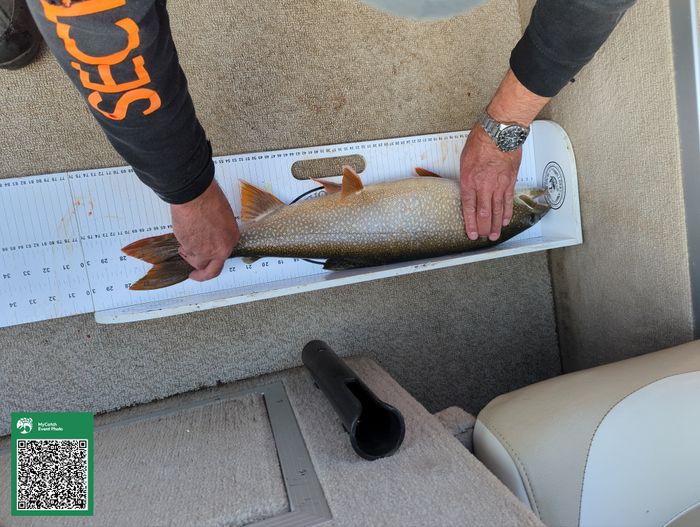
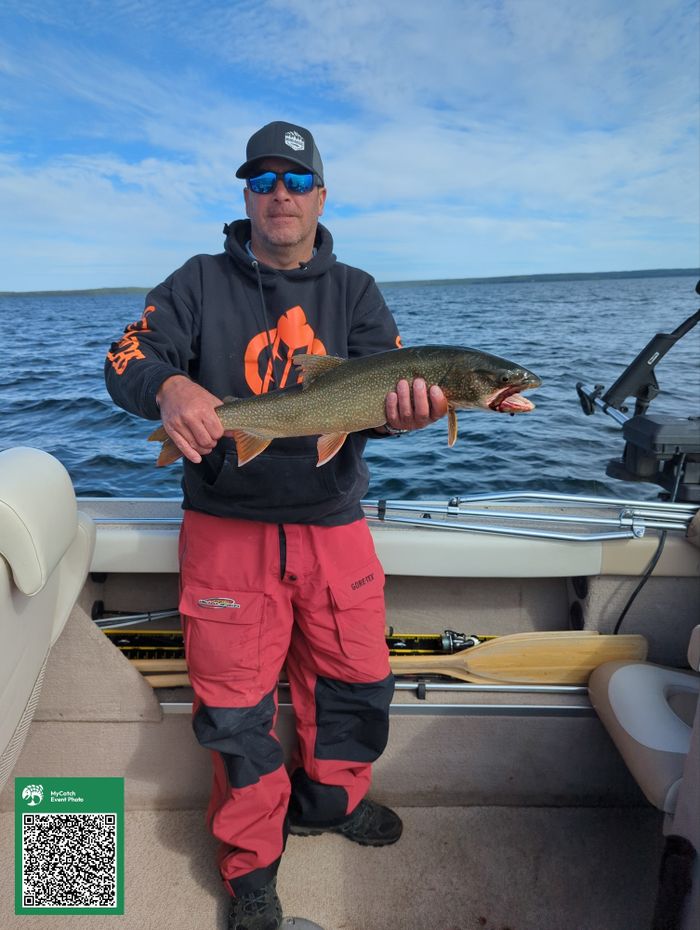
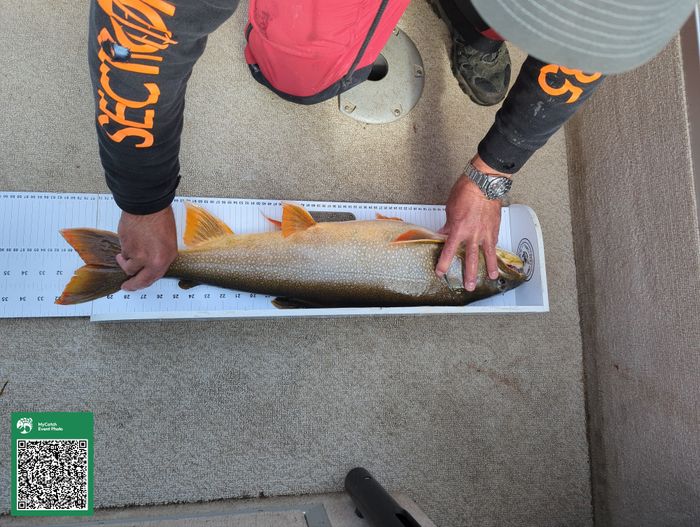
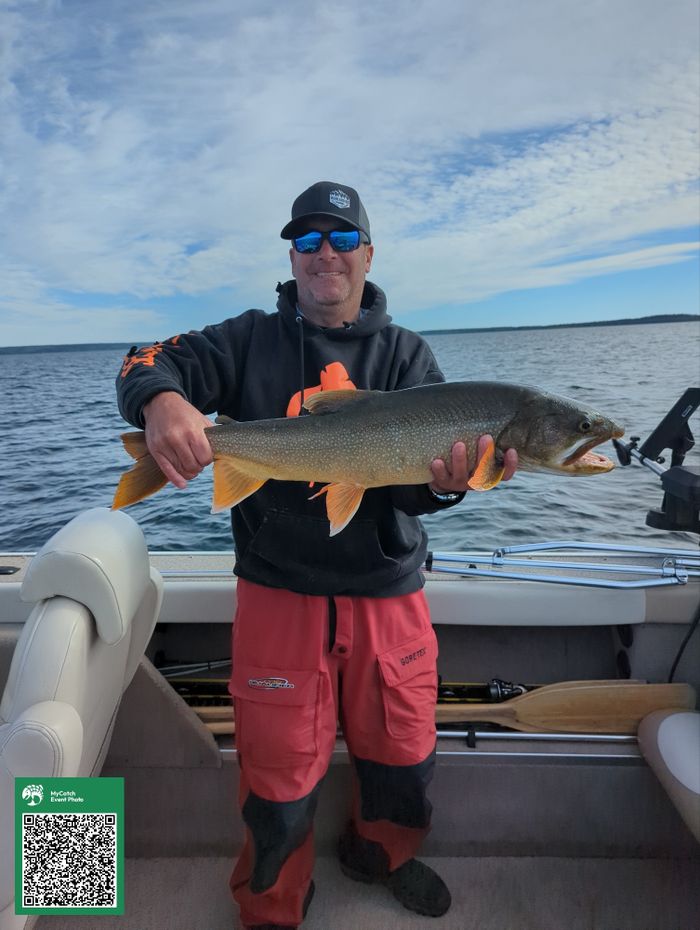
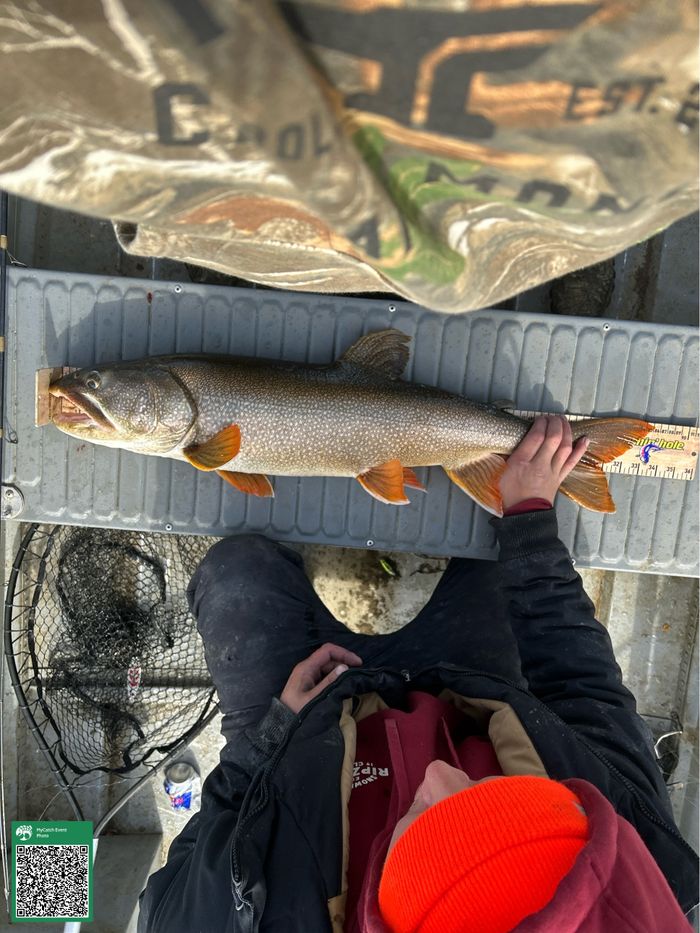
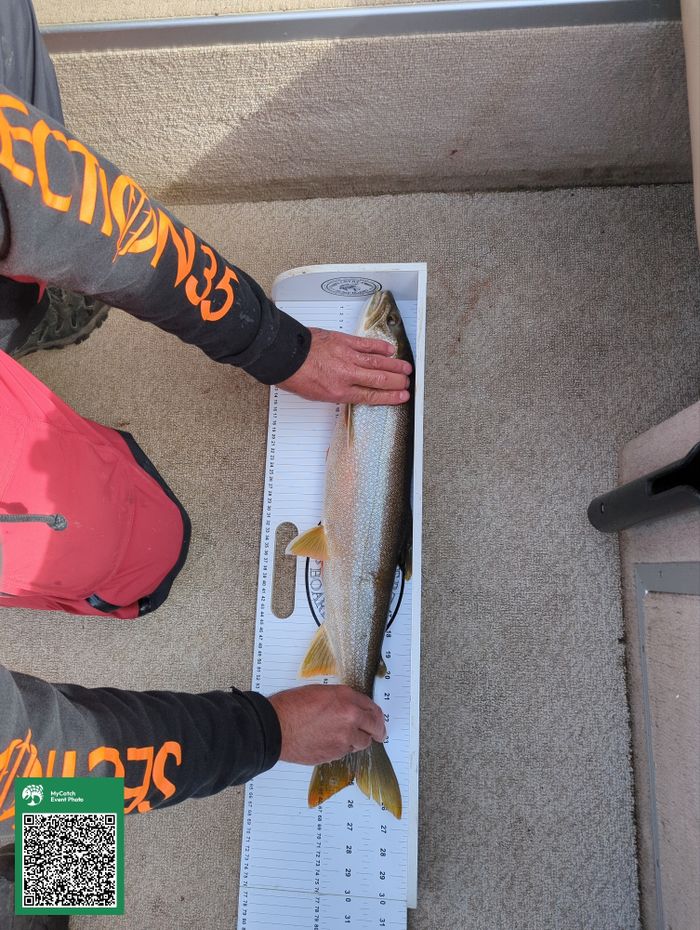
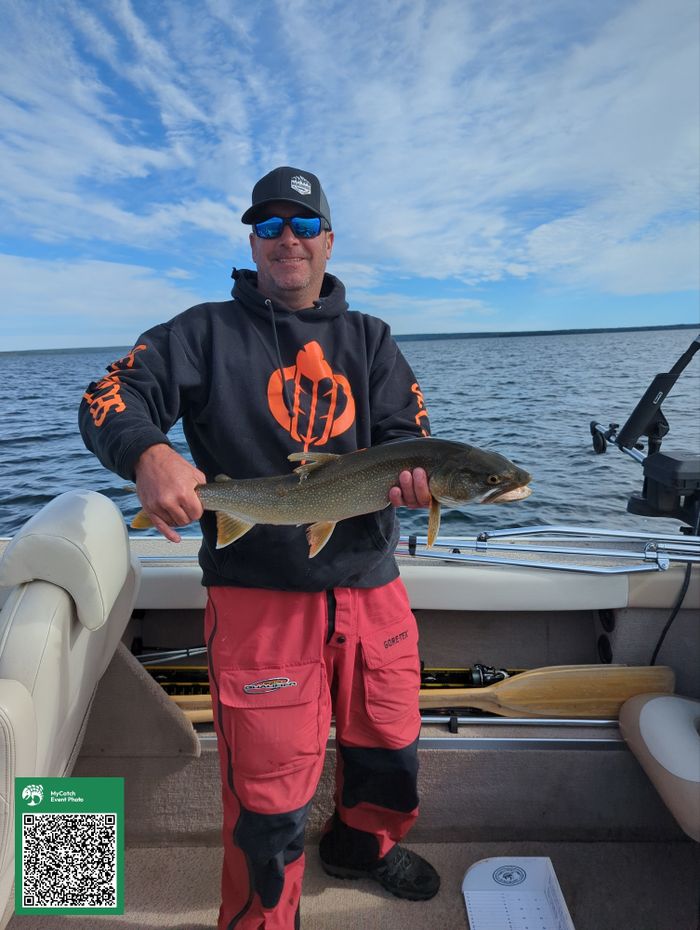
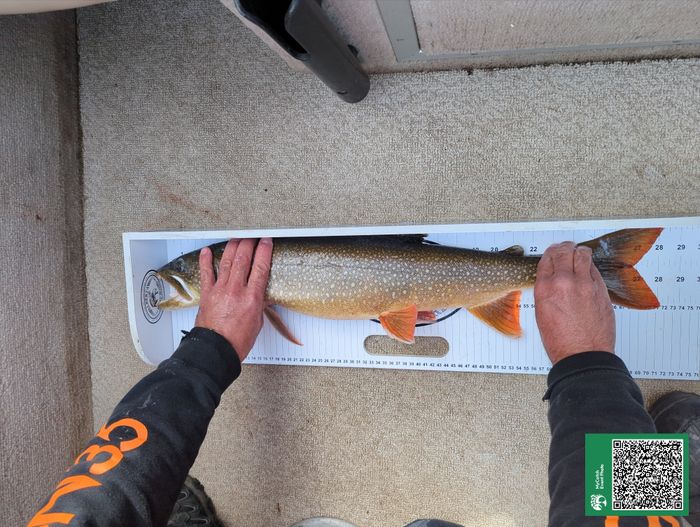
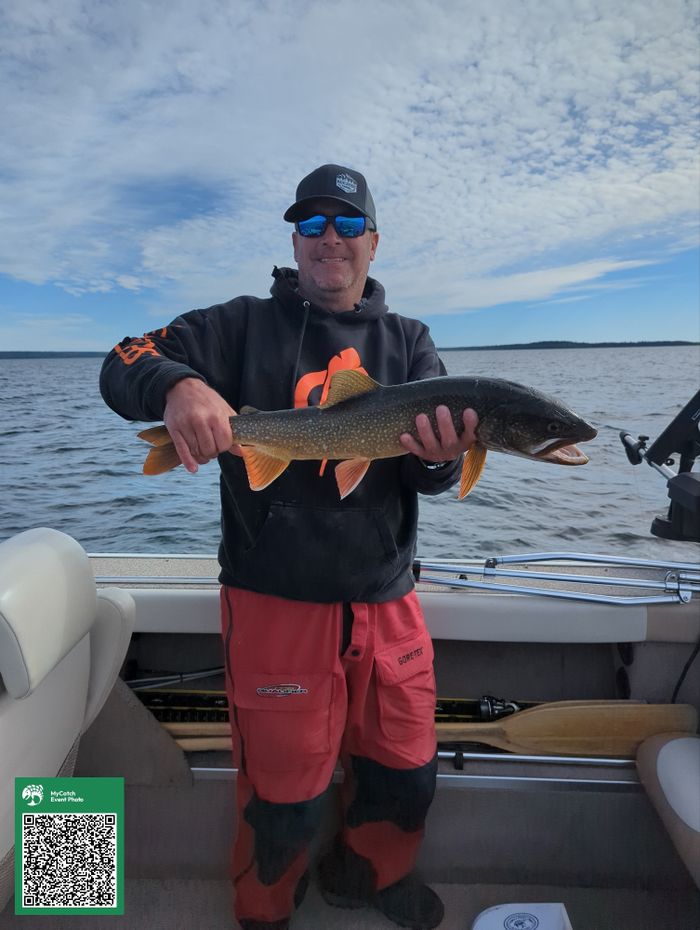
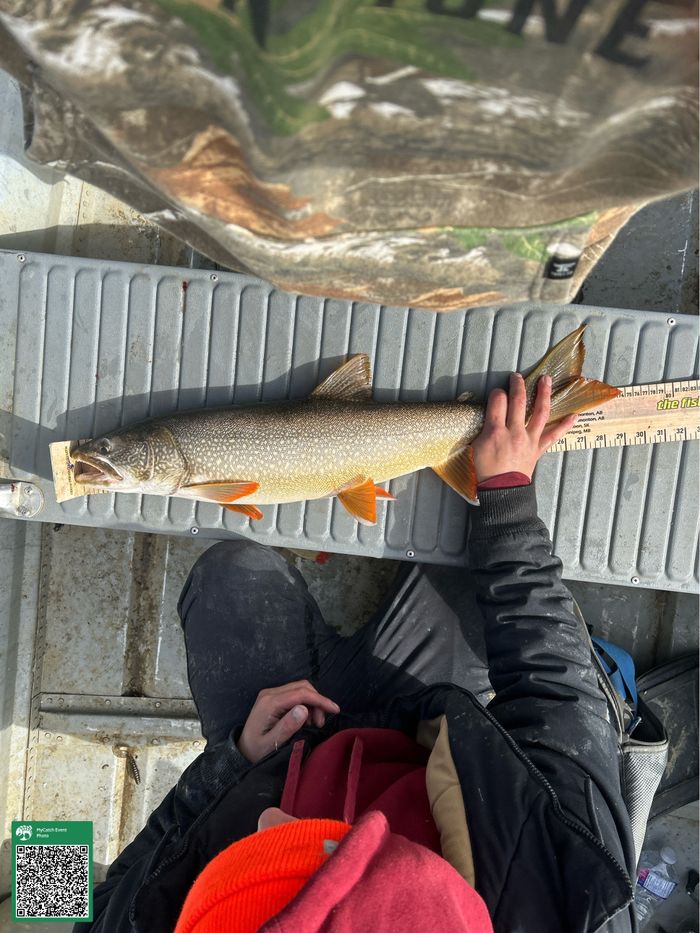
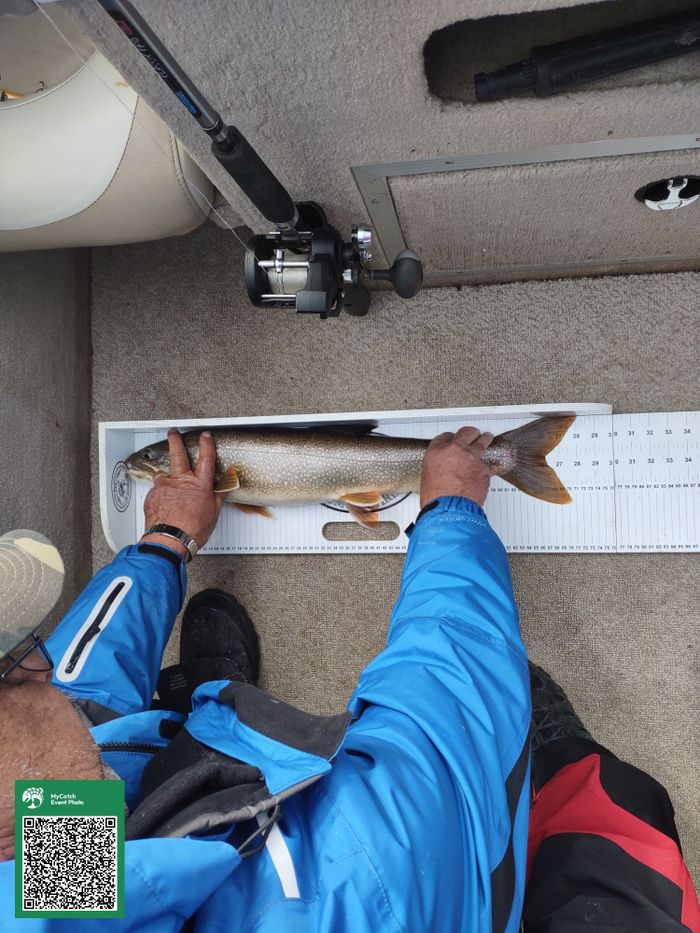
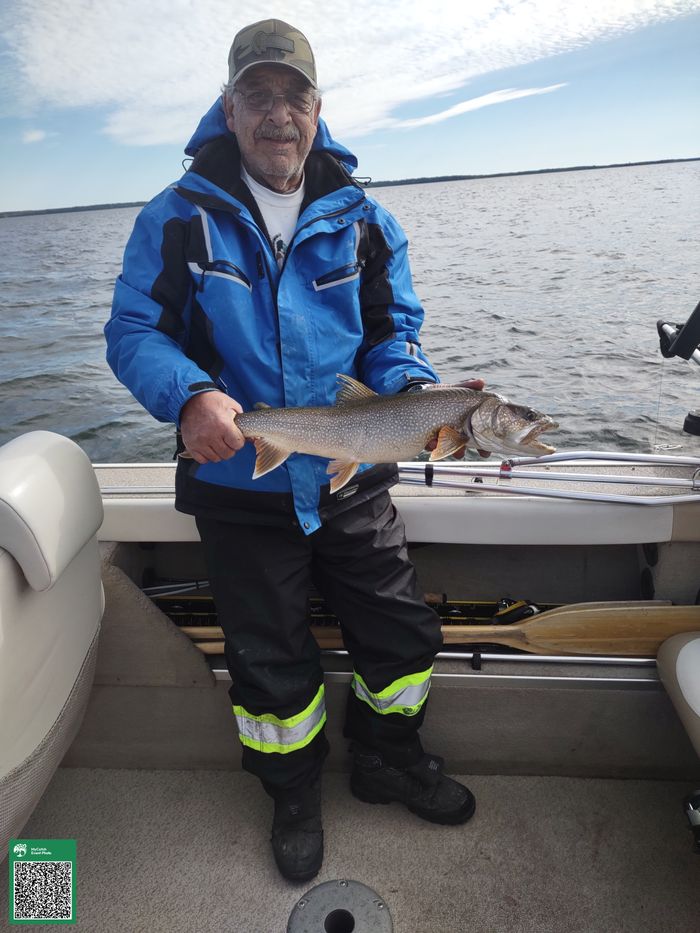
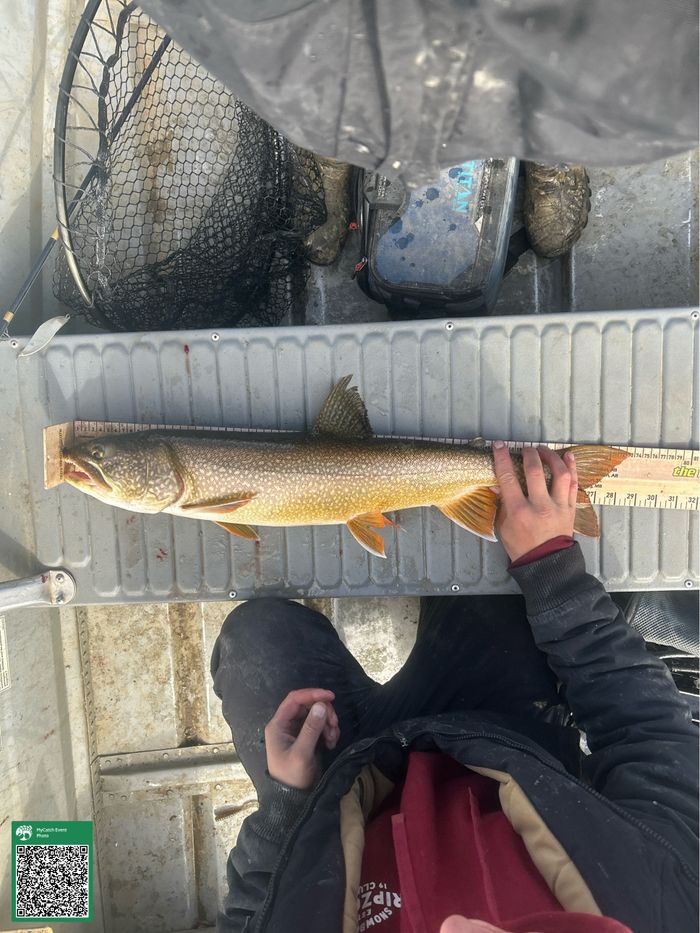
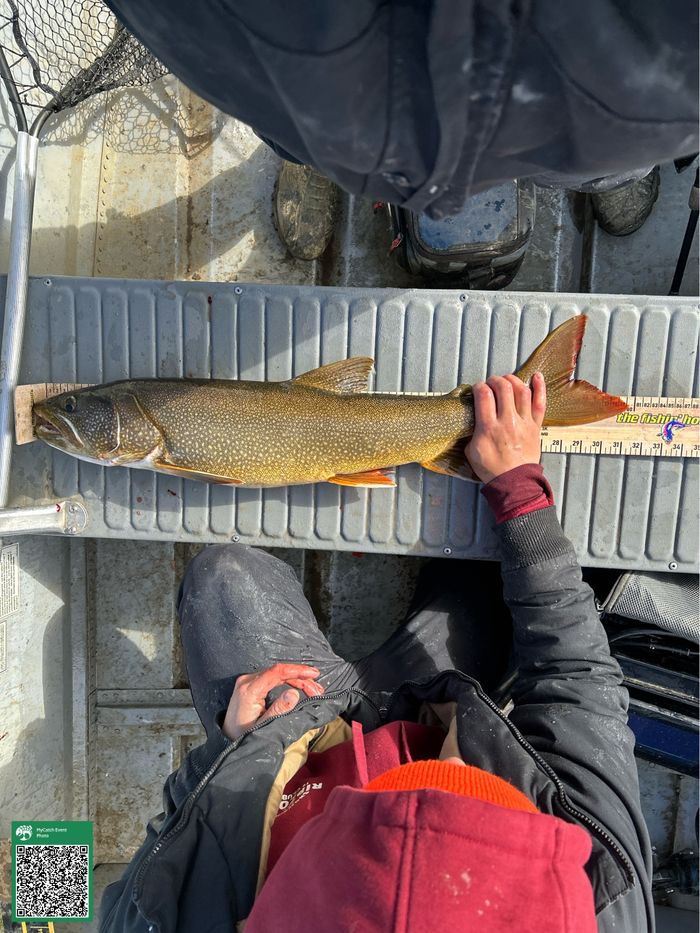
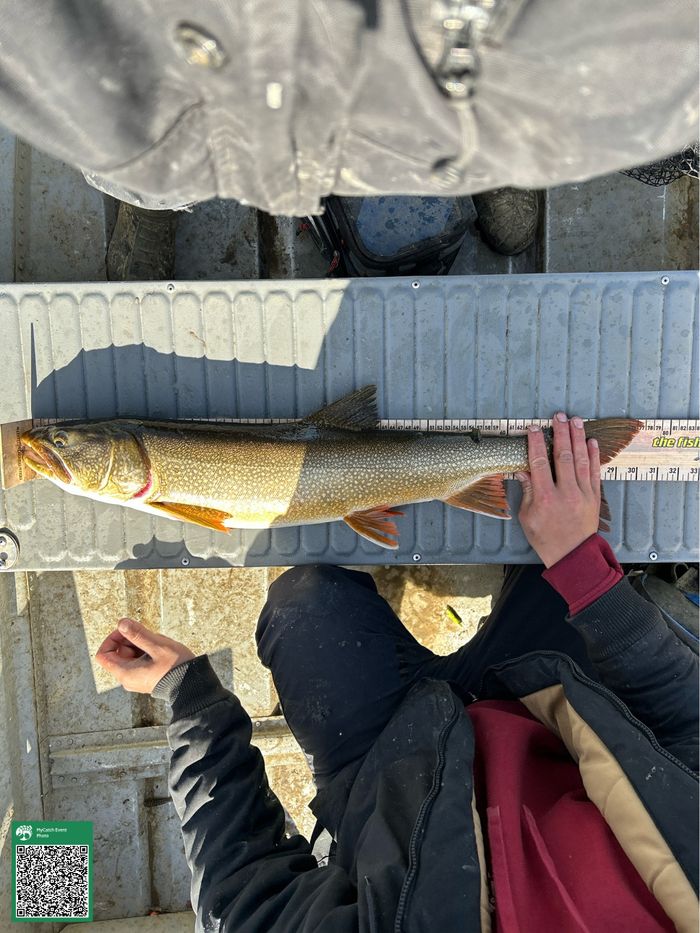
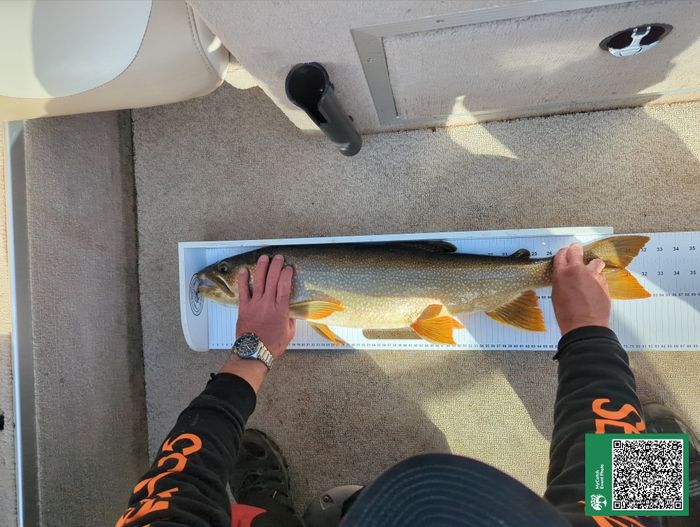
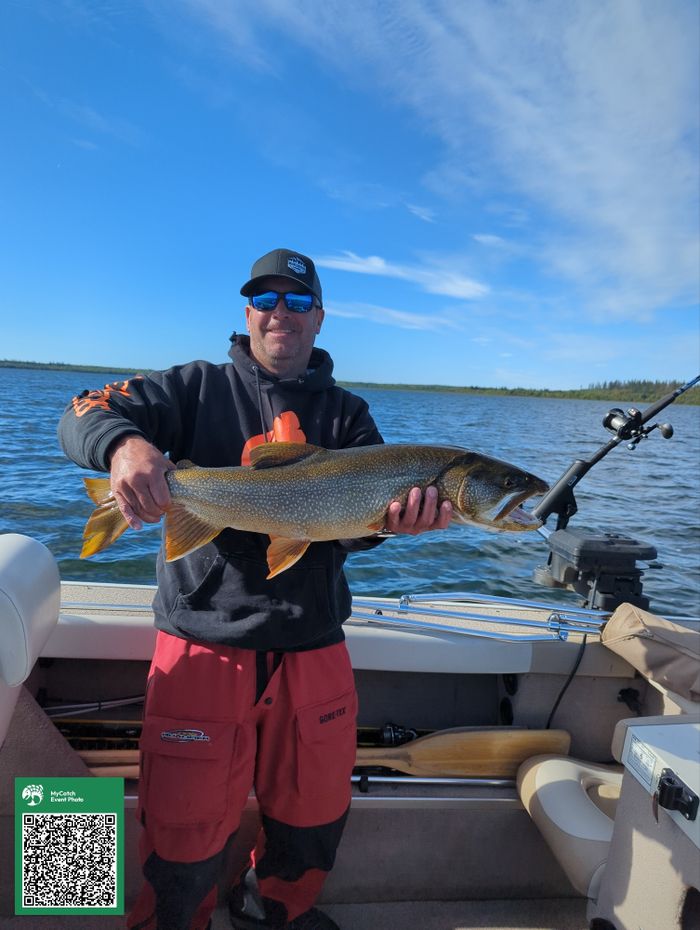
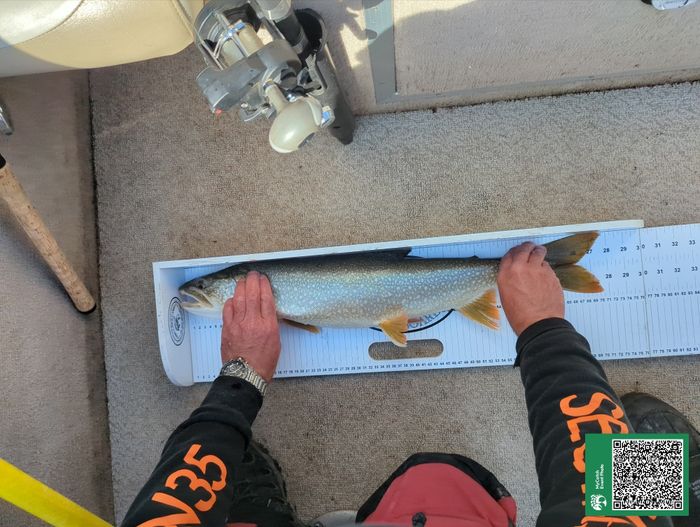
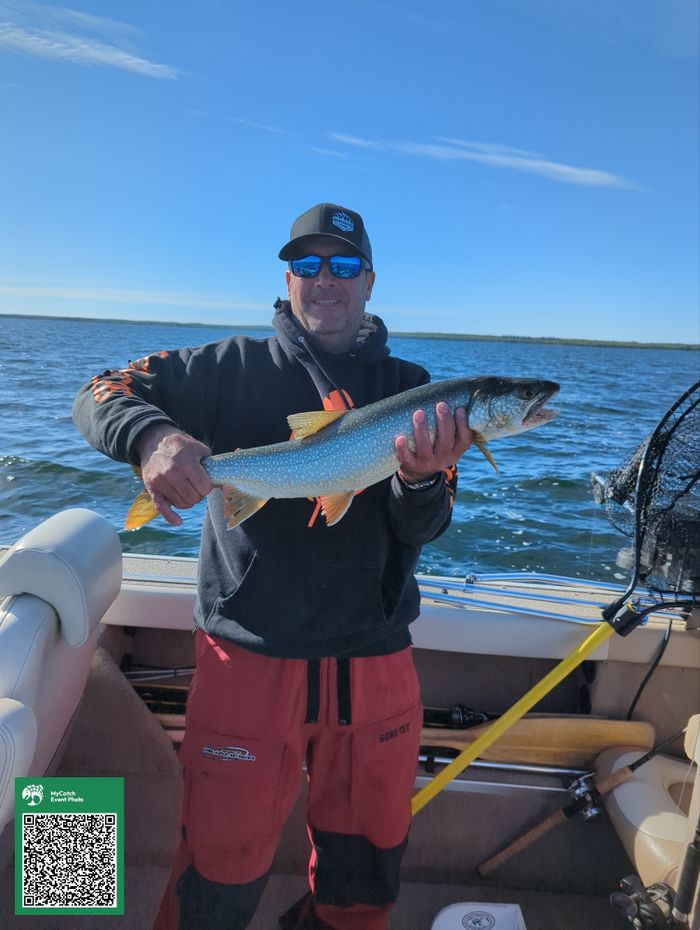
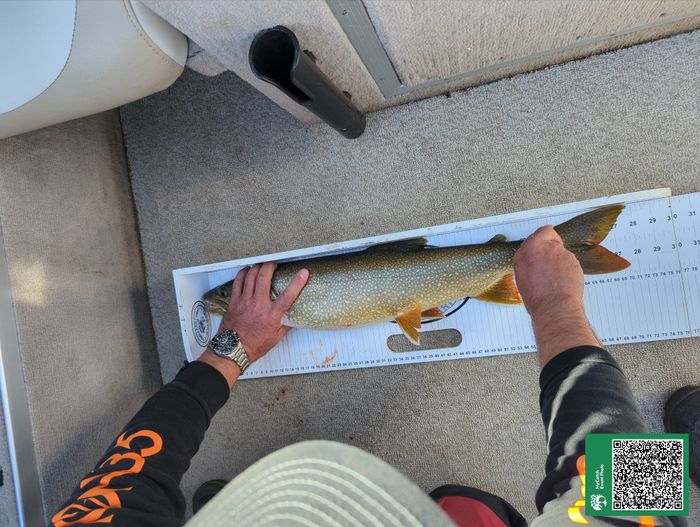
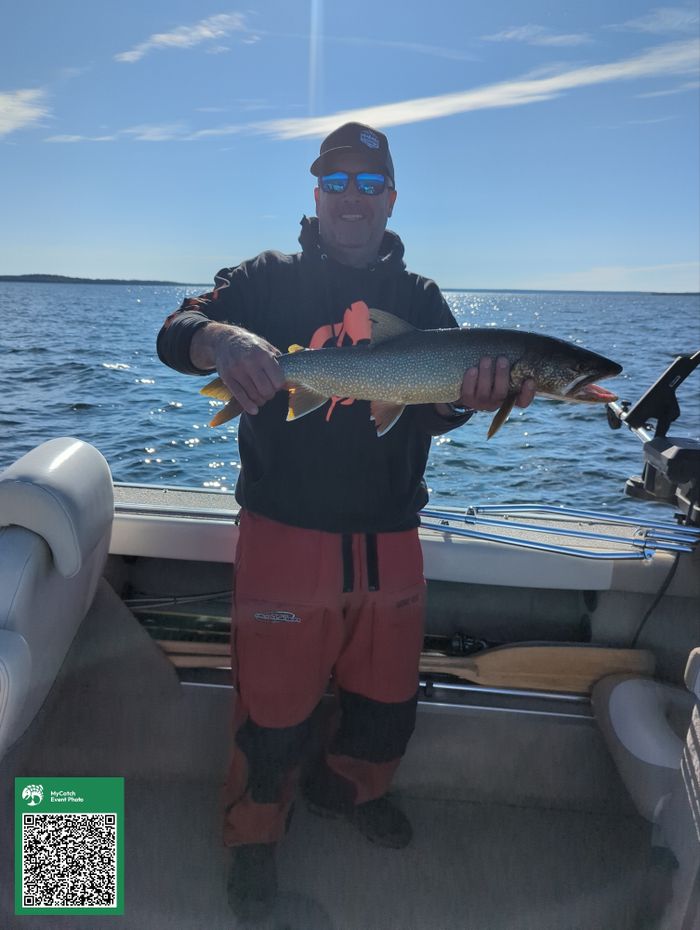
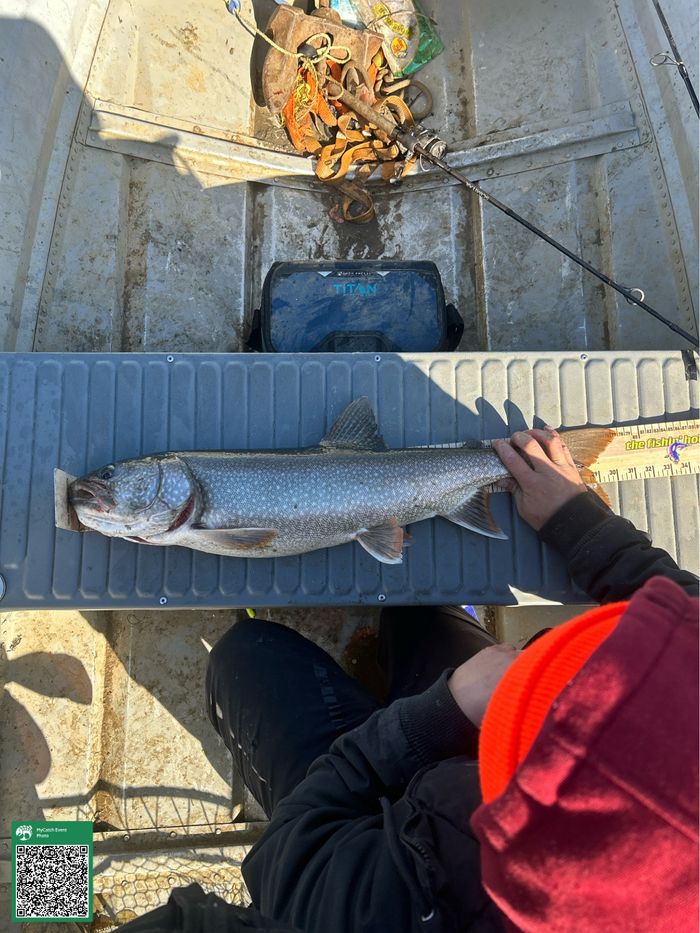
Lake Trout can be found across cold-water regions of North America. In Canada, they occur in most provinces, from southern Nova Scotia through Quebec and west to British Columbia. Lake trout have also been introduced in areas such as New Zealand and Sweden. Cool, clear, and deep lakes are essential for suitable lake trout habitat. Lake Trout feed on a wide variety of species, from freshwater sponges to insects, crustaceans, and other fish. Even at a young age, lake trout are considered predators, primarily consuming smaller fish. Lake Trout are slow growers and typically reach 0.9–4.5 kg (2–10 lb), though it is not uncommon to catch individuals around 13.6 kg (30 lb), and many trophy-sized lake trout exceeding 18 kg (40 lb) have been recorded. Downriggers or vertical jigging are commonly used in summer, while live bait or live-tipped jigging is used through the ice. Flashers and large spoons are also common attractants for lake trout. Lake Trout are typically silver but can also have a light olive or gray base color. Their back is often darker, while their belly is milky white. Light yellow to white spotting across the body can help identify lake trout. Pectoral, pelvic, and anal fins range from orange to red, each with a fine white leading edge. The tail fin is deeply forked. Source: Bass Online (https://bassonline.com/freshwater-species/lake-trout/)