 Events
 Places
 Fish
 Research
 Sign in
 New Catch Log
 New Trip Log
Zone 4 (Western Labrador) Region
Newfoundland and Labrador
Where is Zone 4 (Western Labrador) Region?
Zone 4 (Western Labrador) Region (53.5984, -65.2339), located in Newfoundland And Labrador, Canada spans 7967793.6 hectares (approximately 19689215 acres or 79677.9 square kilometers).
What does Zone 4 (Western Labrador) Region have?
No one has left markers on Zone 4 (Western Labrador) Region yet, you can add markers on the map.


User Feed
Type


Lake Of The Day : Shabogamo Lake
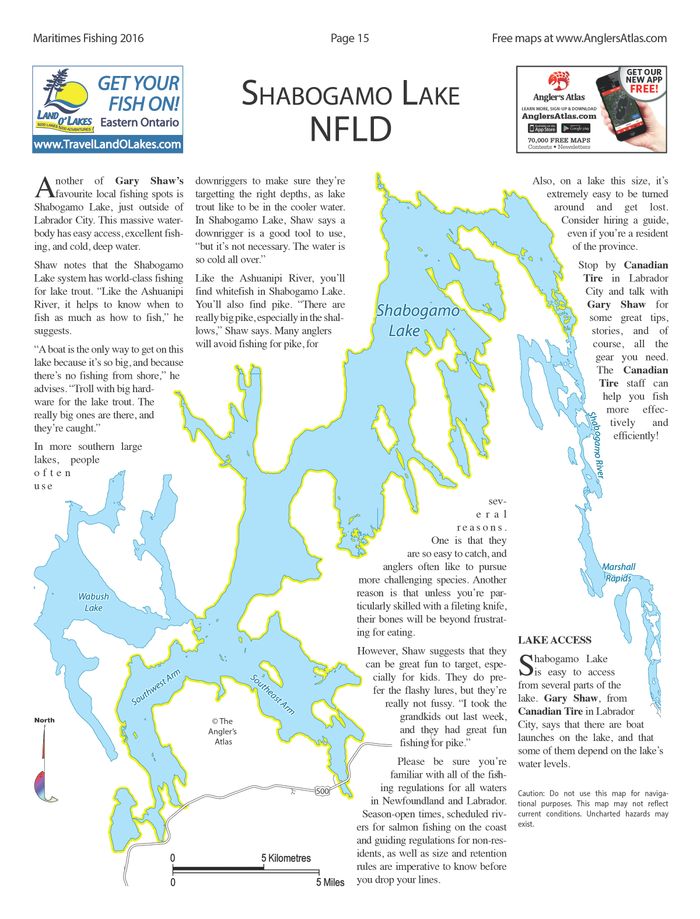
Another of Gary Shaw’s favourite local fishing spots is Shabogamo Lake, just outside of Labrador City. This massive waterbody has easy access, excellent fishing, and cold, deep water.
Shaw notes that the Shabogamo Lake system has world-class fishing for lake trout. “Like the Ashuanipi River, it helps to know when to fish as much as how to fish,” he suggests.
“A boat is the only way to get on this lake because it’s so big, and because there’s no fishing from shore,” he advises. “Troll with big hardware for the lake trout. The really big ones are there, and they’re caught.”
In more southern large lakes, people often use downriggers to make sure they’re targeting the right depths, as lake trout like to be in the cooler water. In Shabogamo Lake, Shaw says a downrigger is a good tool to use, “but it’s not necessary. The water is so cold all over.”
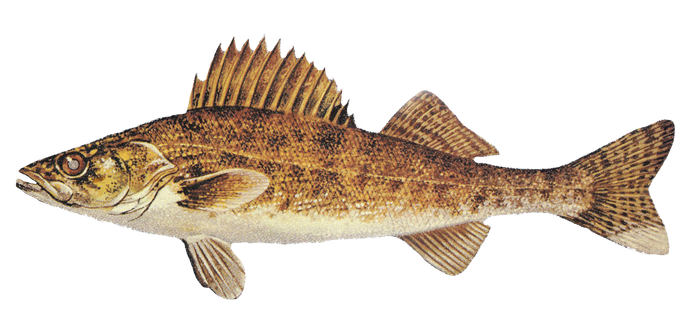
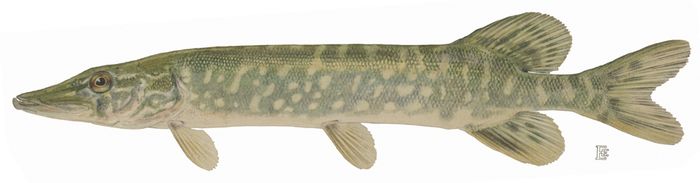
Like the Ashuanipi River, you’ll find whitefish in Shabogamo Lake. You’ll also find pike. “There are really big pike, especially in the shallows,” Shaw says. Many anglers will avoid fishing for pike, for several reasons. One is that they are so easy to catch, and anglers often like to pursue more challenging species. Another reason is that unless you’re particularly skilled with a filleting knife, their bones will be beyond frustrating for eating.
However, Shaw suggests that they can be great fun to target, especially for kids. They do prefer the flashy lures, but they’re really not fussy. “I took the grandkids out last week, and they had great fun fishing for pike.”
Please be sure you’re familiar with all of the fishing regulations for all waters in Newfoundland and Labrador. Season-open times, scheduled rivers for salmon fishing on the coast and guiding regulations for non-residents, as well as size and retention rules are imperative to know before you drop your lines.
Also, on a lake this size, it’s extremely easy to be turned around and get lost. Consider hiring a guide, even if you’re a resident of the province.
Stop by Canadian Tire in Labrador City and talk with Gary Shaw for some great tips, stories, and of course, all the gear you need. The Canadian Tire staff can help you fish more effectively and efficiently!
Lake Access
Shabogamo Lake is easy to access from several parts of the lake. Gary Shaw, from Canadian Tire in Labrador City, says that there are boat launches on the lake, and that some of them depend on the lake’s water levels.
Caution: Do not use this map for navigational purposes. This map may not reflect current conditions. Uncharted hazards may exist.
10 years ago
River of the Day: Ashuanipi River
Labrador has abundant rivers and waterways, and in spots it seems that lakes and rivers are indistinguishable. In fact, the Churchill River system, which dominates the landscape, is fed by a multitude of streams and lakes of all sizes. The Churchill River is dammed in some places, flows quietly and peacefully in others, and is dammed at Churchill Falls in the process of a new hydro development project at Muskrat Falls.
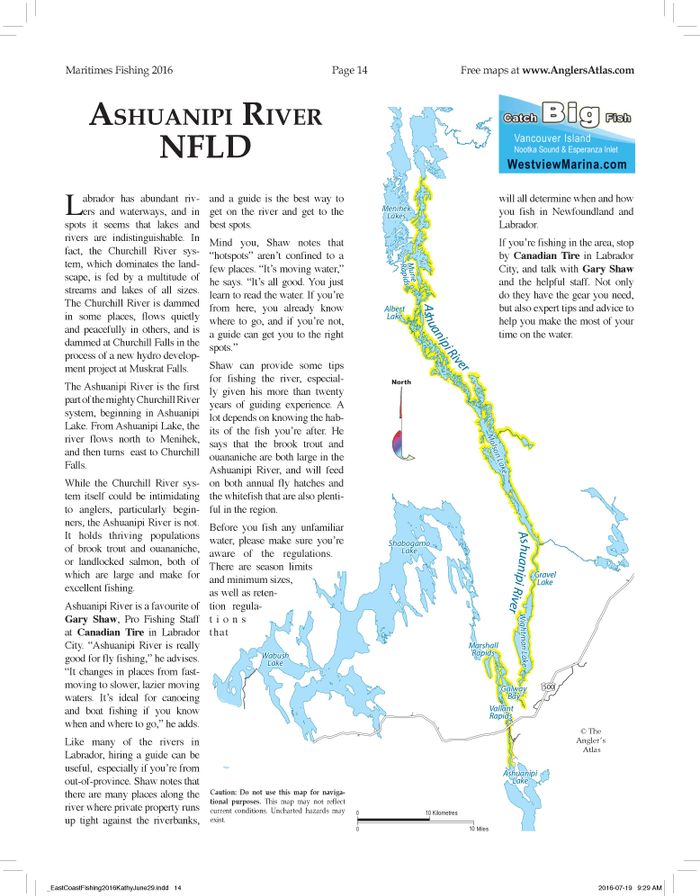
The Ashuanipi River is the first part of the mighty Churchill River system, beginning in Ashuanipi Lake. From Ashuanipi Lake, the river flows north to Menihek, and then turns east to Churchill Falls.
While the Churchill River system itself could be intimidating to anglers, particularly beginners, the Ashuanipi River is not. It holds thriving populations of brook trout and ouananiche, or landlocked salmon, both of which are large and make for excellent fishing.
Ashuanipi River is a favourite of Gary Shaw, Pro Fishing Staff at Canadian Tire in Labrador City. “Ashuanipi River is really good for fly fishing,” he advises. “It changes in places from fast-moving to slower, lazier moving waters. It’s ideal for canoeing and boat fishing if you know when and where to go,” he adds.
Like many of the rivers in Labrador, hiring a guide can be useful, especially if you’re from out-of-province. Shaw notes that there are many places along the river where private property runs up tight against the riverbanks, and a guide is the best way to get on the river and get to the best spots.
Mind you, Shaw notes that “hotspots” aren’t confined to a few places. “It’s moving water,” he says. “It’s all good. You just learn to read the water. If you’re from here, you already know where to go, and if you’re not, a guide can get you to the right spots.”
Shaw can provide some tips for fishing the river, especially given his more than twenty years of guiding experience. A lot depends on knowing the habits of the fish you’re after. He says that the brook trout and ouananiche are both large in the Ashuanipi River, and will feed on both annual fly hatches and the whitefish that are also plentiful in the region.
Before you fish any unfamiliar water, please make sure you’re aware of the regulations. There are season limits and minimum sizes, as well as retention regulations that will all determine when and how you fish in Newfoundland and Labrador.
If you’re fishing in the area, stop by Canadian Tire in Labrador City, and talk with Gary Shaw and the helpful staff. Not only do they have the gear you need, but also expert tips and advice to help you make the most of your time on the water.
10 years ago