Events
  Places
  Fish
Fish  Research
  Sign in
  New Catch Log
  New Trip Log
 Cisco
Lake Cisco, Lake Herring, Tullibee, Coregonus artedi
Cisco
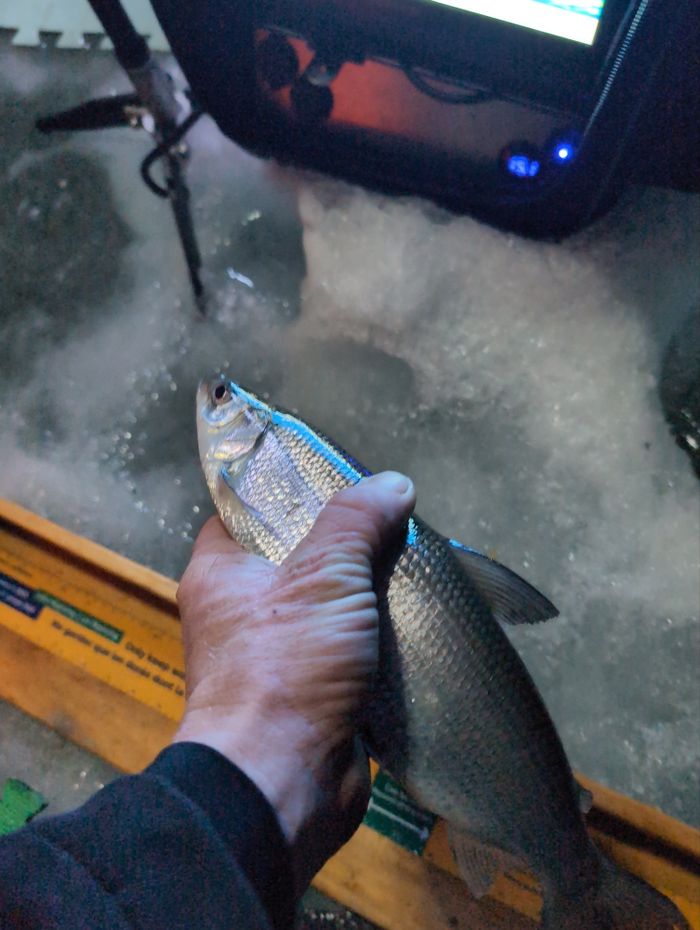
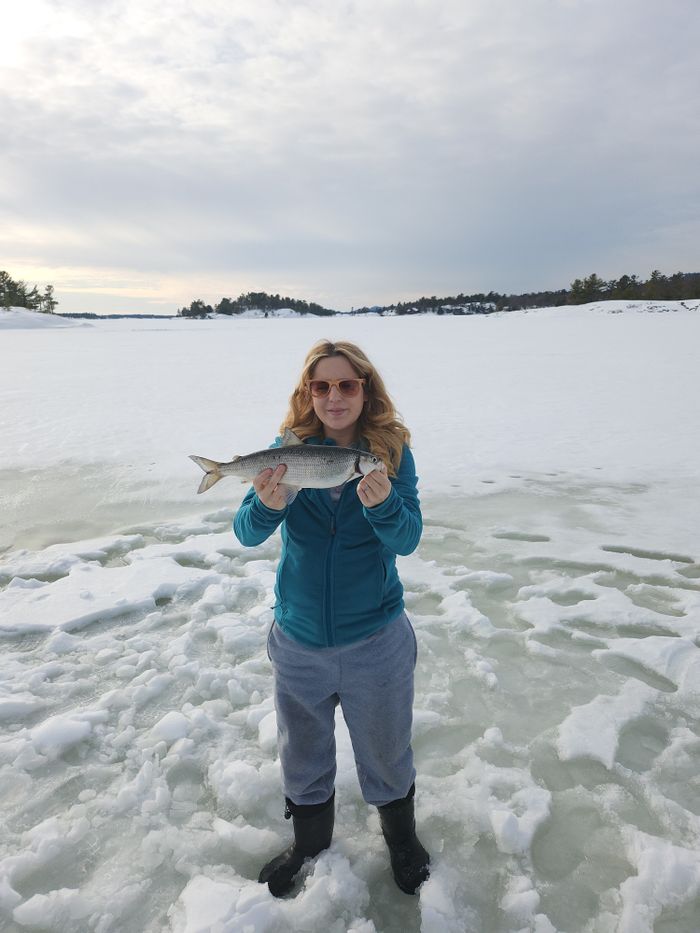
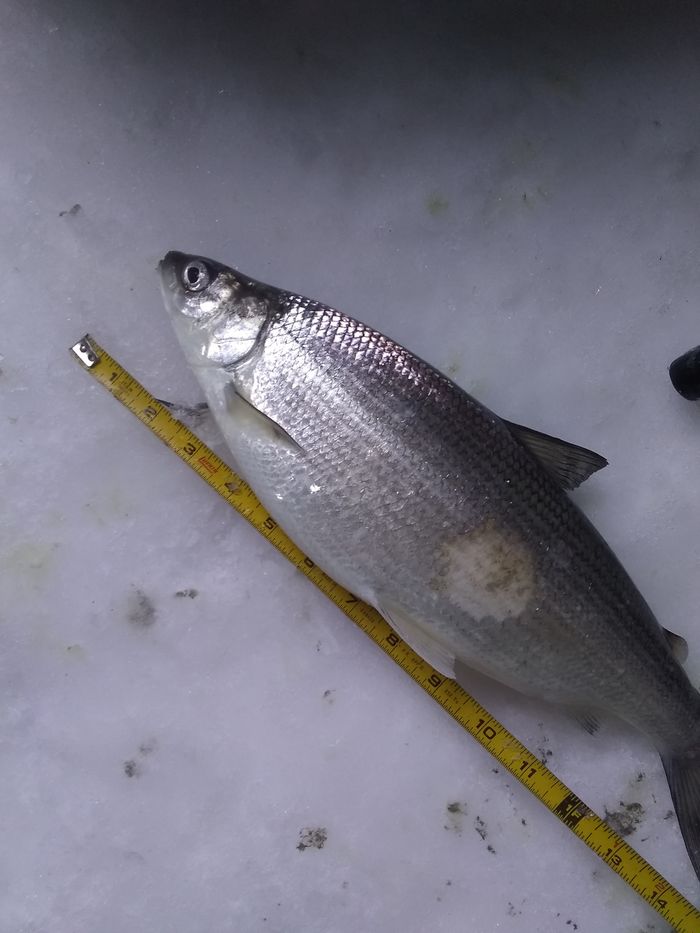
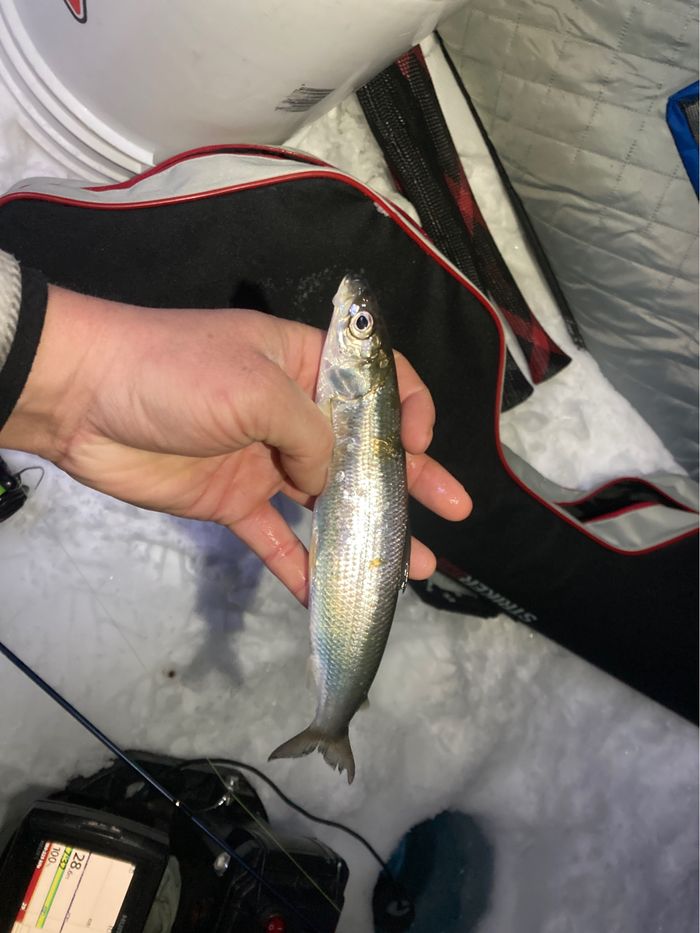
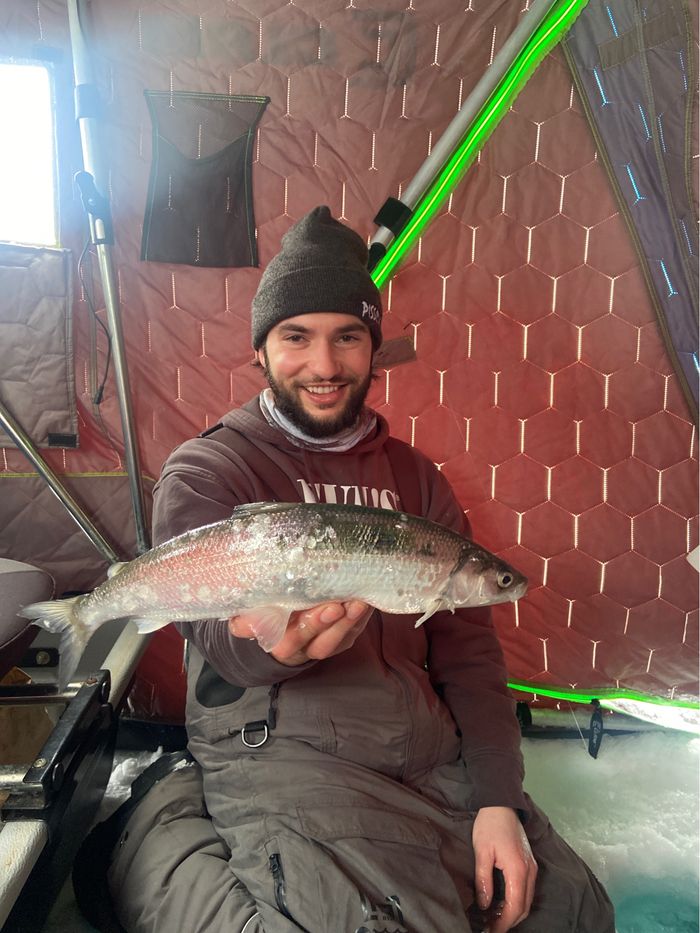
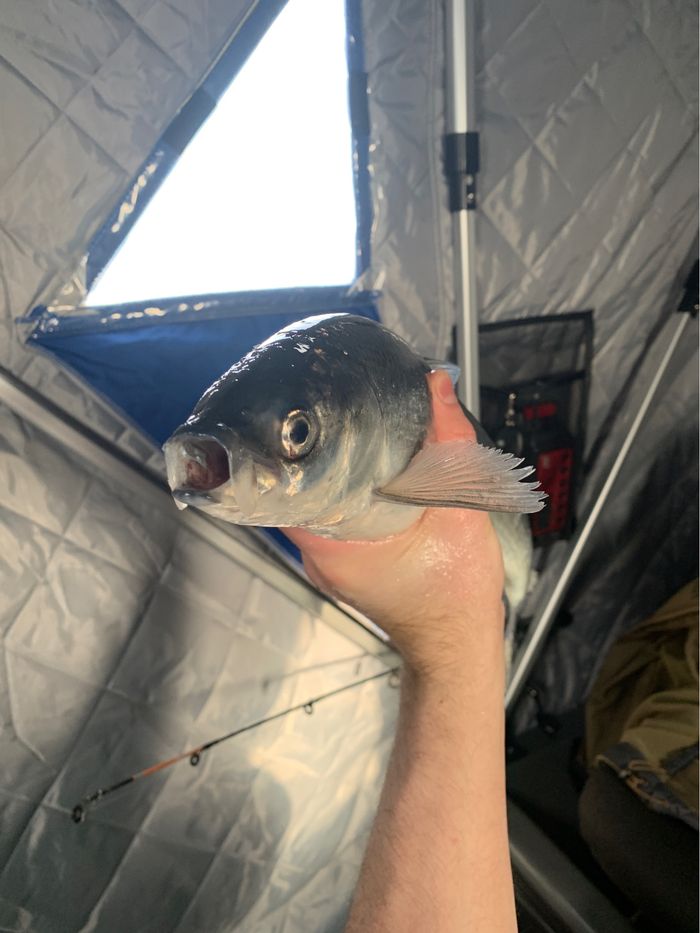
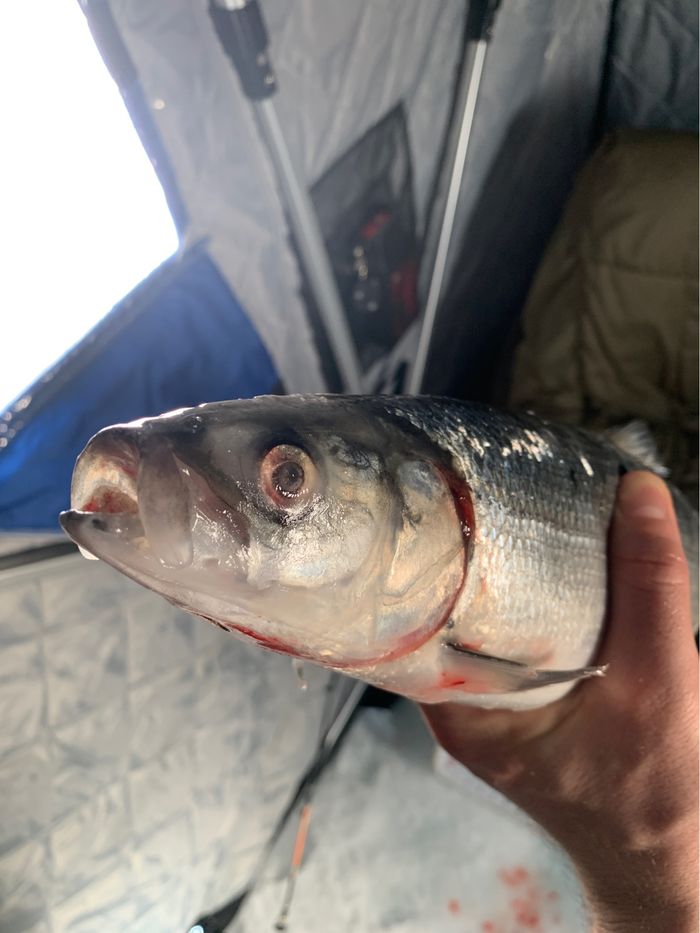
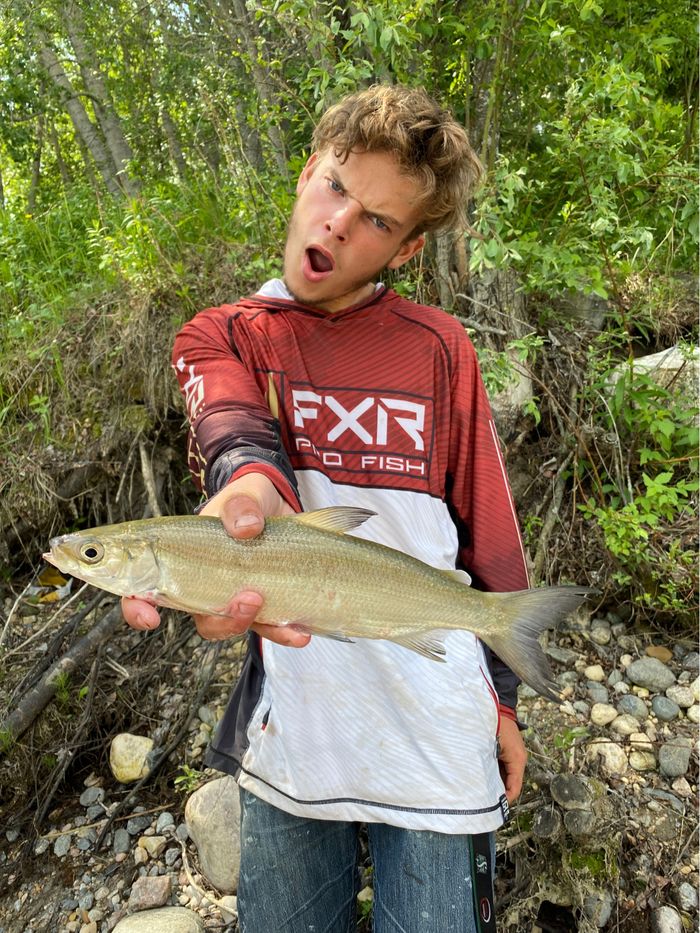
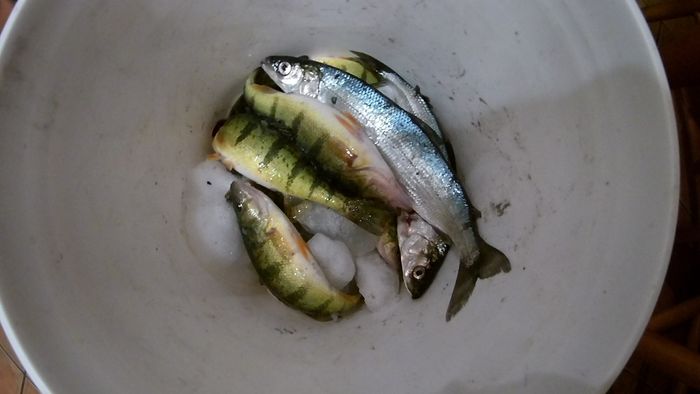
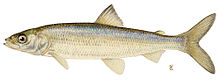
The Cisco, also commonly called lake herring, is a freshwater whitefish native to cold, pelagic waters of North America, particularly throughout Canada and the northern United States, including the Great Lakes and large inland lakes and rivers. They prefer open-water habitats in cold, well-oxygenated lakes and often move into shallower nearshore areas to spawn in late fall and early winter, before returning to deeper waters in spring and summer. Cisco are adapted to life as schooling fish in the mid-water zone, rarely occurring in waters warmer than about 17–18 °C and forming large shoals that help reduce predation risk. As primarily zooplanktivores, Cisco feed largely on cladocerans, copepods, and other small crustaceans, with juveniles also consuming algae and zooplankton and occasional insect larvae or small fish depending on size and availability. They play a key ecological role as forage for predators like lake trout, northern pike, walleye, and yellow perch and historically supported important commercial and recreational fisheries in places like the Great Lakes. Source: Animal Diversity Wed (https://animaldiversity.org/accounts/Coregonus_artedi/?utm_source=chatgpt.com)