Events
  Places
  Fish
Fish  Research
  Sign in
  New Catch Log
  New Trip Log
 Yellow Bullhead
Ameiurus natalis
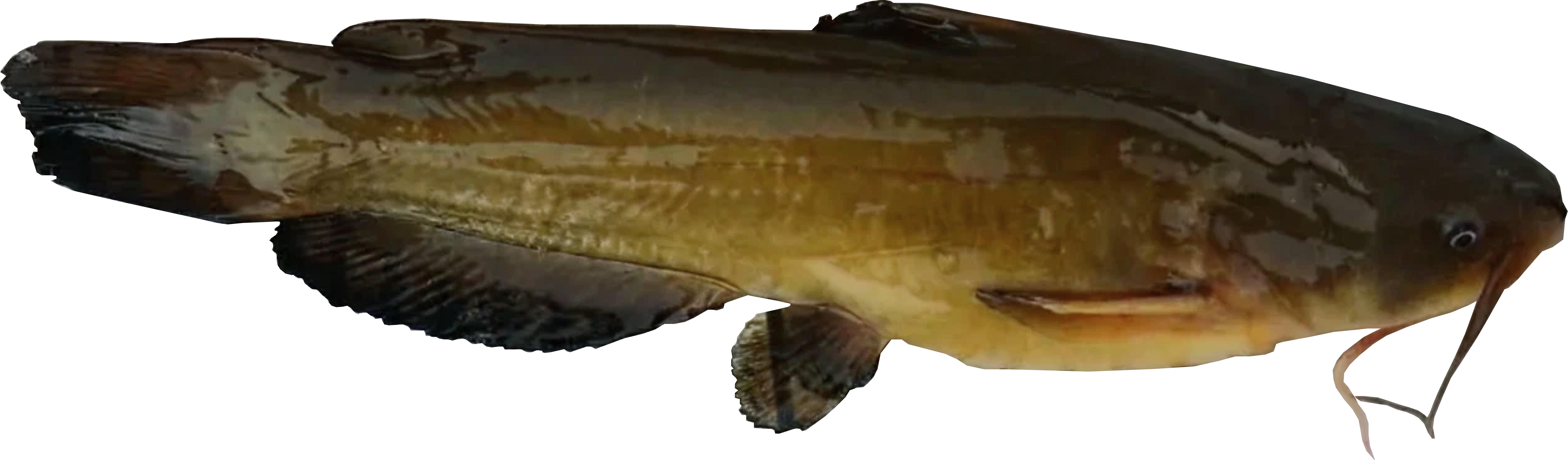
Yellow Bullhead
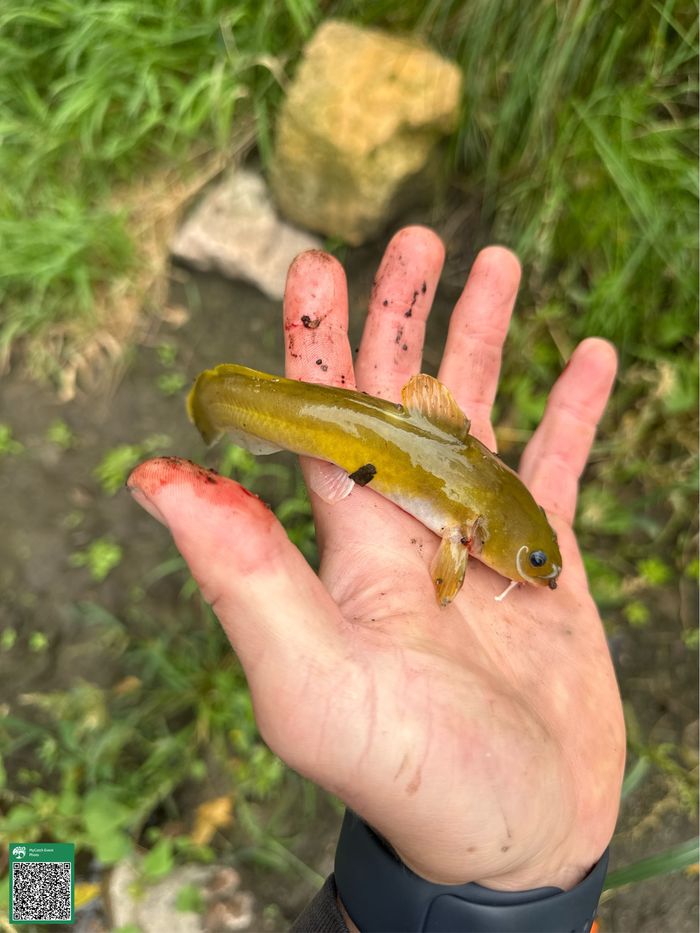
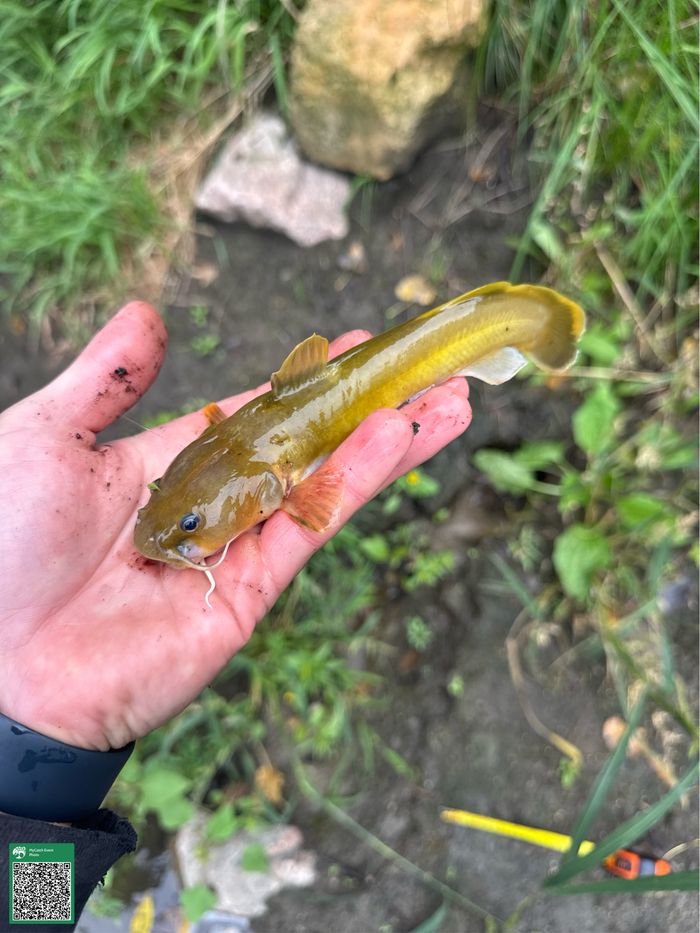
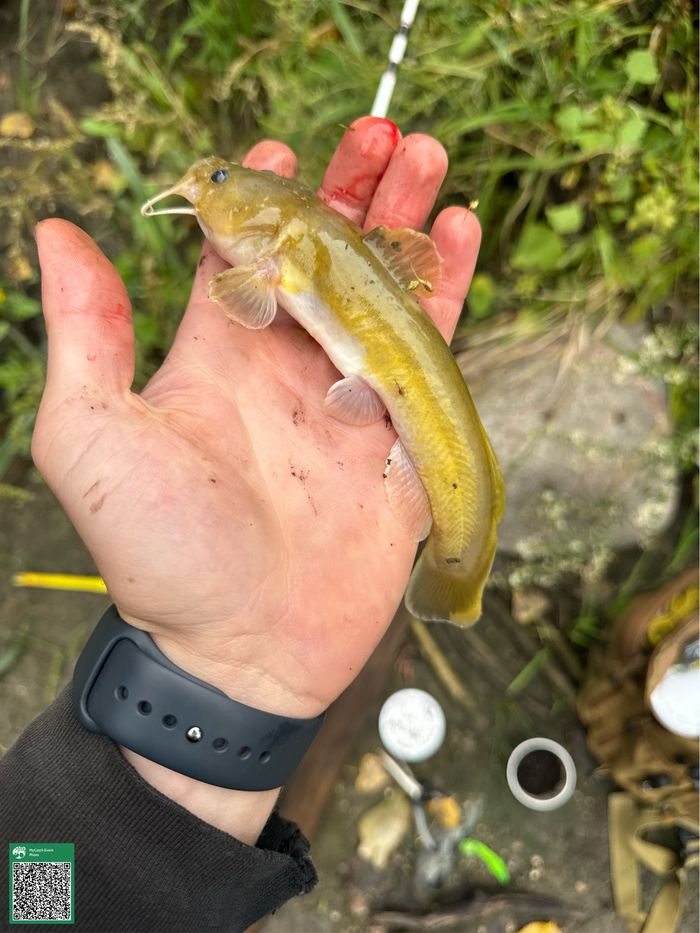
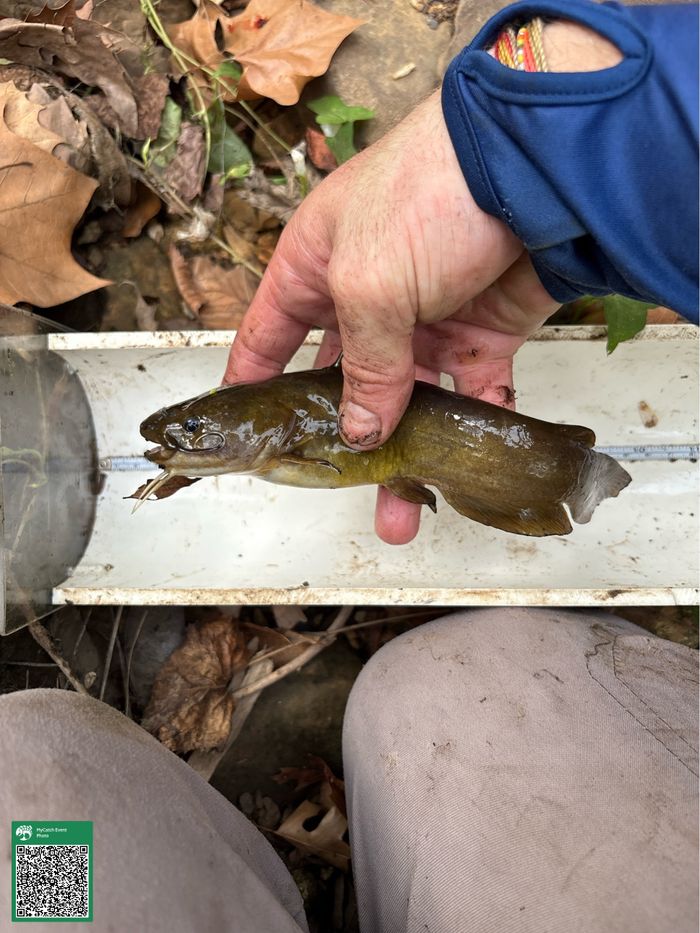
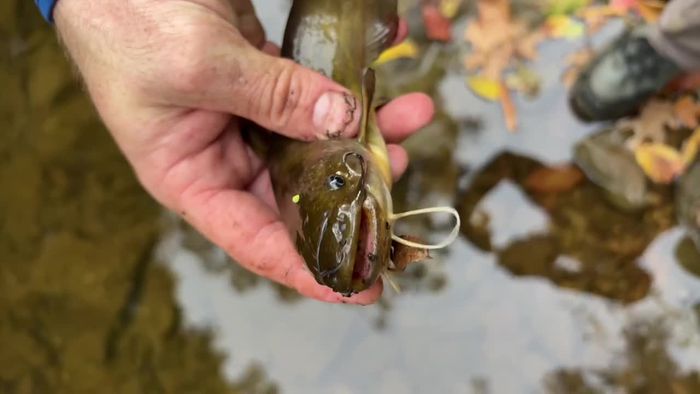
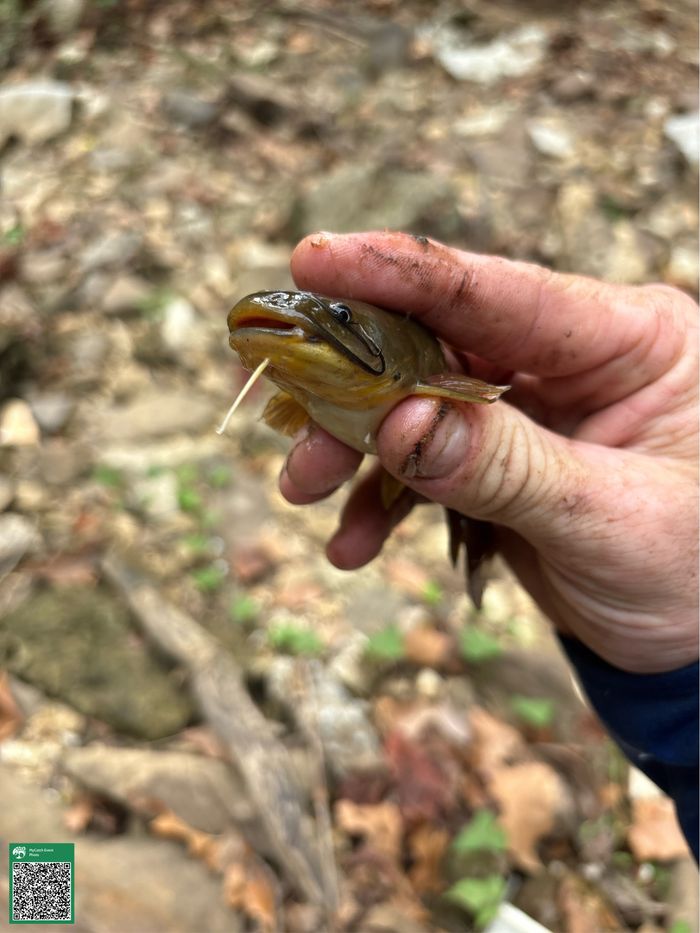
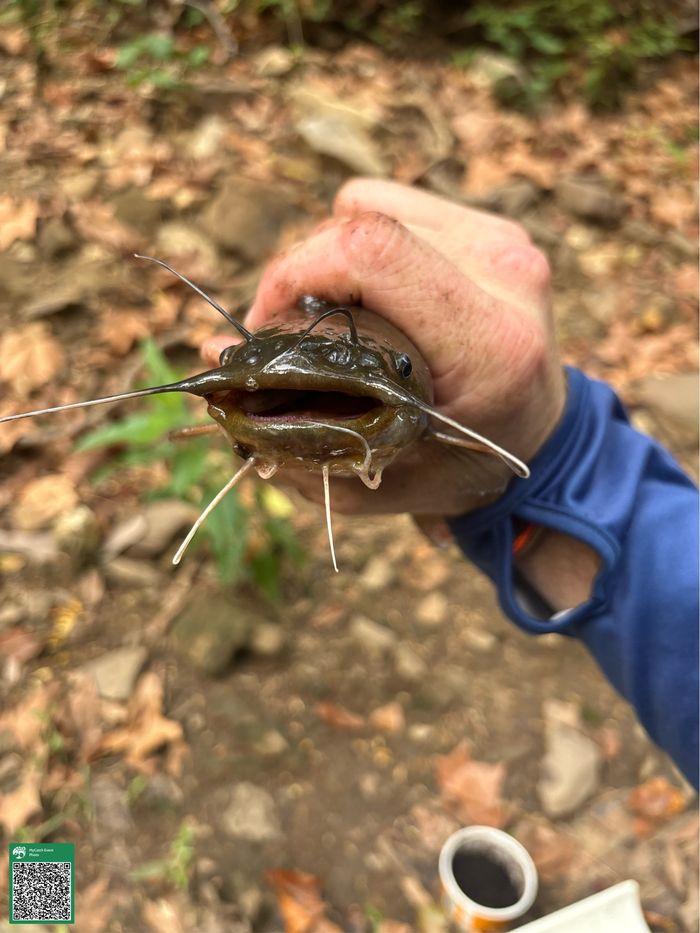
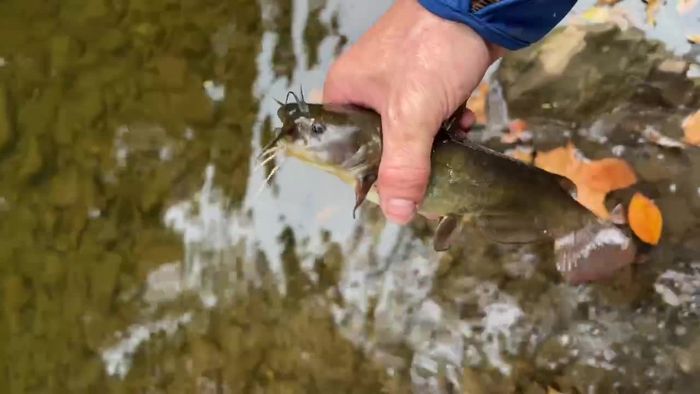
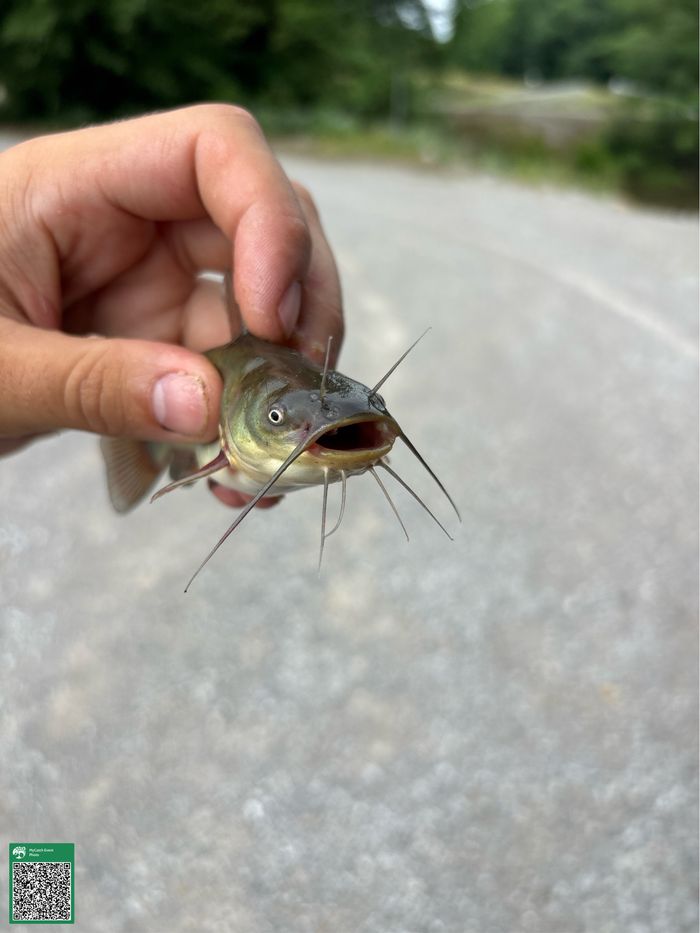
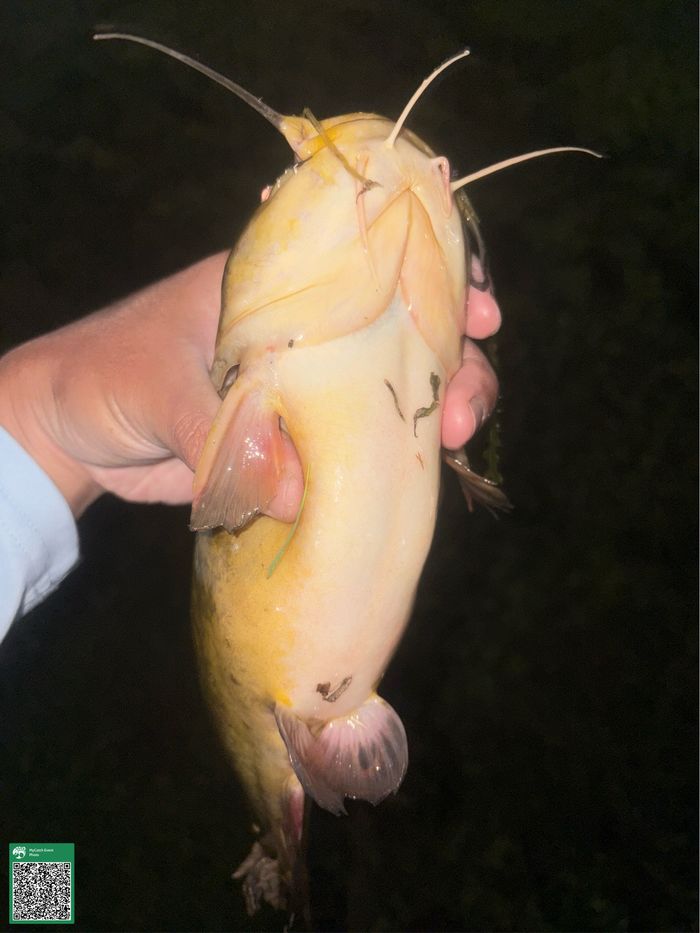
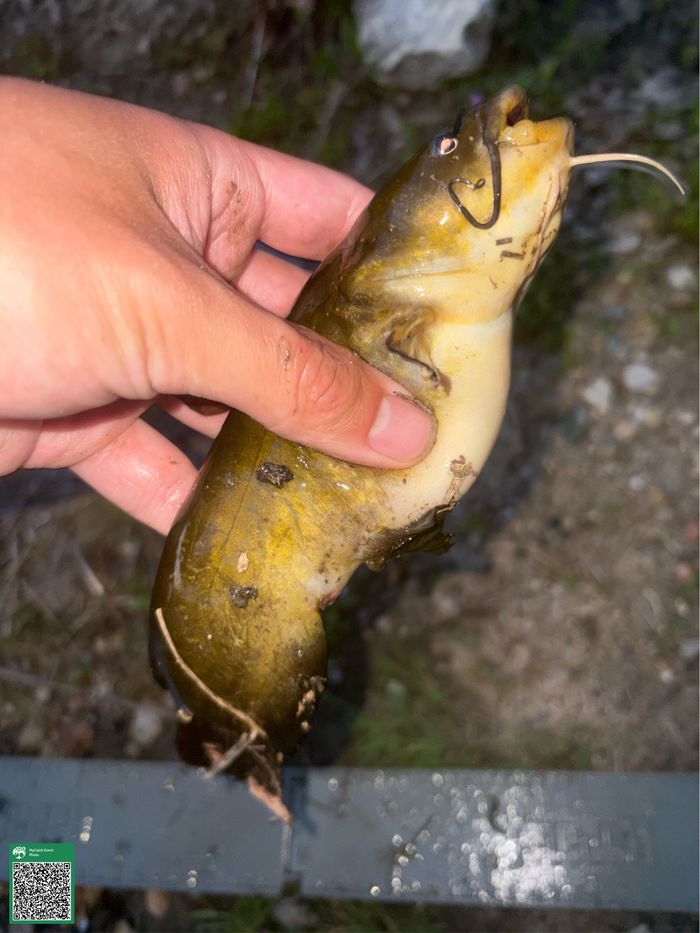
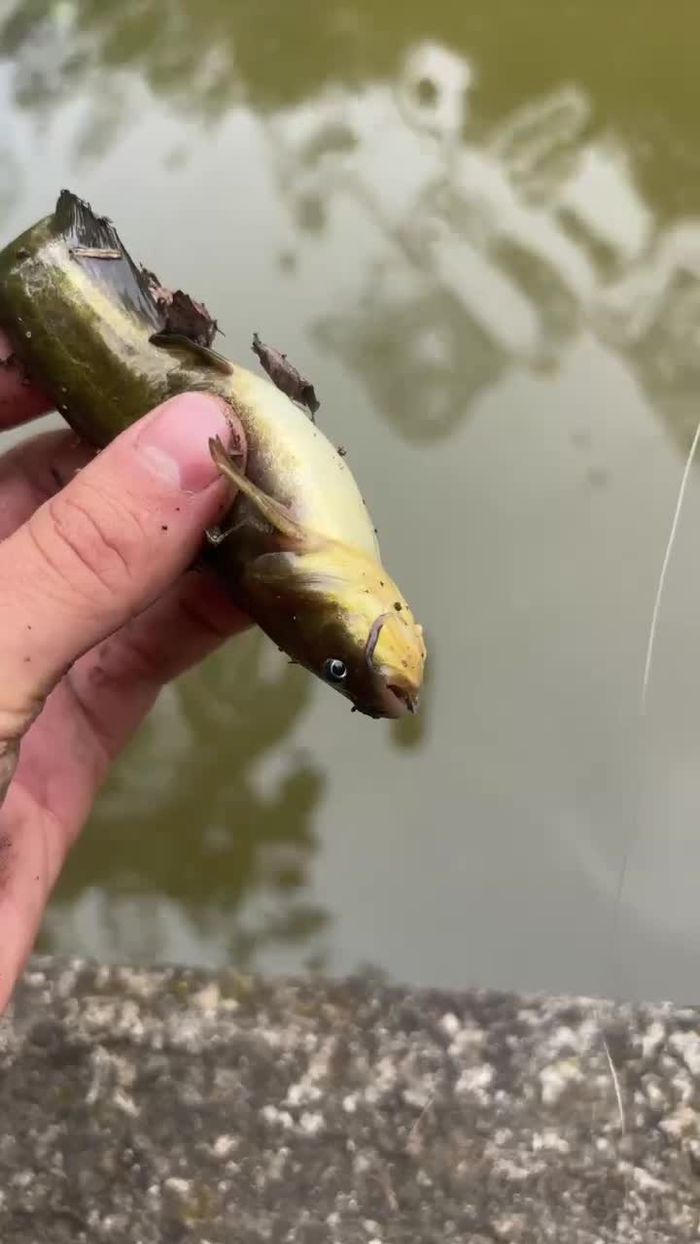
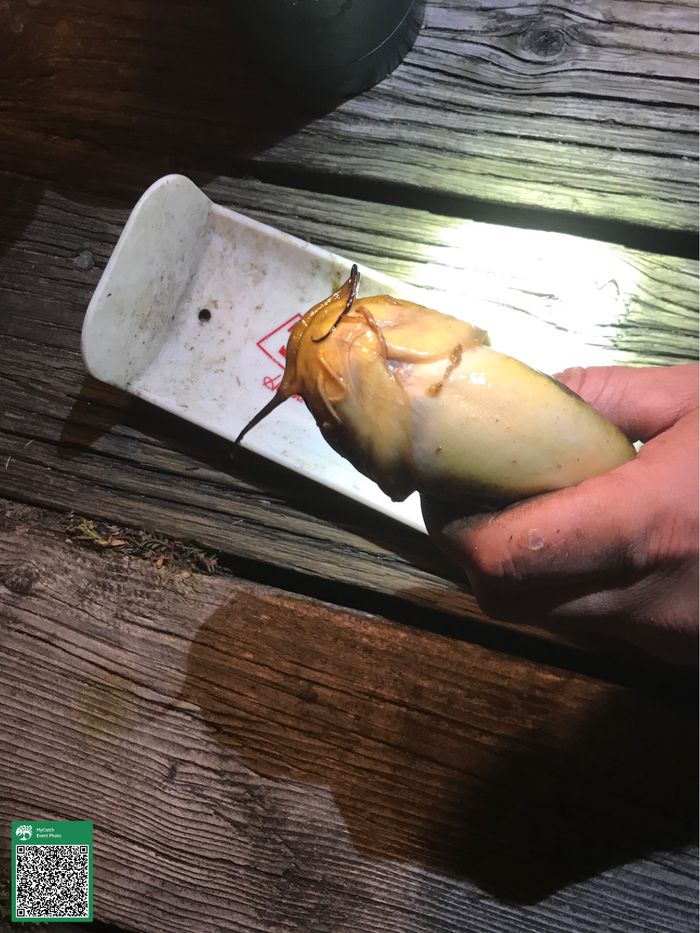
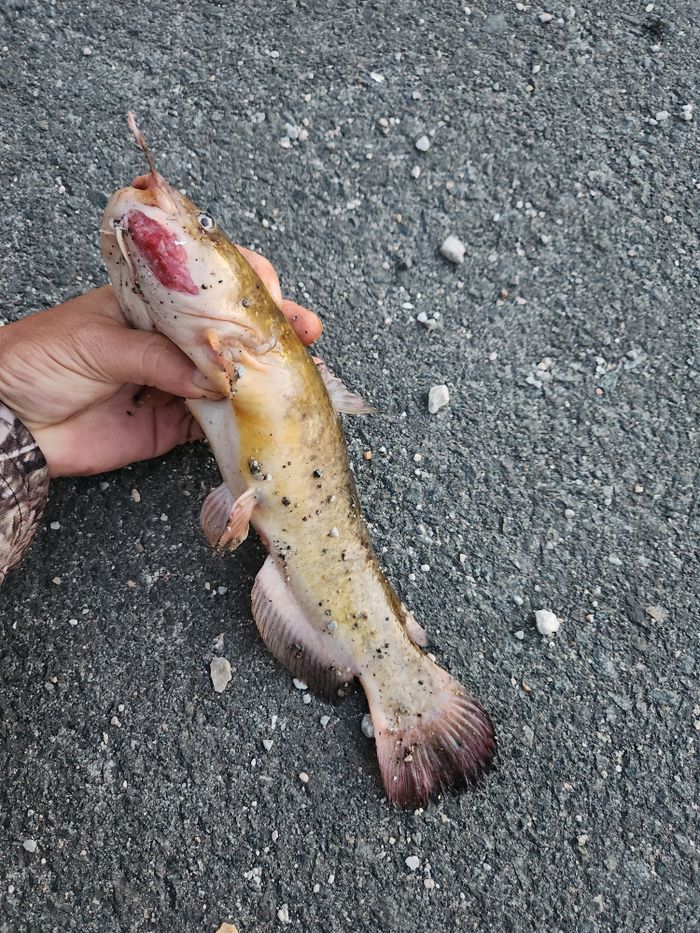
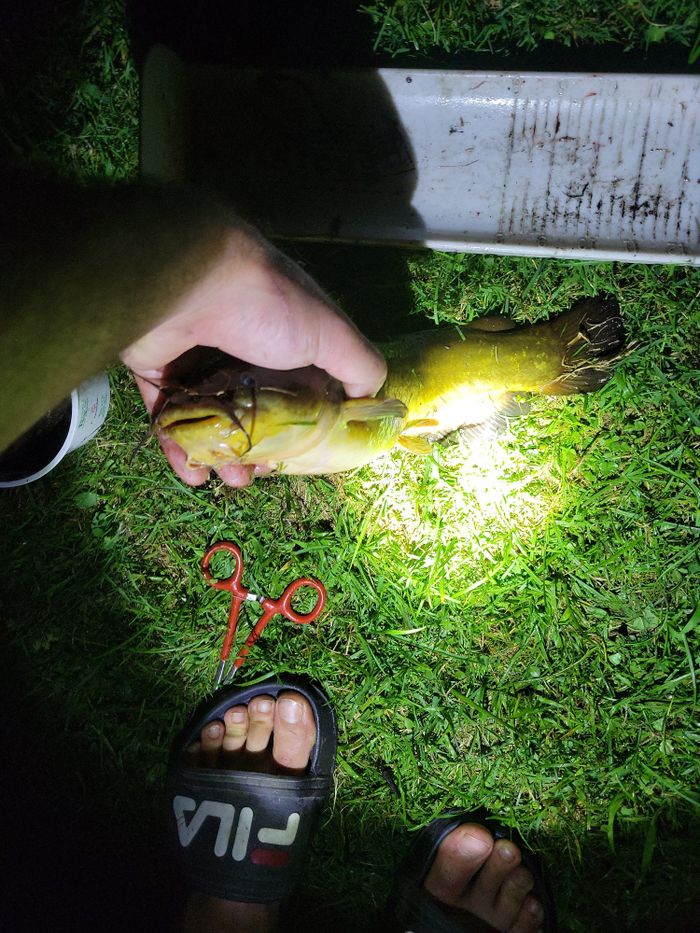
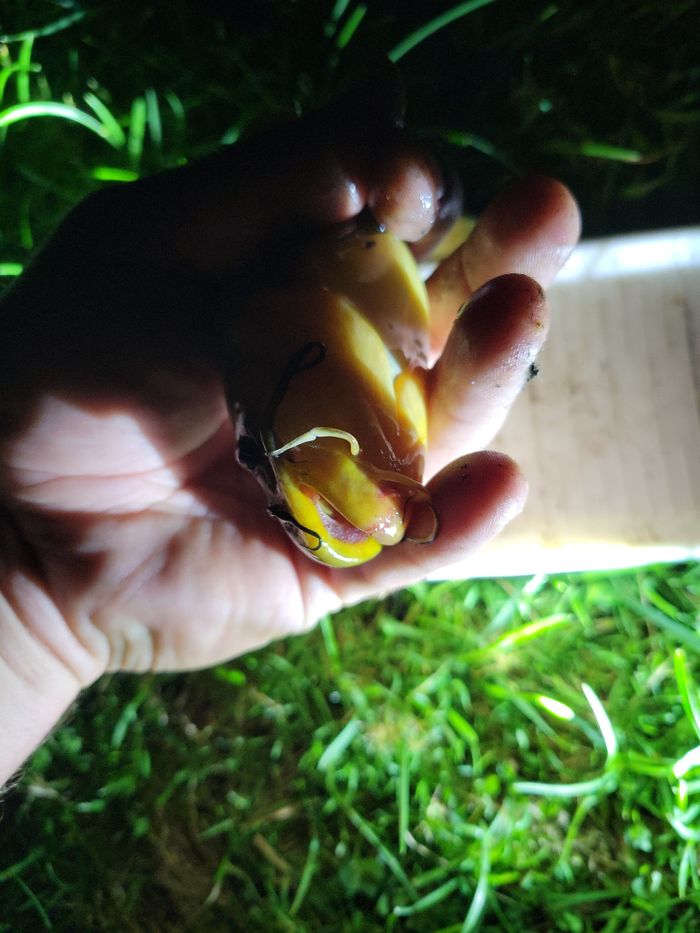
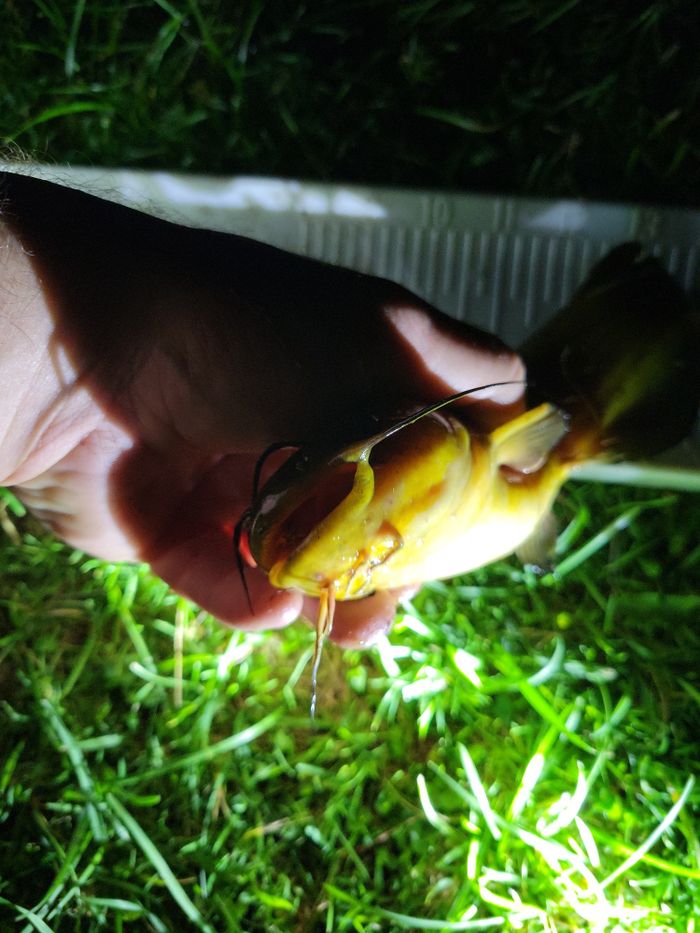
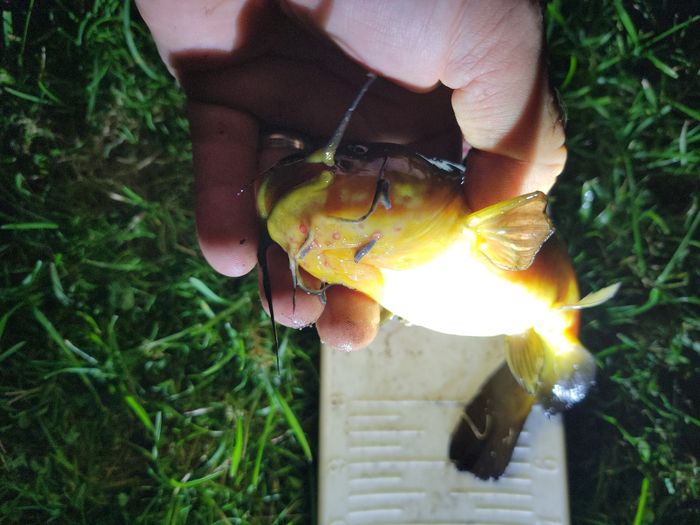
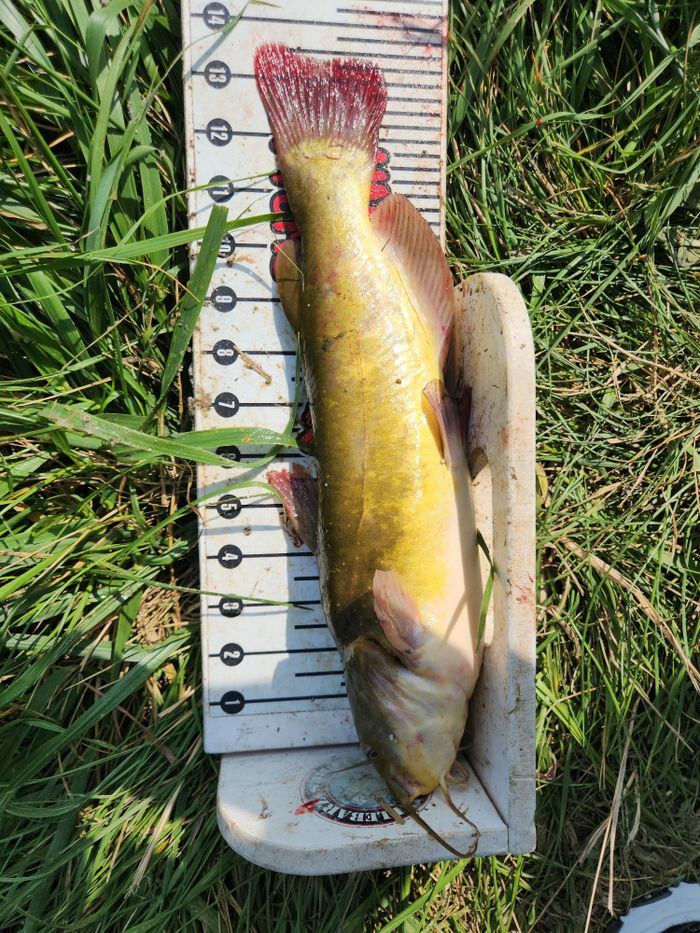
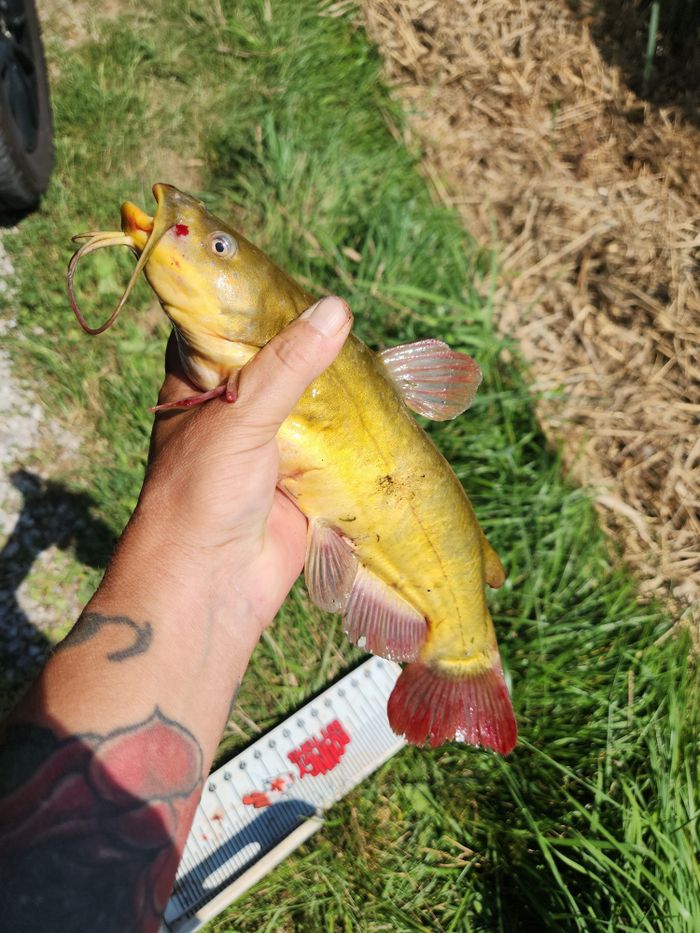
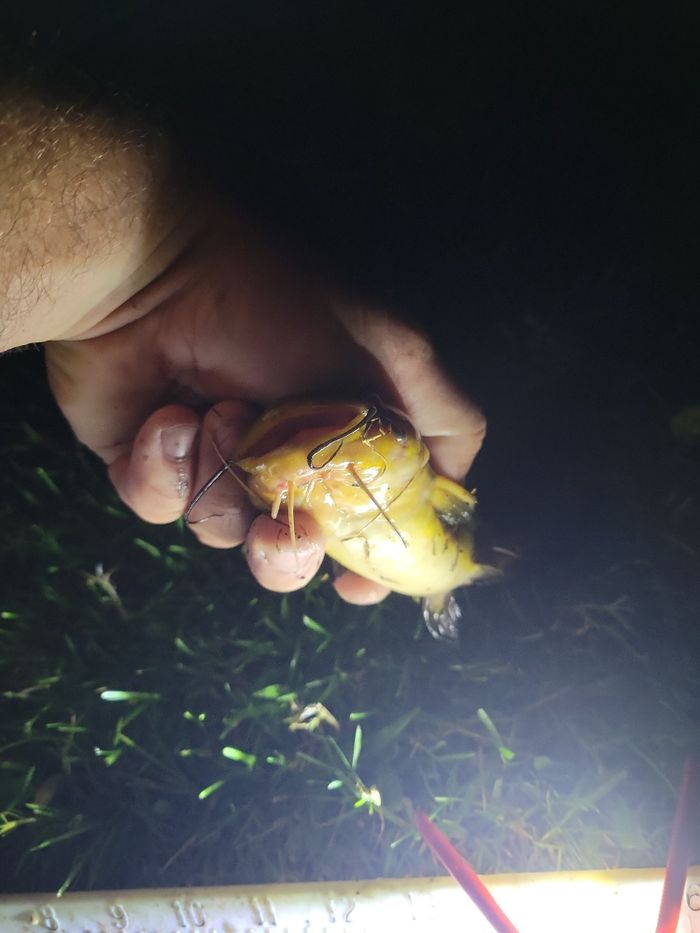
The Yellow Bullhead ranges throughout eastern and central North America, extending as far north as the southeastern portion of Canada, west to the Rio Grande and Great Plains, and as far south as Texas and Georgia. Slow-moving to stagnant shallow waters are where they thrive best. As a bottom-dwelling species, they ideally seek muck, rocks, sand, or clay substrates in areas where vegetation exists. While Yellow Bullhead feed during the day, they are much more active at night, making them primarily nocturnal. Like other catfish species, yellow bullhead will eat whatever they can. Although they consume more plant material than other bullheads, they also feed on aquatic invertebrates, minnows, crayfish, worms, larvae, mollusks, and even dead fish or other dead organisms. Yellow Bullhead typically range from 15–48 cm (6–19 in) in length and weigh 0.9–3.2 kg (2–7 lb). Yellow Bullhead are much more yellow to olive in color than black or brown bullheads. The pectoral and dorsal fins have spines containing mild venom, which they use to defend themselves from predators. Their underside is creamy off-white, and they have barbels near the nostrils and under the chin. The chin barbels are yellow or white, making them easily distinguishable from other similar species in the family. Yellow Bullhead lack scales and are instead covered in a sensory system of taste buds used to locate food. There are roughly 200,000 taste buds across the body, 20,000 of which are in their barbels.Source:Animal Diversity Web (https://animaldiversity.org/accounts/Ameiurus_natalis/#geographic_range)