Events
  Places
  Fish
Fish  Research
  Sign in
  New Catch Log
  New Trip Log
 Sauger
Stizostedion canadense
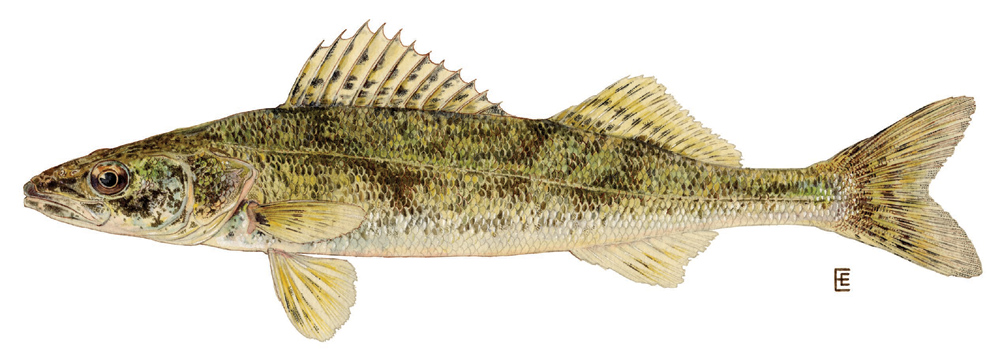
Sauger
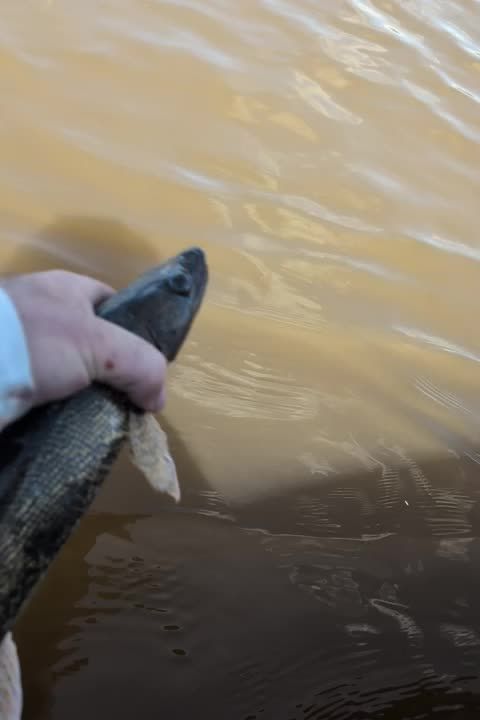
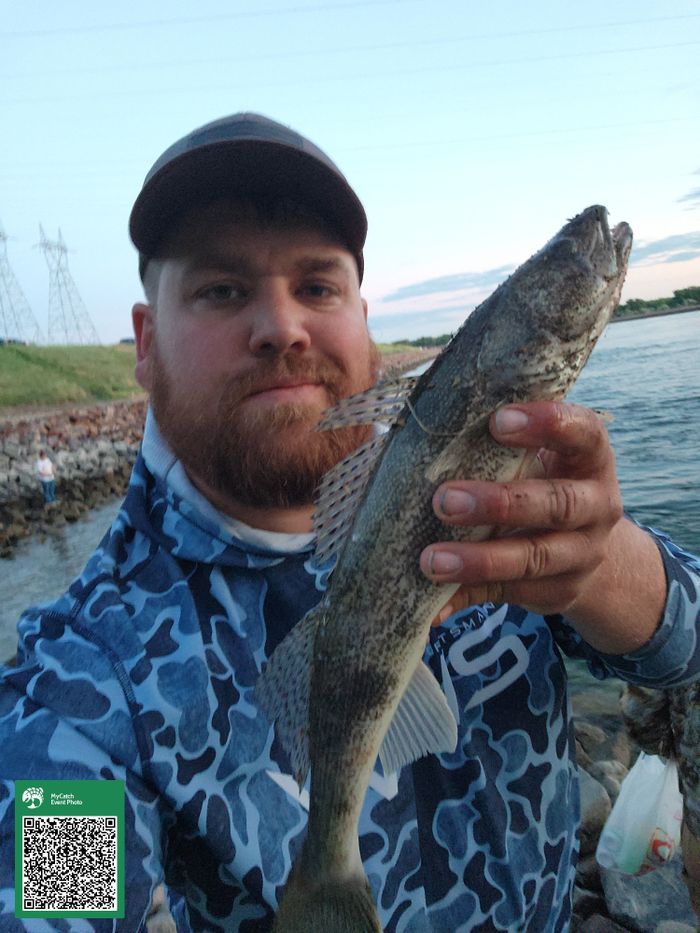
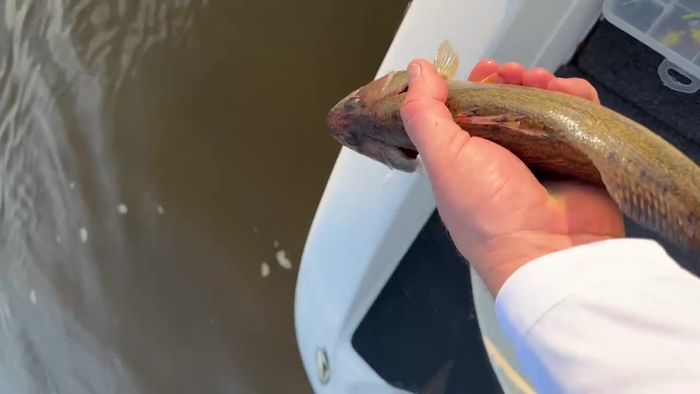
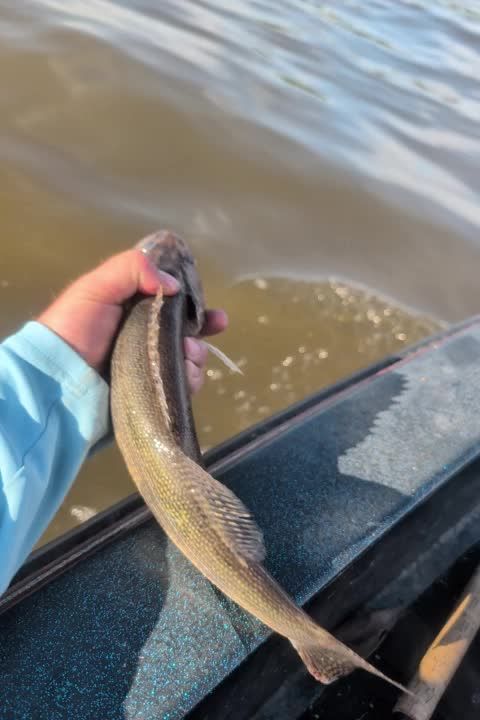
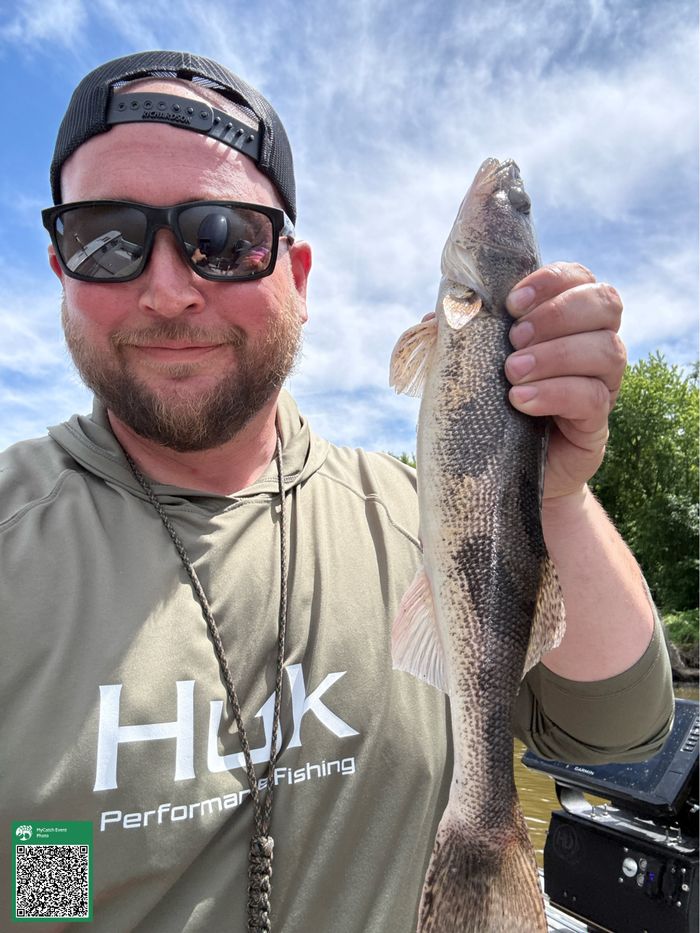
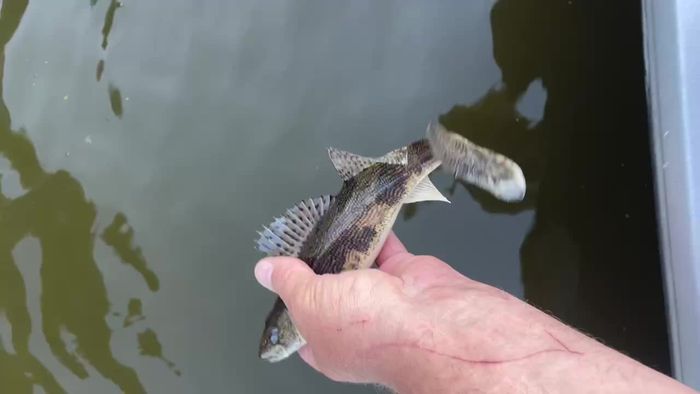
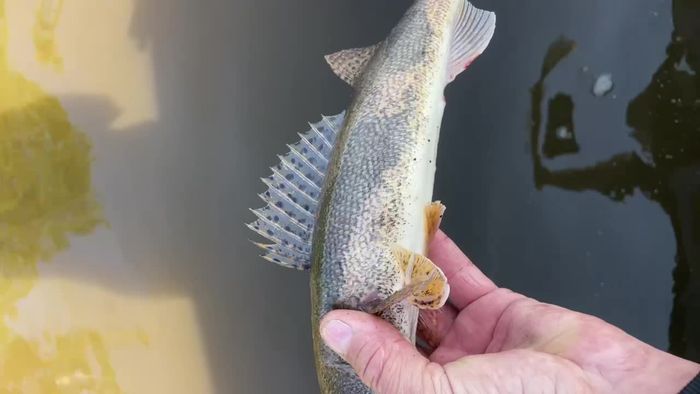
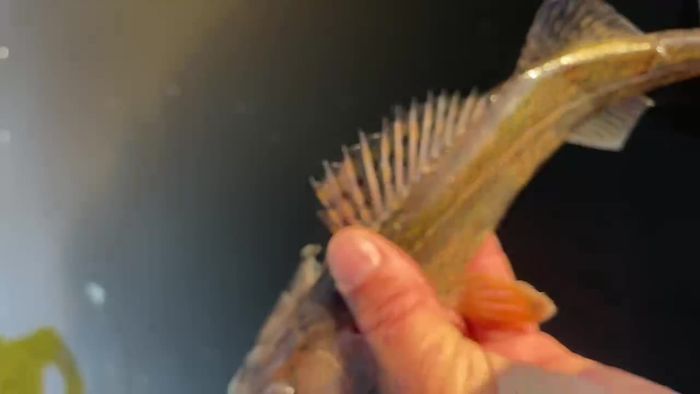
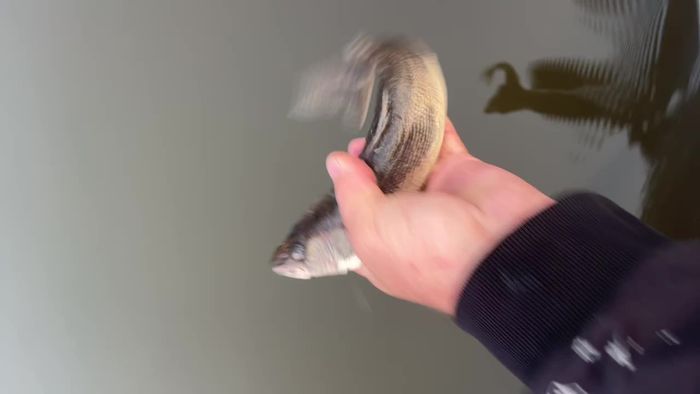
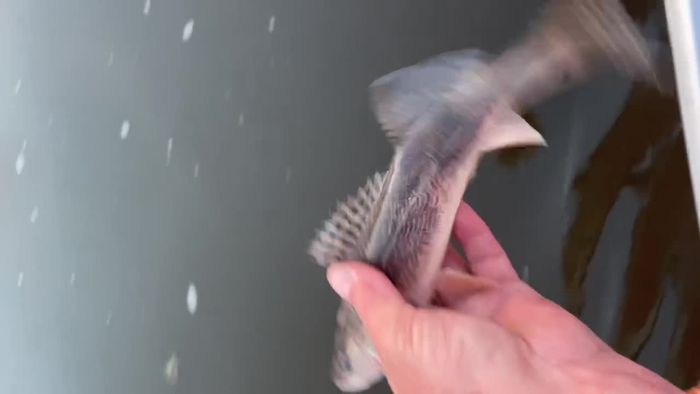
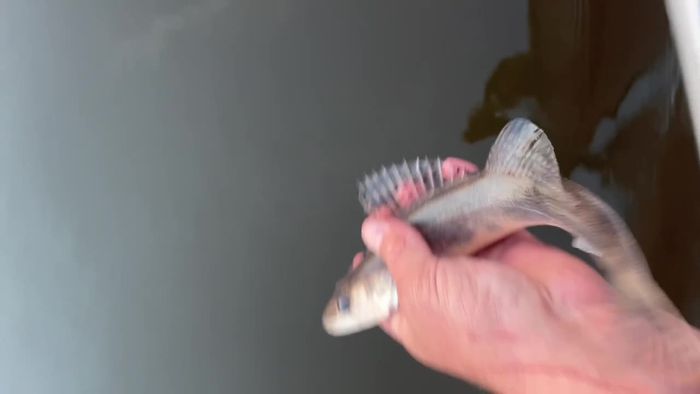
The Sauger is a freshwater species that can be found in the St. Lawrence River and Great Lakes, extending north to Hudson Bay and east through Manitoba and Saskatchewan. They are also found in select rivers of Alberta. In the U.S., Sauger are often found west of the Appalachian Mountains. Sauger feed on a wide variety of invertebrates and fish. Small Sauger consume benthic invertebrates or catfish. During late summer and autumn, Sauger feed primarily on fish such as drum and channel catfish, while small sauger continue to pursue benthic invertebrates or small fish. During the summer, sauger of all sizes feed heavily on mayfly larvae. Sauger grow to a length of 30–53 cm (12–21 in) and weigh 0.5–3.6 kg (1–8 lb). They have elongated bodies, olive to bronze in color, with a white belly. The first dorsal fin is spiny, while the second is soft. Sauger are often confused with walleye, but the easiest way to distinguish them is the absence of a white spot on the lower tip of the tail fin. Black spots arranged in rows of 3–4 on the dorsal fin are another distinguishing feature. Source: Guidesly (https://guidesly.com/fishing/fish-species/sauger)