Events
  Places
  Fish
Fish  Research
  Sign in
  New Catch Log
  New Trip Log
 Rock Bass
Ambloplites rupestris
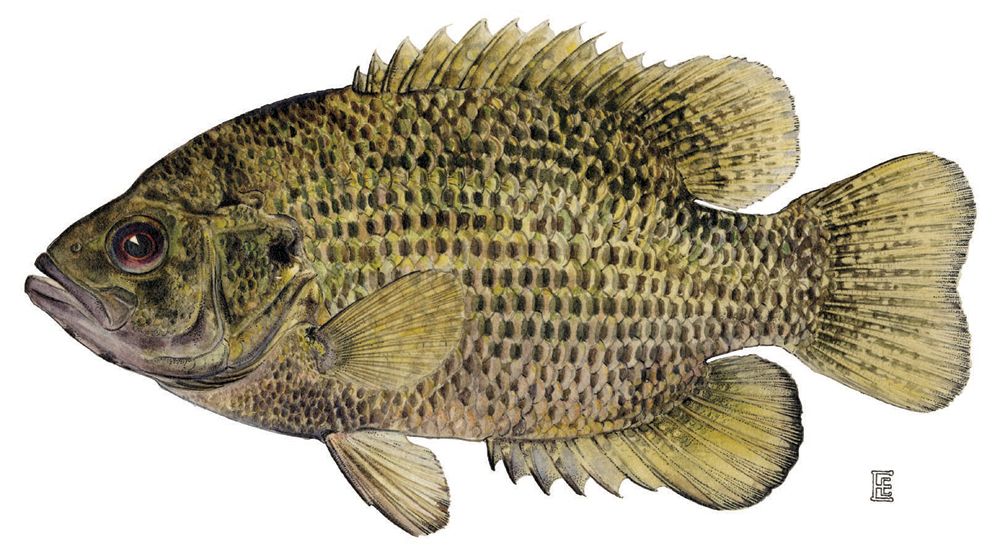
Rock Bass
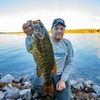
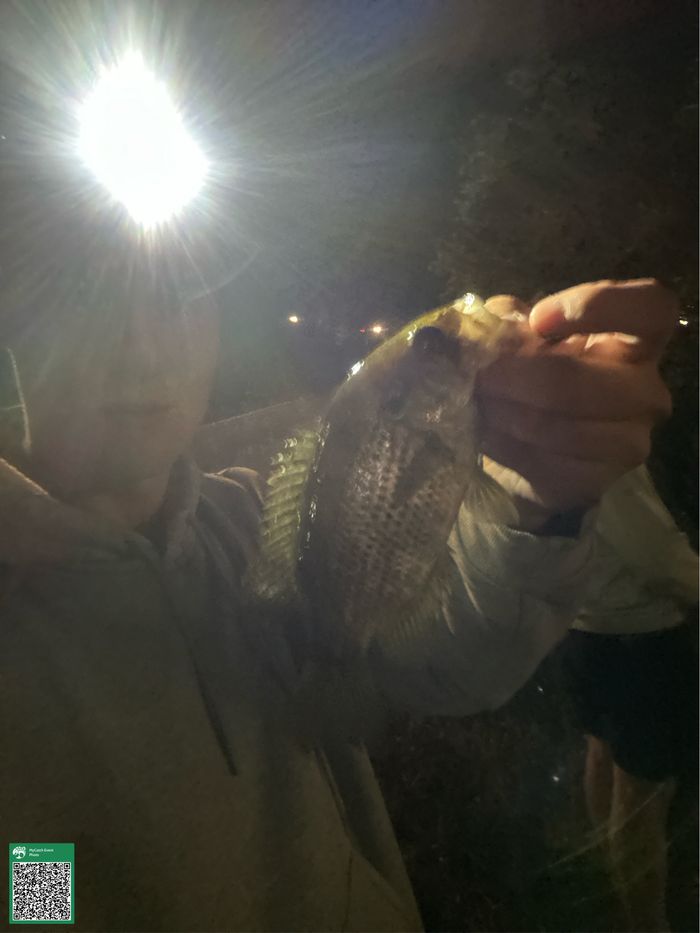
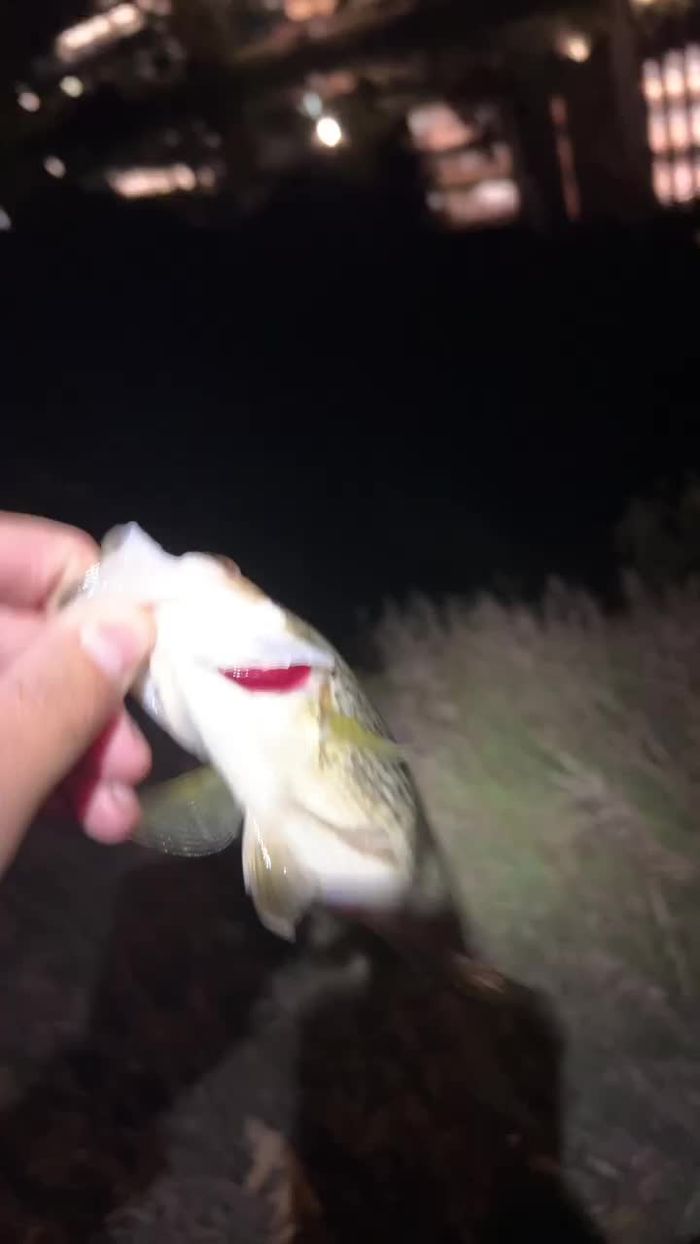
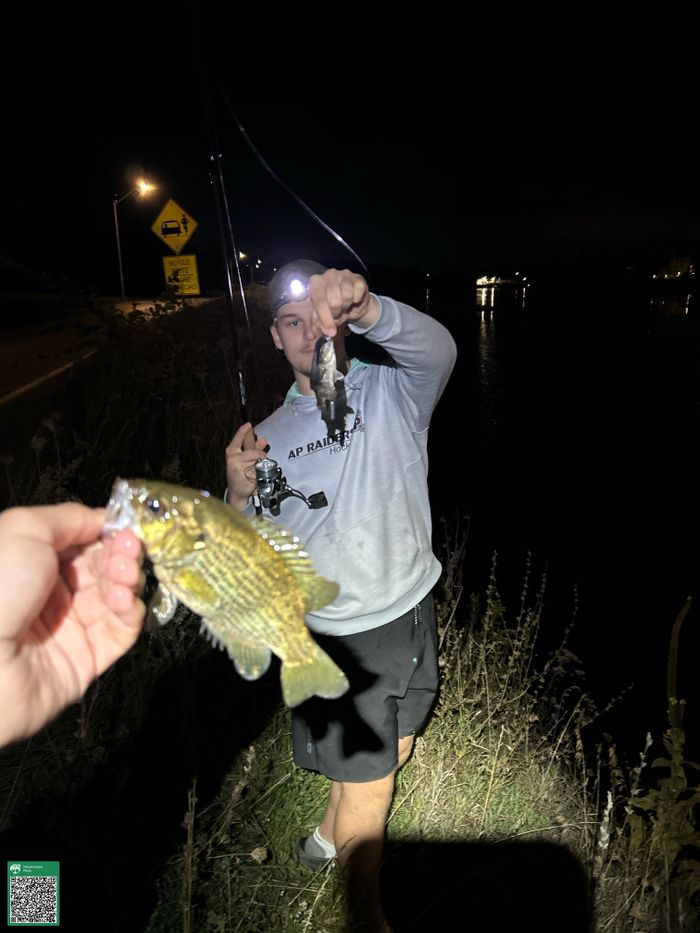
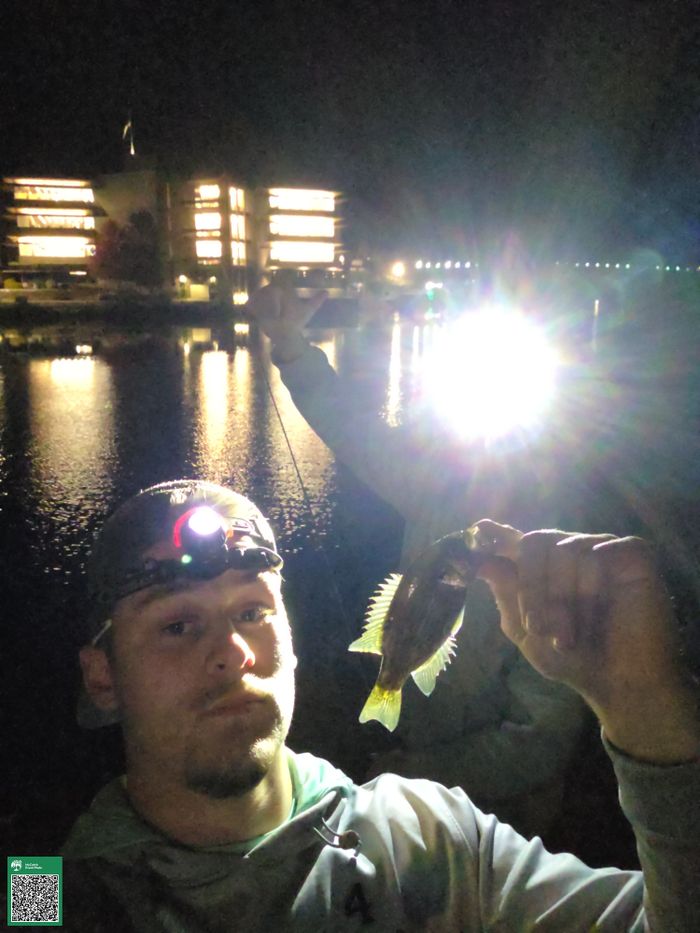
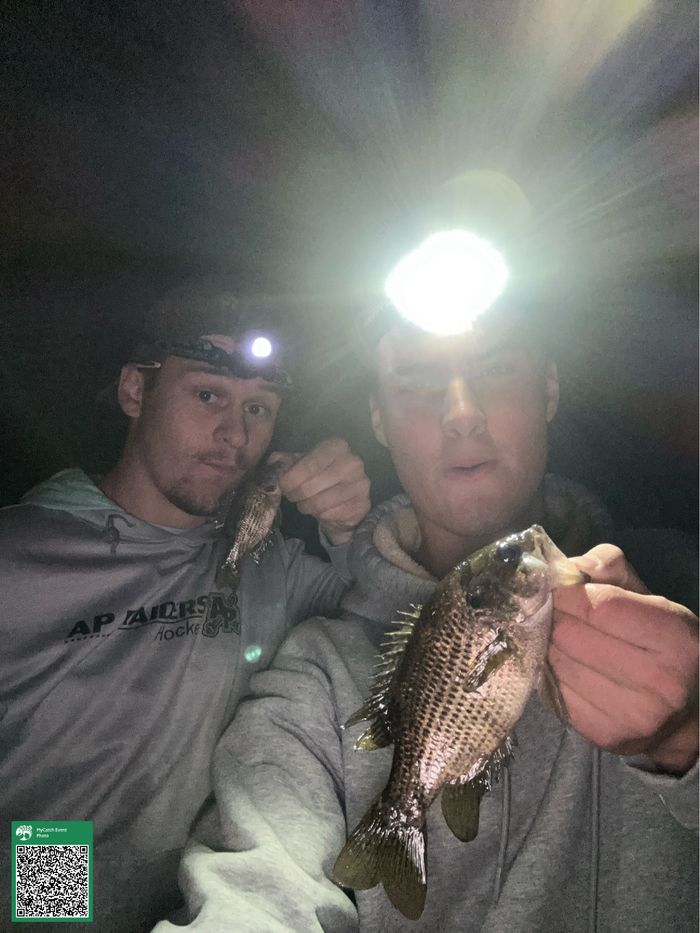
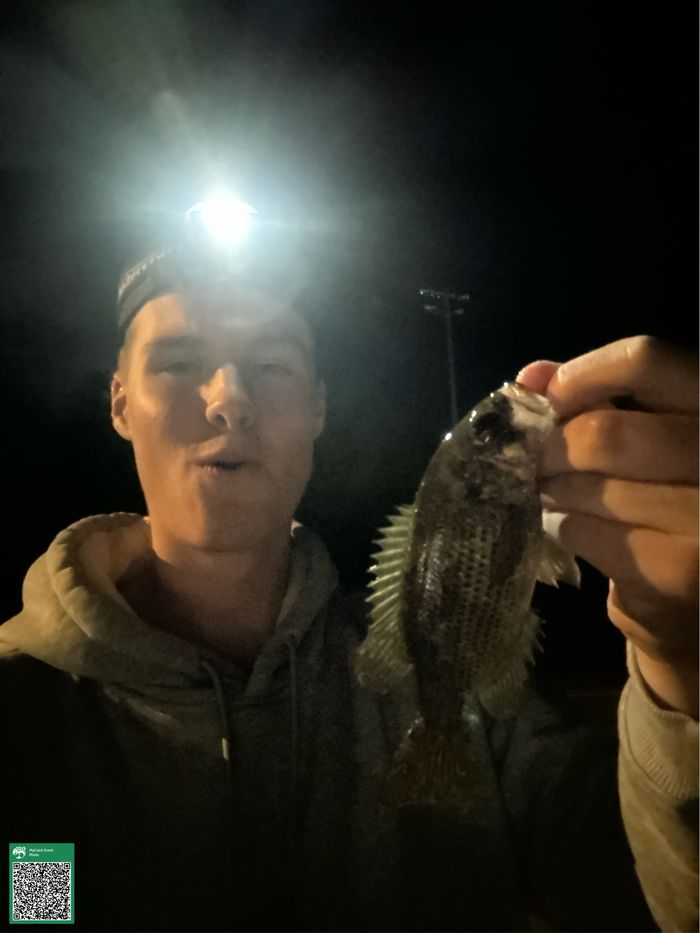
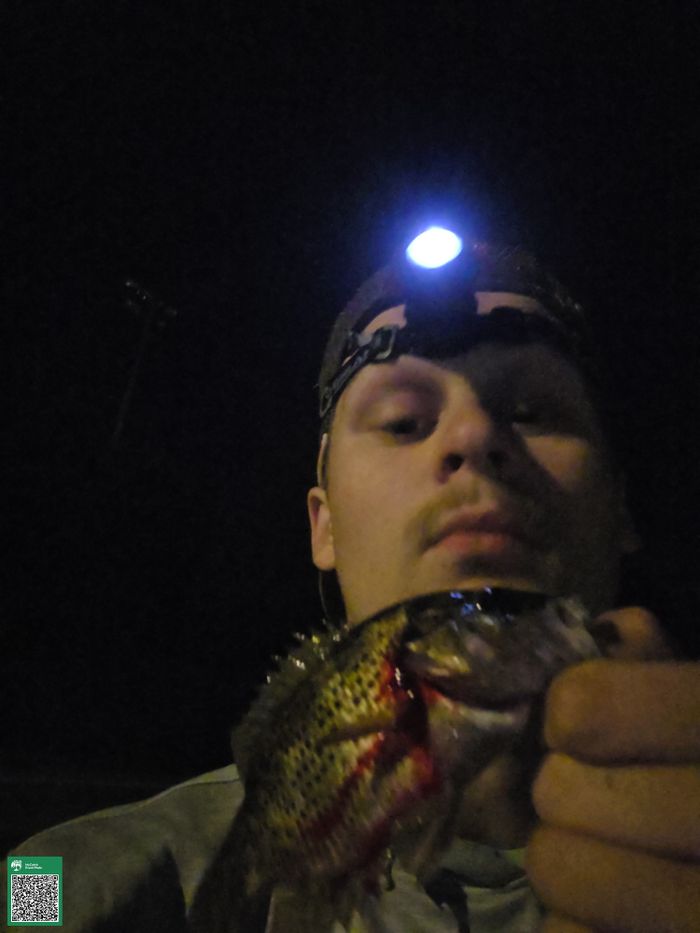
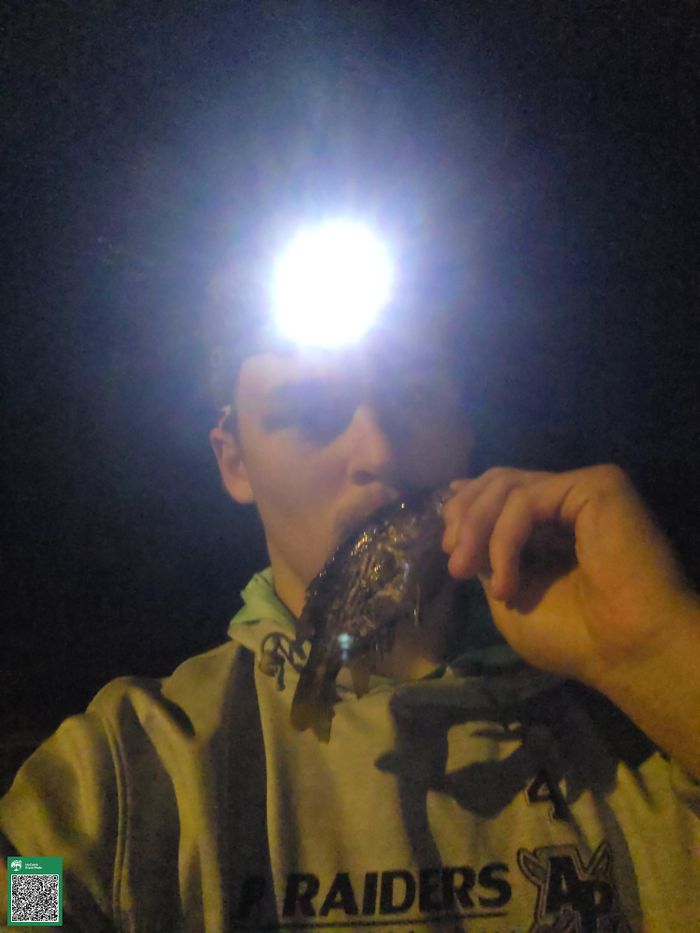
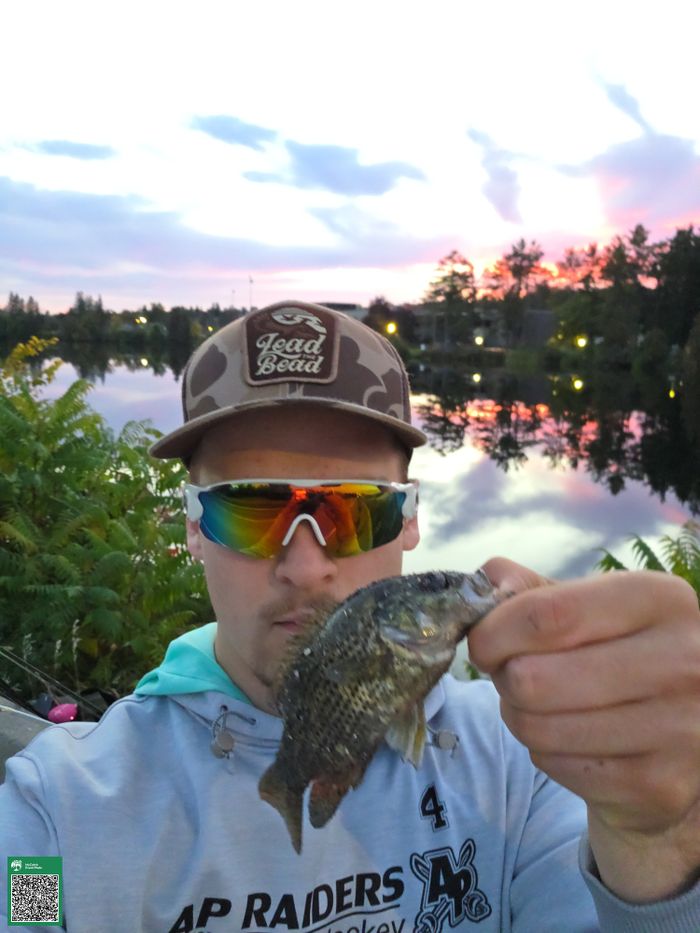
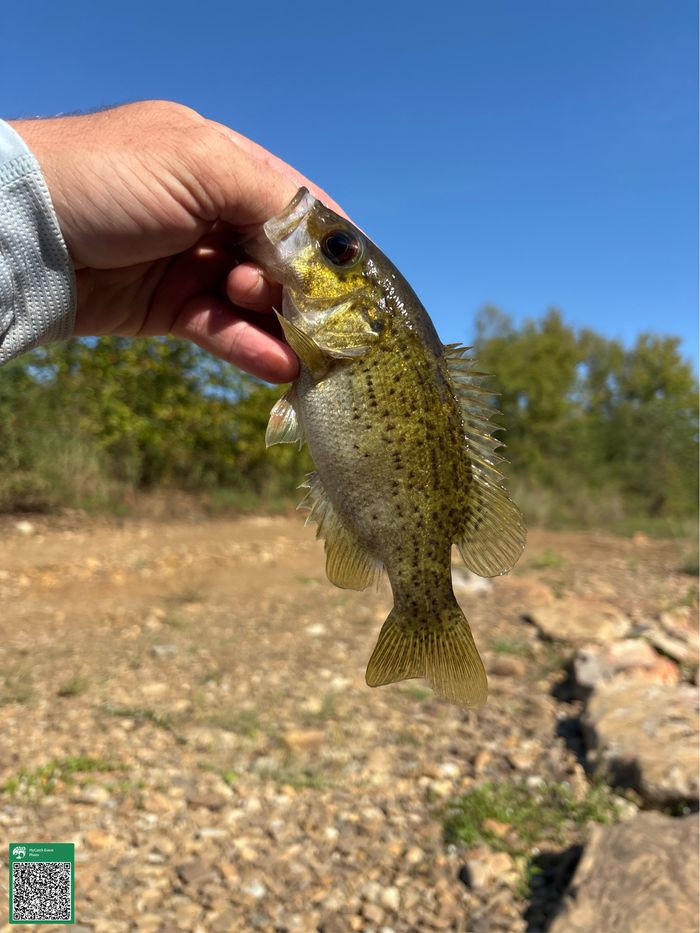
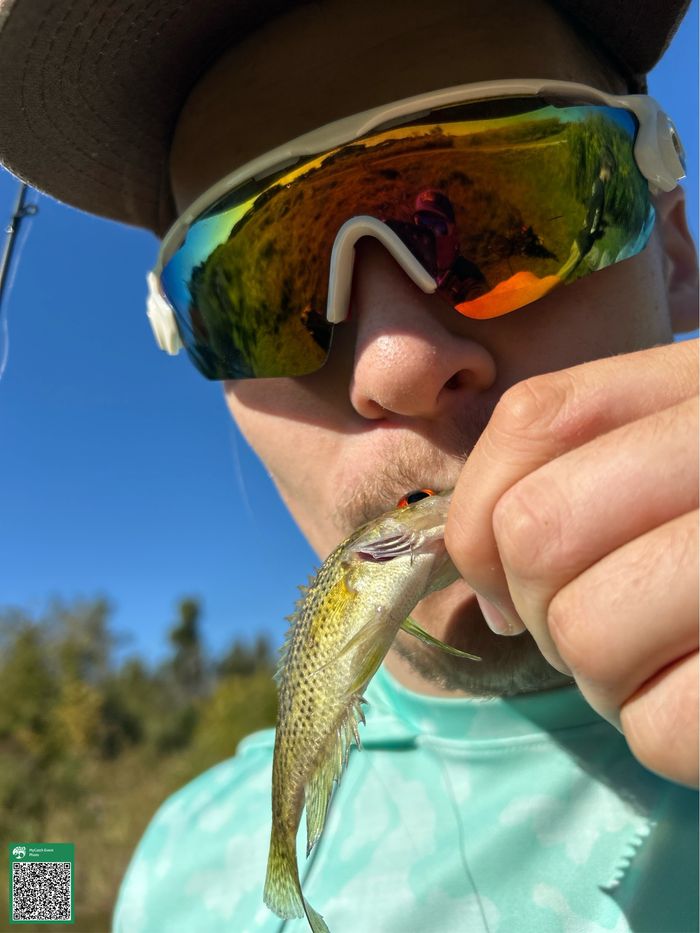
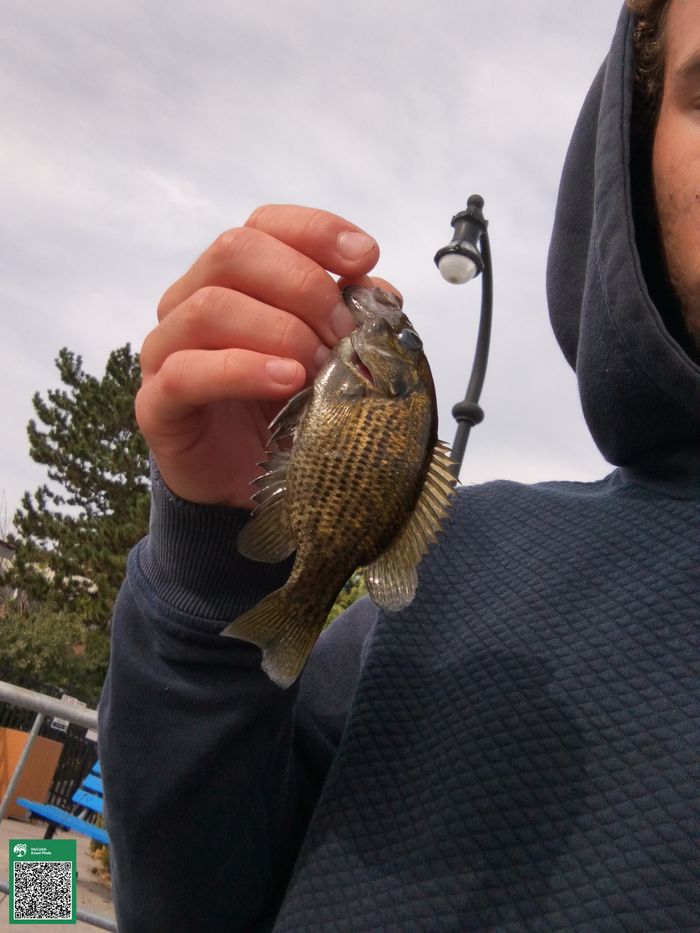
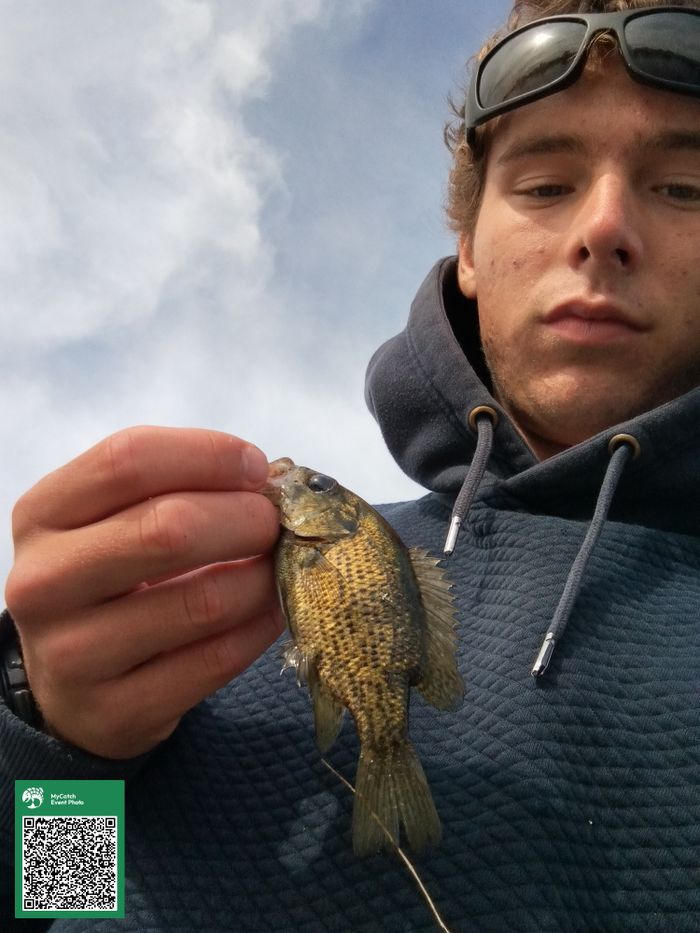
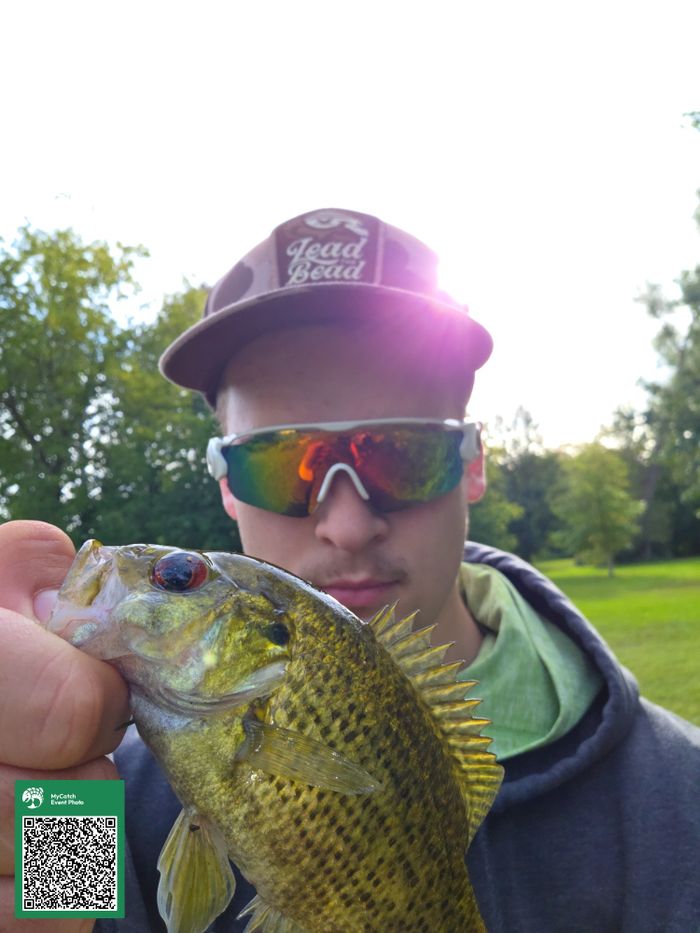
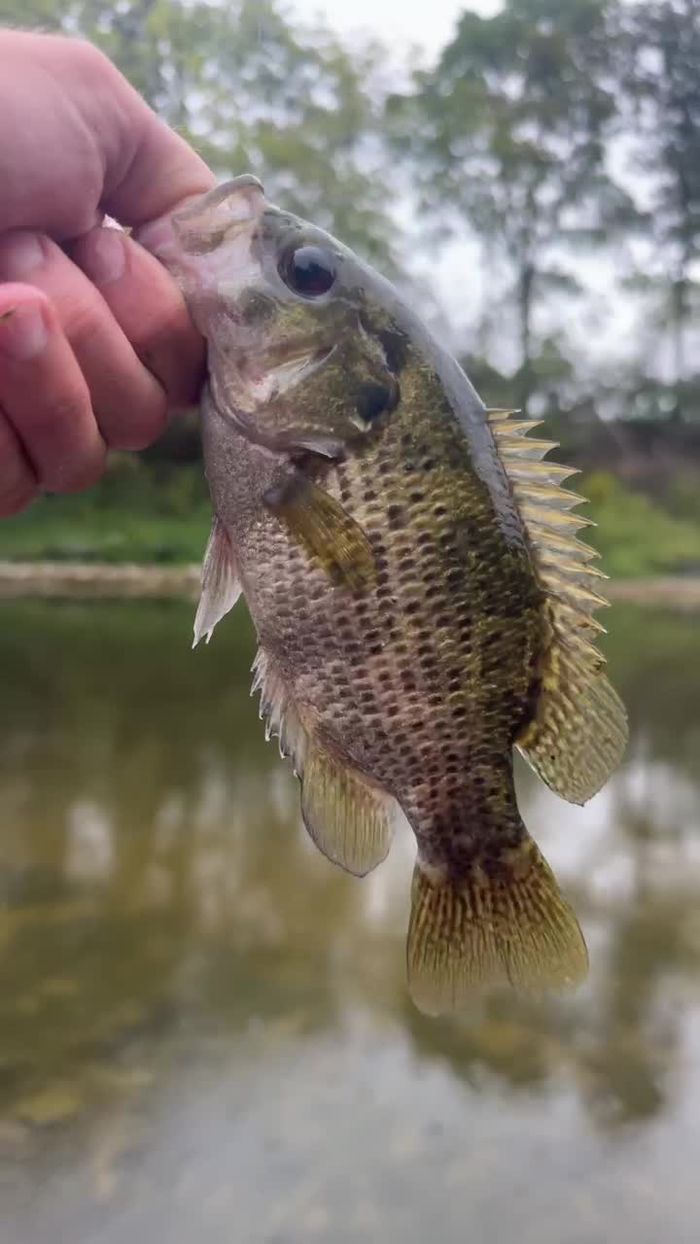
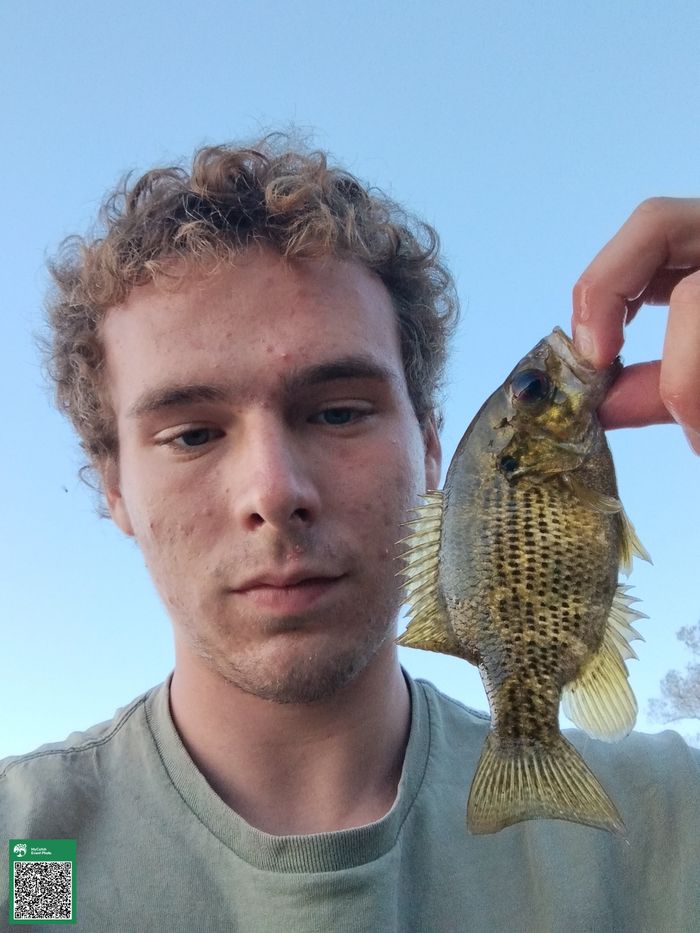
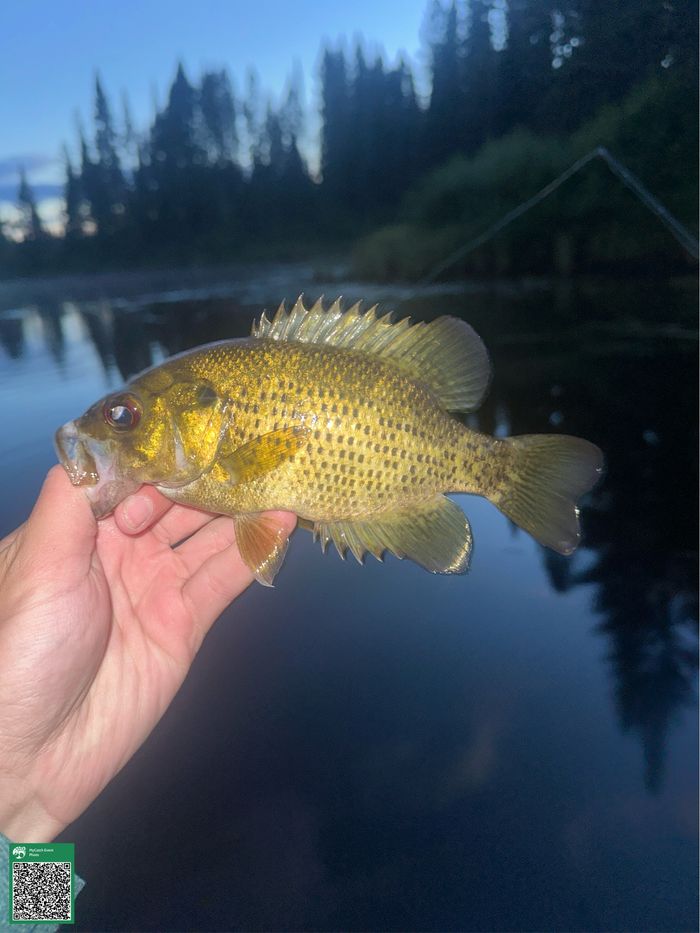
The Rock Bass is widely distributed throughout North America, found in the Great Lakes, Hudson Bay, Mississippi River, and many other basins. While native to eastern-Atlantic regions, it has been heavily introduced to watersheds in the U.S., Canada, and even England and France. Rock Bass inhabit freshwater lakes, rivers, ponds, and streams. Rock Bass are omnivorous, feeding on both plant matter and animal matter. Their diet includes small crustaceans, insects, larvae, and fish smaller than themselves, including minnows, fry, and even their own species. Rock Bass are relatively small, averaging 15–25 cm (6–10 in) in length and typically under 0.45 kg (1 lb) in weight, with individuals reaching 0.9 kg (2 lb) being uncommon. The Rock Bass is stocky in appearance, short in length but wide from the dorsal to ventral region. There are 5–7 spines located in the anal fin. Its coloration is dark brown fading to olive across the body, with irregular dark spots on the scales below the lateral line forming narrow band-like patterns, which provide camouflage. Rock Bass also have the adaptive ability to change their coloration to better blend into their surroundings. The eyes are large and red, earning them the common nickname “red-eyes.” Source: Animal Diversity Web (https://animaldiversity.org/accounts/Ambloplites_rupestris/)