Events
  Places
  Fish
Fish  Research
  Sign in
  New Catch Log
  New Trip Log
 Greater Redhorse
Moxostoma valenciennesi
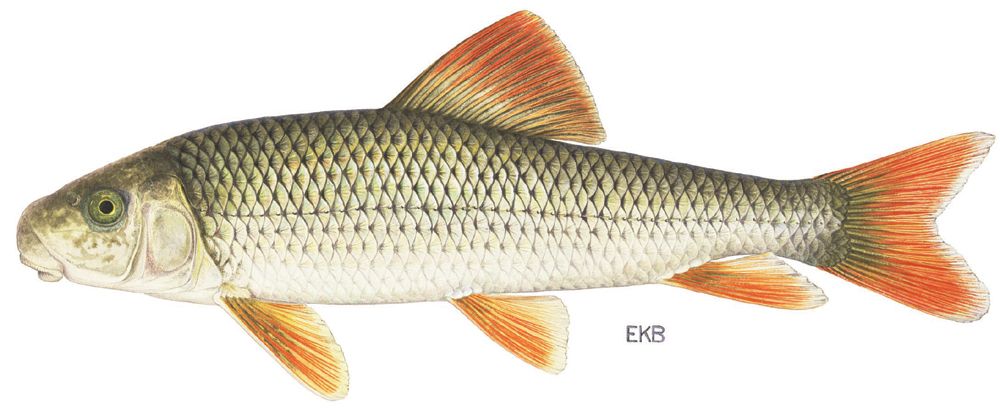
Greater Redhorse
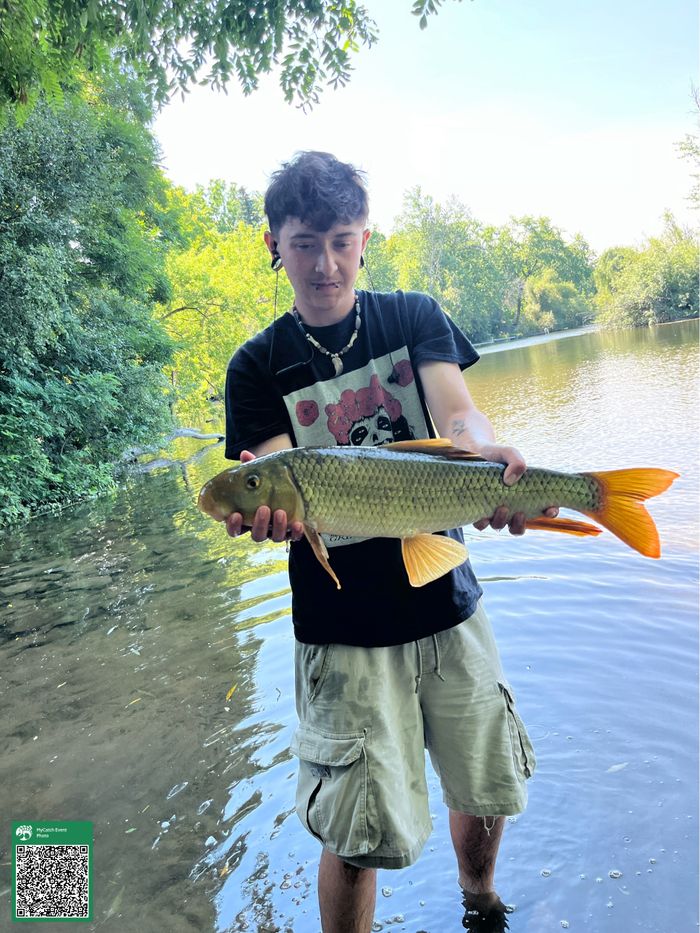
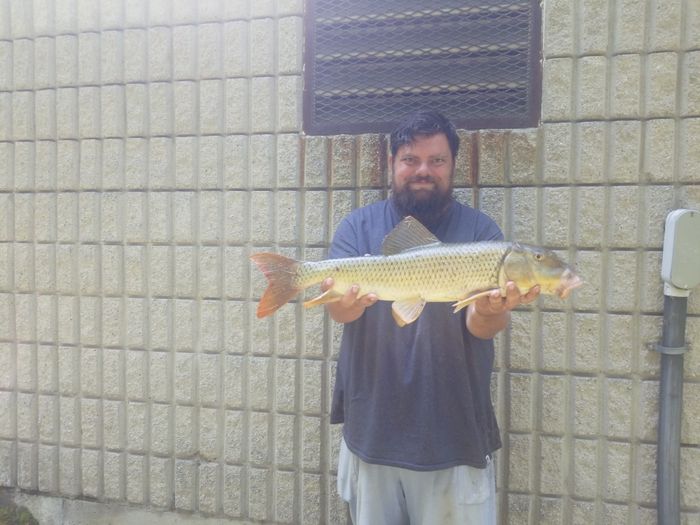
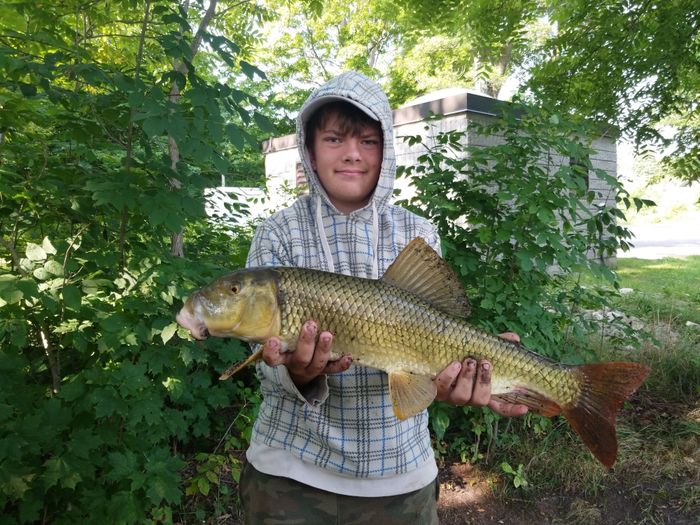
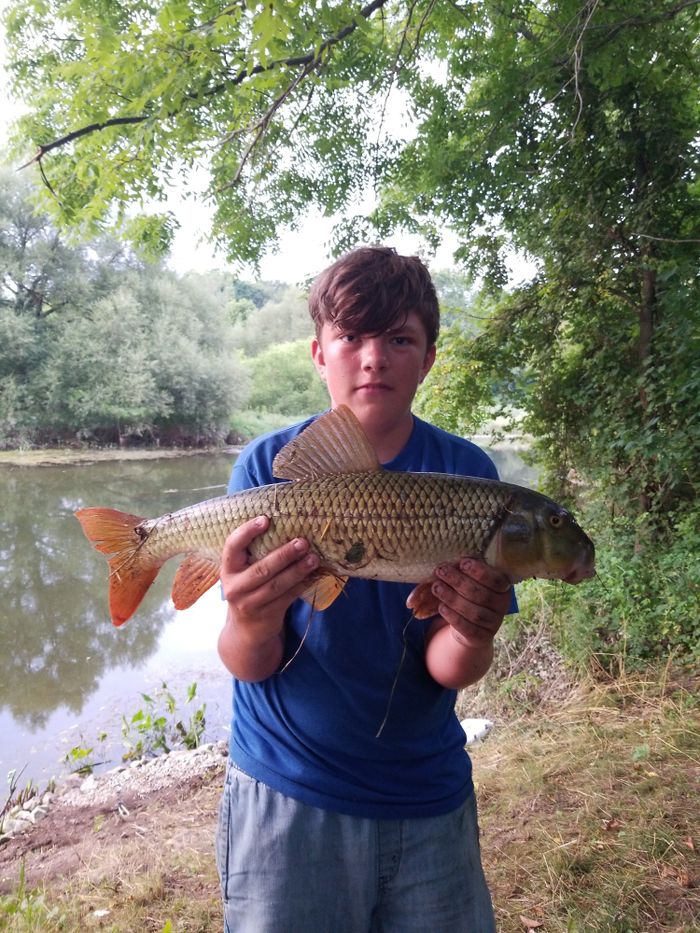
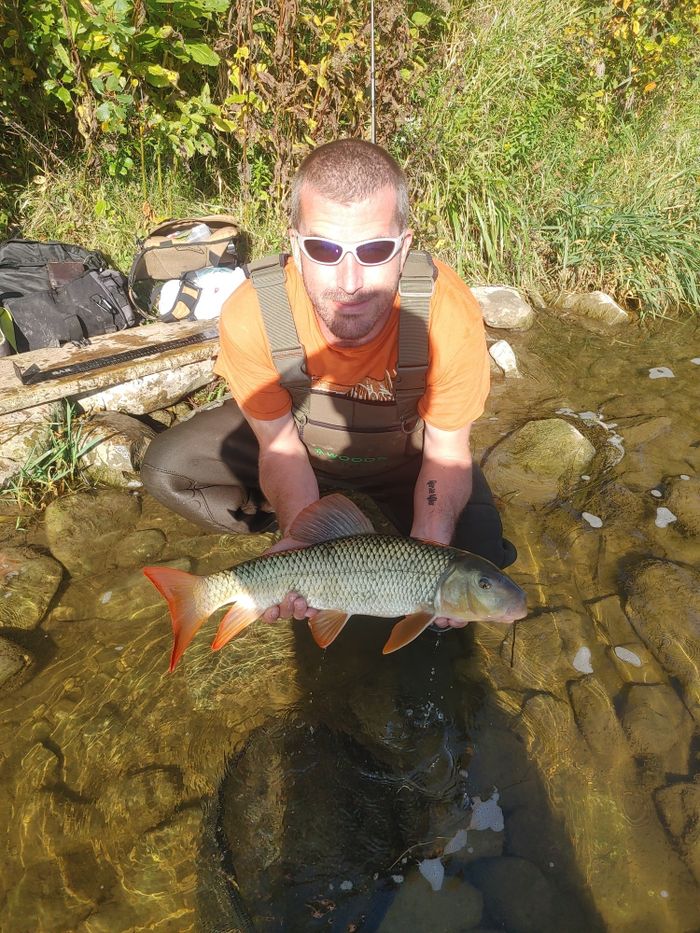
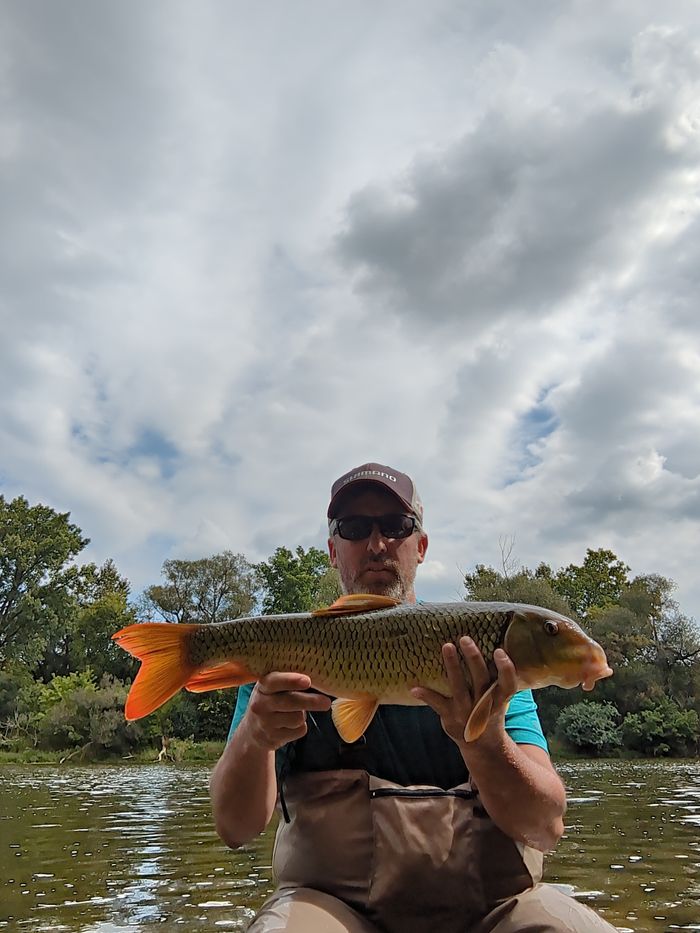
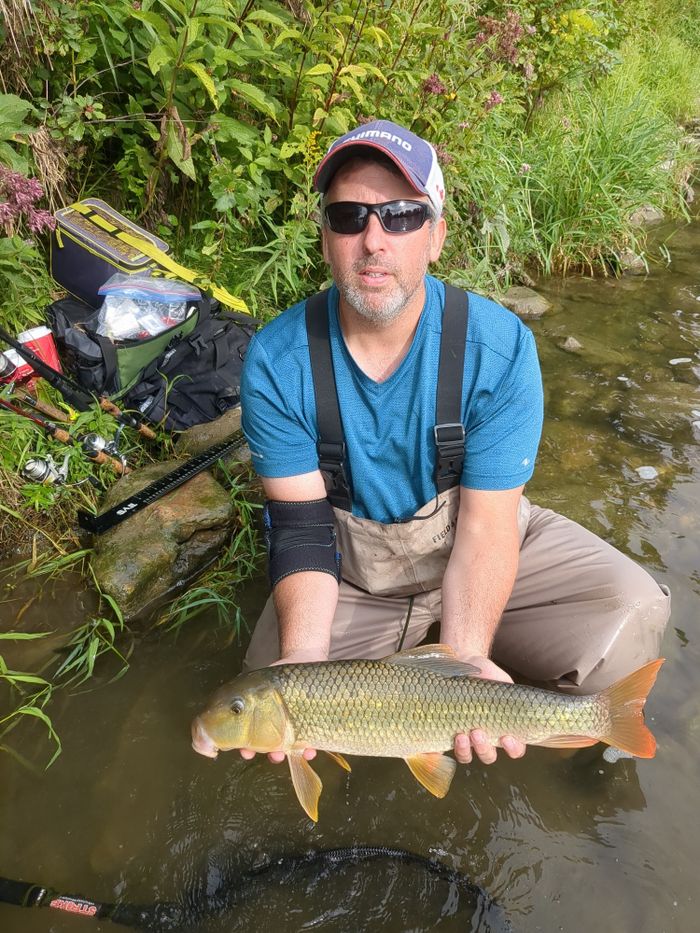
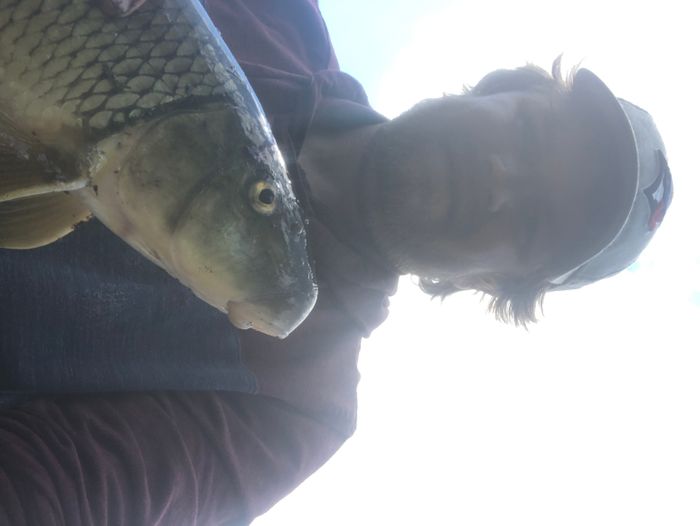
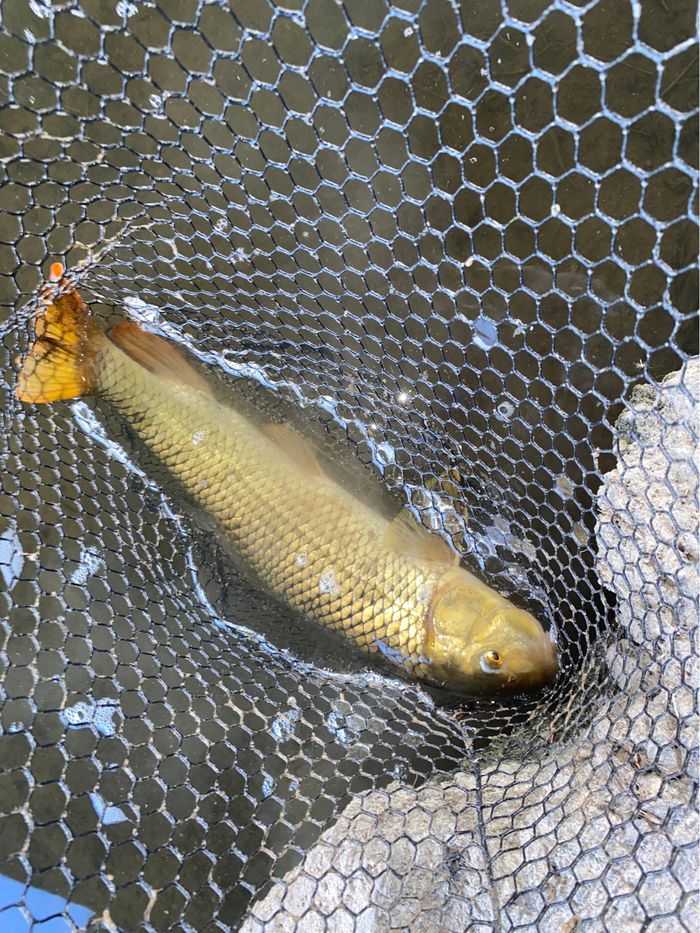
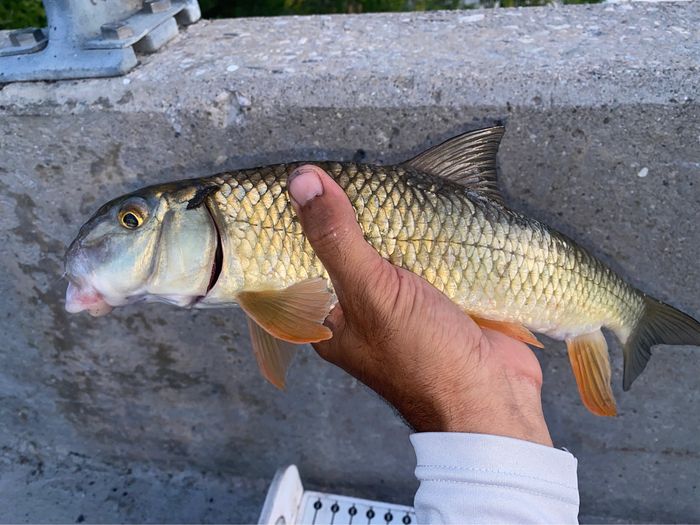
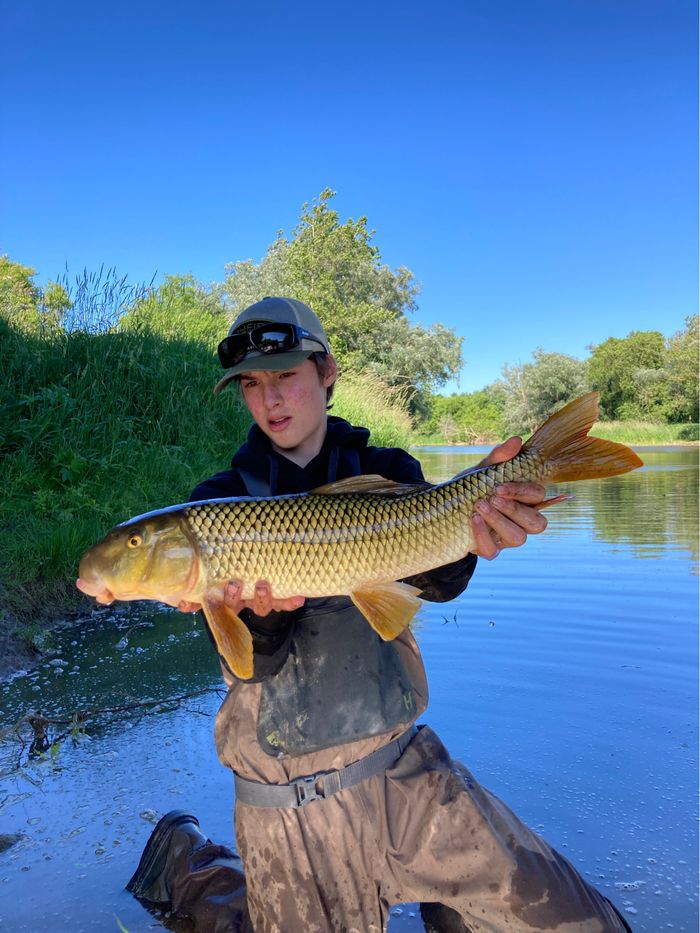
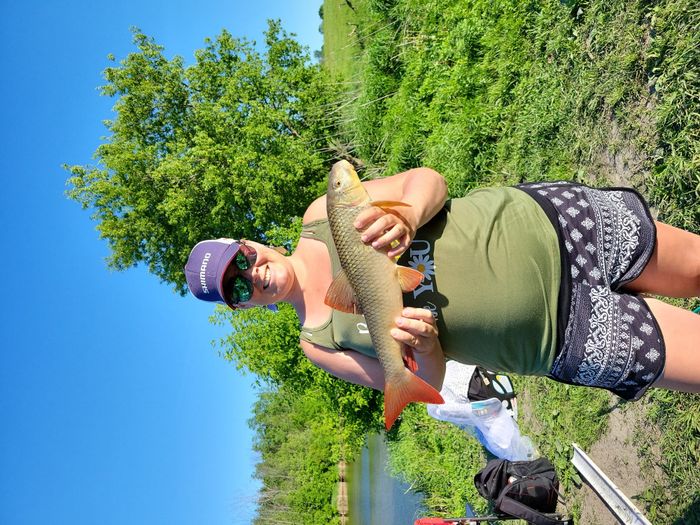
The Greater Redhorse is found in the northcentral and northeastern United States, as well as in Ontario and Quebec, Canada. It is typically found in clear, relatively fast-moving rivers and in both shallow and deep waters in some lakes. Their diet mainly consists of microcrustaceans, aquatic and larval insects, detritus, snails, and algae. Their length ranges from 15-24 inches (38-61 cm), but occasionally have been found to reach up to 24-30 inches (80 cm). They normally weigh 1.1-4.9 pounds (0.5-2.2 kg) but can weigh up to 13 pounds (5.9 kg). Various baits are successful with Greater Redhorse, including worms, nightcrawlers, clams, and shrimp. Greater redhorse spawn normally begins in May or June in creeks and streams. Eggs are laid in nests that have been created by fanning away smaller substrate on the creek bottom. Typically, these can be seen as a small area of clean gravel and sand. Greater Redhorse can be differentiated from other redhorse species by their red tail and V-angled bottom. Additionally, their dorsal fin has a convex angle and has 13-14 rays. Source: Guidesly (https://guidesly.com/fishing/fish-species/greater-redhorse)