Events
  Places
  Fish
Fish  Research
  Sign in
  New Catch Log
  New Trip Log
 Canary Rockfish
Sebastes pinniger
Canary Rockfish
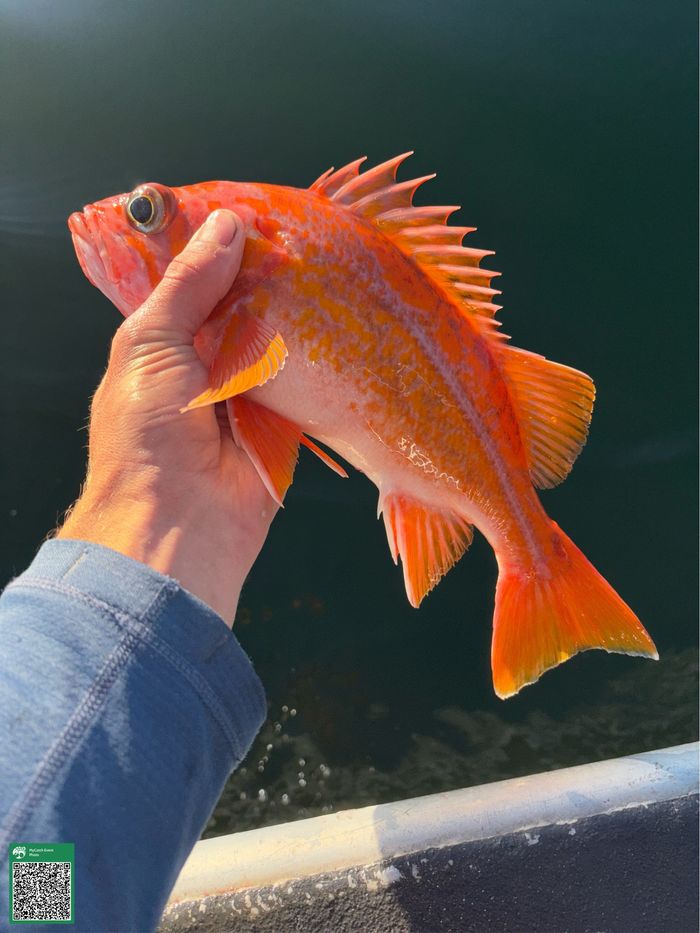
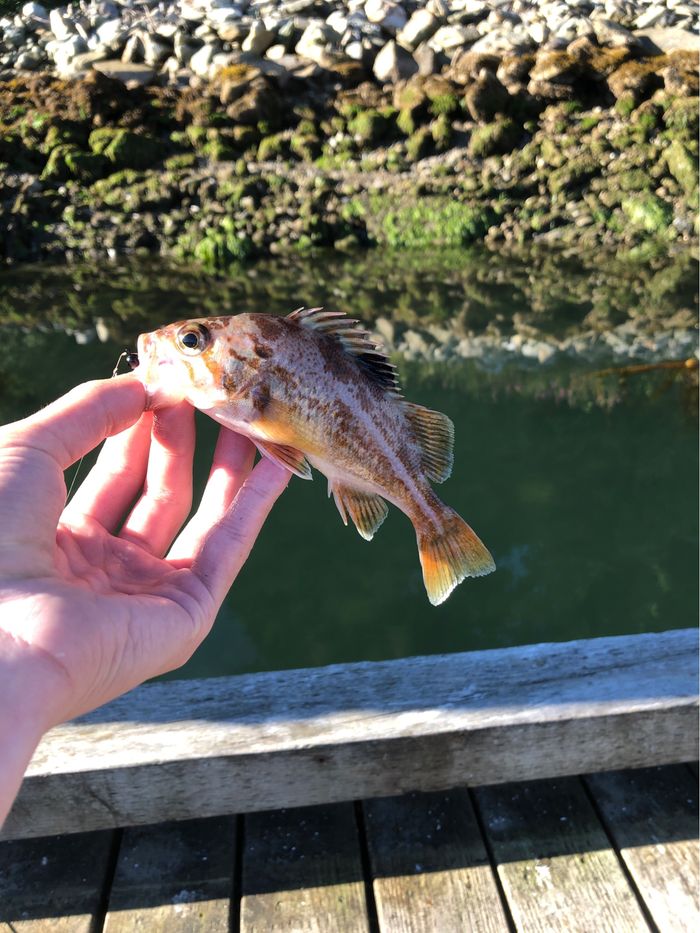
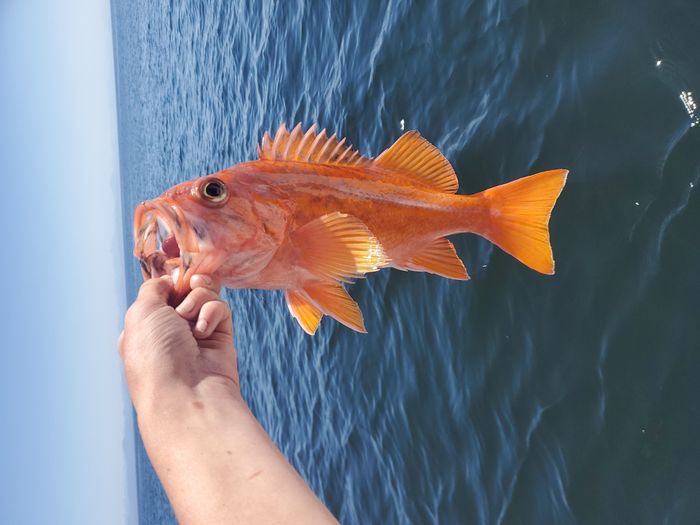
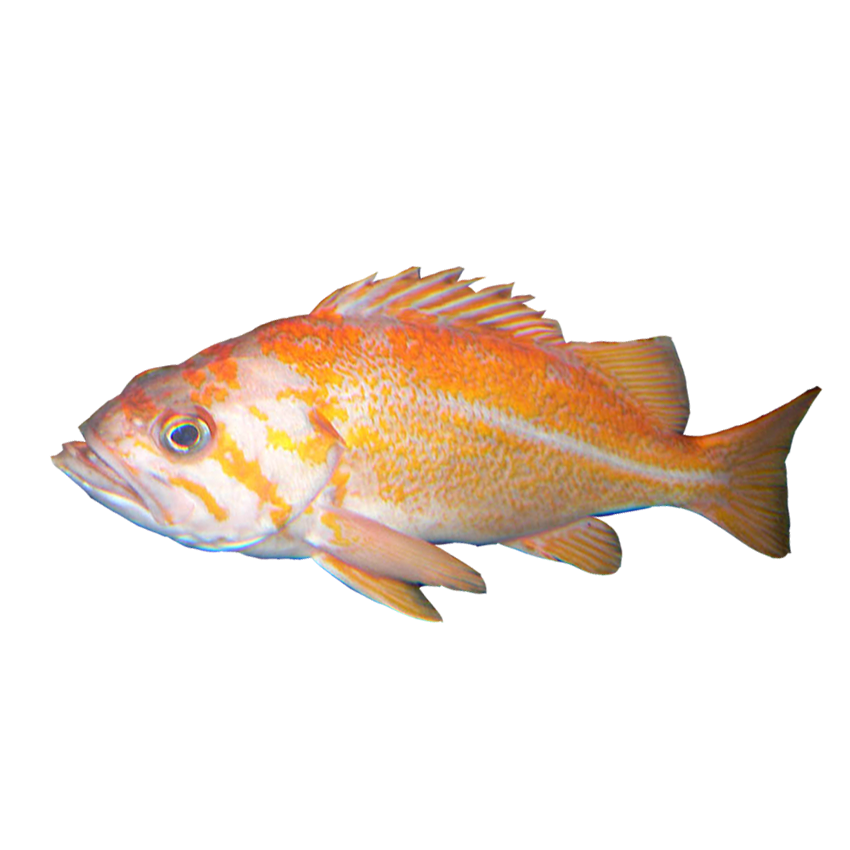
Canary Rockfish are distributed between Punta Colnett, Baja California, and the western Gulf of Alaska. The region off the coast of central Oregon is the most densely populated area within their range. Larvae and subadults occupy higher surface open waters, dispersing widely under the influence of ocean currents. They are typically found in shallower depths than adults, in waters with rocky reefs, kelp canopies, and artificial structures such as piers and oil platforms. As they mature, Canary Rockfish expand into deeper waters, averaging 49–250 m (160–820 ft) and sometimes deeper, sticking to rocky bottoms and outcrops where they hover just above the substrate in loose groups. Larvae feed on various algae, juveniles consume tiny crustaceans such as copepods and krill, and adults feed on groundfish, small fish, and even other rockfish species. Typical sizes for Canary Rockfish reach up to 76 cm (30 in) in length and 4.5 kg (10 lb) in weight. They are usually caught in commercial fisheries using midwater trawl methods and are minimally targeted recreationally. Many Rockfish Conservation Areas protect them from overfishing. They are bright yellow and orange mottled on the dorsal surface and gray on the underside. Key identifying features include three orange stripes on the head and large orange fins. Source: NOAA Fisheries (https://www.fisheries.noaa.gov/species/canary-rockfish)