 Events
  Places
  Fish
Fish  Research
  Sign in
  New Catch Log
  New Trip Log
 Atlantic Croaker
Micropogonias undulatus
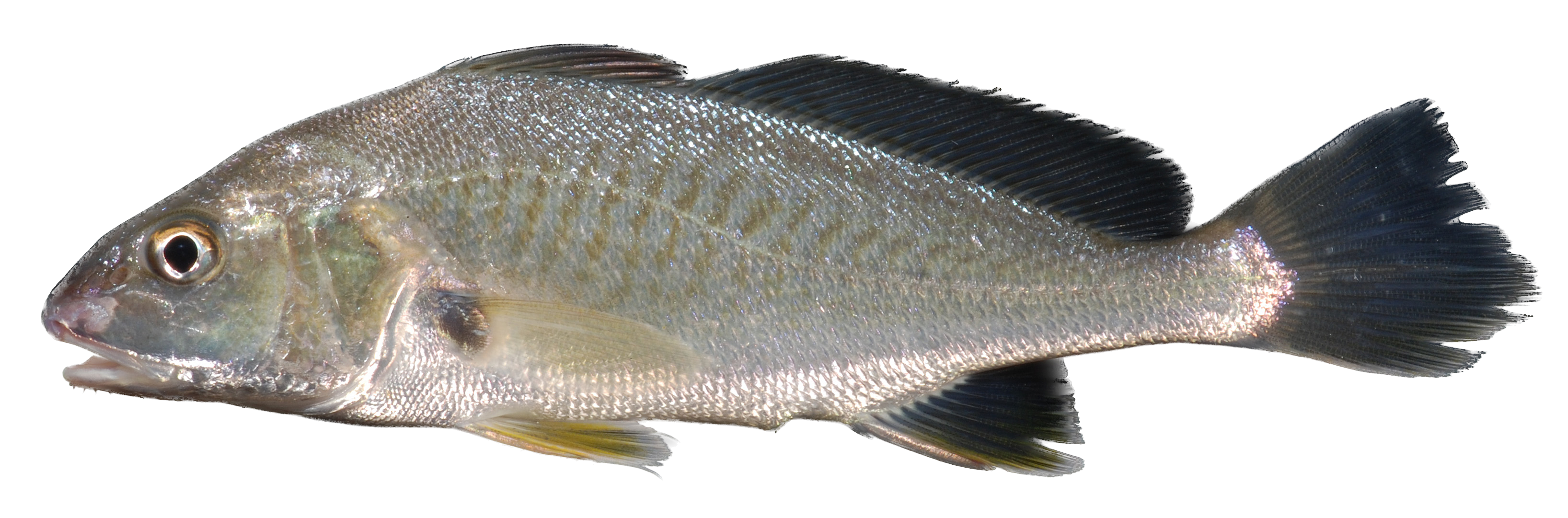
Atlantic Croaker
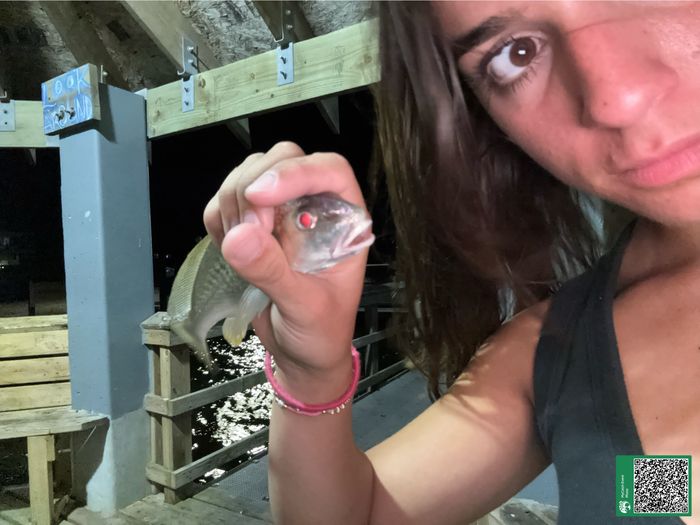
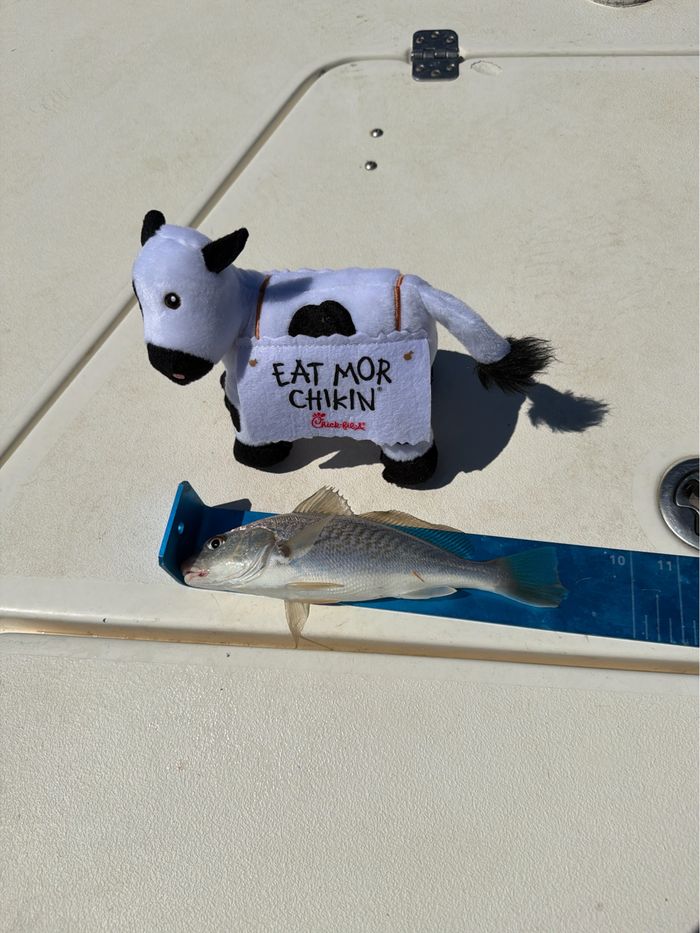
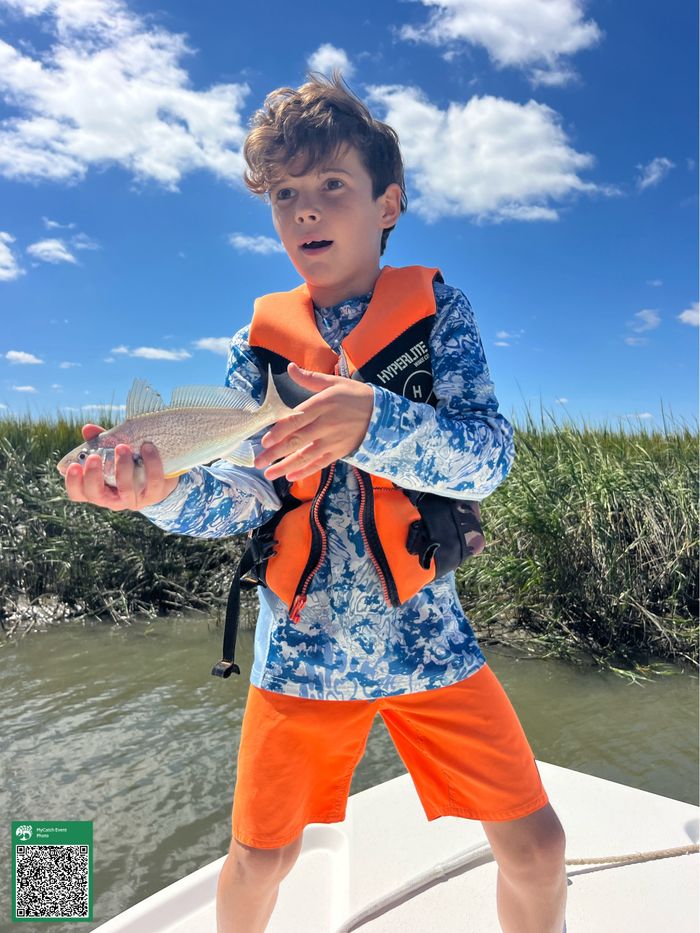
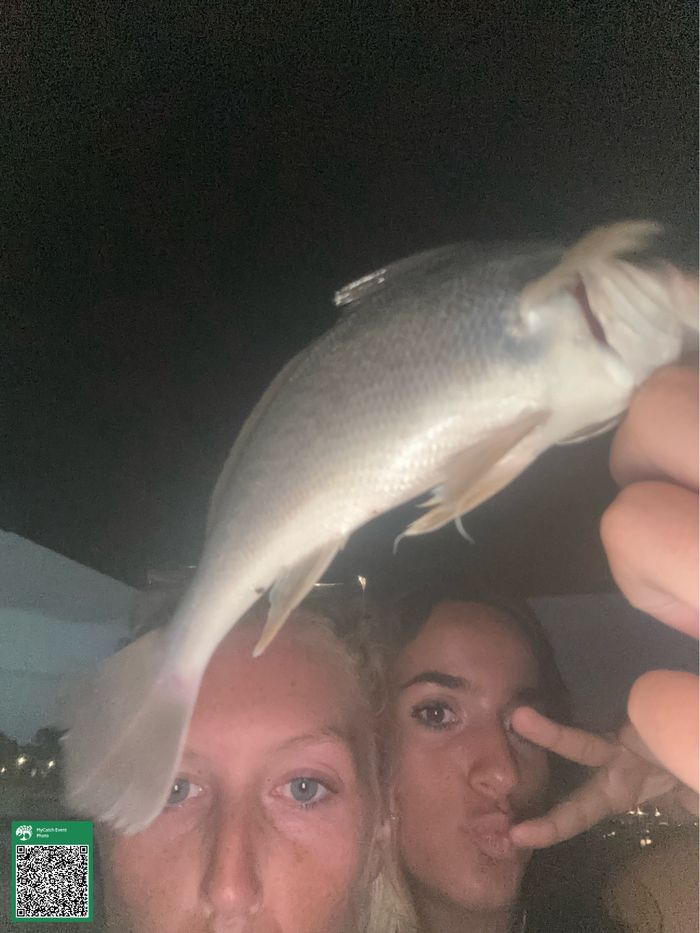
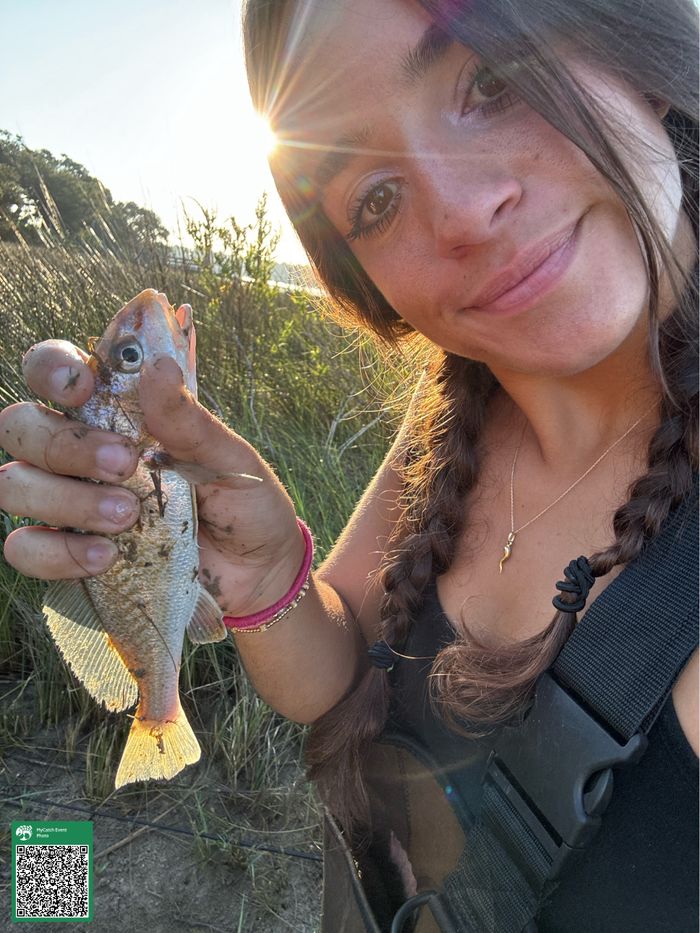
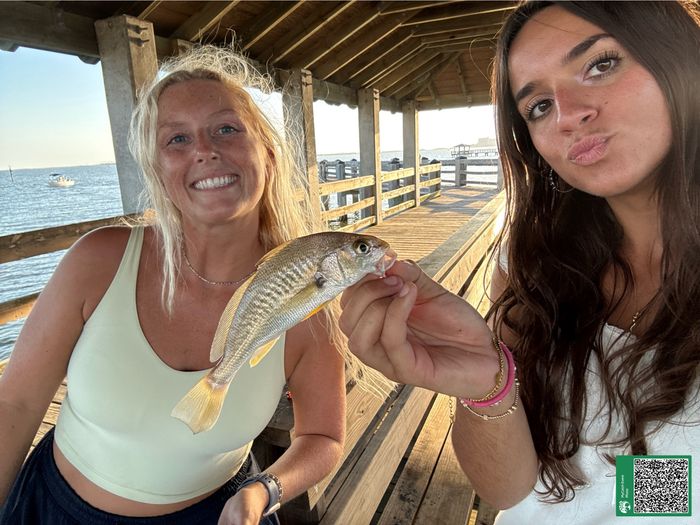
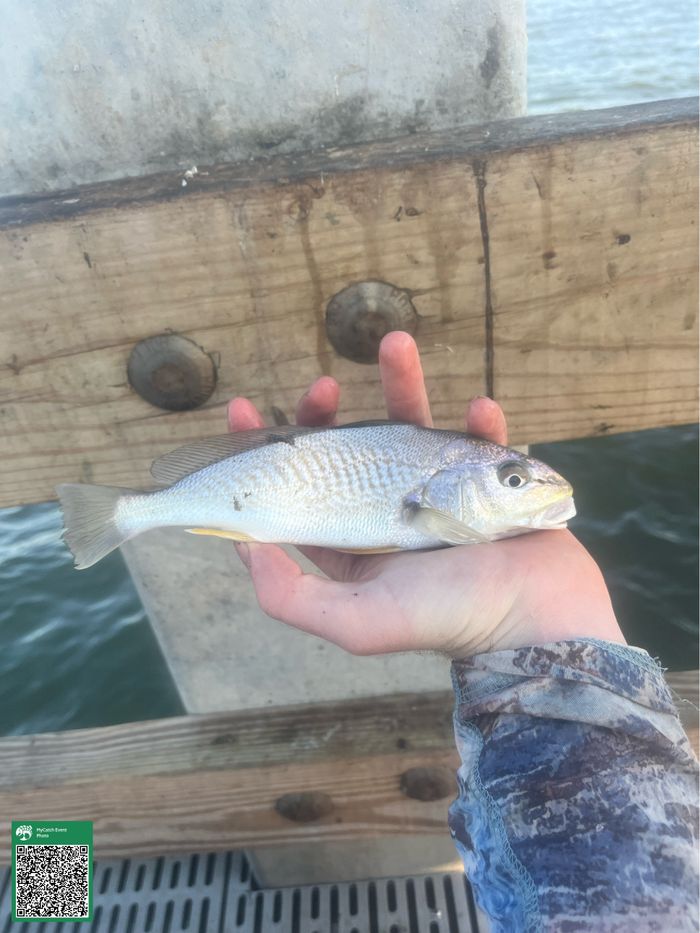
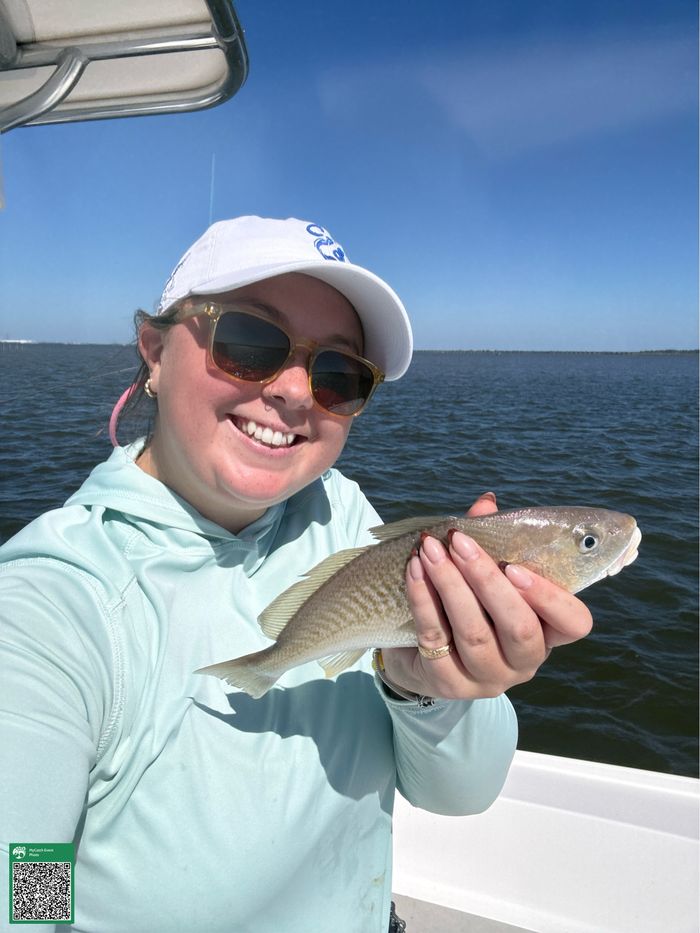
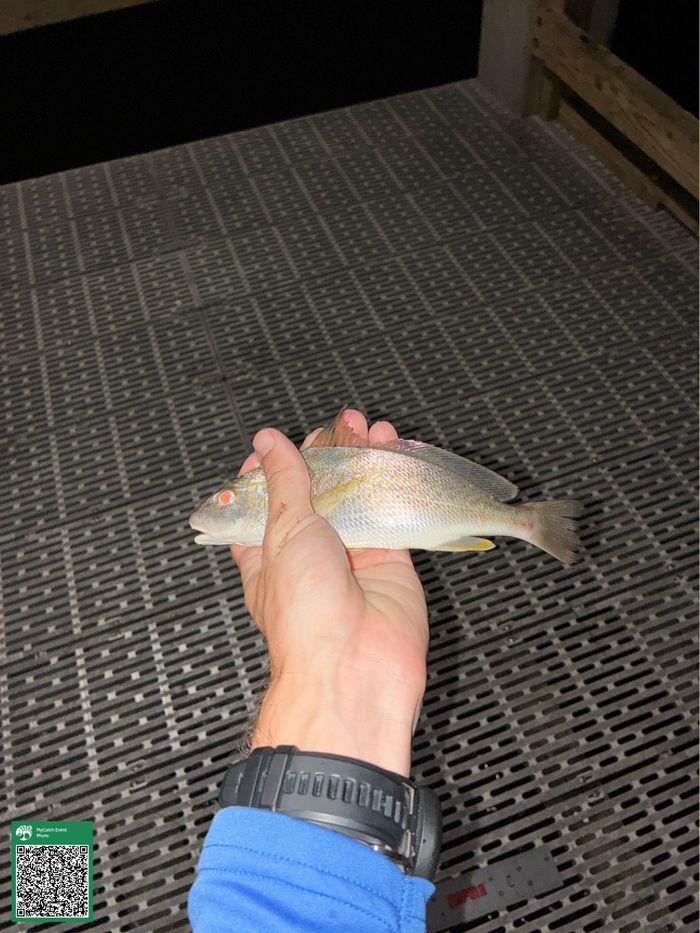
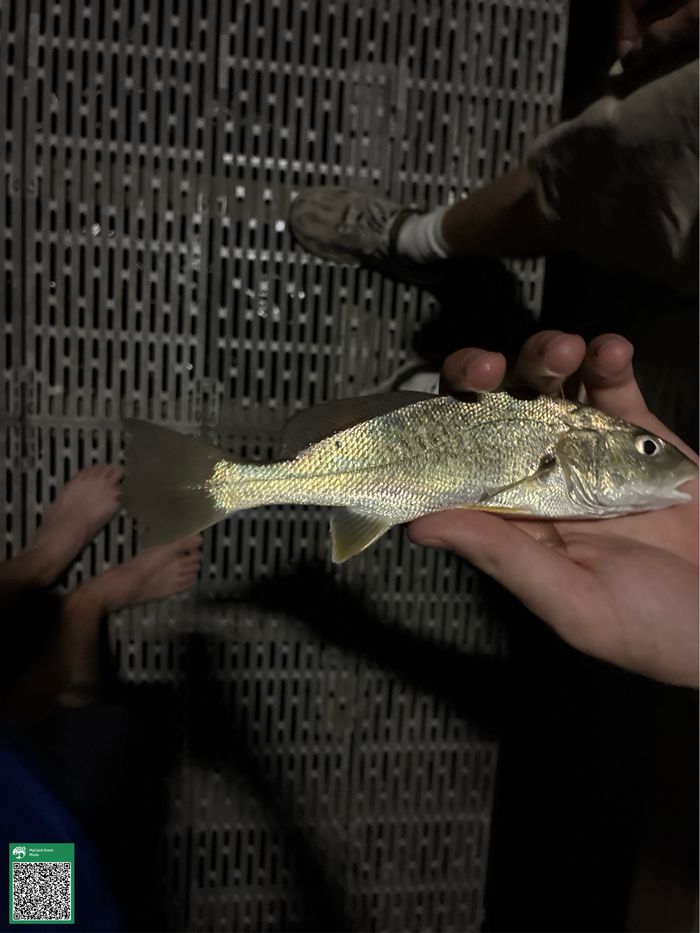
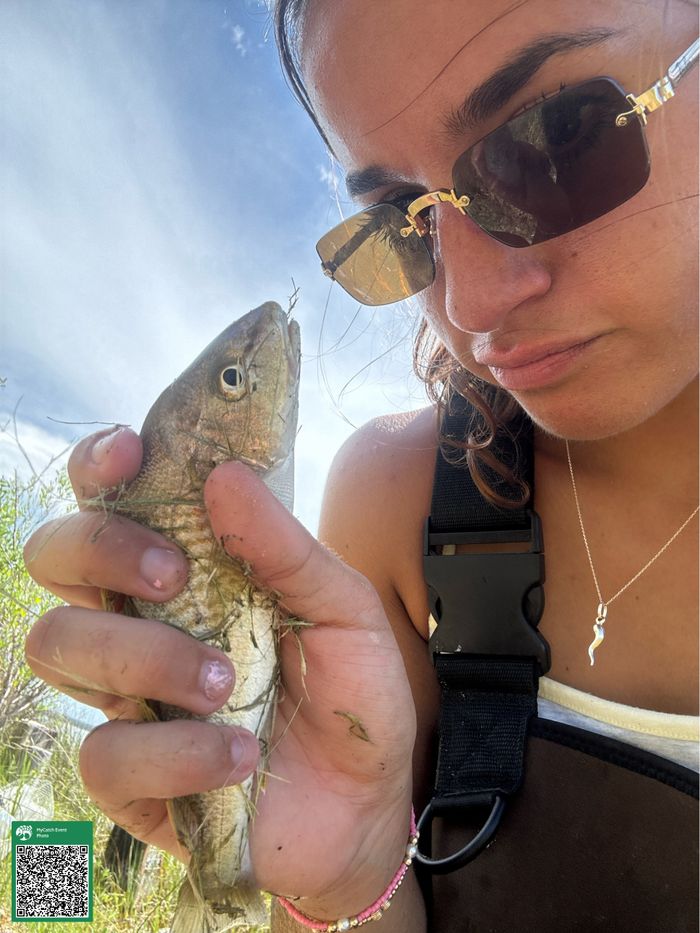
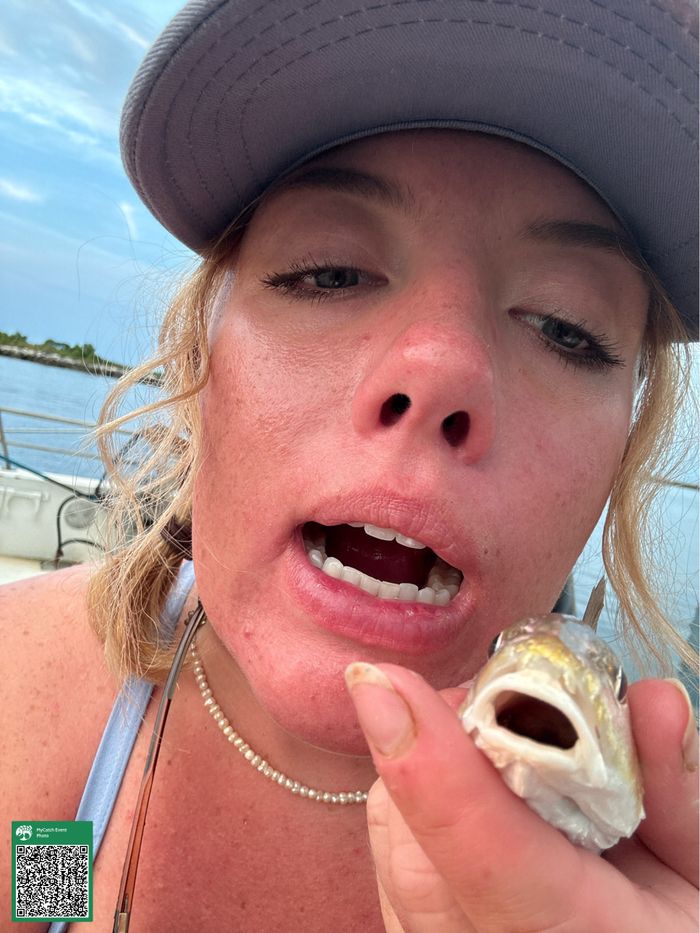
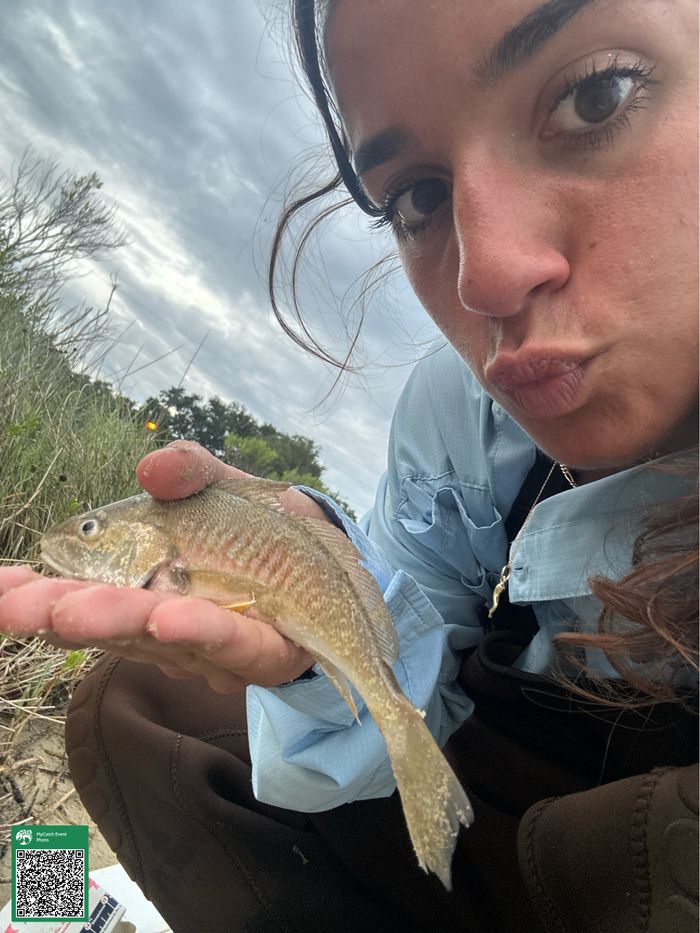
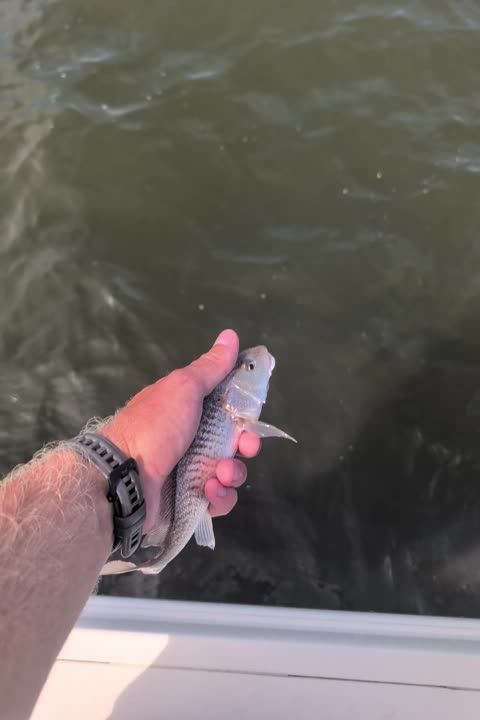
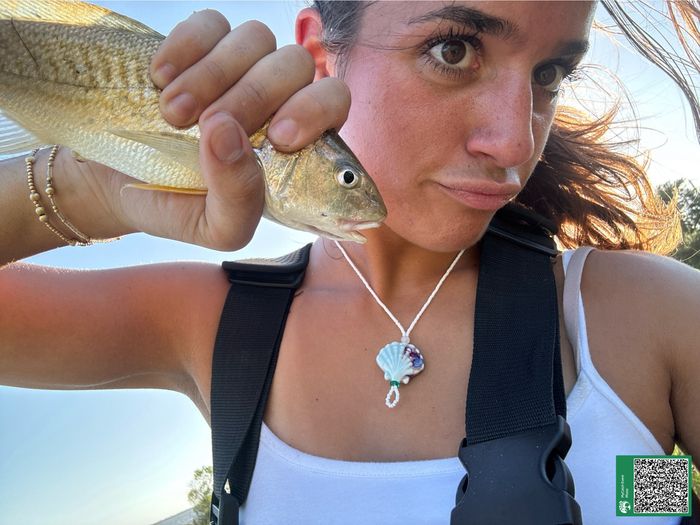
Atlantic croaker are native to the western Atlantic Ocean, ranging from Massachusetts to the Gulf of Mexico. They inhabit coastal waters, estuaries, bays, and sandy or muddy bottoms, often moving offshore in winter and returning to shallow inshore areas during warmer months. Their diet consists mainly of worms, crustaceans, small fish, and other bottom-dwelling invertebrates. Atlantic croaker commonly grow to 20–35 cm (8–14 inches), though larger individuals can exceed 50 cm (20 inches). Key identifiers include a silvery body with faint wavy lines on the sides, a slightly downturned mouth, and small barbels under the chin. An interesting fact is that Atlantic croaker produce a croaking or drumming sound using specialized muscles against their swim bladder, especially during spawning season. Anglers frequently catch them using bottom rigs baited with shrimp, squid, or worms. Sources: FishBase (https://www.fishbase.se/summary/Micropogonias-undulatus.html) and NOAA Fisheries (https://www.fisheries.noaa.gov/species/atlantic-croaker)













.jpg)