Events
  Places
  Fish
Fish  Research
  Sign in
  New Catch Log
  New Trip Log
 Amur Carp
Amur carp, Koi, Cyprinus rubrofuscus
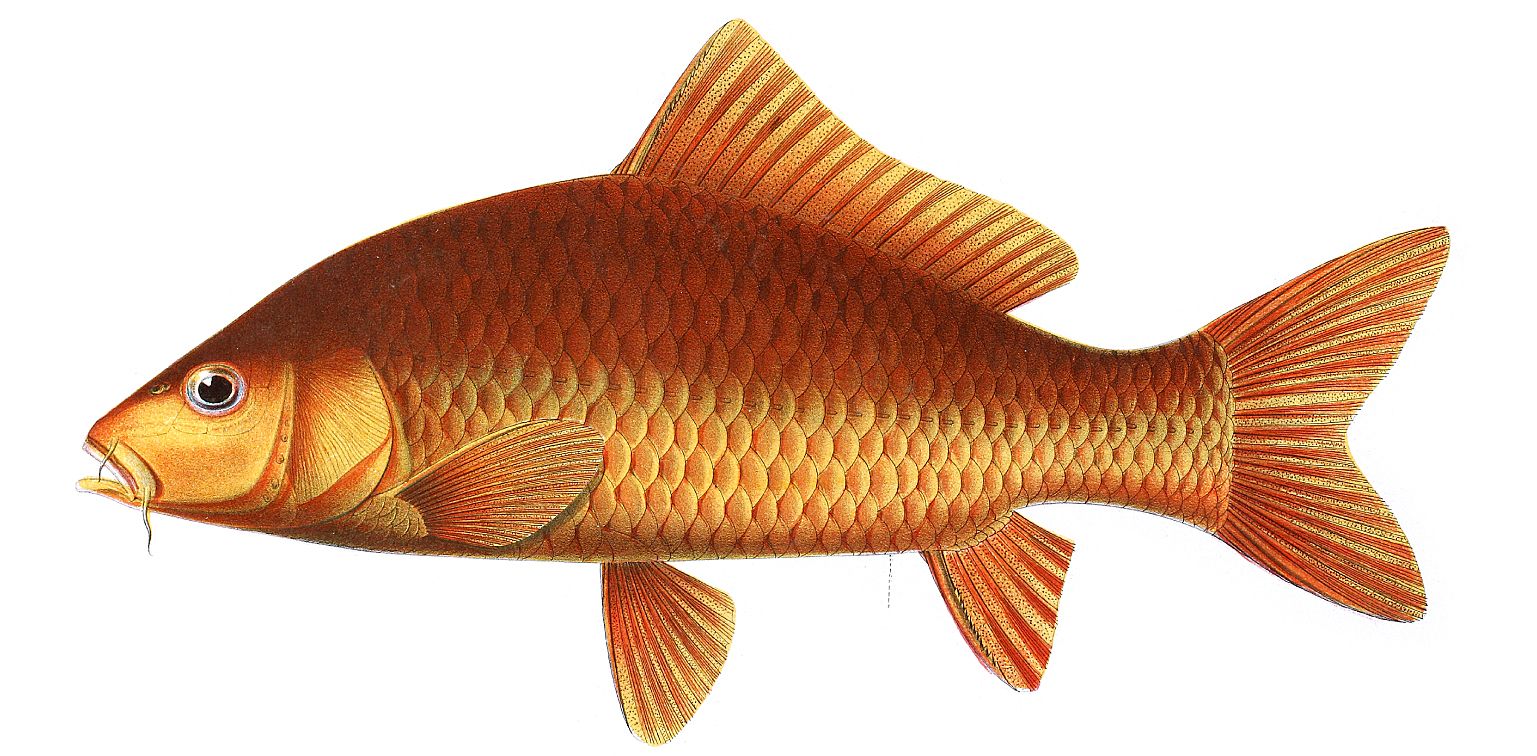
Amur Carp
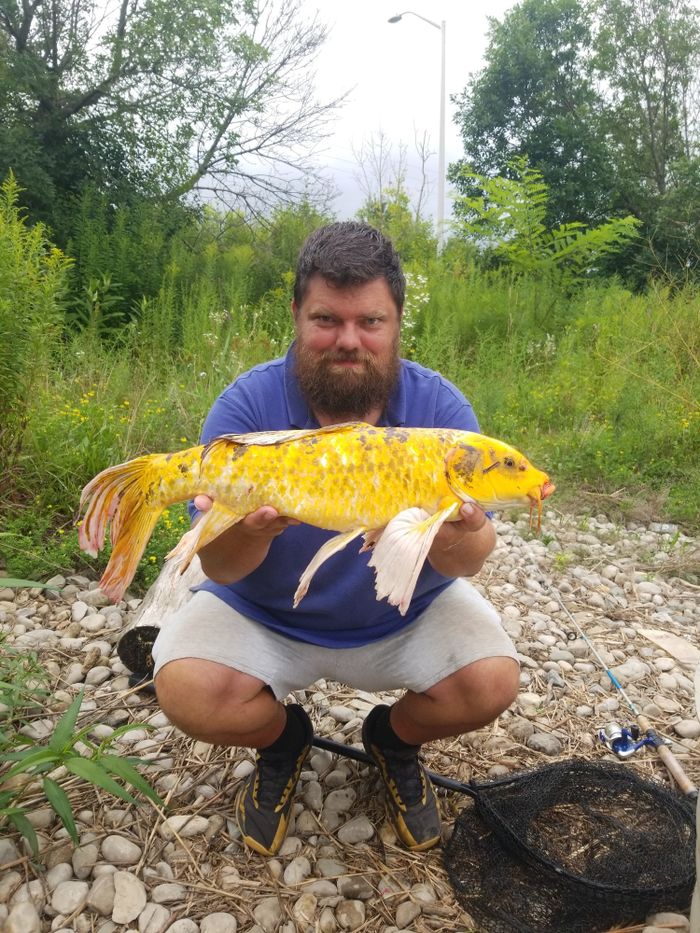
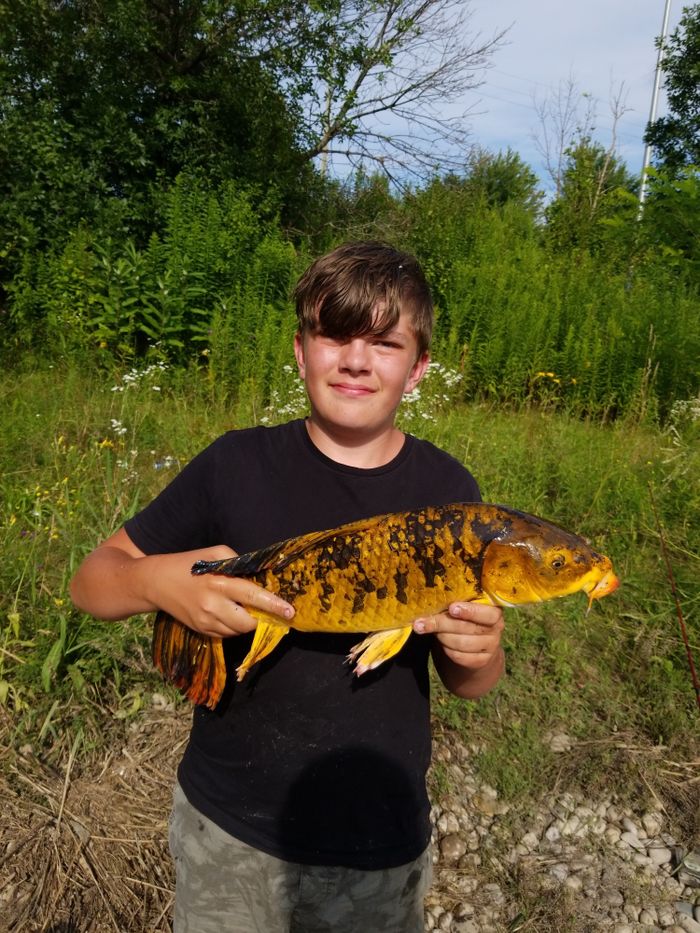
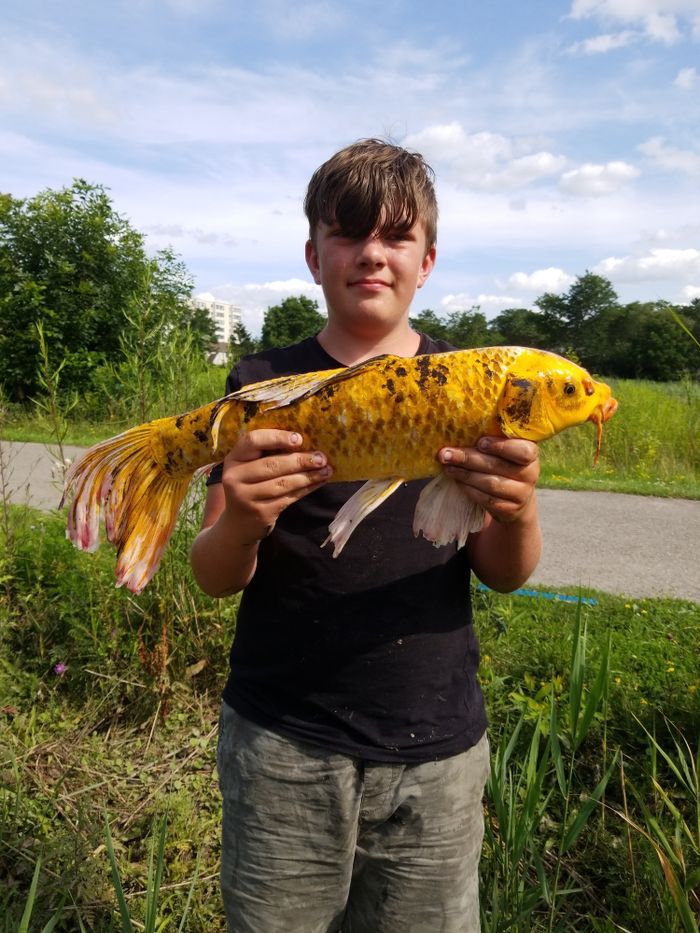
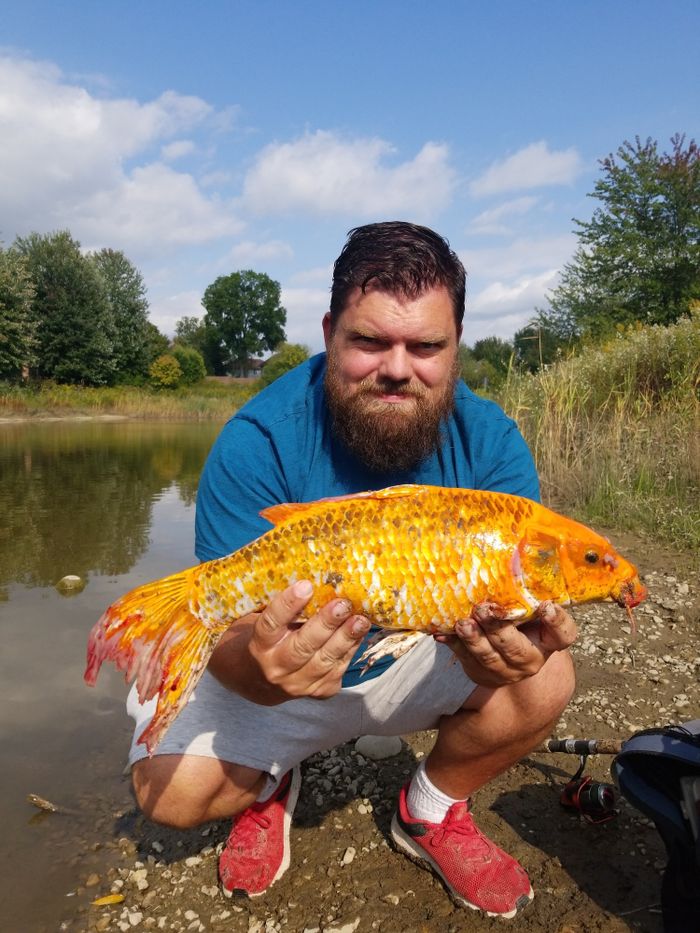
Amur Carp, often referred to as a strain of common carp, are native to eastern Asia including the Amur River basin in China and Russia, but have been introduced to many parts of the world through aquaculture and stocking. They thrive in slow-moving rivers, lakes, ponds, and reservoirs with muddy bottoms and tolerant water conditions. Their diet includes aquatic plants, insects, crustaceans, and organic debris they sift from the bottom. Amur Carp commonly reach 40–80 cm (16–31 inches) in length, though larger individuals over 100 cm (39 inches) have been recorded. They are identified by their large scales, barbels (whisker-like structures) near the mouth, and long dorsal fin. An interesting fact is that Amur Carp are highly adaptable and can significantly alter aquatic ecosystems through bottom-feeding behavior. Anglers typically catch them using bottom rigs with corn, dough bait, or boilies. Sources: FishBase (https://www.fishbase.se/summary/Cyprinus-rubrofuscus.html) and United States Geological Survey (https://nas.er.usgs.gov/queries/factsheet.aspx?SpeciesID=4)